



Solar energy designed for your home
Solar Panel Installation in Richmond. Designed Around Protected Roofs and Real Household Usage
Solar panel installers in Richmond, covering the hill, the streets around the Green, and the riverside stretch toward Petersham. Every solar panel installation in Richmond starts with your electricity consumption data and a physical roof survey, not the panel count a national calculator says your roof could hold. Nothing is ordered until you sign off the Solar Design Pack.
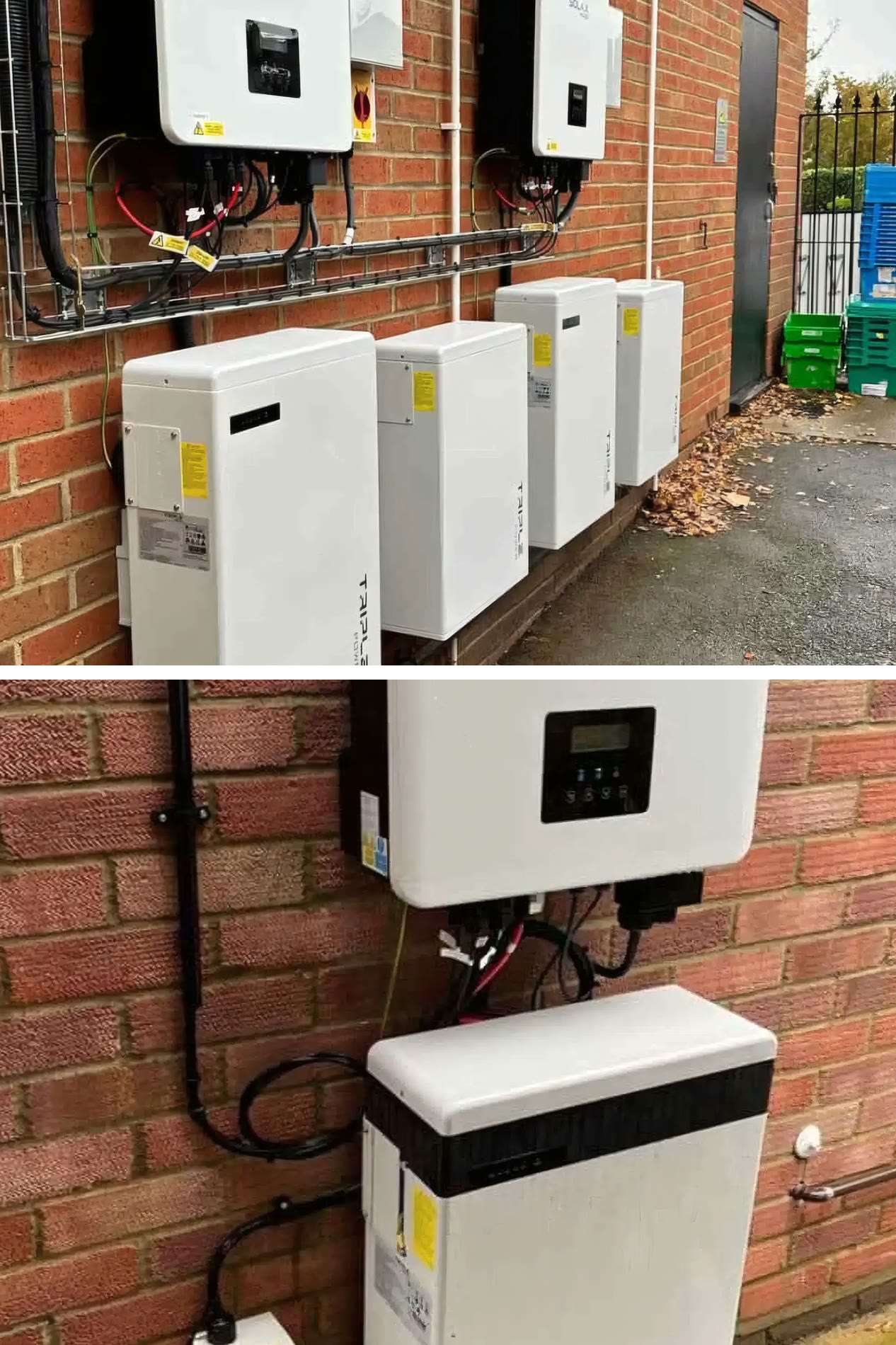
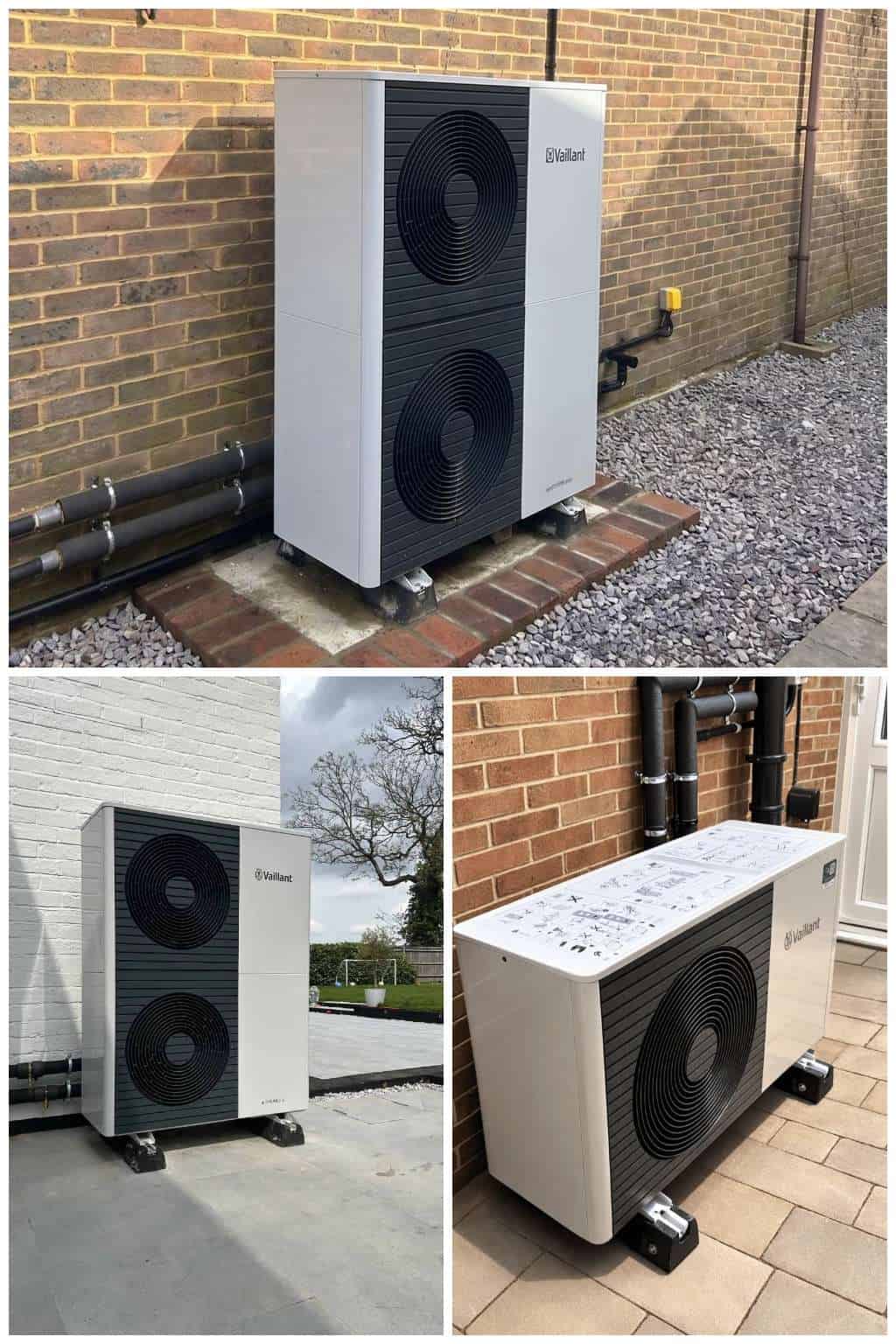
Featured project: an air source heat pump we matched to the home’s solar PV system, with the array and the heat pump sized together.
“Their team were professional, knowledgeable, and communicated clearly throughout. The installation quality was excellent, and my customer is already seeing improved comfort and energy savings. Highly recommended.”

Leon Shead,
Google Review












Before you book
Most Richmond Homeowners Come to Us With the Same Questions
In Richmond, an Article 4 direction can decide which roof planes you can use for panels.
You may be wondering:
Will our usage or roof area size it?
Which planes can carry panels on a conservation street?
Is our battery, EV or heat pump designed in?
Which export tariff fits, and who owns any shortfall?
On a conservation street the second question matters most, and each merits a written reply.
Every solar panel installation in Richmond is specified per property, and your Solar Design Pack is where each question gets its reply.
Why Eco Renewables
Why Richmond Homeowners Choose Us
Sized from consumption data, not roof area
We ask for your half-hourly usage or annual kWh before we discuss panel counts. A four-person house on Richmond Hill with an EV and a house of the same footprint near the Green with two occupants need different systems.
Placement worked out for protected streets
We check conservation area status and any Article 4 direction before we pick the planes. We confirm the position for your specific address at survey rather than assuming permitted development covers it.
The design is yours before you commit
Array layout, projected annual generation, self-consumption estimate, inverter and battery specification, and the final price, all documented in the Solar Design Pack.
Storage and EV load designed in from the start
Battery capacity comes from your evening and overnight demand profile. Adding one later is possible, but sizing it alongside the array is cheaper and works better.
Export figures you can check
The Design Pack states the export assumptions behind your figures.
A handover you can actually act on
You finish the day knowing your monthly generation targets, how the battery is scheduled, and how to read the monitoring app. Your installer’s number, not a call centre queue.
What Our Clients Say
Eco Renewables are trusted by homeowners throughout Surrey and the South East to provide high-quality solar system installations.


How it works
Our Simple 3-Step Process
Your Solar Design Pack
Inside Your Free Solar Design Pack
Your Design Pack puts the design for your roof on paper before any equipment is ordered. Put it next to any other quote and compare the two line by line.
1
Panel layout
The layout shows where each panel sits on your roof, drawn from what the survey found.
2
Predicted generation
An estimate of what the panels should generate on your roof across a year.
3
Share used at home
How much of that output you’d use at home, and how much would go to the grid as export.
4
Battery recommendation
A yes or no on a battery for the way your household uses electricity.
5
Itemised cost
The cost is itemised line by line: panels, inverter, any battery, scaffolding and cabling.
Creating first a detailed heat loss report and then a system design to meet the requirements, he wanted to ensure that I understood the different way that heat pumps work to old gas boiler technology.
Stephen Saunders
Google Review
Cost and payback
Savings and Payback for Solar Panel Installation in Richmond
Solar panel installation cost in Richmond typically runs £4,000 to £14,000, depending on panel count, roof access and scaffolding, mounting type, and whether storage is included. Terraced and townhouse addresses with restricted access and multi-plane layouts sit higher for the same panel count than a straightforward rear-slope install. Where the work qualifies, 0% VAT applies through March 2027.
Payback for solar panels in Richmond commonly lands in the 7 to 12 year range, and design is the variable that moves it most. A unit used in the house is worth considerably more than one exported, so self-consumption drives the return more than headline array size. Worth noting: the £7,500 Boiler Upgrade Scheme grant applies to heat pumps only, never solar.
Before you spend anything, the Solar Design Pack puts the projected generation, the self-consumption estimate and the final price on paper for your specific Richmond address.
Battery and EV
Solar Panel and Battery Installation in Richmond, Working With Your Heat Pump and EV
Solar panel and battery installation in Richmond increasingly comes as part of a wider electrification plan: panels, storage, an EV charger, and heating that no longer burns gas. We design and install air source heat pumps across Richmond too, so the array is sized against real heating-season demand and both systems run on the same smart tariff.
Storage is the piece that matters most on a Richmond roof with limited usable area. Where the roof caps you at, say, eight panels, storage stops the midday surplus leaving the house at export rates and keeps it for the evening and overnight charge instead. In midwinter it works the other way, filling on off-peak units when panels contribute little. Our solar battery installation page explains the sizing.
Case study
Real Clients. Real Results.
This Maidenhead renovation involved redesigning the heating system in a complex 1960s home using a Viessmann heat pump to deliver a perfectly balanced 21°C throughout the house despite mixed insulation levels and constrained underfloor heating upstairs.
The property had very different heat losses across rooms and strict floor height limits for upstairs underfloor heating. Instead of forcing the whole system to run at one compromise temperature, we engineered separate flow temperatures using mixing groups so every zone could perform properly. The result is consistent comfort throughout the house and a system that runs efficiently and predictably.
“What we appreciated most was that nothing was rushed. The numbers were checked properly and the system was designed around the house rather than the other way around. The temperature is consistent throughout and we can fine-tune it easily. It feels engineered, not just installed.”
Homeowner, Maidenhead
See Our Work First-Hand
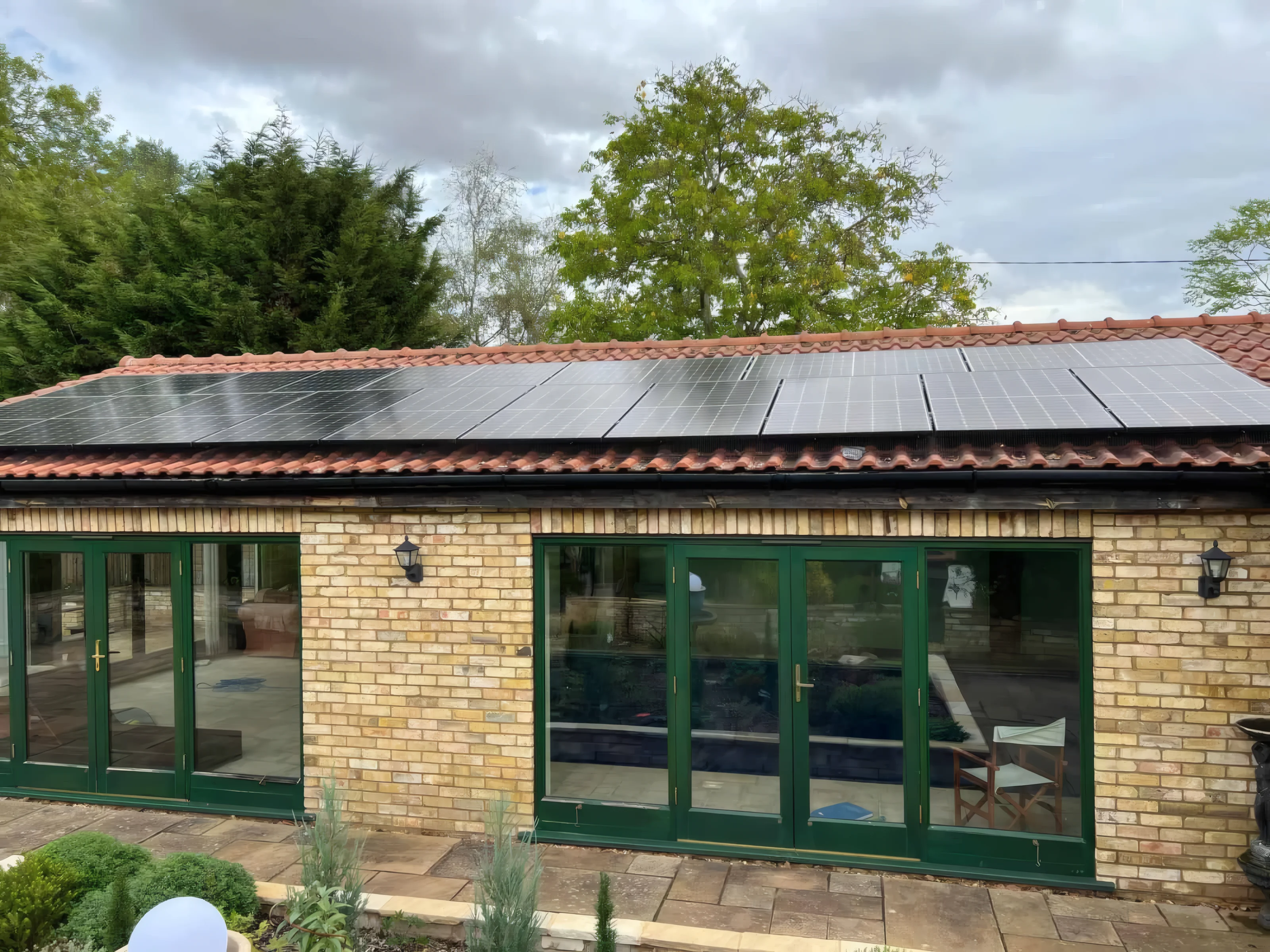
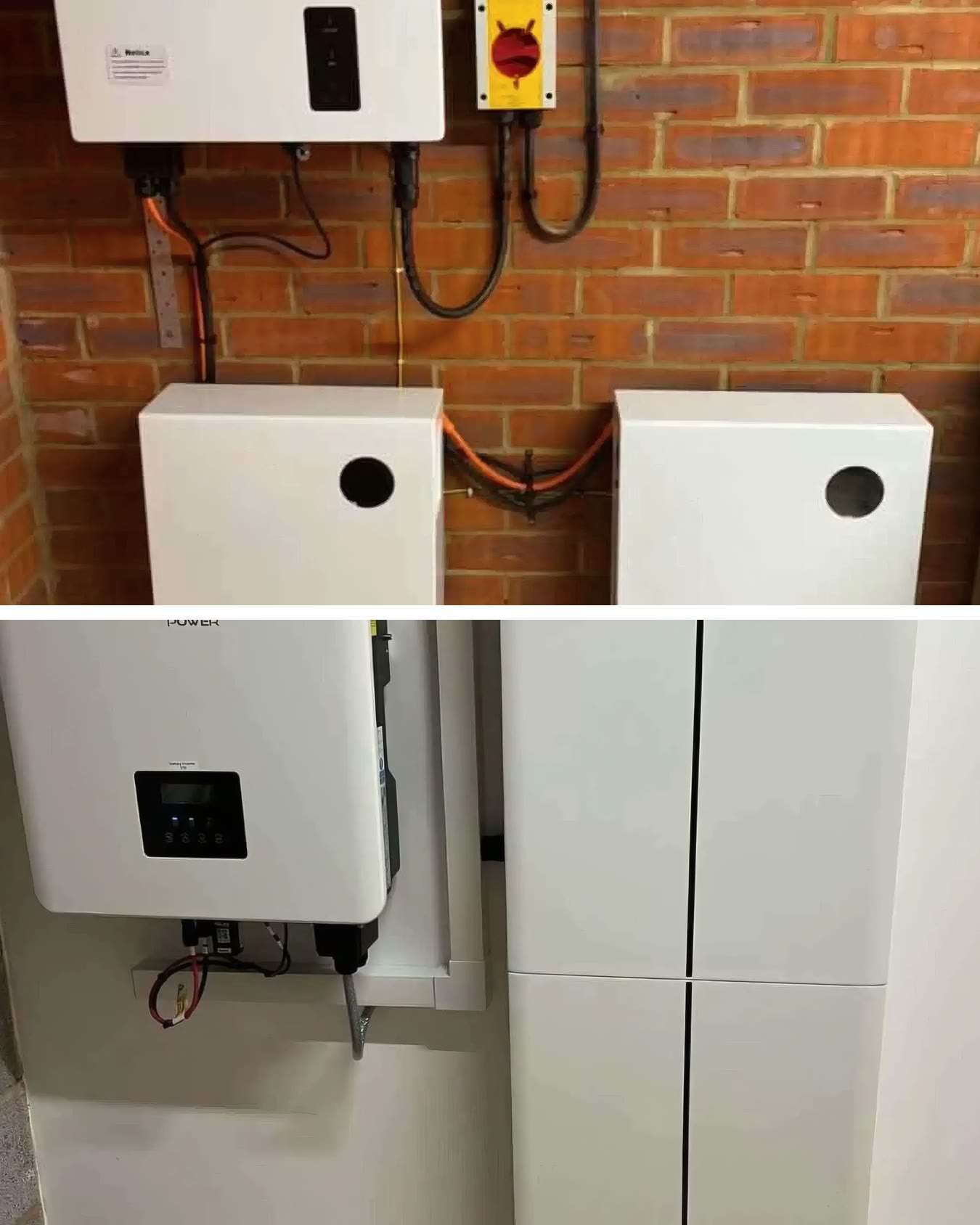
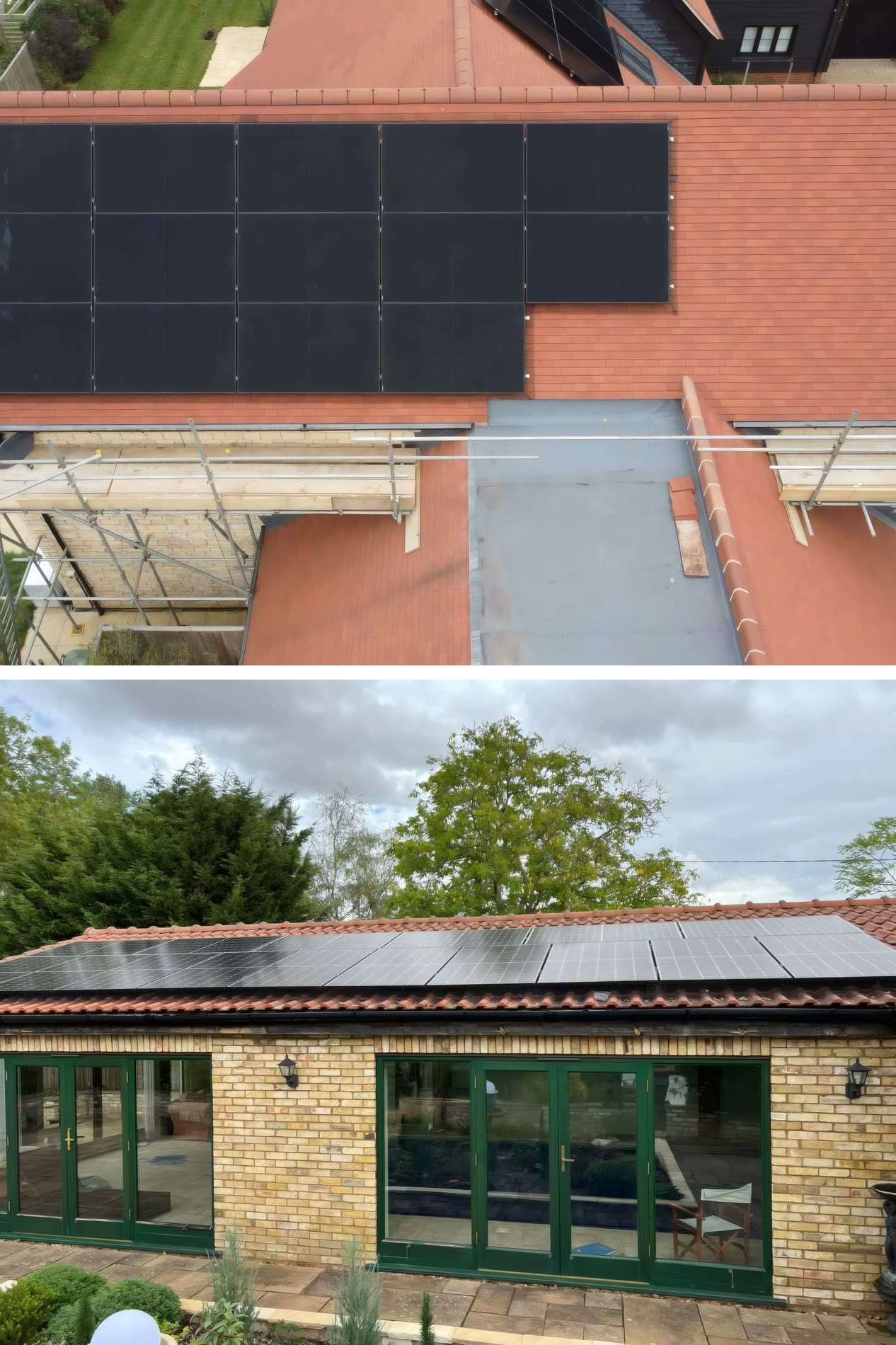
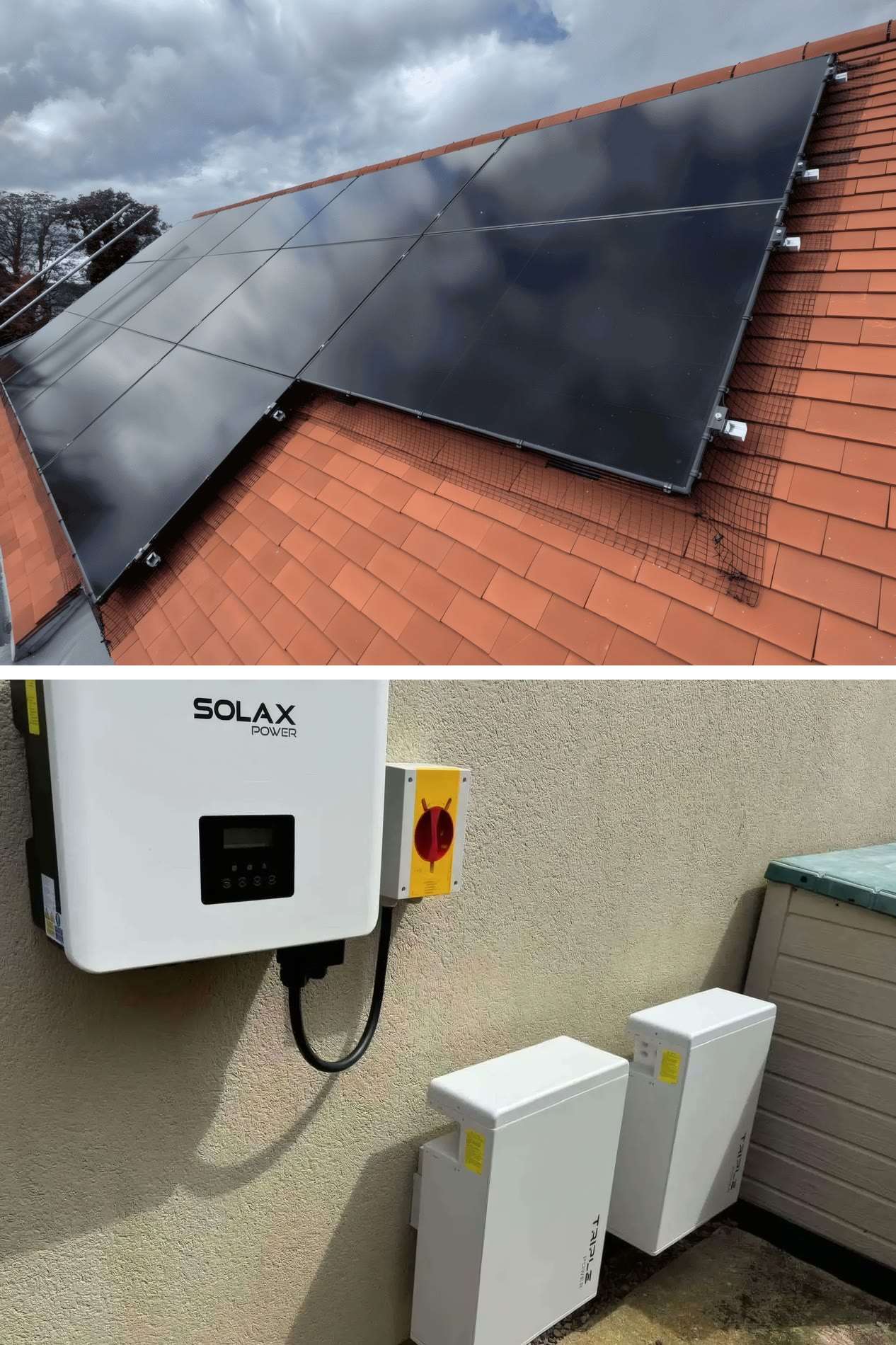
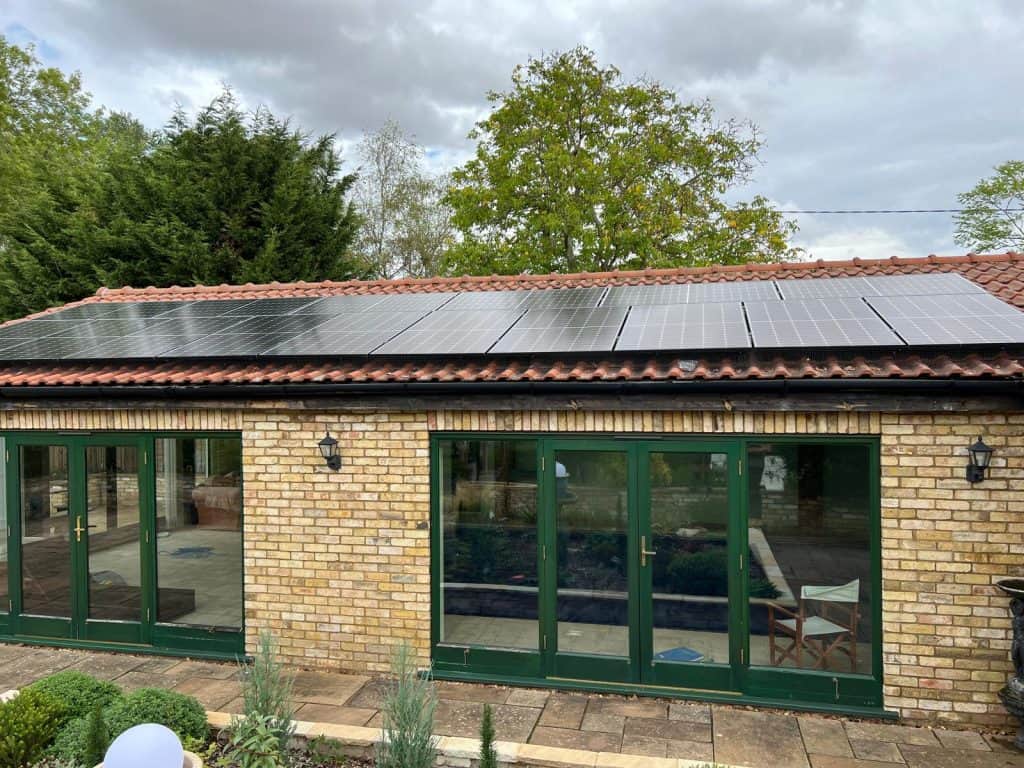
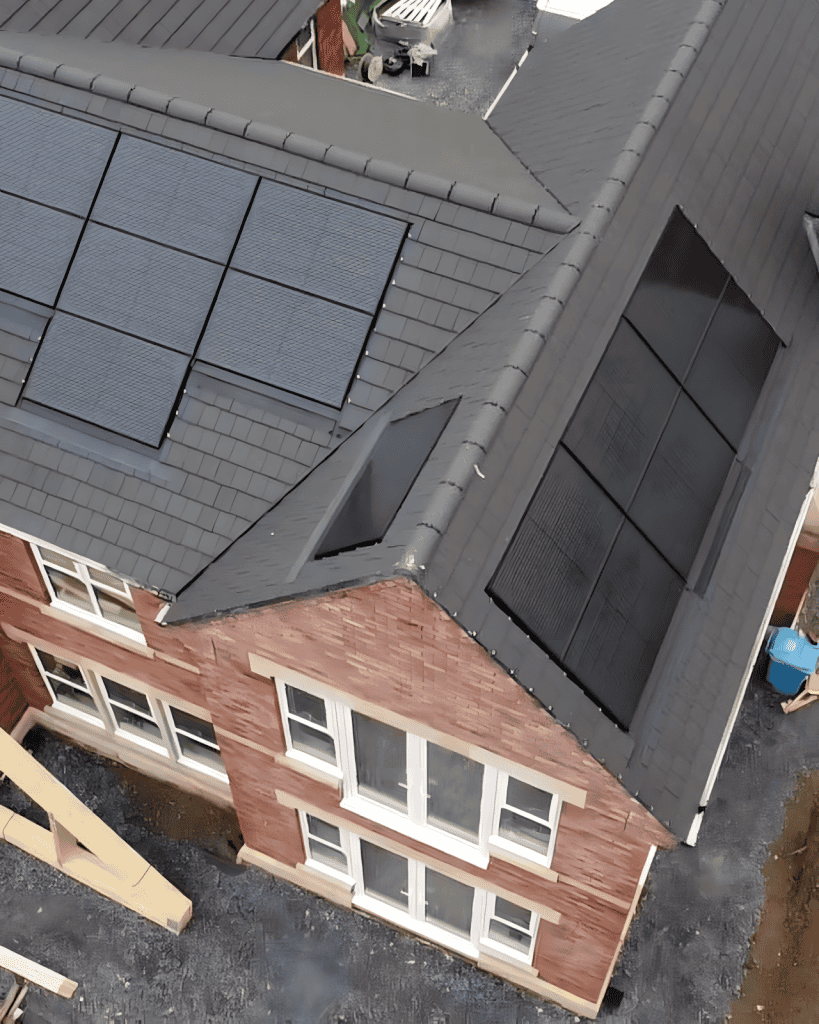
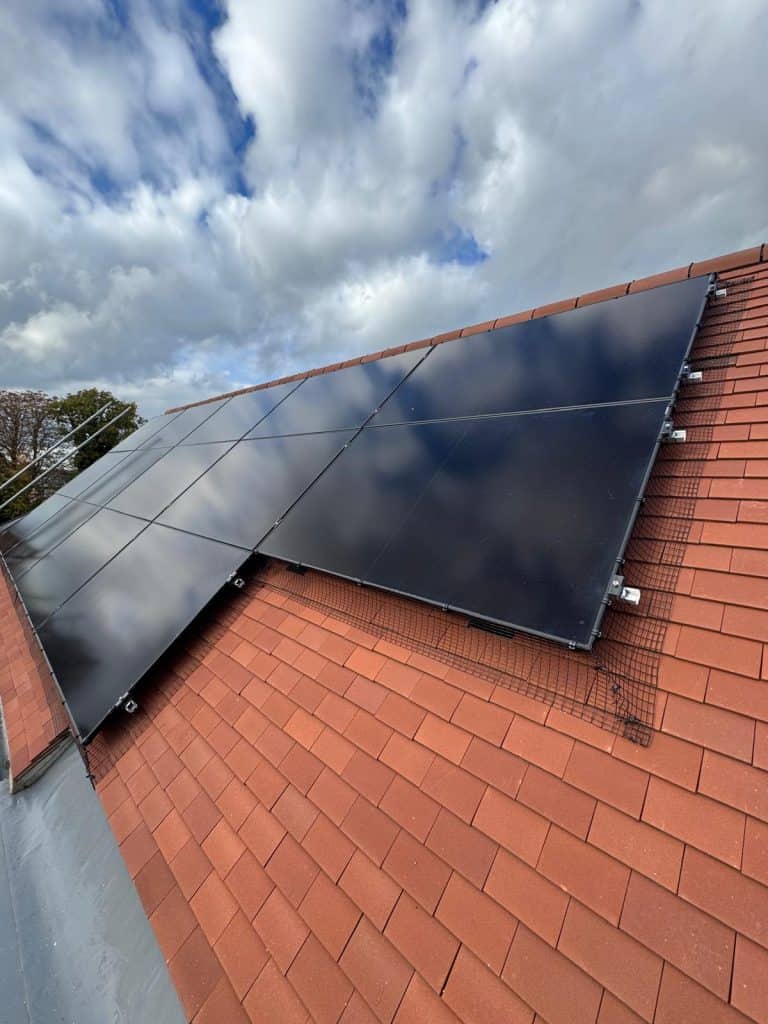
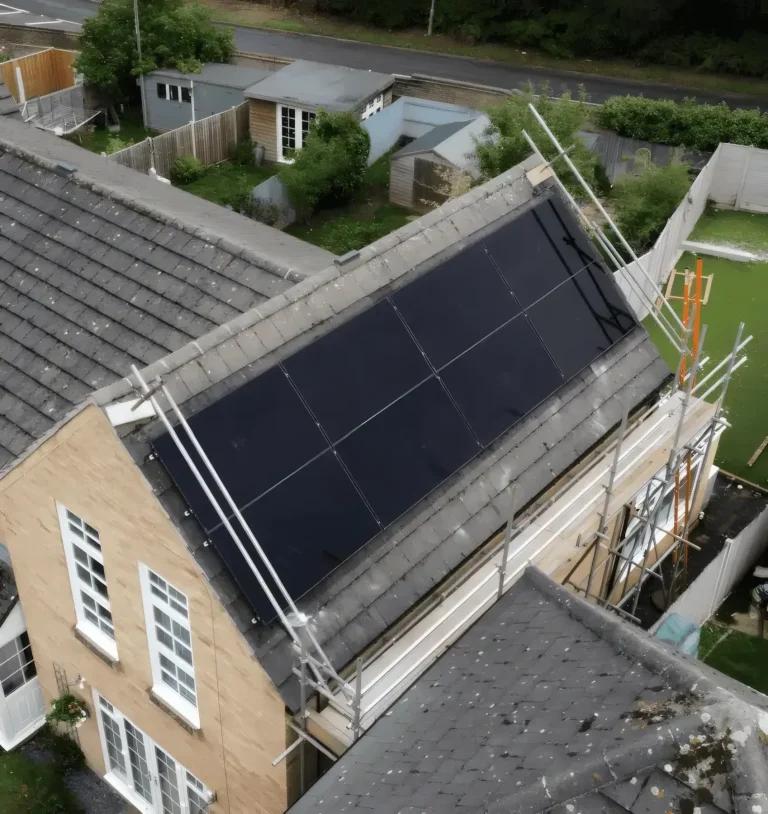
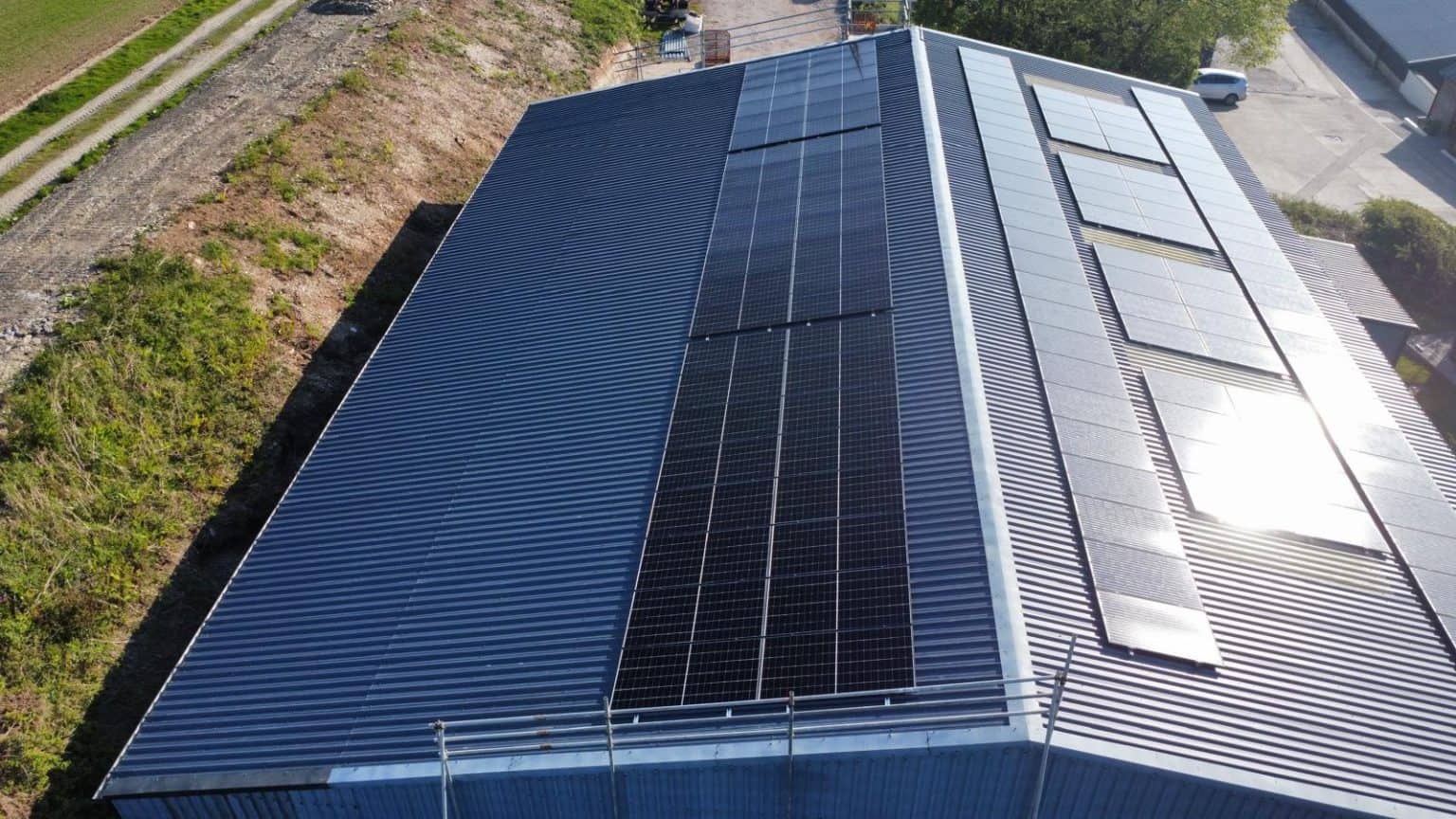
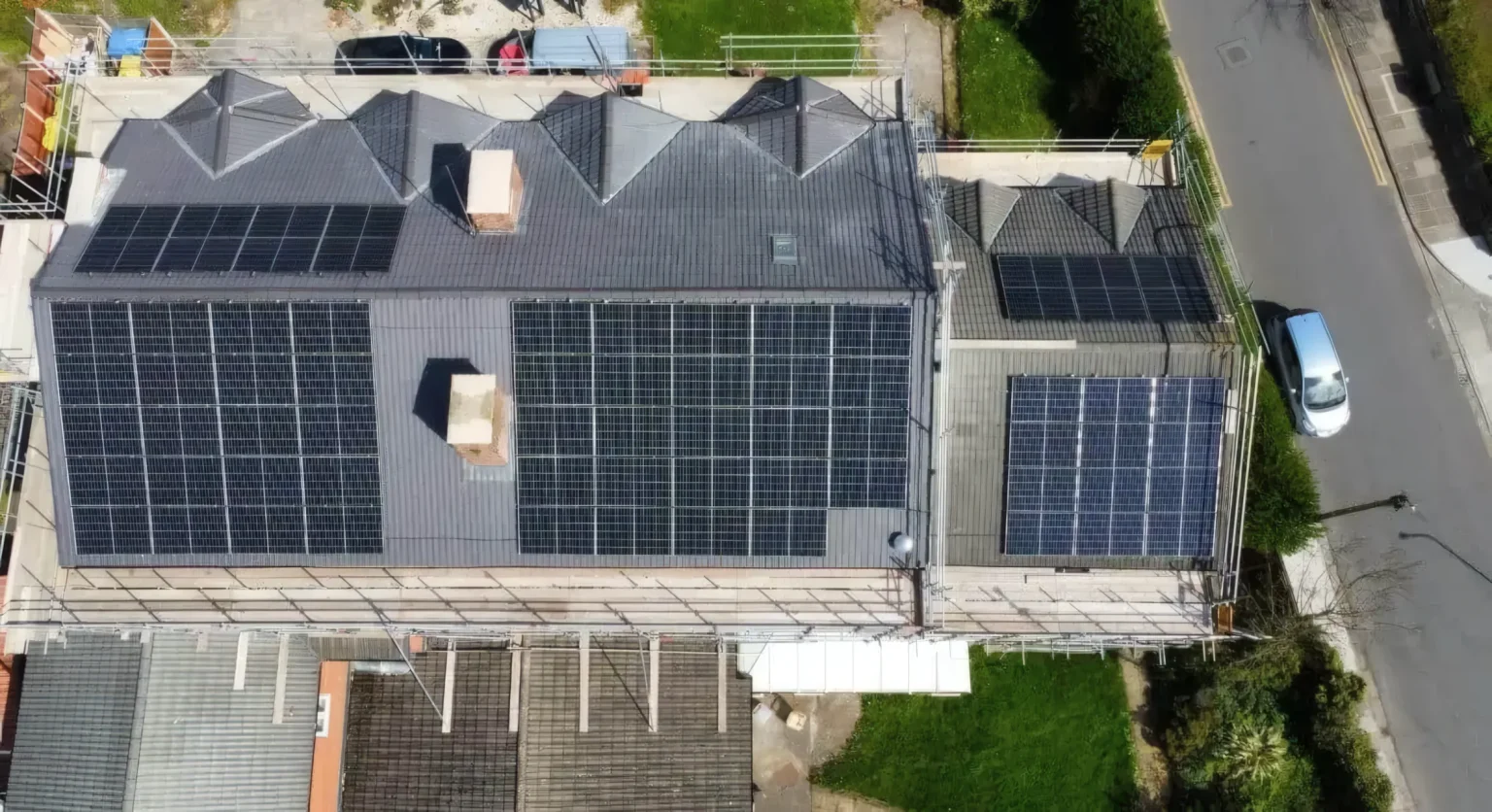
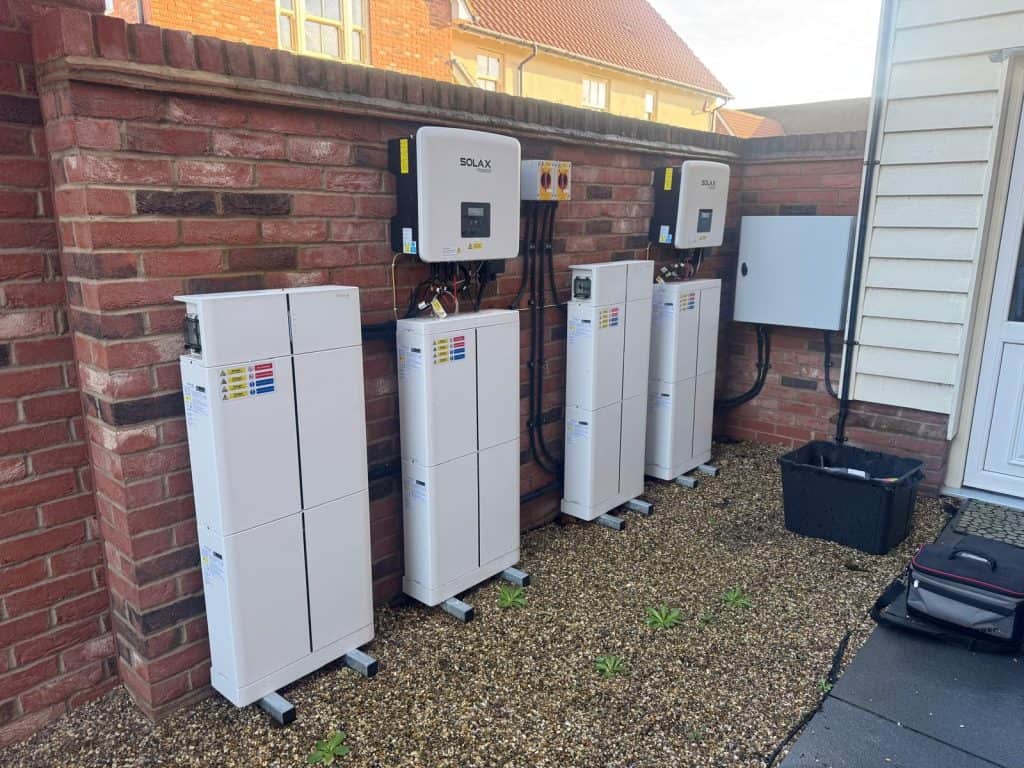
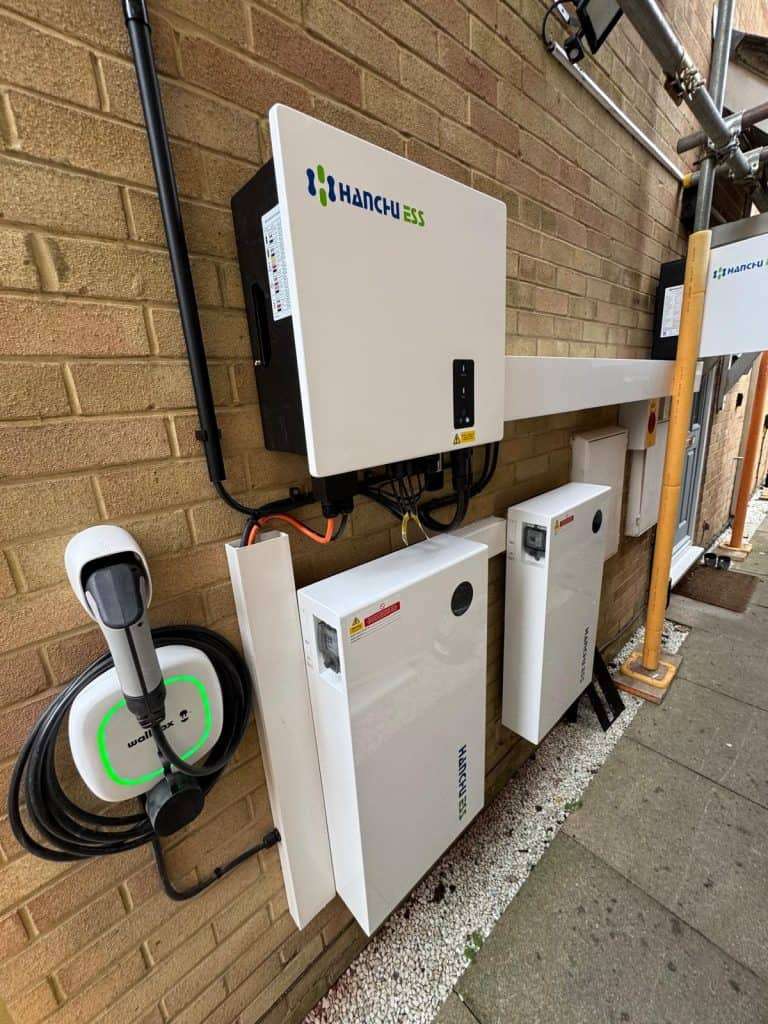
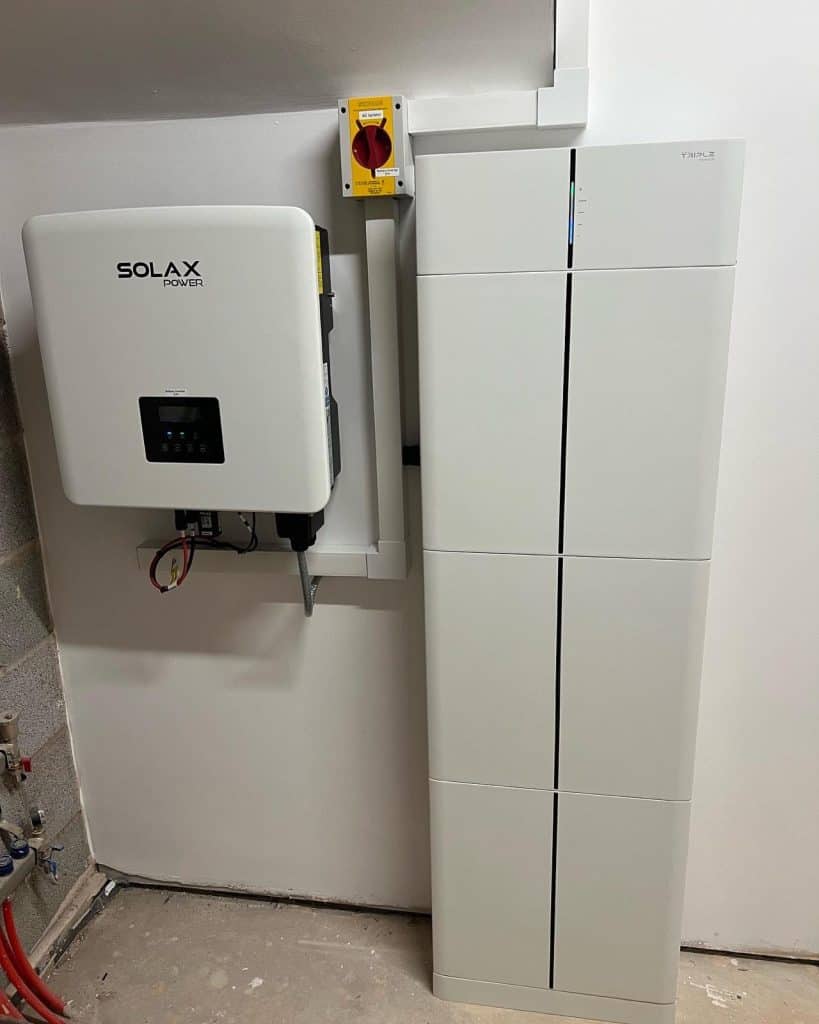
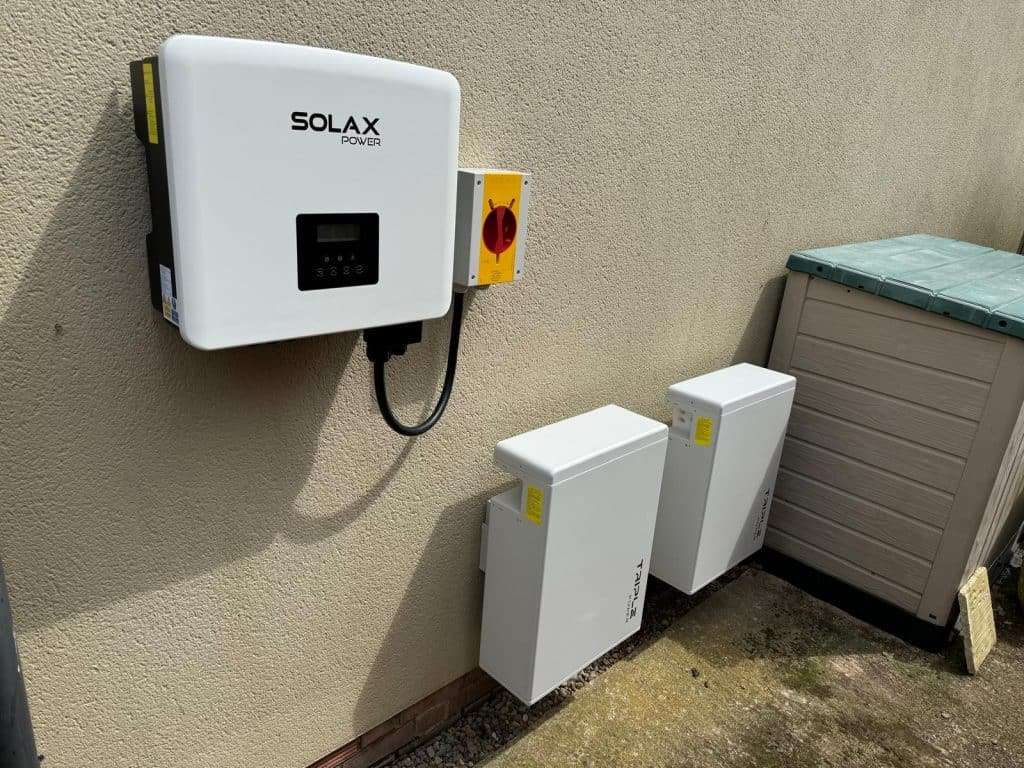
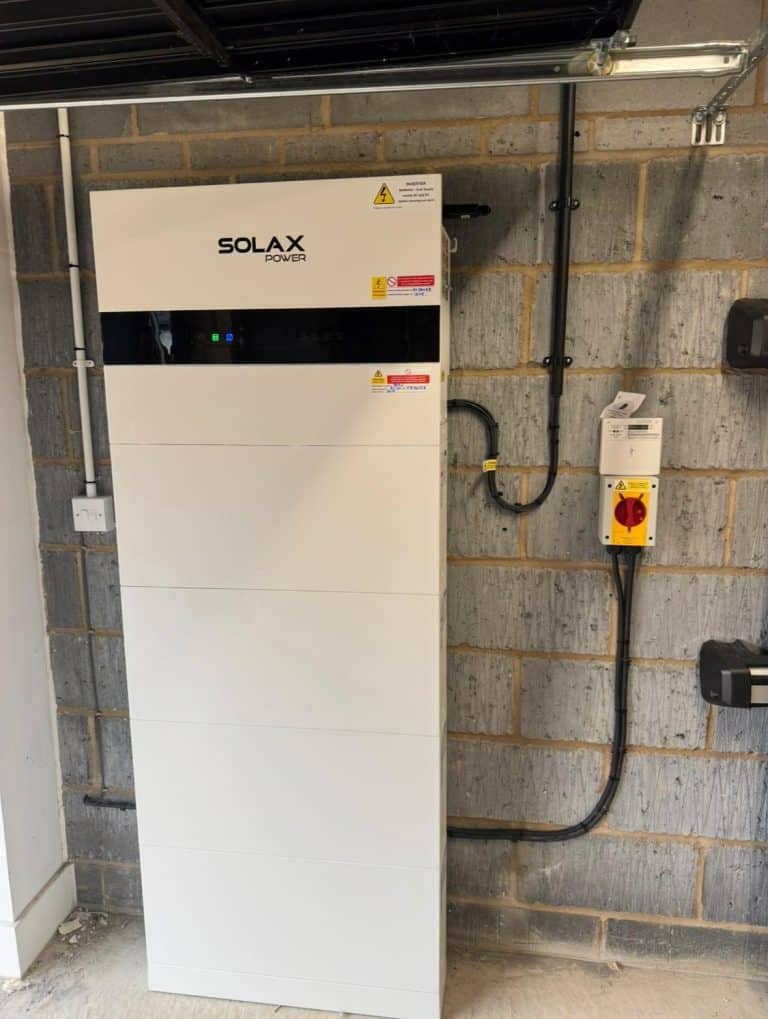
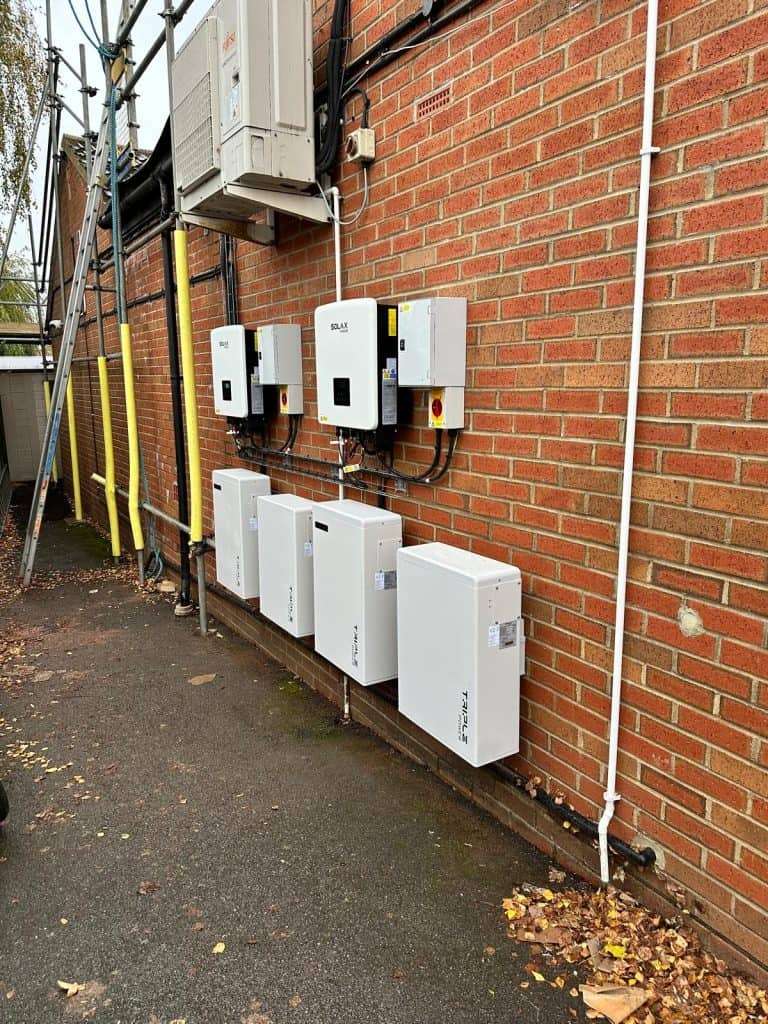
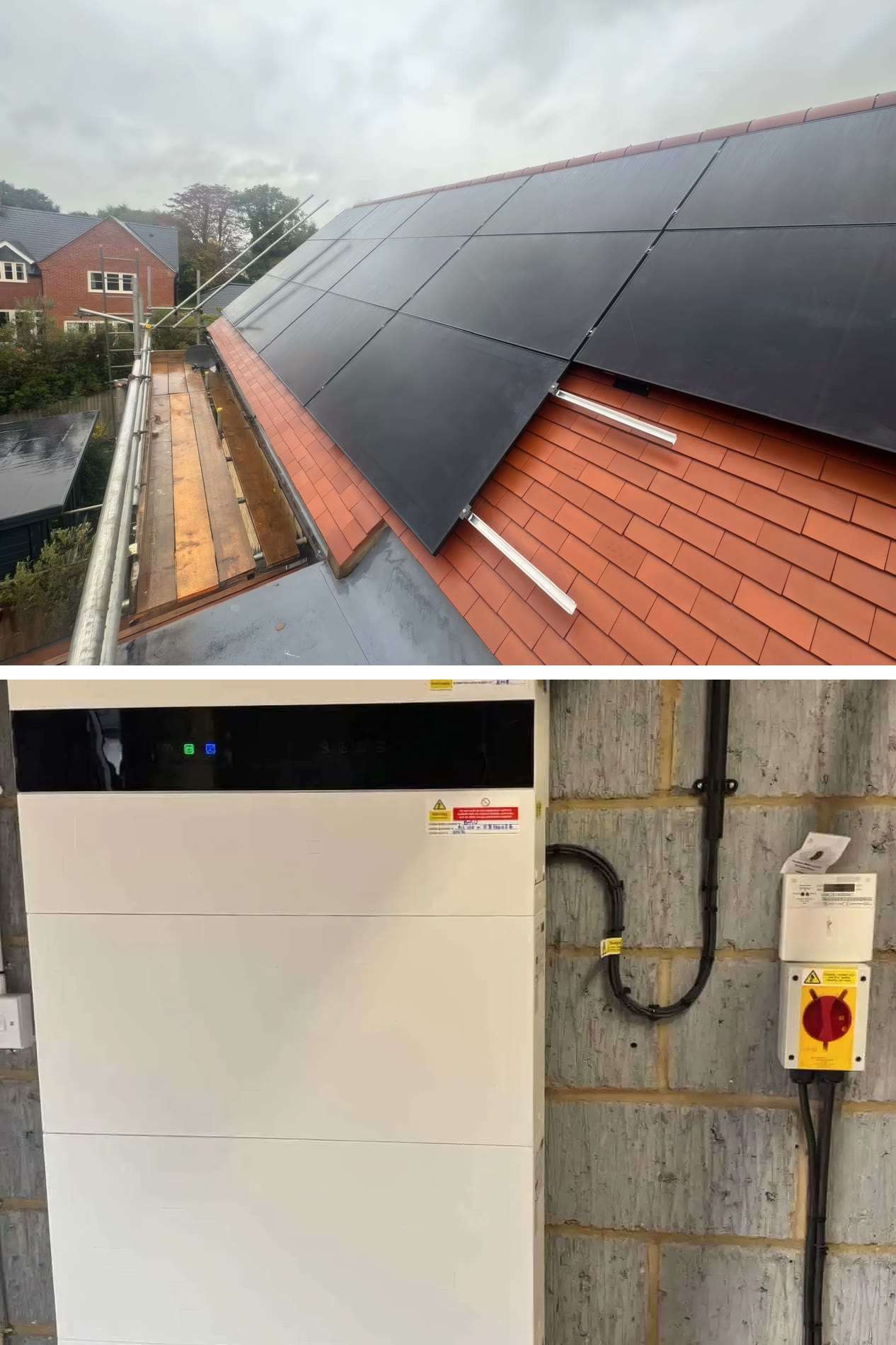
Richmond’s Georgian and Victorian terraces often sit in conservation areas, and few have a garage. The terrace roof aerial shows panels at that scale, and the tall indoor battery stack keeps storage inside the house.
Solar PV
Battery storage
Aftercare
Our Guarantees for Richmond Homeowners
5-year workmanship guarantee on every installation
Insurance-backed deposit and 2-year workmanship cover
Manufacturer warranty on panels and inverters
Connected and labelled to DNO standards
Monitoring walkthrough at handover, including your seasonal generation targets
Direct access to us after handover
Commissioning figures measured against the documented design
Named components from proven manufacturers, specified to match the design
Plenty of solar installers in Richmond will leave you with a set of panels and a login. We would rather hand over a document you can hold us to: a written design, an install that follows it, commissioning figures measured against it, and monitoring that lets either side check the claim months later.
Richmond FAQs
Common Questions About Solar Panel Installation in Richmond
Most domestic systems in Richmond fall between £4,000 and £14,000. The variables are panel count, scaffolding and access, mounting type, and whether a battery is included. Conservation area addresses and mansion flats near the Green tend to sit higher because of access and multi-plane layouts. You get the figure itemised, line by line, before there is anything to commit to.
Usually, but the deciding factor is how much of the output the household absorbs rather than sends back. Richmond homes with daytime occupancy, an EV on charge, or a heat pump running reach the 7 to 12 year payback range at the shorter end. A house that exports most of what it generates waits longer than one that uses it.
Many Richmond installations fall under permitted development, but this borough has extensive conservation areas and many listed buildings, so exceptions matter more here than in most places. Panels on a wall fronting a highway in a conservation area generally need an application, and listed buildings need consent regardless of plane. Our guide to solar panels on older homes covers the detail; we confirm your position at survey.
Most Richmond installs are on and off the roof within two to three days once scaffolding is up. End to end, allow a couple of weeks for scaffold scheduling and commissioning. Narrow terraced access adds time to the scaffold stage, not the electrical work, and we give you the dates before anything starts.
Often yes in Richmond, because usable roof area is frequently the limiting factor. A battery keeps midday output in the house instead of sending it out at export rates, and in winter it lets you buy overnight units at the cheap end of a smart tariff. It is still a numbers decision, so your Design Pack includes a capacity recommendation drawn from your evening load rather than a default size.
Yes, and it is the pairing that changes Richmond running costs most. A properly sized array offsets a meaningful share of heat pump electricity in the shoulder seasons, and both can sit on one smart tariff with a battery arbitrating between them. We install both, which means the array is sized against the measured heating load instead of an assumption.
Most are, though the usable plane is often not the obvious one. The survey checks orientation, pitch, shading from neighbouring buildings and mature trees, roof covering and structural condition. Slate and clay tile roofs common on Richmond’s Victorian stock need appropriate fixings and careful weatherproofing, and flats with shared roofs need the freeholder’s consent before design work goes far.
Two things set it: how many units you actually export, and what your supplier pays per unit. SEG rates differ sharply between suppliers and get revised often, so nobody can quote a reliable annual figure up front. Worth noting: a Richmond system sized tightly to consumption earns less from export because it saves you more at the meter. Suppliers only pay SEG where the system holds the certification the scheme requires.
Very little. Rainfall keeps panels reasonably clean, and an annual visual check plus an inverter review is enough for most Richmond installations. The real safeguard is the monitoring data: an output drop shows up against the seasonal target rather than going unnoticed for a year.
Twickenham is part of our area alongside Richmond. On Richmond’s conservation streets, an Article 4 direction can decide which roof planes take panels, so we establish that for each address first. Across the river, a Twickenham terrace usually has one narrow rear plane, and that plane sets the array size.
Get a Solar Survey for Your Home
If solar is on your mind, we’re more than happy to talk through your roof, your usage and the system design options for your home.
Panel layout
Predicted generation
Your self-use share
Itemised price


Get a Solar Survey & Design Consultation
We start with your electricity use and a survey of your roof. Both feed your Solar Design Pack: panel layout, predicted generation and an itemised cost.
Get My Free Solar Design Pack