



Heat Pumps
How to Choose a Heat Pump Installer in Berkshire and Surrey
By Adam Dare
Heat Geek trained installer
Updated 23 November 2026
Reading time
🎉 Named South East Heating Installer of the Year 2026
In Berkshire and Surrey, a heat pump is only as good as the company that designs and installs it. Almost every horror story you have read, the cold house in January, the electricity bill that doubled, the system that never worked properly, is not the technology failing. It is an installation failing. Undersized equipment, a flow temperature set too high, commissioning rushed in an afternoon, and no one answering the phone afterwards. The unit on the wall matters far less than the people who specified and fitted it. Choosing the right installer is the single most important decision you will make, and it matters more than choosing the right brand of heat pump.
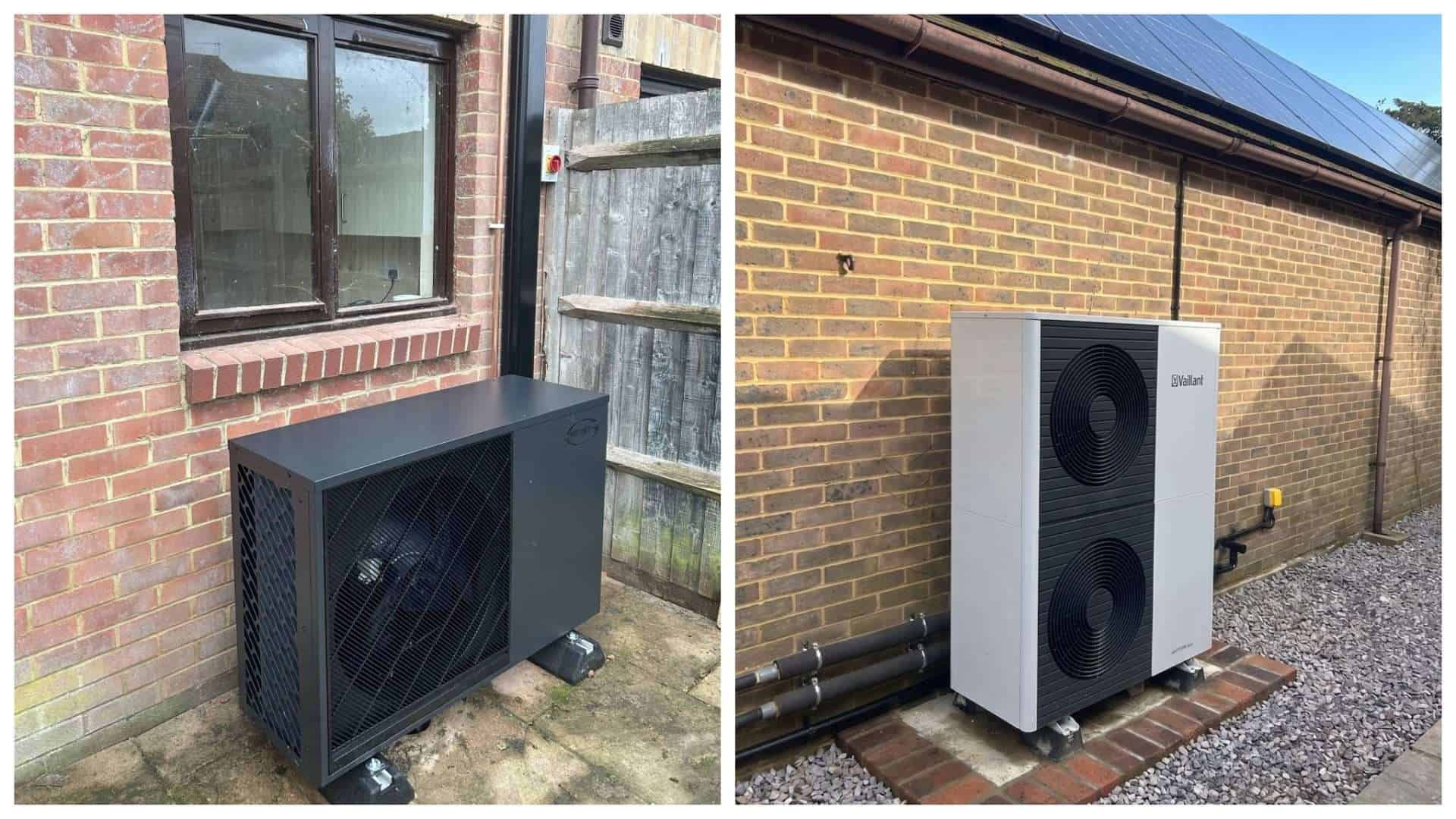
Here are the five checks that separate a great installer from an expensive mistake, and the warning signs that should make you walk away.
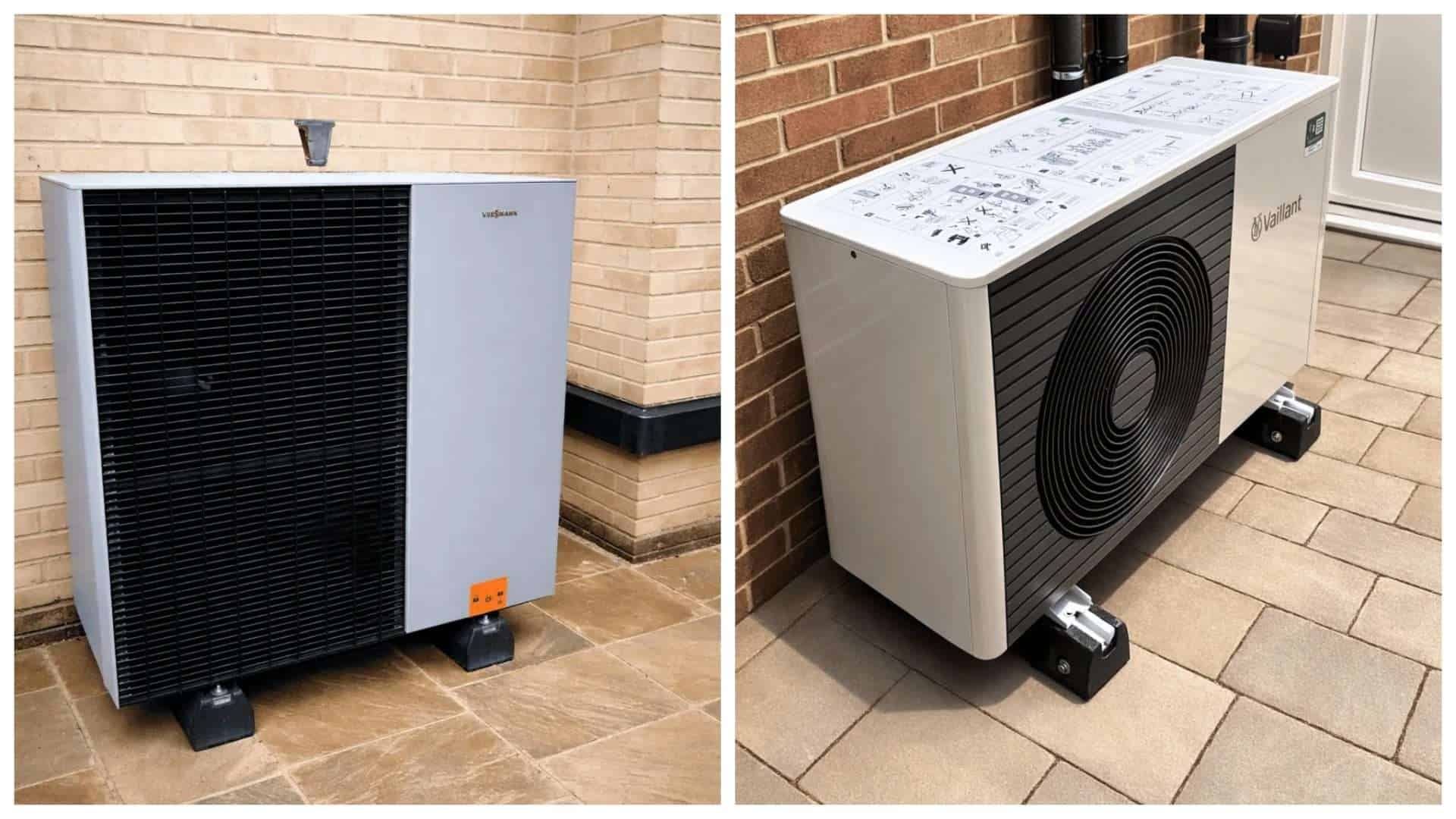
Take the same heat pump, the same model from the same manufacturer, and give it to two different companies to install. You can get two completely different outcomes. One home is warm, quiet and cheap to run. The other is lukewarm, noisy and costs a fortune. The hardware was identical. Everything that made the difference was the work around it. It’s also the reason behind why installer competence decides comfort outcomes.
That is because a heat pump is not a like-for-like swap for a boiler. A boiler is forgiving; it runs hot enough to paper over a lot of design sins. A heat pump runs at a low temperature and has to be matched precisely to the building: the heat loss of each room, the size of the emitters, the pipework, the controls, and the final balancing. Get that design right and the system quietly does its job for twenty years. Get it wrong and no amount of fiddling with the thermostat will fix it.
So when you compare quotes, you are not really comparing boxes. You are comparing the competence of the people doing the design. The five checks below are how you tell them apart.
See How an Installer Designs Before You Hire
Your free Blueprint shows the design work a good installer should do first: room-by-room heat loss, radiator schedule, flow temperatures and a hot water plan.
“Creating first a detailed heat loss report and then a system design to meet the requirements… The installation was neat and the new pipe work was a work of art… Adam also ensured the grant application, planning and certification were all dealt with and left behind a comprehensive data pack at the end of the job.”
Stephen Saunders, Google Review
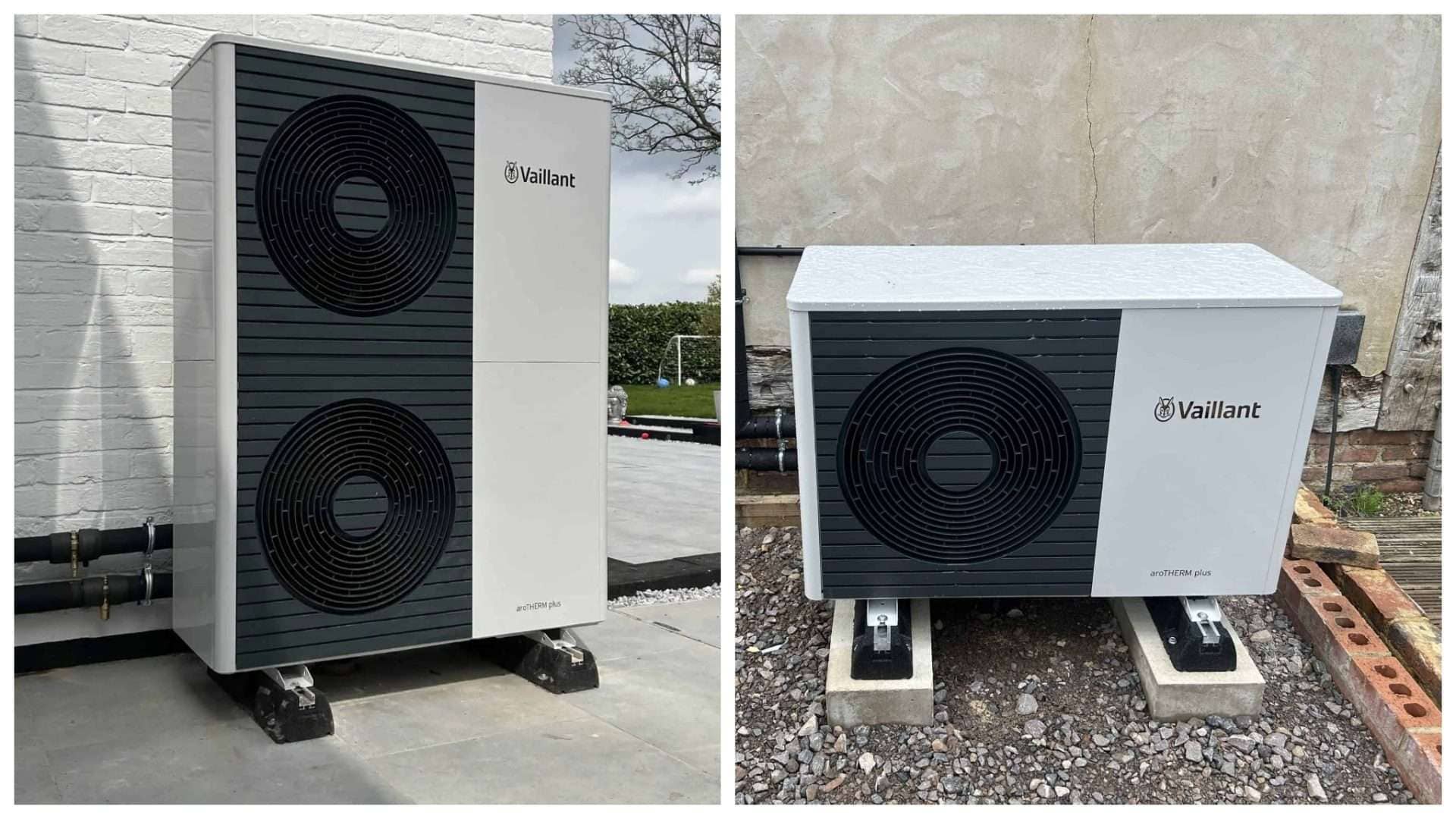
This is the non-negotiable one. Before any reputable installer gives you a fixed price, they should carry out a heat loss survey: measuring each room, its construction, its insulation, its windows, and calculating exactly how much heat it loses on the coldest day of the year. That calculation is the foundation of the entire design. It determines the size of the heat pump, which radiators stay and which are upgraded, and the temperature the system runs at.
Ask to see the calculation. A good installer will happily show you a room-by-room breakdown. If a company quotes you a heat pump size based on your floor area, the size of your old boiler, or the number of bedrooms, they are guessing, and a guess is how you end up with a system that is too small for the cold snaps or too big and short-cycling the rest of the year. The survey is also what turns the radiator question into a fixed answer rather than an open one, as our guide to whether you need new radiators explains.
A proper survey takes time, often a couple of hours in the property. That time is the best predictor of how the finished system will perform.
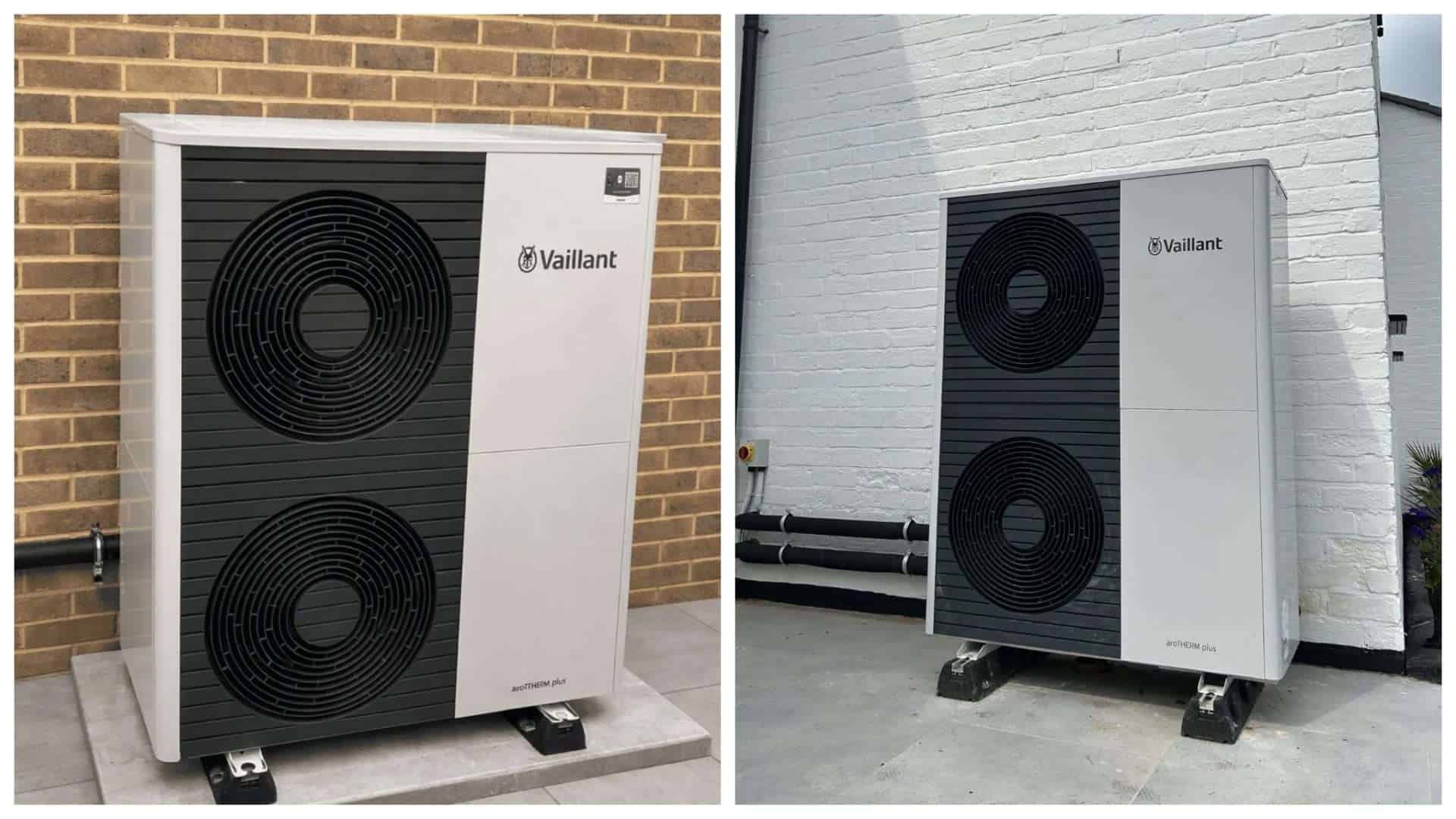
Certifications are easy to list on a website and harder to understand. Here is what the ones that matter actually tell you.
MCS (the Microgeneration Certification Scheme) is the baseline. An MCS-certified installation is required to claim the £7,500 Boiler Upgrade Scheme grant, so without it you lose the grant entirely. MCS also sets standards the installer must work to and is audited against. You can check any company on the MCS register. Gas Safe registration matters too, because removing your old gas boiler safely is a gas job, and you can verify an engineer on the Gas Safe Register.
Beyond those two, manufacturer accreditation means the installer is trained and approved on the specific equipment they fit, which often unlocks longer warranties. Heat Geek certification is a useful additional signal, because it marks out installers trained specifically in low-temperature, design-led system design rather than simple box-swapping. None of these badges guarantees a perfect job on their own, but the absence of MCS and Gas Safe should end the conversation.
Put a Certified Installer’s Design in Writing
Certificates tell you who can install, and the Blueprint shows you how we would design yours, with heat loss, radiators and flow temperatures set out.
“He is incredibly knowledgeable about heat pumps… Adam was able to ensure the system was spec’d exactly as it needed to be to work most efficiently. I was able to leave Adam the keys and he and his team worked diligently and quickly to get the work done… Adam has also been available for follow up and support.”
Gerard Barron, Google Review
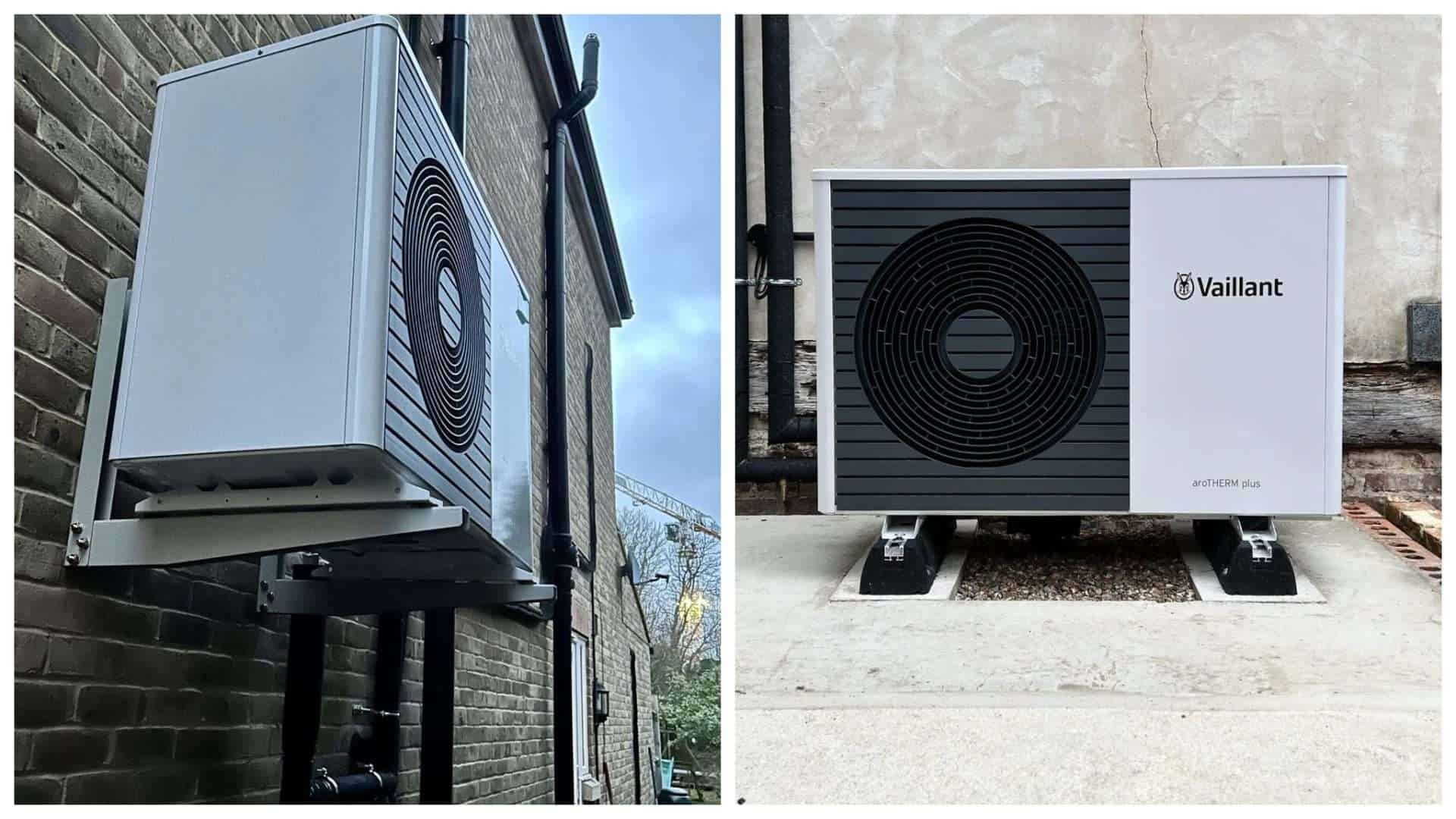
This is the step most installers rush, and the one that quietly decides your running costs. Commissioning is the work done at the end of the installation to balance the system and set it up correctly: getting the flow temperature as low as it can go while still keeping the house warm, balancing the emitters, and configuring the controls and weather compensation. A heat pump that is installed but not properly commissioned will heat your home and empty your wallet, because it will be running hotter than it needs to.
What commissioning should cover
Ask any installer directly: how long do you spend commissioning, and what figures do you set the system to? The best installers treat commissioning as a distinct, unhurried phase, setting the flow temperature and weather compensation to the heat loss design rather than leaving factory defaults. An installer who packs up the moment the system fires is leaving efficiency, and your money, on the table. This single factor has more influence on running costs than almost anything else, which is worth remembering when you compare quotes on price alone.
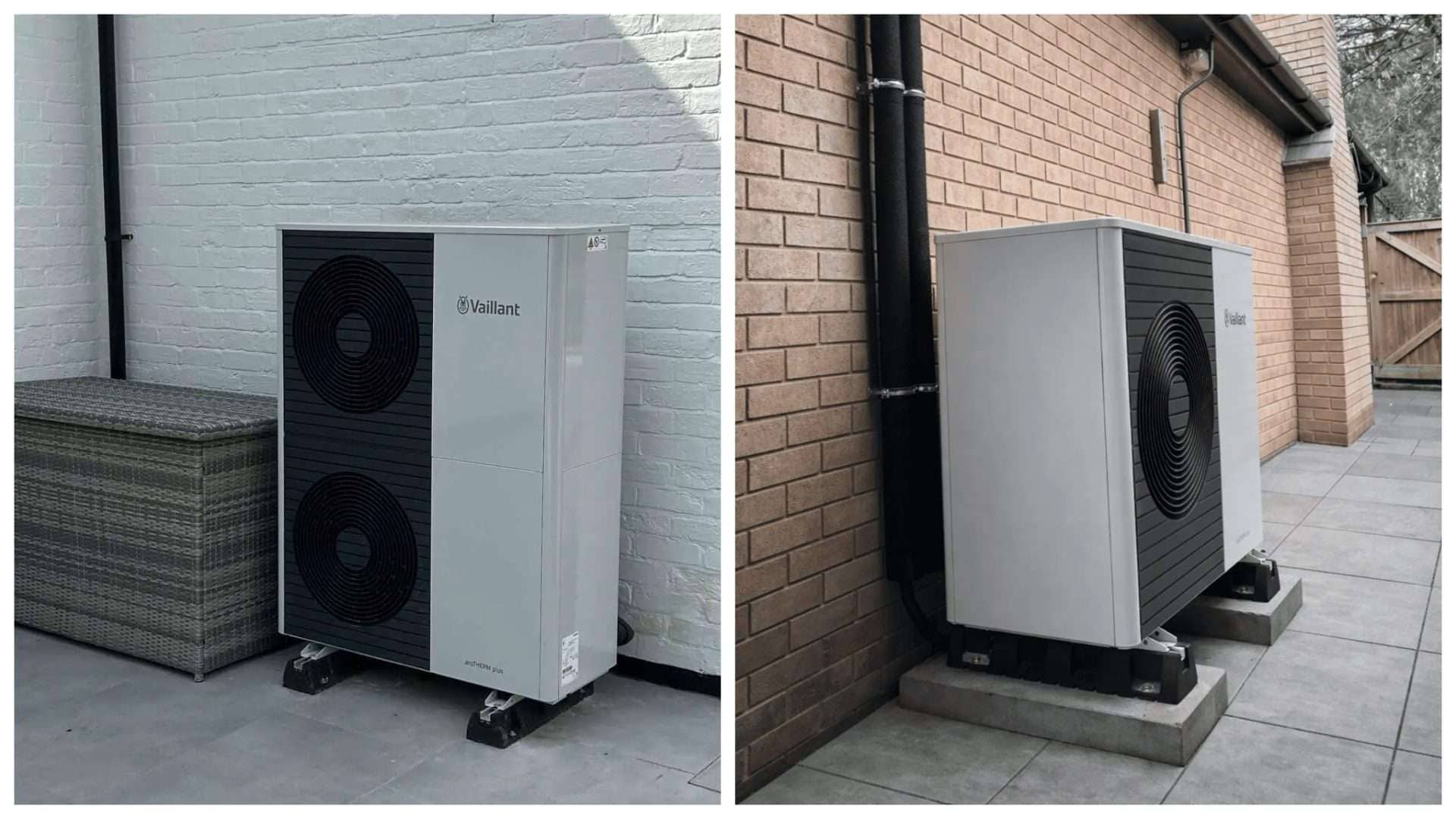
A good installer tells you exactly what you are buying before any work starts. The quote should set out the heat pump and cylinder, every radiator being changed, the pipework, the controls, the grant handling, and the price, as a defined scope. You should not be agreeing to an open-ended arrangement where the cost climbs as the job goes on.
What the quote should set out
This is where the room-by-room survey pays off again: because the design was done properly up front, the scope can be fixed up front. Be wary of a vague or verbal quote, or a price that seems suspiciously low and arrives without a survey, because that is the profile of a job that grows once the installer is committed and you are too far in to walk away. A clear scope is not just about cost. It is a sign the company actually knows what the job involves.
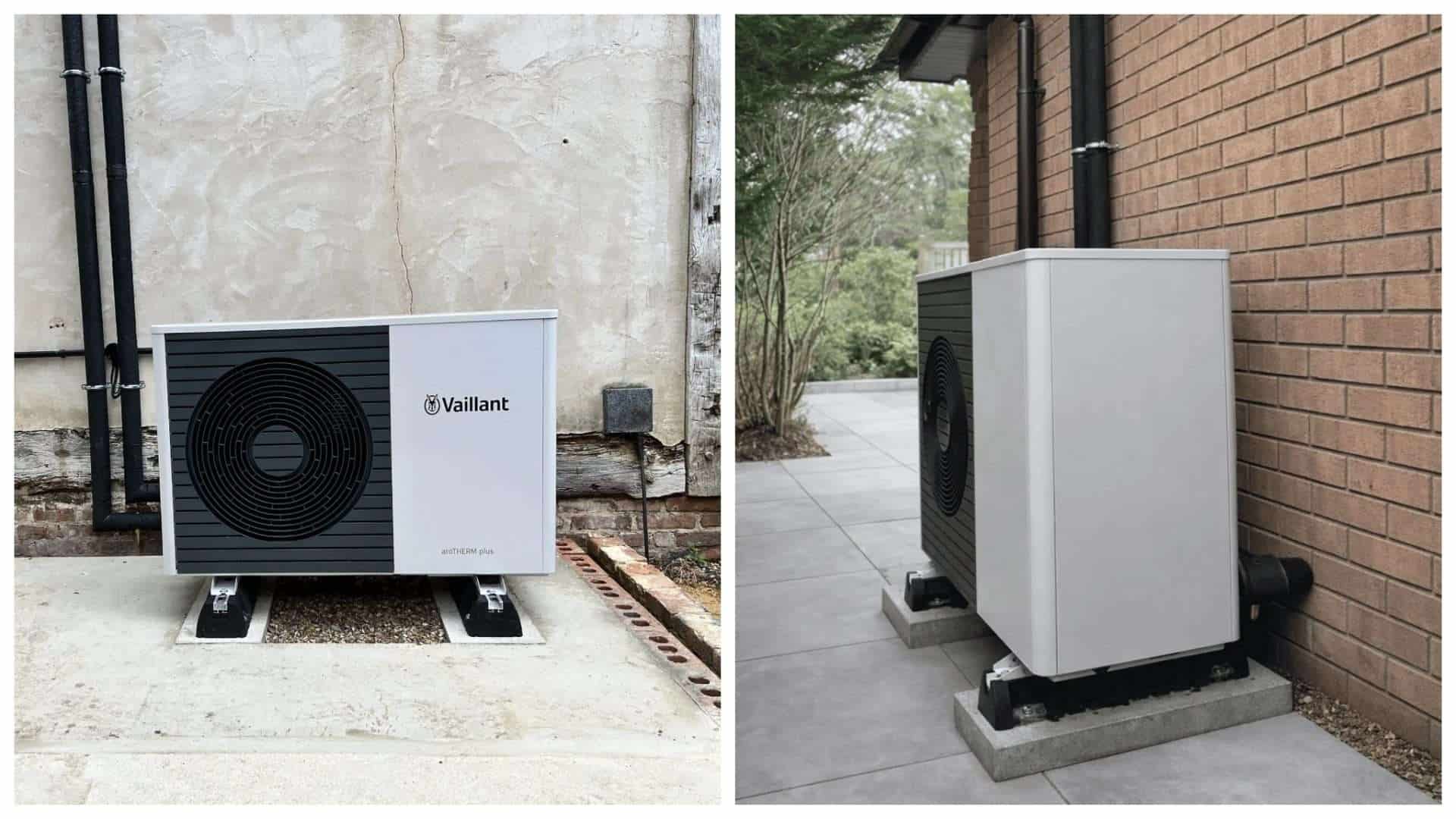
The work does not end at handover, and neither should the relationship. A heat pump is a twenty-year system, and you want to know that the people who installed it will still be there if you have a question in eighteen months, or if something needs adjusting after the first winter.
Ask what happens after the install. Is there monitoring of how the system performs? What does the warranty cover and who honours it? Who picks up the phone if you need them? This is also where a company’s track record matters most. Look for reviews that mention what happened after the installation, not just during it, and for customers who have been with the same installer for years. Longevity and repeat custom are hard to fake, and they are the clearest sign that an installer stands behind their work. The fear of being abandoned after the cheque clears, or stranded if a fly-by-night outfit disappears, is a real one, and the antidote is a company with a visible, long-term local presence.
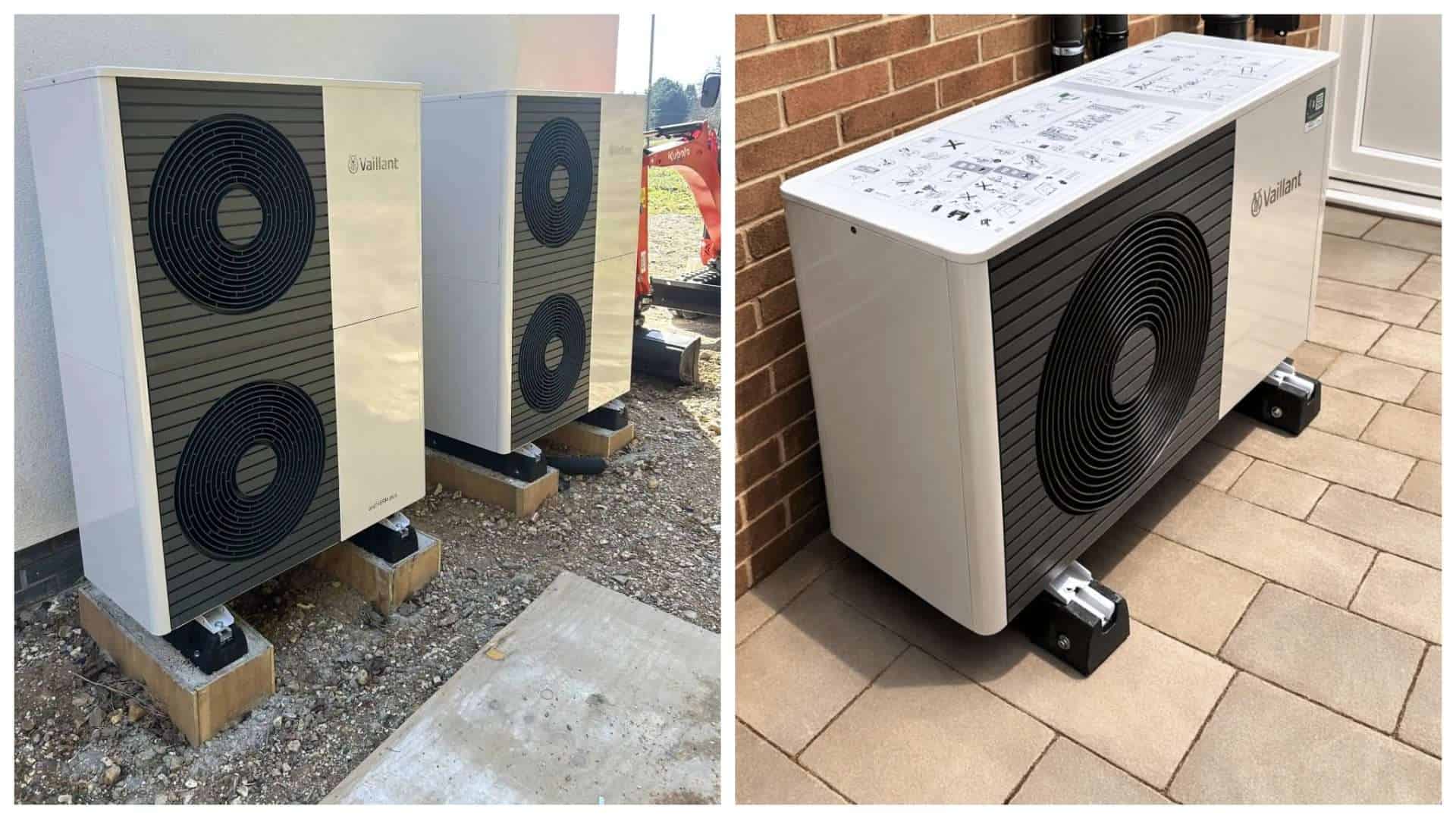
If you remember nothing else, remember these. Walk away from an installer who:
Most of what goes wrong with heat pumps is not exotic. It is one or more of these basics being skipped to win a job on price. The right installer does all of them as standard, and is happy to prove it.
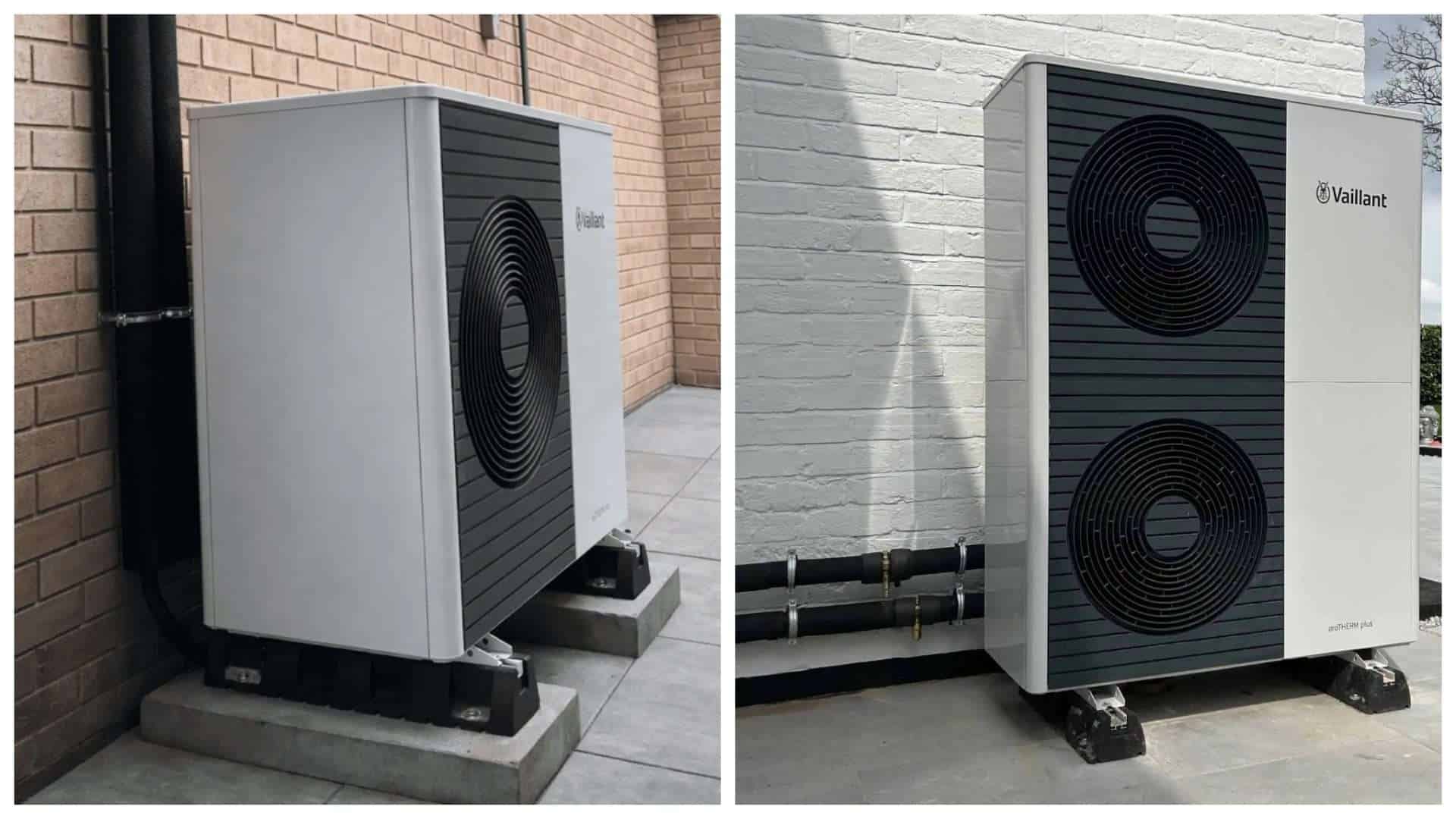
Judge them on five things: a proper room-by-room heat loss survey before any quote, the right certifications (MCS and Gas Safe at minimum), a real commissioning and optimisation plan, a clear fixed scope and price, and genuine post-install aftercare. An installer who does all five will perform far better than one chosen on headline price alone.
MCS certification is essential, because it is required for the £7,500 Boiler Upgrade Scheme grant and sets audited quality standards. Gas Safe registration is needed to remove your old gas boiler safely. Manufacturer accreditation and Heat Geek certification are valuable additional signals of design-led training, but MCS and Gas Safe are the baseline you should not go without.
Ask to see the room-by-room heat loss calculation behind their quote. Ask how long they spend commissioning the system and what figures they set it to. Ask exactly what the fixed scope and price include, including any radiator changes. And ask what aftercare, monitoring and warranty support you get once the system is running.
MCS certification is required to claim the Boiler Upgrade Scheme grant of £7,500, so using a non-MCS installer means losing the grant entirely. It also means the installer works to a set of audited standards. You can check any company’s certification on the public MCS register before you commit.
The clearest warning signs are a quote produced without a heat loss survey, no MCS certification, a system sized from floor area or old boiler size rather than a proper calculation, a vague or shifting scope, no detail on commissioning, and no aftercare or long-term reviews. Any one of these is a reason to be cautious; several together is a reason to walk away.
Significantly. The design and commissioning done by the installer are the single biggest lever on a heat pump’s efficiency. A well-designed system running at a low flow temperature can cost far less to run than the same equipment installed and commissioned poorly, which is why choosing on competence rather than headline price usually saves money over the life of the system.
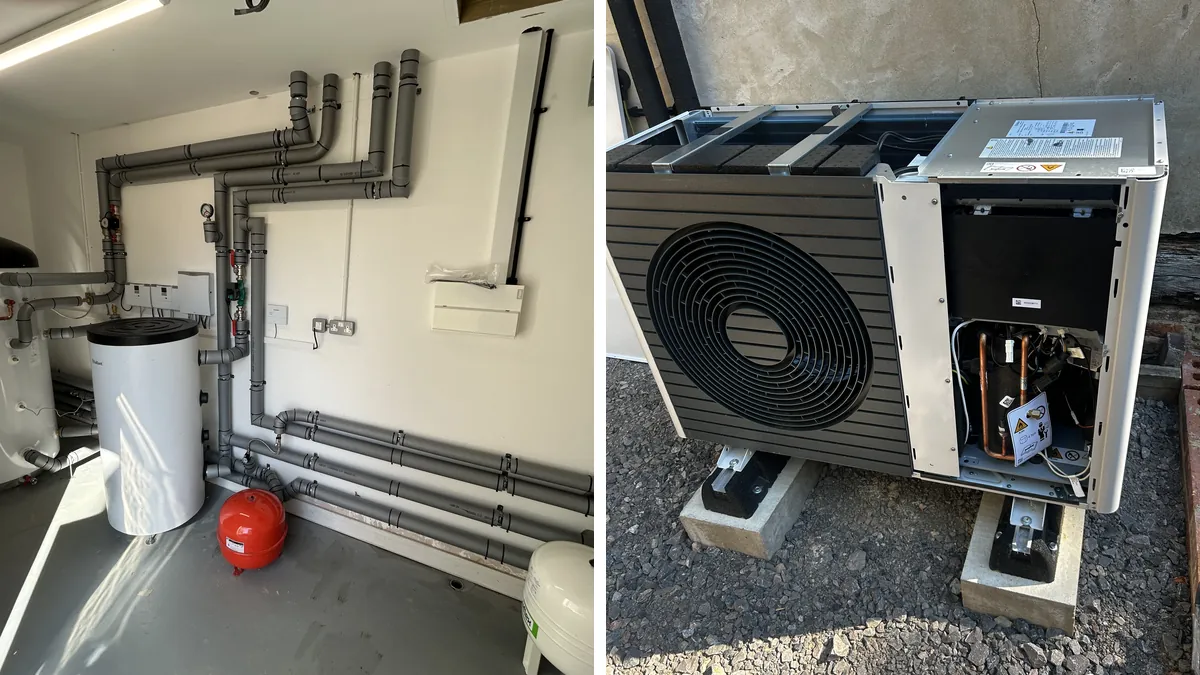
Every check in this guide, a room-by-room heat loss survey before any quote, MCS and Gas Safe certification, Heat Geek training, proper commissioning and optimisation, a clear fixed scope, and real aftercare, is exactly how Eco Renewables works as standard across Berkshire and Surrey. The approach is engineered, not installed: the system is designed around your specific home, costed in full before you commit, and supported long after handover.
If you are still weighing up the decision itself, our heat pump versus gas boiler comparison lays out the case honestly.
When you are ready to see what a properly designed system looks like for your home, a survey and air source heat pump installation Blueprint gives you the room-by-room design, the fixed scope and the costs.
We install across Berkshire and Surrey.
More guides from the Eco Renewables blog on the same topic.
24 November 2026
Read the guide
24 November 2026
Read the guide
24 November 2026
Read the guideEco Renewables are trusted by homeowners throughout Berkshire and the South East to provide high-quality heat pump heating system installations.
If you're considering a heat pump, the survey is where it starts. We assess the property, run the heat loss calculations, and tell you exactly what the system would look like.
Get My Free Heat Pump Blueprint


