



Heat Pumps
R290 Heat Pumps for Berkshire and Surrey Homes: What the Propane Refrigerant Means for Safety, Siting and Your Radiators
By Adam Dare
Heat Geek trained installer
Updated 24 November 2026
Reading time
🎉 Named South East Heating Installer of the Year 2026
An R290 heat pump runs on propane sealed inside the outdoor unit, and R290 refrigerant carries a global warming potential of 3 on Grant’s figures, against 675 for the R32 in its older range. If you own a 1960s to 1980s detached house in Berkshire and Surrey and are comparing datasheets, that line decides where the unit may stand and how hot it can run your radiators.
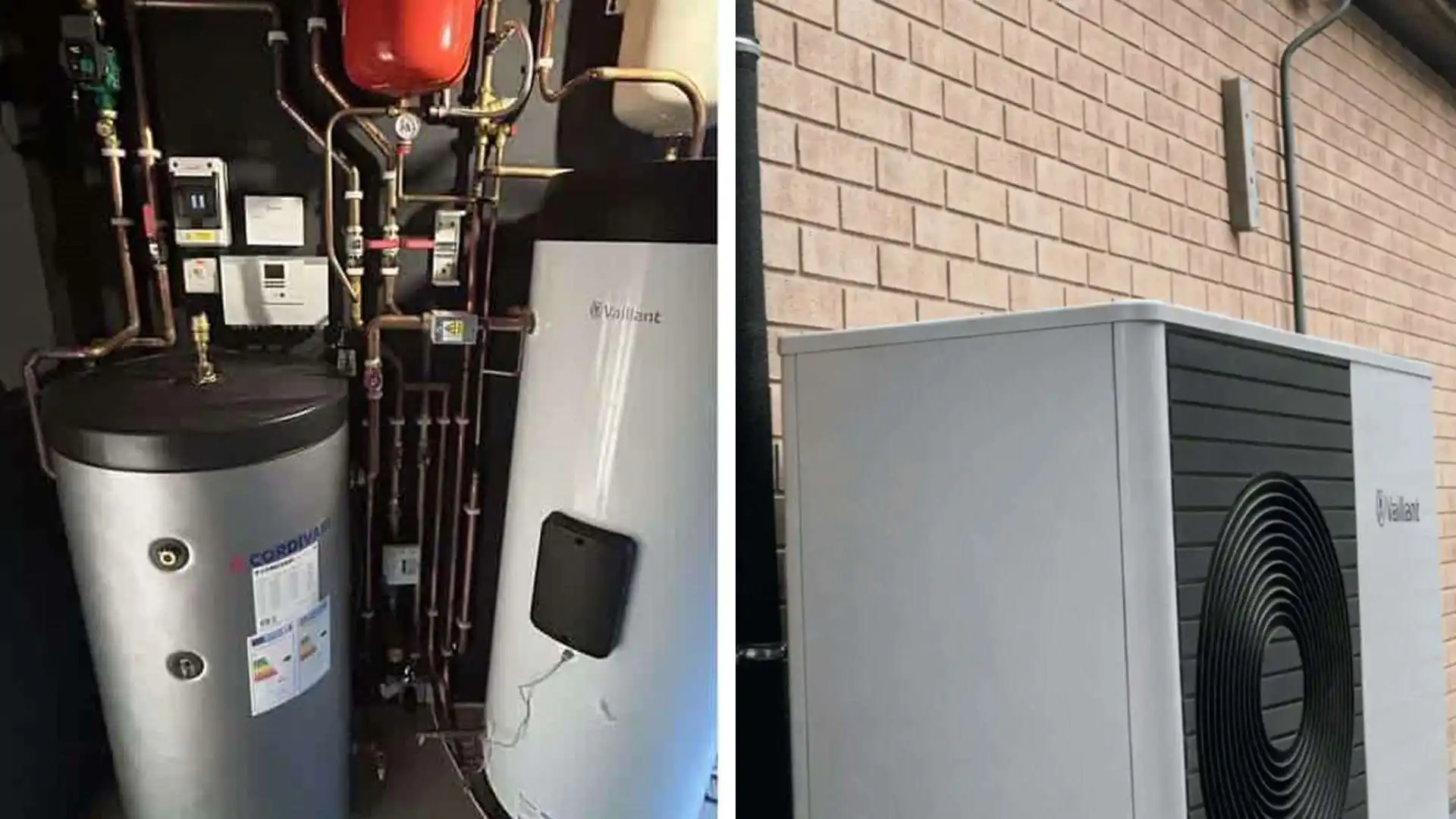
We’re an MCS certified heat pump installer in Binfield. Every figure below comes from the makers’ own UK manuals and datasheets, the trade body FETA or gov.uk, read on 24 November 2026, so you can hold each one against the quote in front of you.
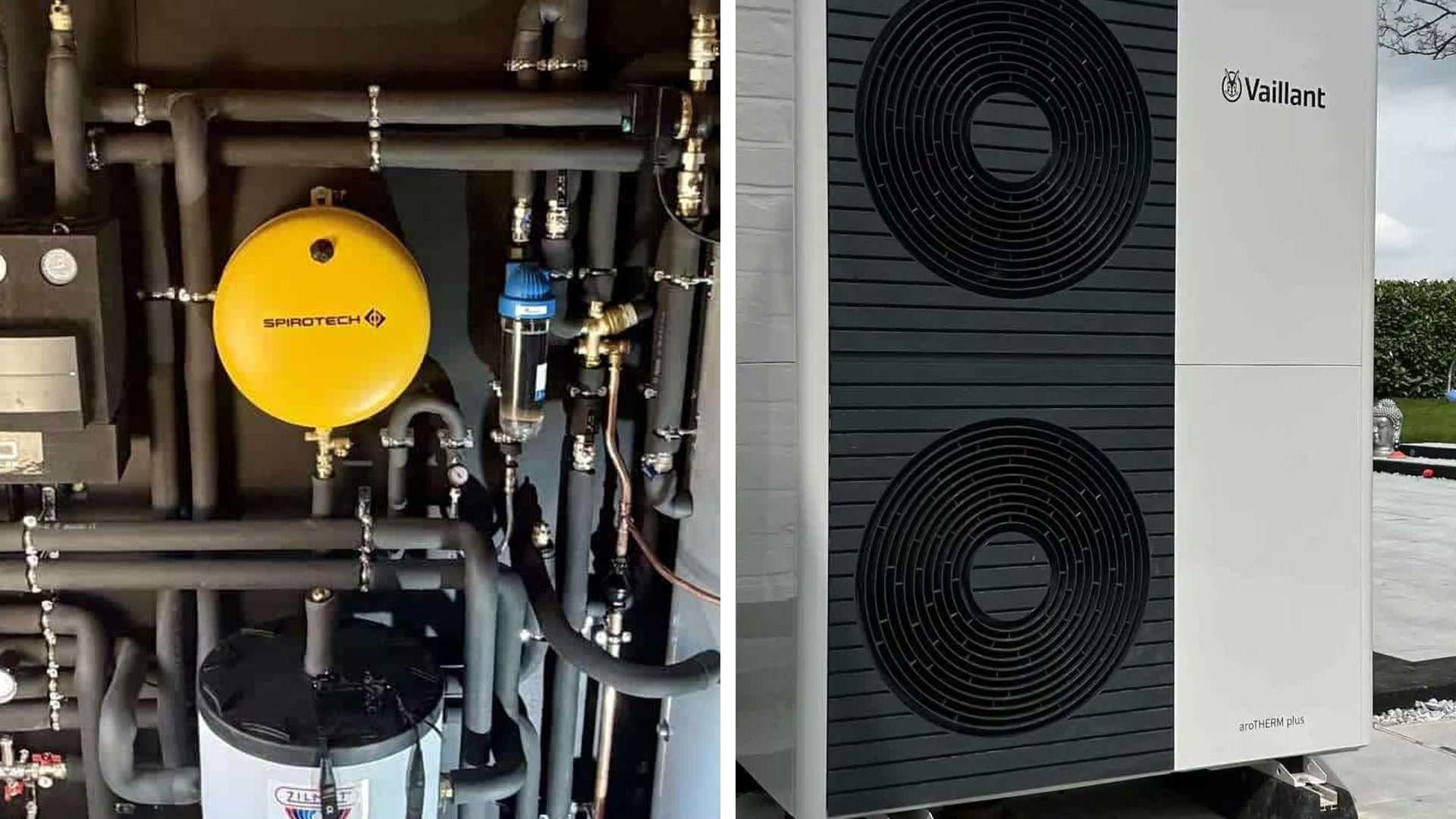
R290 is the technical name for propane in a highly pure form, without the smell added to bottled gas, according to Vaillant. A heat pump refrigerant boils at a low temperature, which lets the outdoor unit draw heat from cold air. Vaillant credits propane with very good efficiency, and its climate figure is tiny next to the gases it replaces.
Global warming potential of three heat pump refrigerants
2,088
R410A, the refrigerant in Vaillant’s earlier aroTHERM
675
R32, in Grant’s Aerona³ range
3
R290, in Grant’s Aerona 290; Vaillant’s UK page now gives 0.02 as R290’s 100-year figure
Source: Vaillant guide to refrigerants and Vaillant UK R290 page; Grant R32 guide (updated June 2025). Read 24 November 2026.
On gov.uk’s list of F gas bans, updated 27 August 2026, the heat pump table bans F gases above a GWP of 750 in single split systems holding under 3kg from 2025, and exempts air-to-water single splits. The list does not name R32, and Grant still sells its R32 Aerona³. Vaillant’s guide links the move to a propane heat pump to stricter environmental rules, above all in the European Union.
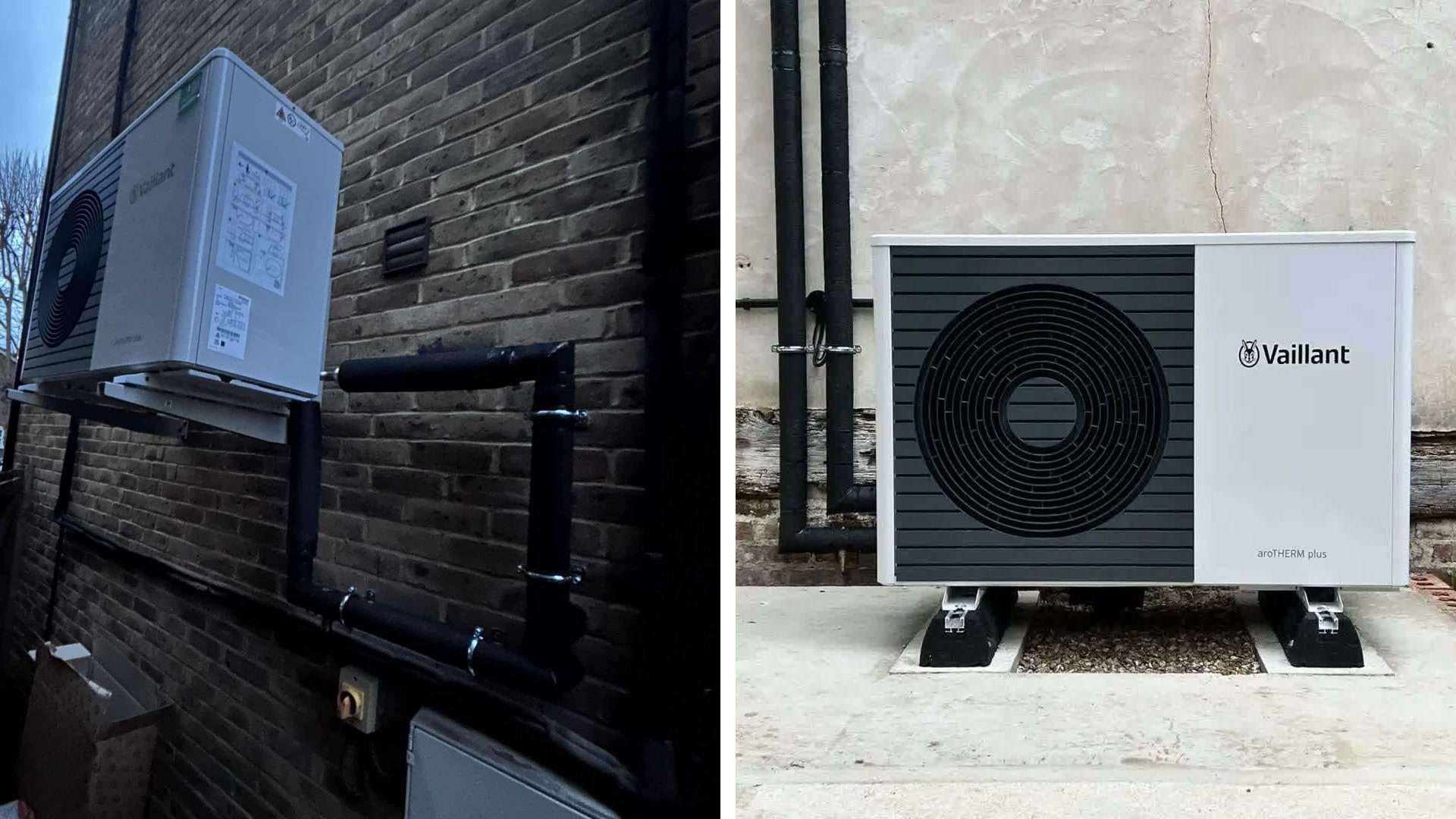
The fairest test keeps the maker the same. Grant sells both refrigerants, so its two UK installation manuals give a like-for-like R290 vs R32 view of an R32 heat pump and its propane successor.
| Factor | Grant Aerona 290 (R290) | Grant Aerona³ (R32) |
|---|---|---|
| Global warming potential | 3 | 675 |
| Safety class (ISO 817) | A3, higher flammability | A2L, lower flammability |
| Refrigerant charge, smallest to largest model | 0.61 to 1.65 kg | 0.80 to 2.80 kg |
| Heating flow temperature | 25 to 75°C | Up to 60°C in heating mode |
| Where the refrigerant sits | Sealed in the outdoor unit (monobloc) | Sealed in the outdoor unit (monobloc) |
| Refrigerant safety zones in the manual | Ignition, ventilation and drain zones | None listed |
On Grant’s two ranges, R290 brings the lower climate figure and the higher flow ceiling, and it asks for more care about what sits round the unit, because propane is more flammable than R32. An R32 unit is still a sound choice, and a well-designed R32 system can heat a house better than a badly designed R290 one.
See Which Ceiling Your House Needs
Your Blueprint sets the flow temperature for your coldest day against that table, so you can see whether the gap between 60°C and 75°C matters in your house.
“As a result Adam was able to ensure the system was spec’d exactly as it needed to be to work most efficiently.”
Gerard Barron, Google Review
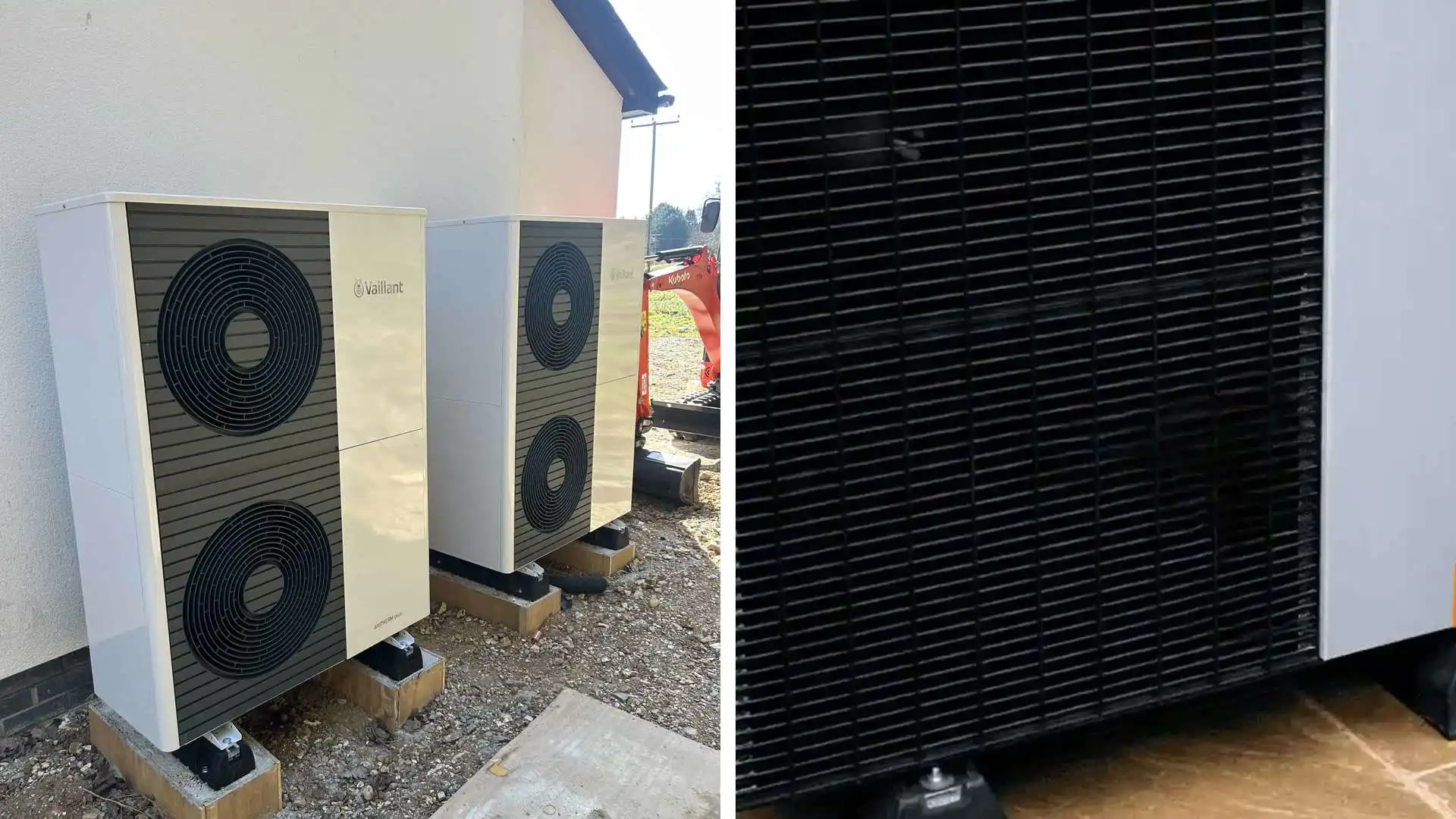
Propane sits in ISO 817’s A3 class, the top flammability band, and that class is why R290 units come with siting rules. Vaillant’s guide compares R290 with R600a, isobutane, and notes that the two A3 gases have filled fridges, dehumidifiers and tumble dryers for years. A heat pump holds more: Vaillant’s aroTHERM plus carries 600 g to 1,300 g of R290.
600 g to 1,300 g
The R290 charge in Vaillant’s aroTHERM plus, more than the fridges, dehumidifiers and tumble dryers that have run on A3 gases for years.
In a monobloc unit the whole refrigerant circuit sits in the outdoor case, filled and sealed at the factory, and only water pipes run into the house. Vaillant leak tests every aroTHERM plus before delivery. Escaped propane is heavier than air and gathers near the ground, so Grant’s manual keeps doors, openable windows, drains and spark sources out of set zones round the unit.
The same weight means an R290 unit needs open air round it. Our guide on why a heat pump should never be boxed in covers the screens and canopies that leave the airflow alone.
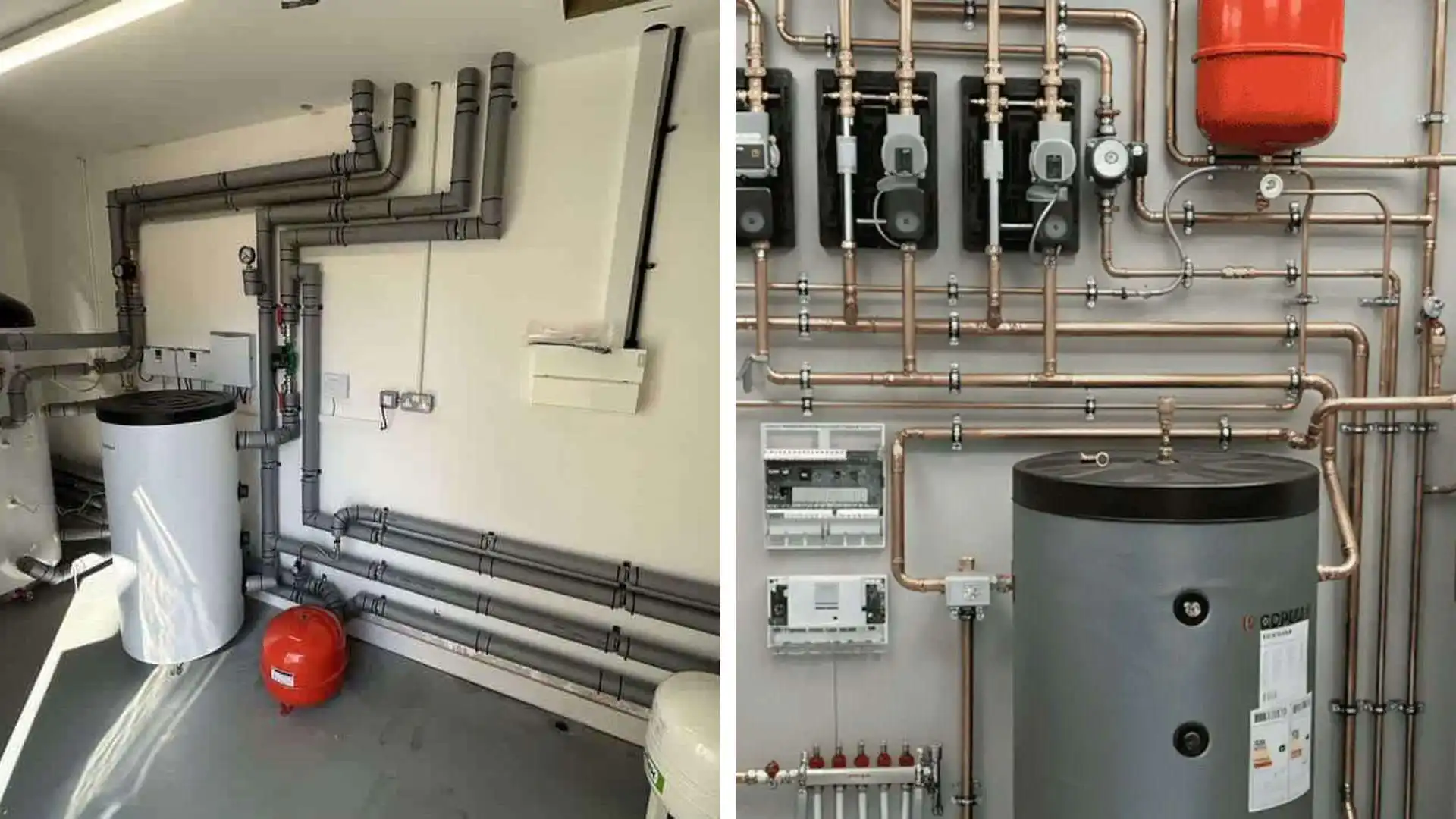
Safety zones come from the installation manual for the unit you choose, and the survey works from that document. Grant’s August 2026 manual for the Aerona 290 makes a clear example: it splits the space round the unit into an ignition zone, a ventilation zone and a drain zone, and the first two reach up to the unit’s installed height, feet and plinth included.
Siting checks for an R290 unit, from Grant’s Aerona 290 manual
Picture a 1970s detached house with one free wall, a side return beside the back door. The ventilation zone can rule that spot out, and Grant’s fix is to bring the unit forward until it sits at least 390 mm in a straight line from the door or window. Larger detached plots offer more walls to choose from, and our page on heat pump installation in Ascot covers design at that size.
Find the Wall That Clears Every Zone
The survey measures your walls, doors and drains against the manual for the unit we specify, and the Blueprint marks where an R290 unit can sit on your plot.
“The installation was neat and the new pipe work was a work of art.”
Stephen Saunders, Google Review
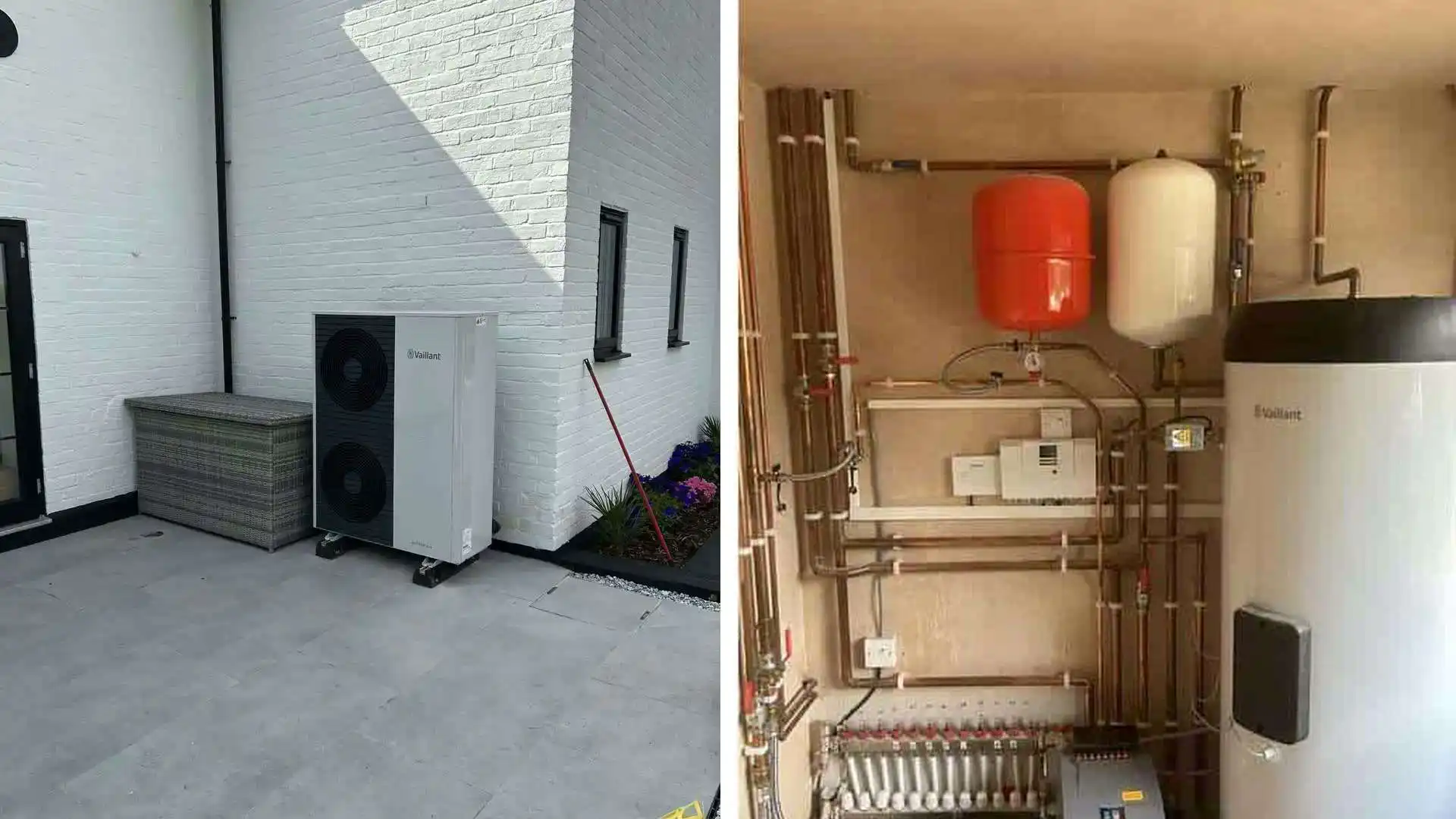
The 75°C ceiling on Grant’s Aerona 290 and Vaillant’s aroTHERM plus is useful headroom, against 60°C as the heating maximum on Grant’s R32 Aerona³. Grant’s own figures show what a hotter flow costs on its 6.5kW model.
Grant Aerona 290 6.5kW: seasonal efficiency (SCOP) by flow temperature
35°C flow
5.08
55°C flow
3.62
Source: Grant Aerona 290 manual DOC 0204 rev 1.9, August 2026 (BS EN 14825, average climate). Read 24 November 2026.
That unit gives up about 29% of its seasonal rating between the two flows. A 75°C ceiling helps an older system with small radiators through the coldest day, while the design aims for the lowest flow that still heats each room. Our guide on whether your radiators need upgrading works through the room-by-room numbers.
Know Your Flow Temperature First
Your Blueprint states the flow temperature each room needs on the coldest design day, which shows whether the extra headroom of R290 earns its place in your house.
“Anyway two months in and the house is warm and the scop is looking good.”
Andrew Symes, Google Review
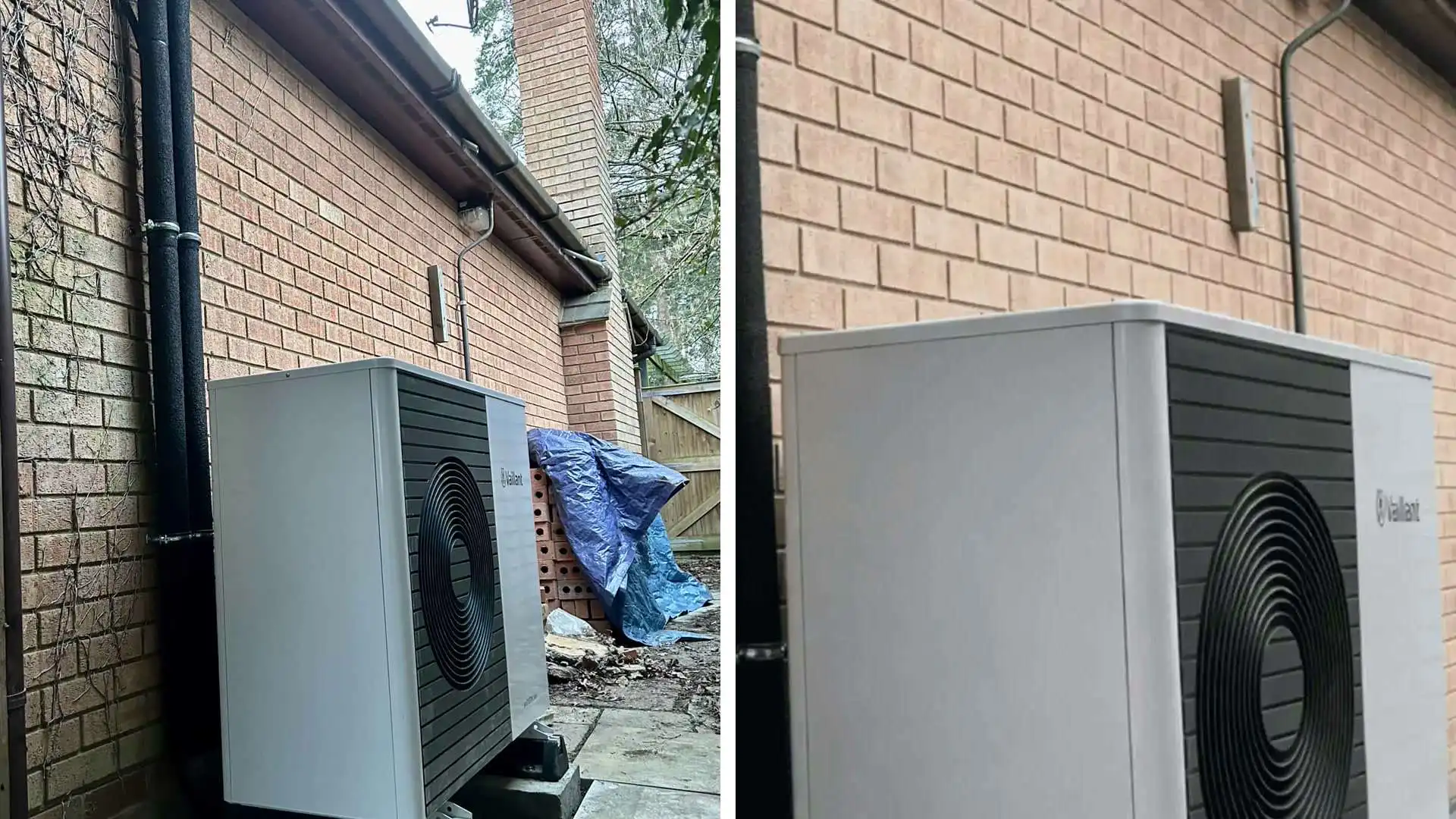
Each of the five brands we install lists an R290 range on its UK site: the Grant Aerona 290, Vaillant aroTHERM plus, Viessmann Vitocal 150-A, Panasonic Aquarea L Generation and Stiebel Eltron HPA-O Plus. Check the model line, because the refrigerant changes inside a brand: Stiebel Eltron’s WPL-A HK Premium page gives R454C.
On price, the Grant Aerona 290 sits at the tighter-budget end for us, with Vaillant or Panasonic in the middle and Viessmann or Stiebel Eltron at the top, each chosen to suit the design. Our comparison of the heat pump brands we fit sets their datasheets side by side.
Grant Aerona 290.
Vaillant or Panasonic.
Viessmann or Stiebel Eltron.
Every unit goes in through our air source heat pump installation service, with the model chosen after the heat loss survey. That survey carries a fee, which we refund in full if we fit your system.
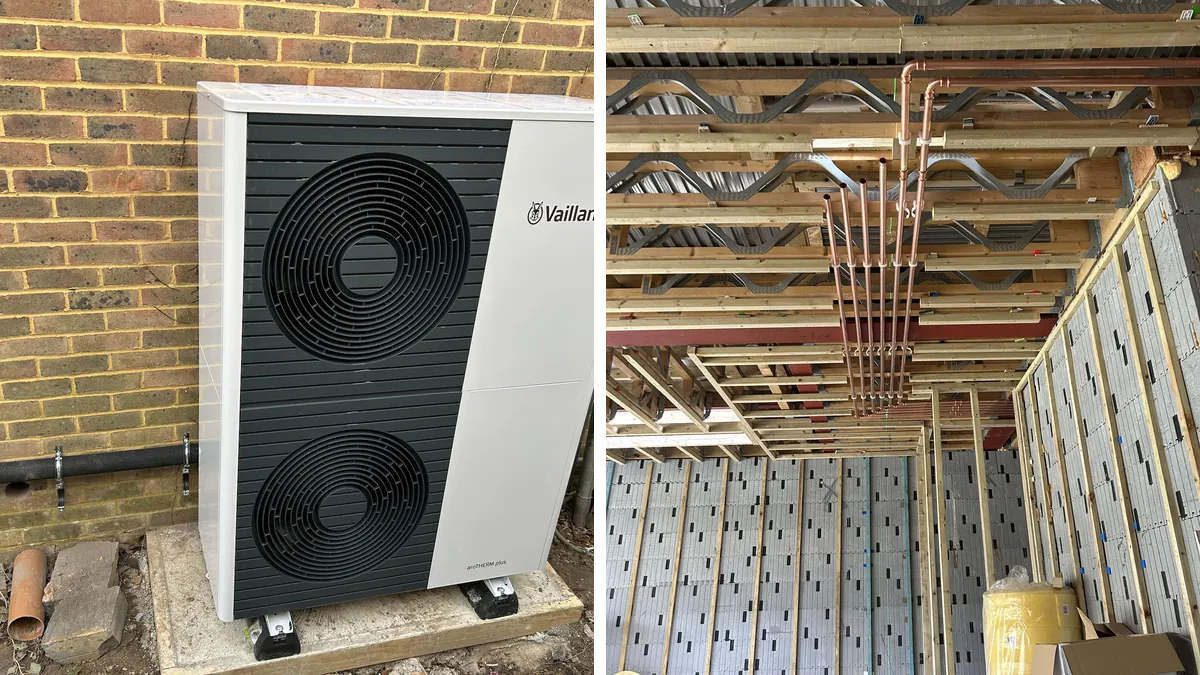
An R290 heat pump is an air-to-water heat pump that uses propane, sold as R290, as its refrigerant. In the monobloc units from Vaillant, Grant and Viessmann, the refrigerant stays sealed in the outdoor unit and only water pipes enter the house.
Grant and Vaillant both sell R290 units for UK homes. Propane is an A3 refrigerant under ISO 817, so Grant’s manual sets ignition, ventilation and drain zones round the outdoor unit, and Vaillant checks each aroTHERM plus for leaks before delivery.
On climate figure and flow ceiling, yes: Grant gives R290 a GWP of 3 against 675 for R32, and 75°C against 60°C across its two ranges. R32 is less flammable and its Grant manual lists no R290-style safety zones, so your plot and heat loss settle the choice.
They need more care about what surrounds them. Grant’s Aerona 290 manual bars doors and openable windows from a zone 300 mm to each side, and lets the unit move forward to 390 mm from a door or window on a tight wall.
Yes, within limits. Vaillant and Grant state flow temperatures up to 75°C, which can help smaller older radiators, but efficiency falls as the flow rises: Grant’s 6.5kW Aerona 290 drops from a SCOP of 5.08 at 35°C to 3.62 at 55°C.
Any of the R290 ranges above can go into a Berkshire and Surrey home with a wall or patch of garden that clears its safety zones. The Heat Pump Blueprint names the model from the five brands we install that matches your heat loss and your plot.
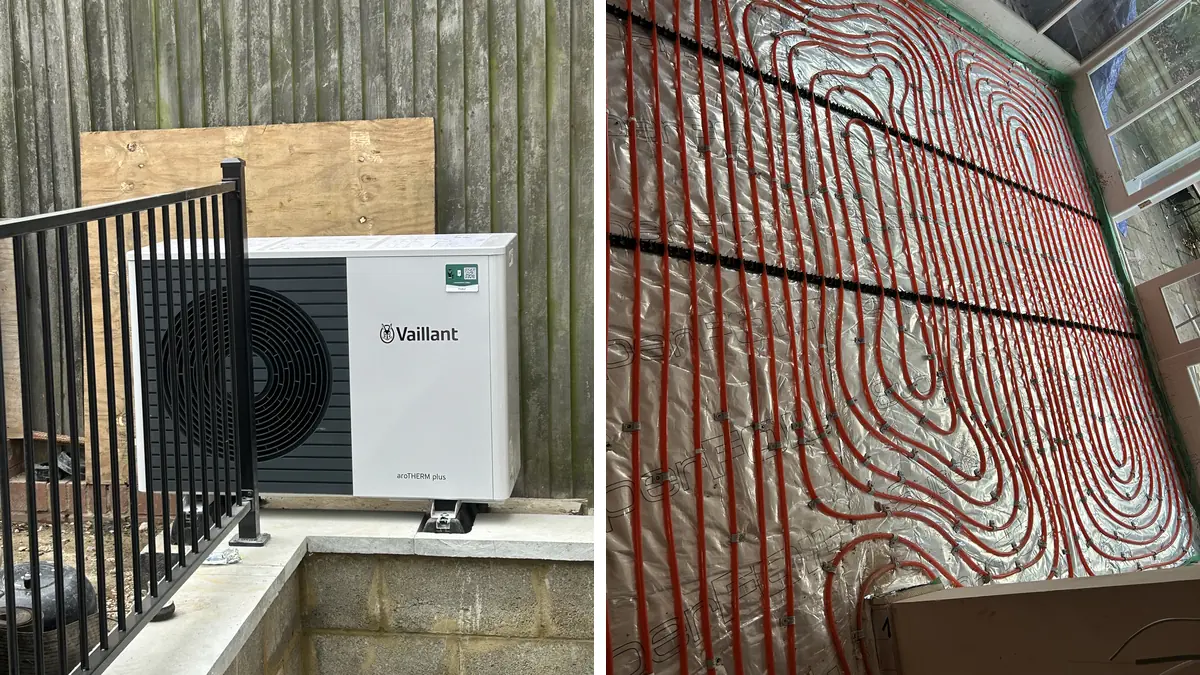
The Heat Pump Blueprint marks the outdoor unit’s spot on your plot, beside your room-by-room heat loss, the radiator list and the design flow temperature.
Book yours and you will know which wall works before anyone orders a unit.
More guides from the Eco Renewables blog on the same topic.
24 November 2026
Read the guide
24 November 2026
Read the guide
24 November 2026
Read the guideEco Renewables are trusted by homeowners throughout Berkshire and the South East to provide high-quality heat pump heating system installations.
If you're considering a heat pump, the survey is where it starts. We assess the property, run the heat loss calculations, and tell you exactly what the system would look like.
Get My Free Heat Pump Blueprint


