



Heat Pumps
What Happens After a Heat Pump Is Installed in Berkshire and Surrey?
By Adam Dare
Heat Geek trained installer
Updated 13 November 2026
Reading time
🎉 Named South East Heating Installer of the Year 2026
Choosing a heat pump feels like a big decision, and part of the weight is about what comes next. The installers finish, the van pulls off the drive, and you are left with an unfamiliar system and a quiet question: am I now on my own with this? For careful, research-minded homeowners across Berkshire and Surrey, that worry is often the real sticking point, more than the technology or even the cost. It is also the part that gets talked about least. The first year of owning a heat pump matters more than the day it goes in, and it is exactly where a good installer earns their place.
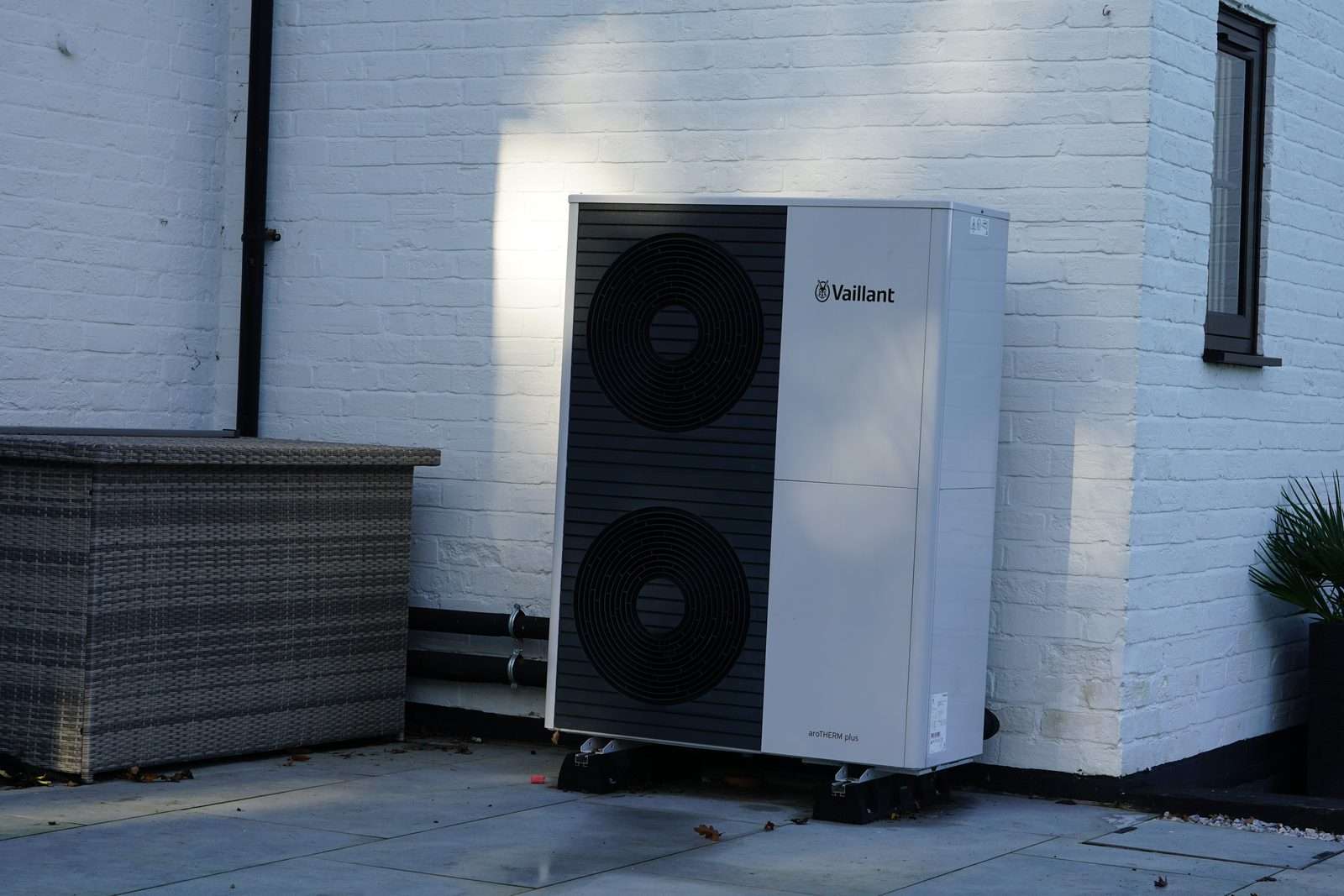
Here is what the first year actually involves, season by season, and what good aftercare should look like.
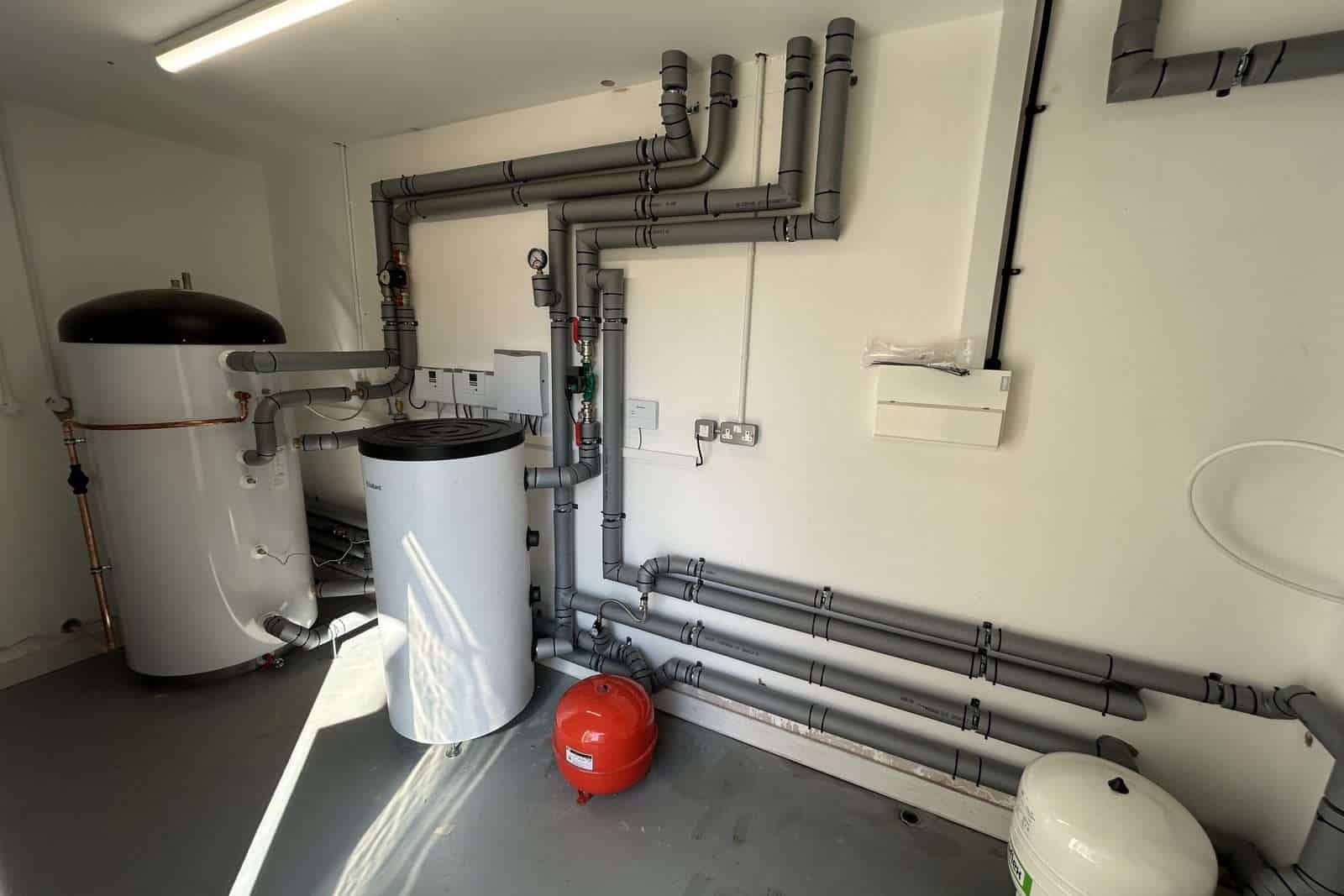
The first year starts at handover, and a proper one is more than a set of keys and a manual. It should leave you genuinely comfortable running the system: how to set it and leave it, what the controls do, and why it behaves differently from the boiler it replaced. The core lesson is simple. A heat pump is designed to run continuously at a low temperature, holding the house at a steady warmth, rather than being blasted up when you are cold and switched off when you are not.
That single shift trips up more new owners than anything else. The instinct carried over from a gas boiler is to turn the heating up for a quick boost and down again to save money. With a heat pump that approach works against you, making it run harder and less efficiently. Left alone at a steady setting, with weather compensation adjusting the flow temperature as the outside air changes, it quietly does its job in the background. Hot water is handled on a schedule, reheating the cylinder at sensible times. A good handover walks you through all of this in your own home, not over the phone, so it makes sense from day one.
Know Your Flow Temperatures From Day One
The point of a thorough start is that you are never left guessing, and support does not stop when the installation does.
He is incredibly knowledgeable about heat pumps… Adam was able to ensure the system was spec’d exactly as it needed to be to work most efficiently… available for follow up and support.
Gerard Barron, Google Review
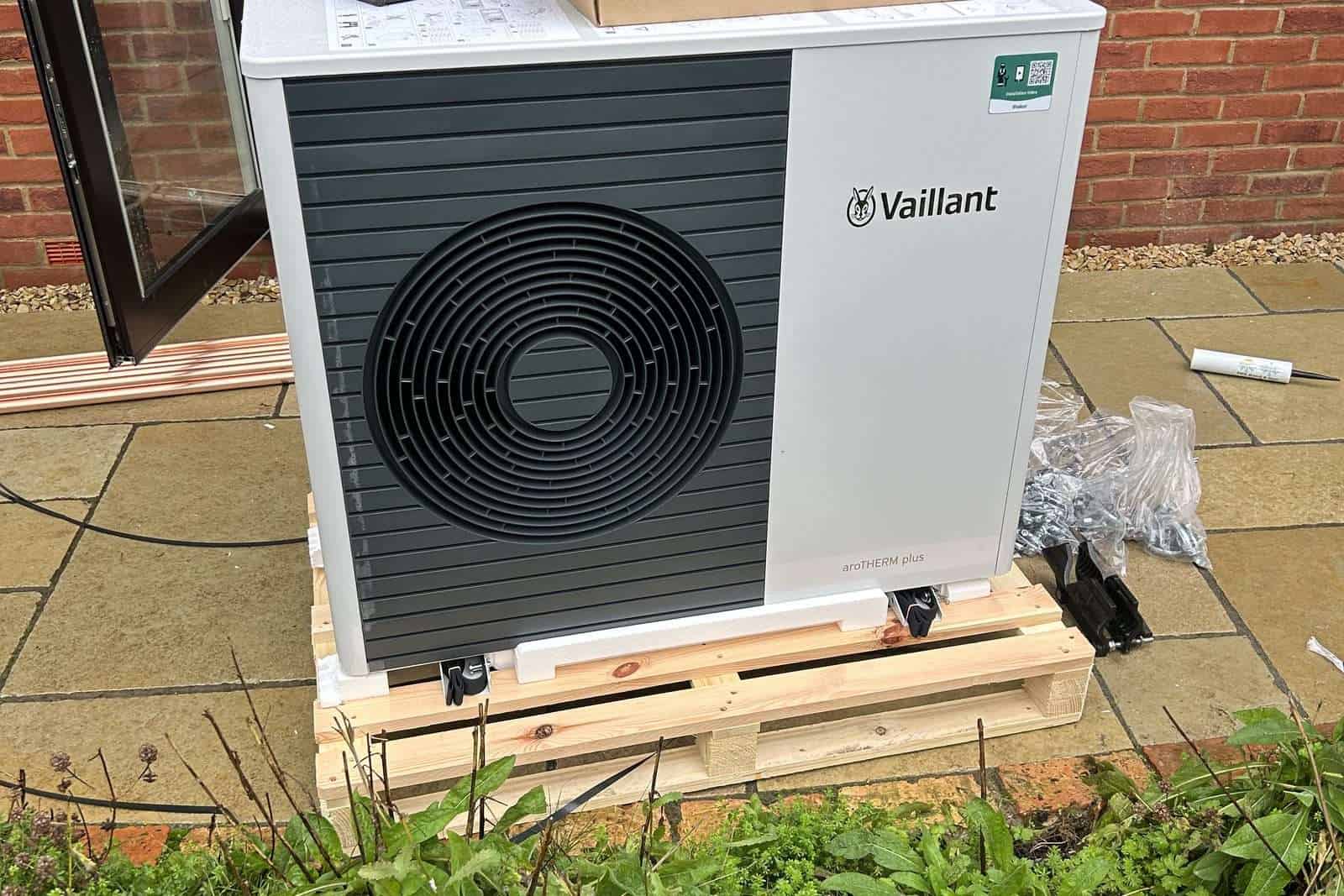
The early weeks are about getting a feel for the system, and almost everything you notice in this period is normal. The warmth is steadier and gentler than the heat-then-cool rhythm of a boiler, and rooms hold an even temperature rather than swinging between too warm and too cold. Some people take a few days to trust that leaving it alone really is the right thing to do, having spent years being told to switch the heating off whenever possible.
This is the stage to learn the controls properly and settle on the settings that suit your household and routine. It is worth resisting the urge to fiddle constantly, because a heat pump rewards consistency. Within a few weeks the system fades into the background and stops being something you think about, which is exactly the point. If anything genuinely seems off in this window, it is worth a quick conversation with your installer rather than quietly adjusting things and hoping, because early habits shape how well the system runs for years.
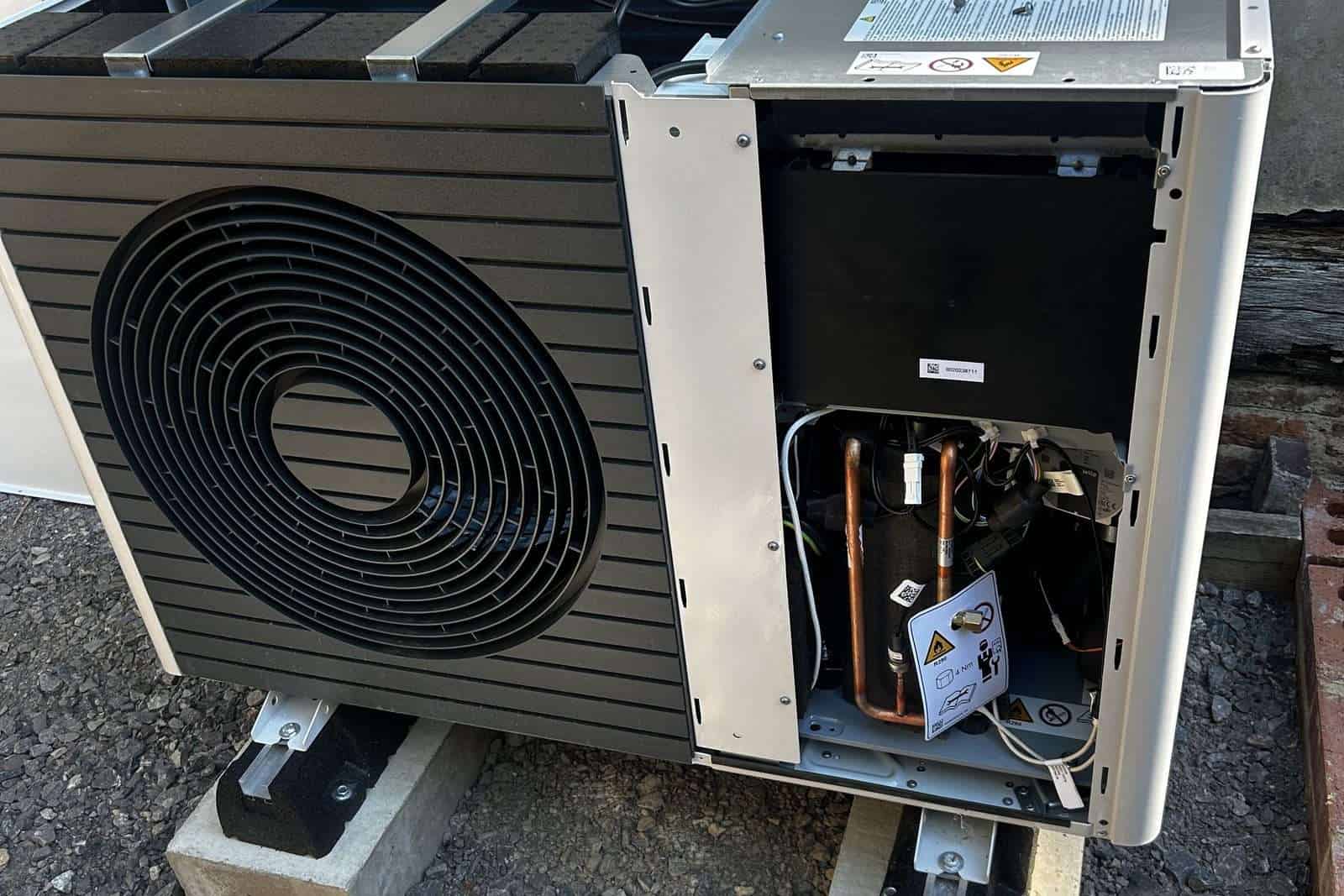
Here is the part the industry most often rushes, and the part that matters most. Commissioning means setting the flow temperature, the weather compensation curve and the hot water timings to the figures in the heat loss design, then checking the system against them. A system commissioned to those numbers copes with a cold January without anyone turning it up, because the curve raises the flow temperature as the outside air drops.
Handover day
How to set it and leave it, what the controls do, and why it behaves differently from the boiler it replaced.
The first few weeks
Settle on the settings that suit your household and routine, and resist the urge to fiddle constantly.
The first real cold
Weather compensation raises the flow temperature as the outside air drops, so rooms hold their warmth.
Milder weather returns
The same curve eases the flow temperature back, which is where the lowest running costs come from.
Towards the end of the first year
The first annual service, with performance monitored over the year.
Getting those figures right on commissioning day is what locks in the efficiency and the running costs the system was designed to deliver. A heat pump left on factory defaults can sit at the wrong settings for years, costing more and performing worse, while the owner assumes that is simply how heat pumps are. It is not. It is a system that was never set up to its design figures. If a room runs cold or a bill looks wrong after handover, you have direct access to us to ask why.
Talk Through Commissioning With Adam at Survey
The willingness to answer questions after handover is what turns a good installation into a system that genuinely performs.
“He is very knowledgeable in this area and clearly explained the benefits of installing a heat pump, along with the options available and the steps that would be involved. He has made himself available at short notice to answer any of my stupid questions, of which there were a lot.”
Ben Finnie, Google Review
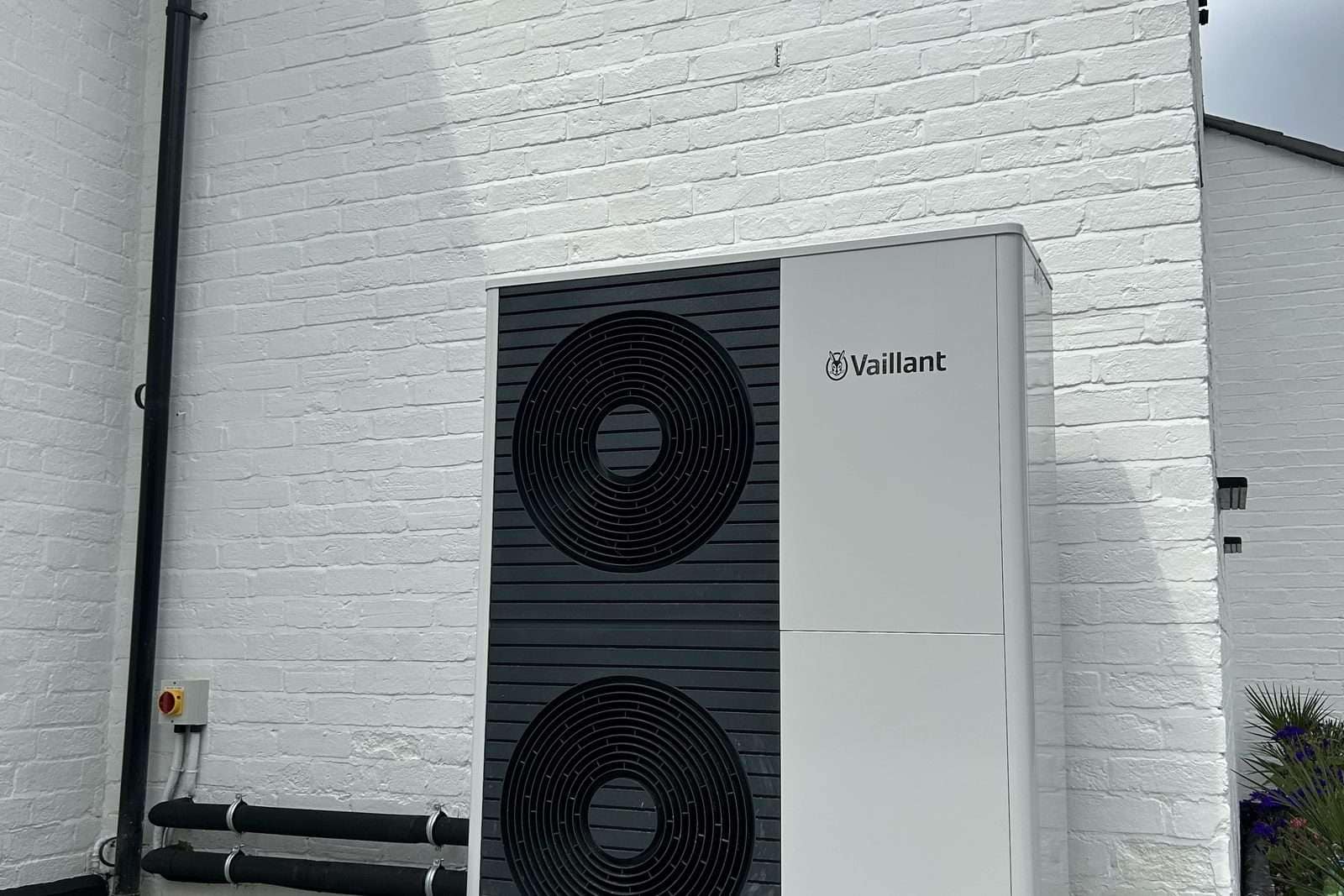
The first proper winter is when most new owners either relax or start to worry, usually over things that are completely normal. A heat pump runs for longer stretches than a boiler, often most of the day in cold weather, because it is delivering gentle heat continuously rather than short bursts. Long run times are a sign it is working as intended, not a fault.
You may also notice it pause and steam slightly from time to time, then resume. This is a defrost cycle, where the unit briefly clears frost that builds up on it in cold, damp conditions, and it is entirely routine. Indoor temperatures should stay steady throughout. As for cost, this is the winter that shows what the system really does, and once it has run through a full cold spell the running costs settle into a predictable pattern. How those costs compare with the old gas bills comes down almost entirely to design and setup, which is covered in detail in our guide to heat pump running costs. A well-designed system on a suitable tariff should sit comfortably, and the first winter is when that becomes real rather than theoretical.
Normal in the first winter
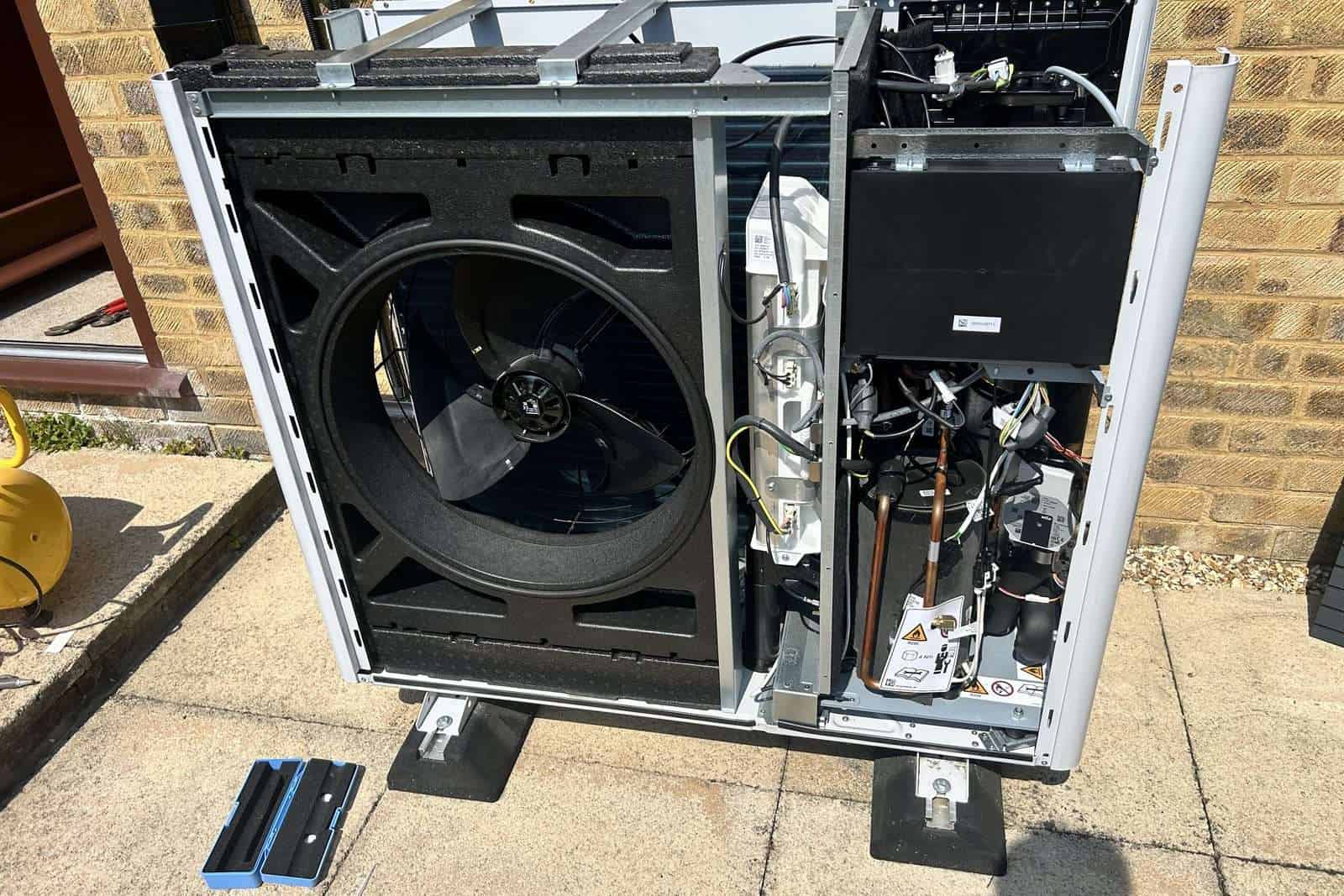
Towards the end of the first year comes the first annual service. A heat pump needs far less attention than many people expect, with no annual gas safety check to worry about, but a yearly service still matters. It keeps the system running efficiently, catches anything minor before it grows, and is usually required to keep the manufacturer’s warranty valid, which on these systems often runs for several years or more.
Alongside the service, keeping an eye on performance over the year is worthwhile. Many modern systems let you or your installer see how efficiently the heat pump is running, so a drift in performance can be spotted and corrected rather than silently costing money. Independent platforms such as heat pump monitoring data show just how well properly run systems perform in real homes, which is a useful benchmark for what yours should be doing. Monitoring turns aftercare from a once-a-year visit into something closer to an ongoing relationship, which is the standard the better installers work to.
Good Aftercare Starts With a Proper Design
The best sign of a good installer is the customers who stay with them for years, because the relationship does not end at handover.
You rarely meet people who are so knowledgable and passionate about their trade… Very responsive and trustworthy. We have been customers of Adam for over 5 years and he has never failed us yet!
Adam Hewitt, Google Review
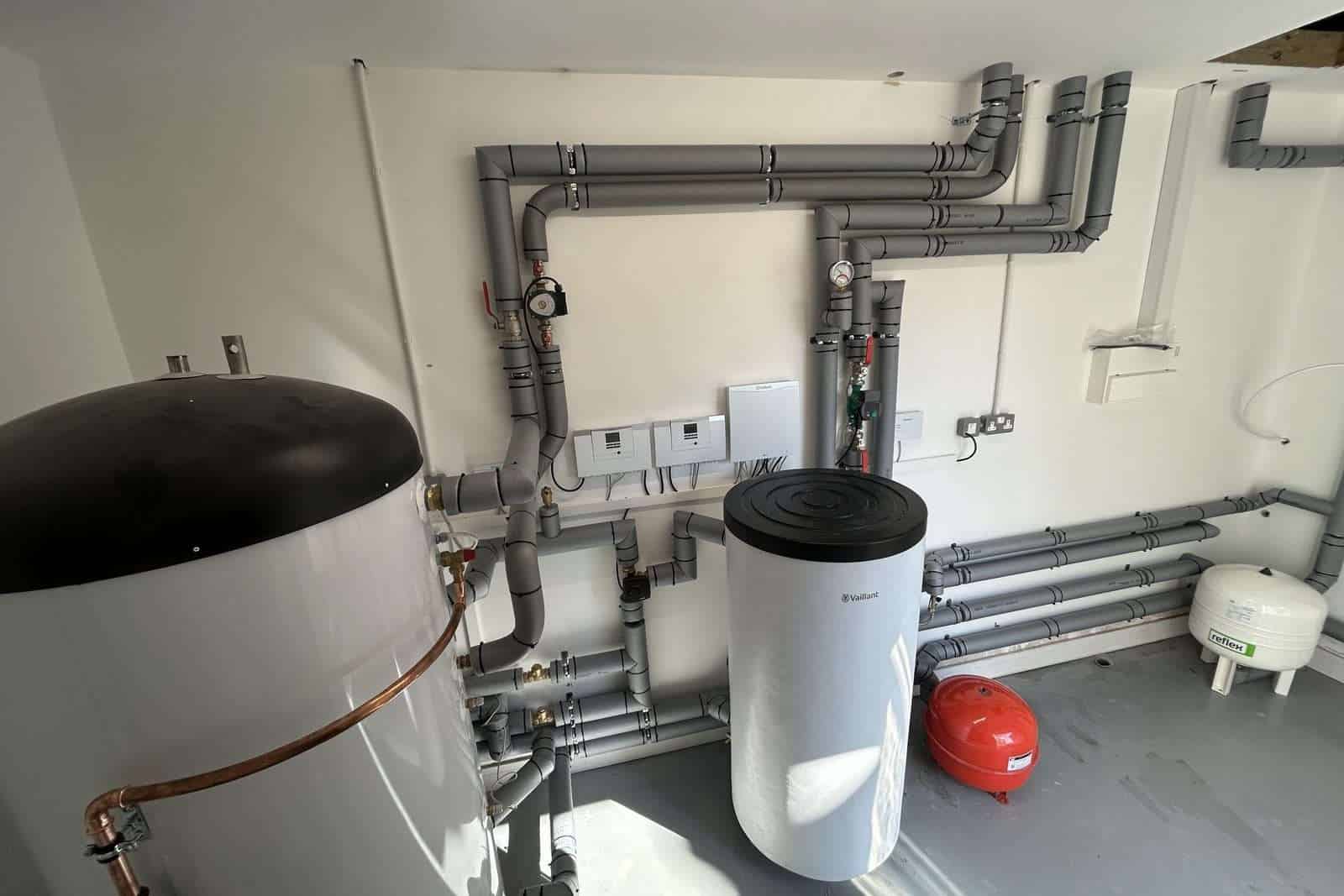
It is worth being honest about why aftercare matters so much, which is that a lot of the industry does not do it well. The common pattern is install and move on: the system goes in, the team leaves, and the owner is left to work it out alone, with little follow-up and no one obvious to call when something is not right. Plenty of underperforming heat pumps are not bad systems, but good systems that were fitted and then abandoned.
Proper aftercare is the opposite, and it is reasonable to expect it. It means a single point of accountability, one team that surveyed the home, designed the system, installed it, and remains responsible for how it performs. It means commissioning to the design figures described above, a clear first service, and a real person who answers when you have a question. This is also one of the most important things to weigh up before you commit, which is why it features so heavily when choosing a heat pump installer. A proper air source heat pump installation is judged not on the day it is finished but on how it runs a year later. That holds wherever you are across the areas we cover in Berkshire and Surrey.
The system goes in, the team leaves, and the owner is left to work it out alone.
What to expect
One team surveys the home, designs the system, installs it, and remains responsible for how it performs.
Yes. There is no annual gas safety check, but a heat pump should be serviced once a year to keep it running efficiently and to maintain the manufacturer’s warranty, which often runs for several years. A service checks the system over and catches small issues early.
Good aftercare covers commissioning to the design figures, a thorough handover, the first annual service, performance monitoring, and a clear point of contact for questions. It is the support that makes sure the system performs as designed, not just on day one.
Usually a few weeks. The main adjustment is behavioural: learning to leave the system running steadily rather than switching it on and off like a boiler. Once that settles, most people stop thinking about it.
Yes. In cold, damp weather a heat pump will periodically run a short defrost cycle, pausing and sometimes giving off a little steam before resuming. It is completely routine, and indoor temperatures should stay steady throughout.
They settle once the system has run through a full heating season. A well-designed heat pump on a suitable tariff should run at predictable, reasonable cost. How it compares with a gas boiler depends on the quality of the design and setup.
You should have one team to call. With a single point of accountability, the people who designed and installed the system are the ones who put anything right, rather than leaving you chasing separate parties. That is exactly why aftercare is worth checking before you choose an installer.
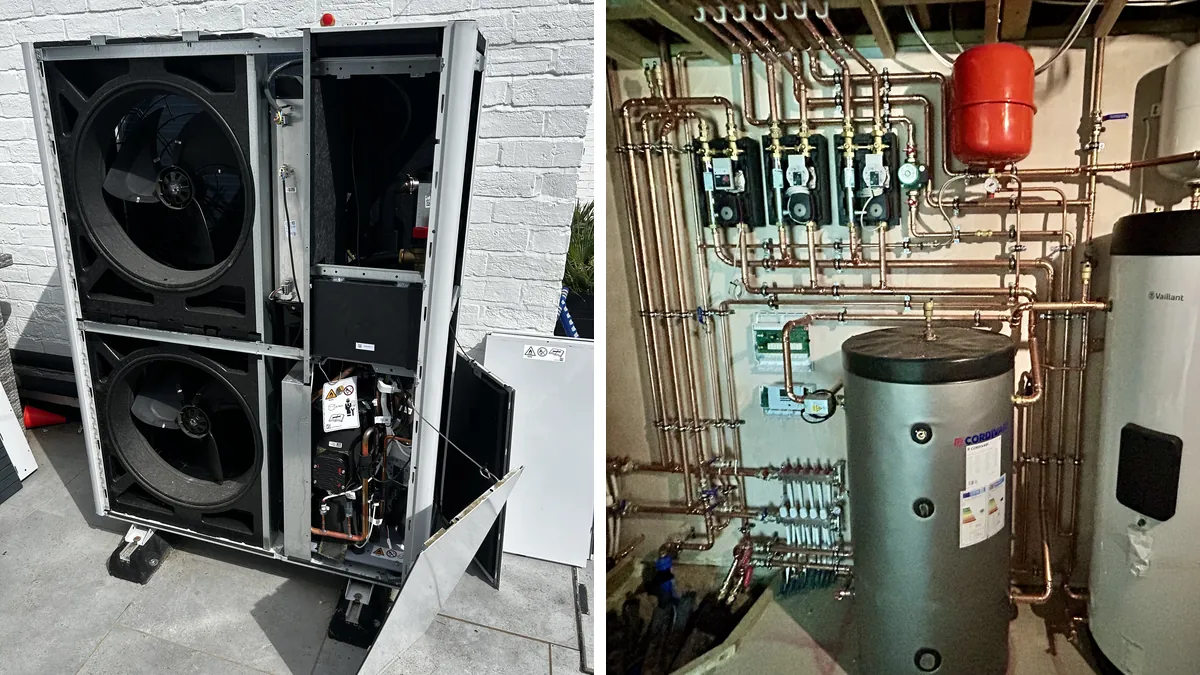
A heat pump is not finished when the installers leave. The first 12 months are when it meets its first winter, when you learn to run it, and when its performance shows whether the design was right. Whether that goes well comes down to who stands behind the system. Across Berkshire and Surrey, that is the difference worth paying attention to before you commit.
More guides from the Eco Renewables blog on the same topic.
24 November 2026
Read the guide
24 November 2026
Read the guide
24 November 2026
Read the guideEco Renewables are trusted by homeowners throughout Berkshire and the South East to provide high-quality heat pump heating system installations.
If you're considering a heat pump, the survey is where it starts. We assess the property, run the heat loss calculations, and tell you exactly what the system would look like.
Get My Free Heat Pump Blueprint


