



Heat Pumps
Heat Pump Not Working Properly? Poor Commissioning Signs in Berkshire and Surrey
By Adam Dare
Heat Geek trained installer
Updated 13 November 2026
Reading time
🎉 Named South East Heating Installer of the Year 2026
A heat pump not working properly usually shows up as one of three complaints, seen across Berkshire and Surrey from Wokingham to Guildford: it runs almost non-stop, one room stays cold whatever the setting, or the bill lands nowhere near the figure quoted at sale. Each of them can trace back to a step missed at handover: a skipped heat loss survey, a factory-default flow temperature, or a re-tune never booked.
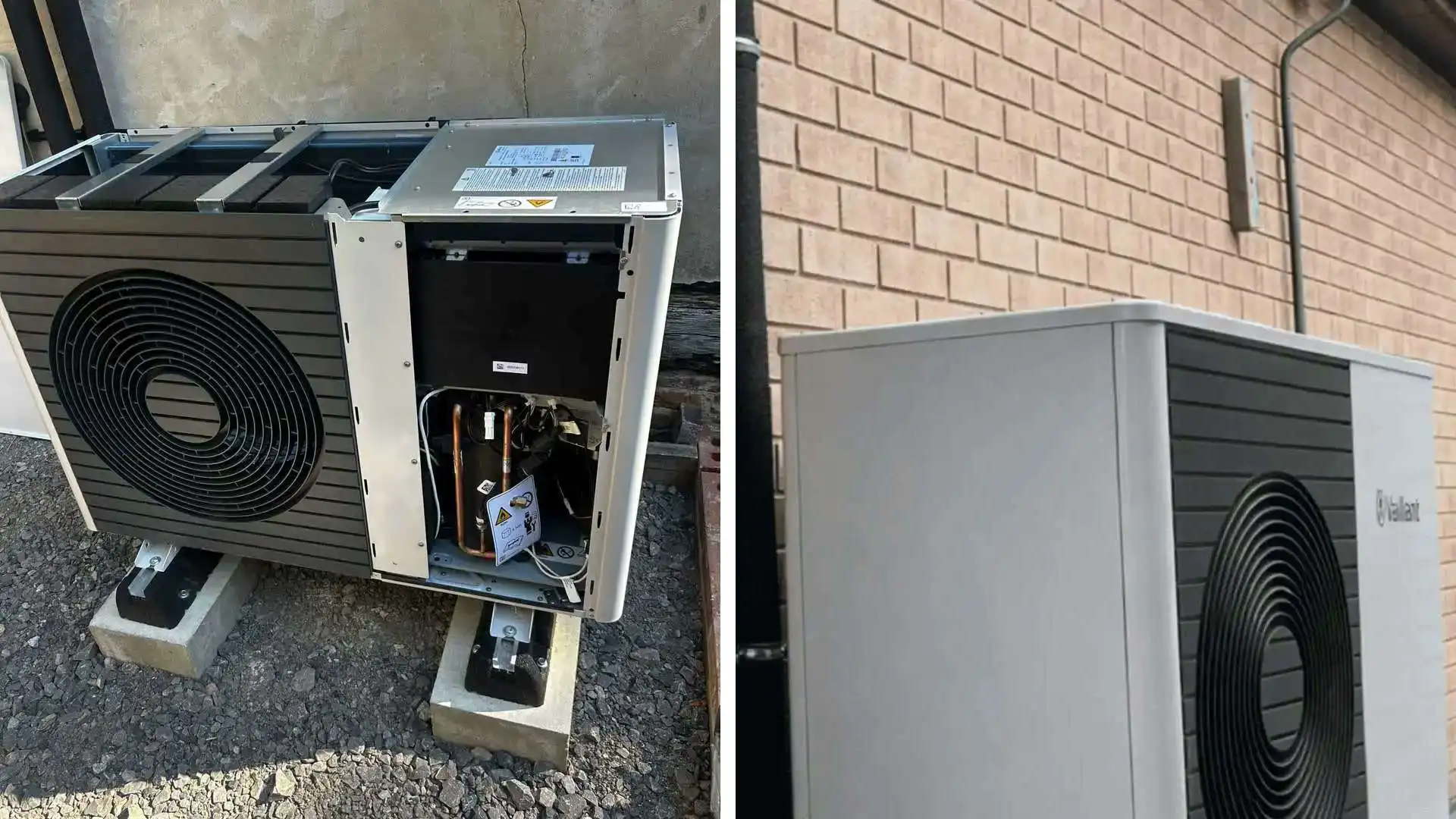
Poor commissioning leaves the same fingerprints from one house to the next: cold rooms, weak hot water, a unit that barely switches off, and a bill above the figure quoted at sale. Each one traces to a setting made on handover day, and your installer can put each one right on the heat pump you already have.
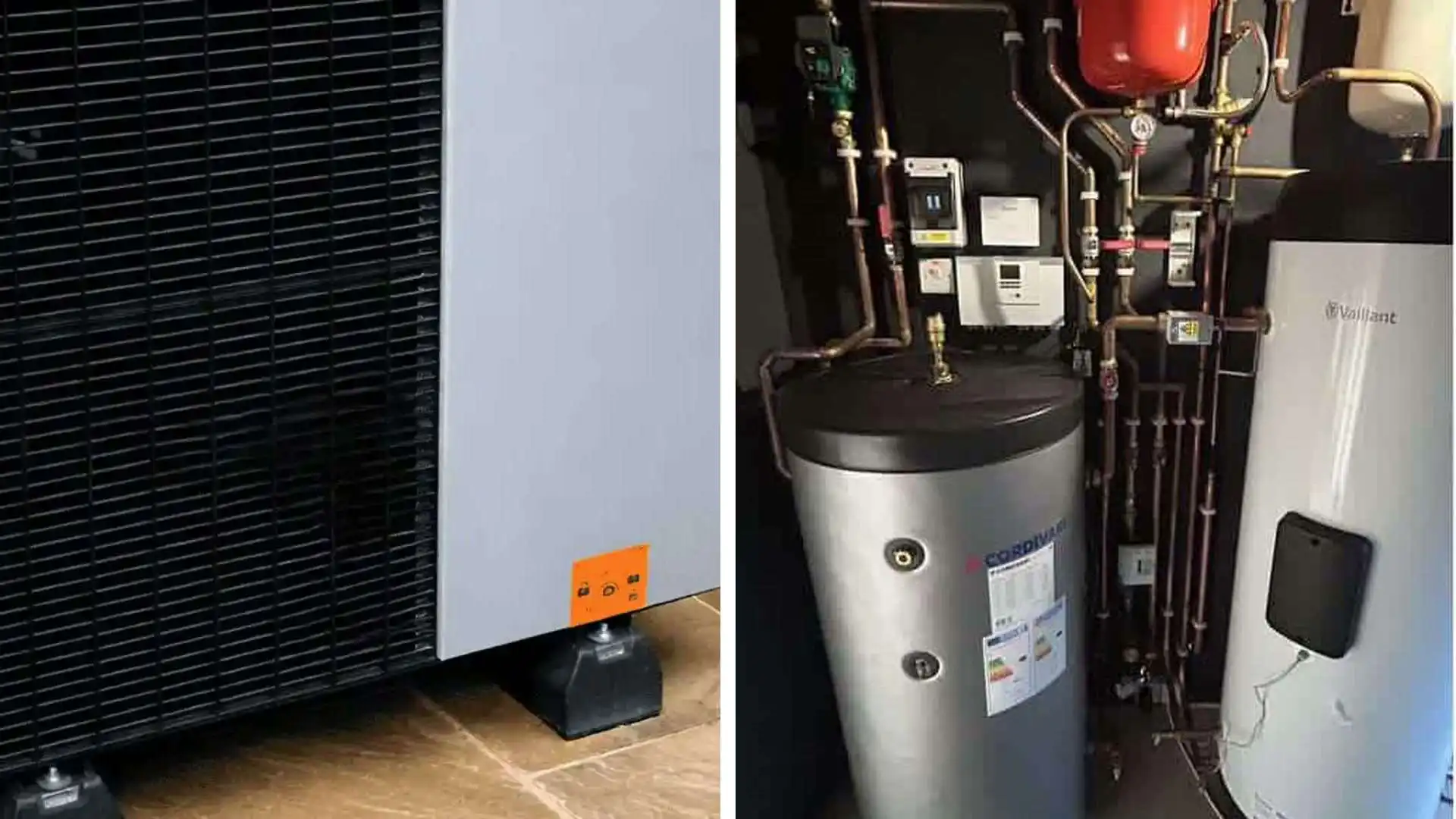
Cold rooms are the symptom that sends people looking for answers: one or two rooms never warm up, however long the heating runs. Often it’s the room furthest from the heat pump, or the one with the most external wall.
On a well-commissioned system, every radiator or underfloor loop is balanced to the flow temperature that room’s heat loss needs. Skip that step and the easy rooms heat up fine while the hard ones never catch up.
Hot water tells a similar story. A cylinder that takes an age to reheat, or runs dry for a second shower within the hour, usually has its reheat schedule left on generic factory defaults, never entered against real household usage.
The pattern has a plain description: the system runs, but the house isn’t warm. That, more than any single number, is what separates a poorly commissioned heat pump from an undersized one.
An undersized unit falls short everywhere, evenly, room by room. A poorly commissioned one heats most of the house fine and falls down in the rooms where the designer should have allowed for extra heat loss and didn’t.
Falls short everywhere, evenly, room by room.
Heats most of the house fine and falls down in the rooms where the designer should have allowed for extra heat loss.

Heat pump running costs higher than expected are the second signal that commissioning went wrong. A unit costing noticeably more to run than quoted at sale, sometimes hundreds of pounds a year more, is rarely down to electricity prices alone. Two mechanisms sit behind it.
The first is short cycling: the unit switching on and off more often than a correctly commissioned system should, burning extra electricity on every restart instead of running steadily at a lower output.
The second is flow temperature. A system set too high, closer to a gas boiler’s 70-80°C than the 35-45°C range heat pumps are designed around, works far harder than it needs to. Every extra degree costs efficiency across the heating season.
Flow temperature each system is designed around
Gas boiler
70-80°C
Heat pump
35-45°C
Every extra degree costs efficiency across the heating season.
SCOP, the seasonal coefficient of performance quoted at sale, estimates how much heat the system delivers per unit of electricity, and that figure only holds if commissioning matches the design. A system that never gets near it through a full winter usually traces back to day one.
Planning a Heat Pump? Get the Settings Right First
If you’re still choosing an installer, the Blueprint sets out the heat loss and the flow temperature your system should run at before anything is fitted.
“We’ve got a young family and even in cold spells we’re consistently warm, with no temperature fluctuations like our last heating system. Adams incredibly knowledgable about the systems and happy to answer any questions we had.”
Amy Spavins, Google Review
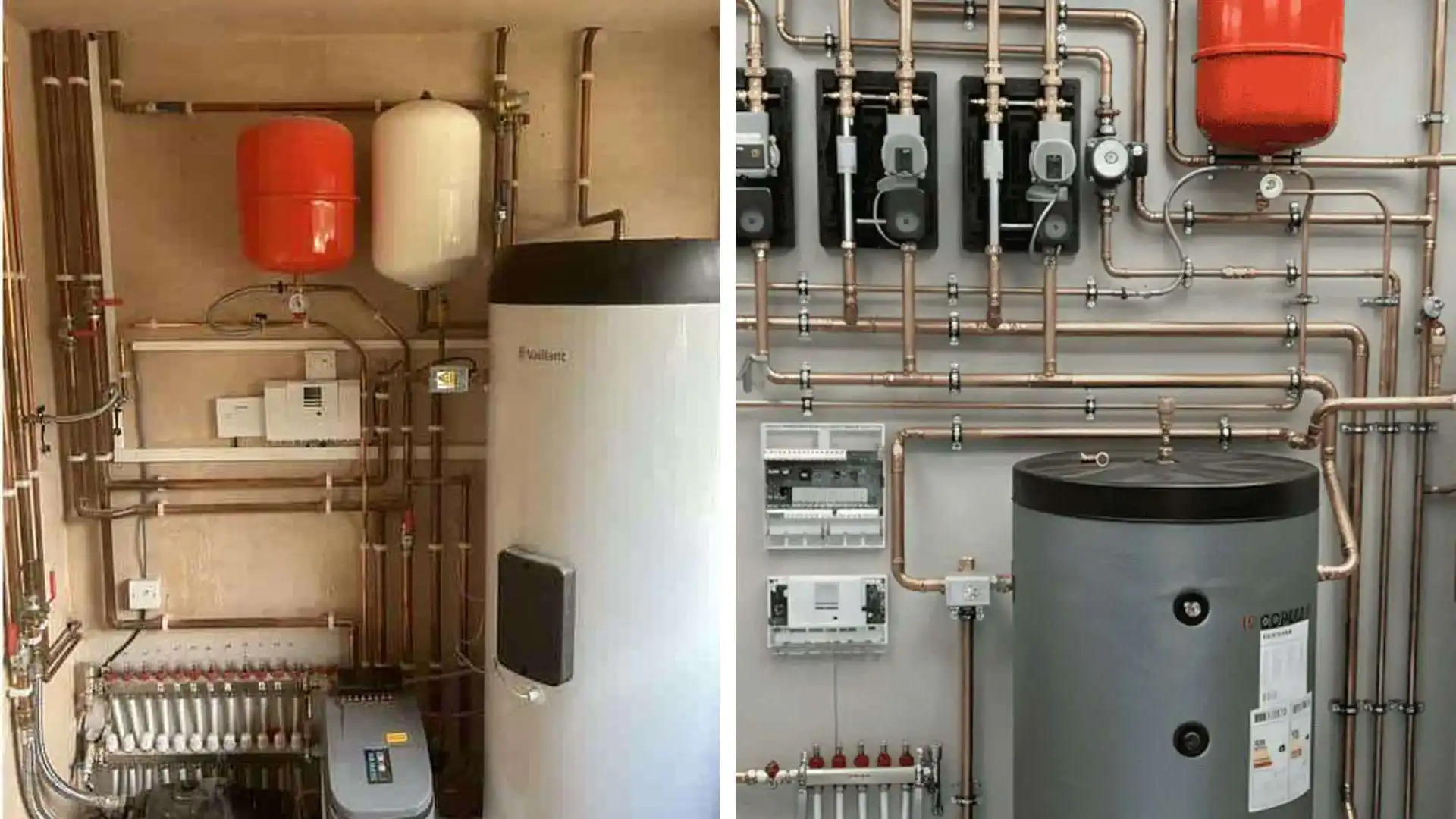
Heat pump poor commissioning is often a time problem: it’s the last stage of an install, and the stage that gets squeezed when a job runs late. Commissioning done properly starts with a room-by-room heat loss calculation, measured against walls, glazing and insulation.
It continues with a radiator or underfloor schedule matched to that calculation, and finishes with flow temperatures set from the survey data, checked again once the property has had a full winter’s cold spell.
Room-by-room heat loss calculation
Each room measured against its walls, glazing and insulation.
Radiator or underfloor schedule
Each emitter matched to that calculation.
Flow temperatures set
Set from the survey data, in place of a factory default.
Winter check
Settings checked again once the property has had a full winter cold spell.
Skip the survey and the installer is guessing at sizing. A factory-default flow temperature runs the system hotter, and less efficiently, than the property needs. Skip the follow-up visit and the wrong winter settings go unnoticed, because by spring the symptom has quietly faded until the next cold snap.
Time that was never scheduled, and a heat loss calculation estimated instead of measured, are the two usual causes behind a system that never performed as designed.

A heat pump at 35-45°C needs radiators, or underfloor loops, sized for that lower flow temperature. A gas boiler at 70-80°C gets away with smaller radiators, because the higher temperature does more of the work.
Swap the boiler for a heat pump and keep the original radiators, and some rooms can’t deliver enough heat at the new, lower flow temperature, however well the rest of the system is commissioned.
This matters across Berkshire and Surrey specifically, where much of the housing stock, 1960s and 70s detached homes especially, carries radiators sized for a gas boiler decades ago and never resized.
A cold room like that can look like a commissioning fault when the real answer is an undersized radiator: a larger single panel solves it in some rooms, a second emitter in others. Our guide to sizing emitters for a lower flow temperature covers how that assessment works, room by room.
Size the Radiators Before the Heat Pump
On a new install, the Blueprint checks every radiator against its room’s heat loss before anyone picks the heat pump.
“I contacted a number of companies and had read up extensively on heat pumps before going ahead with Adam of Eco Renewables so I was confident in choice of installer, however you never really know if you have made the right decision until it’s all up and running and your home is no longer cold. Anyway two months in and the house is warm and the scop is looking good.”
Andrew Symes, Google Review
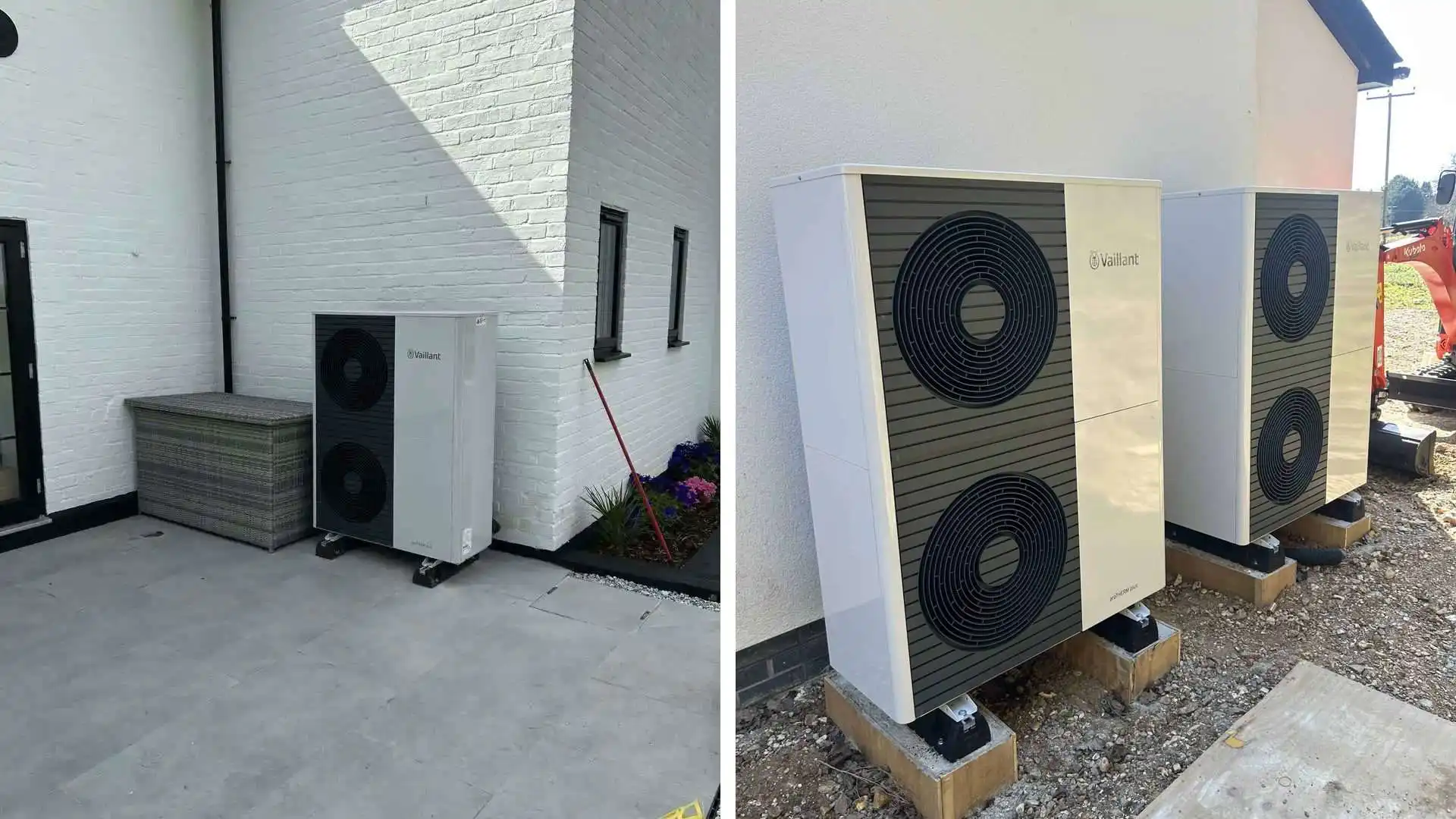
A heat pump commissioning checklist worth trusting has two parts, each leaving paperwork you can ask your installer for. First, a room-by-room heat loss survey, measured against the property’s actual walls, glazing and insulation.
Second, a radiator or underfloor schedule matching each room’s calculated heat loss to an emitter that can deliver it at the heat pump’s lower flow temperature.
The Heat Geek training standard sets that sequence out in detail, including the commissioning data a homeowner should be handed at the end.
This is the process behind the Heat Pump Blueprint every Eco Renewables install starts from: a document the homeowner keeps, showing the heat loss numbers, the radiator schedule and the flow temperature the system runs at. It’s the difference between a heat pump tuned to the house and one tuned to a factory average.
Adam Dare, who runs Eco Renewables, is Heat Geek trained and Gas Safe registered, and holds every installation he designs to that standard.
Anyone considering a heat pump installation for the first time gets the same process from day one, because commissioning is cheaper to get right at installation than to correct afterwards.
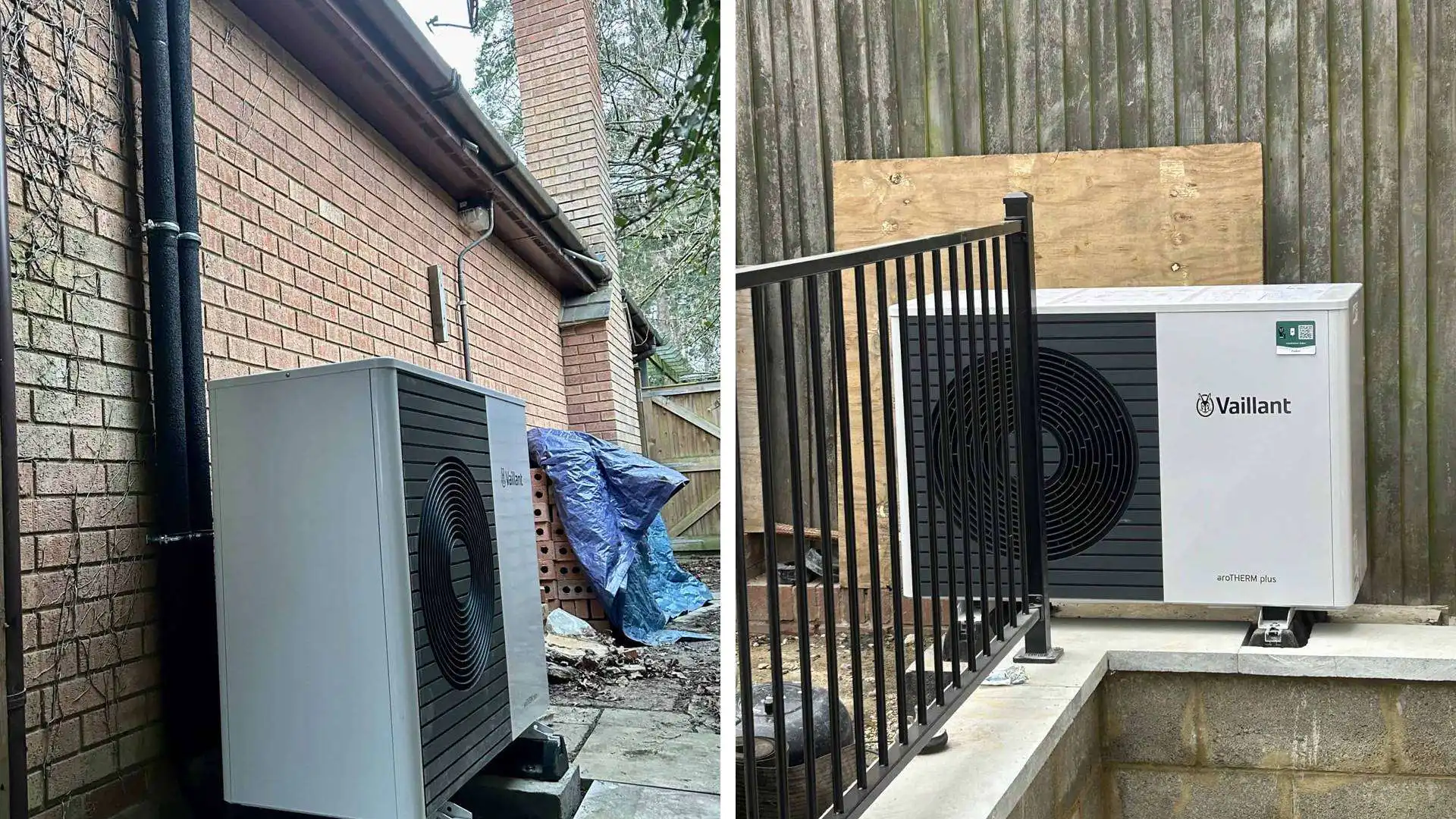
A second opinion on a poorly performing heat pump starts with the company that fitted it. Commissioning is part of the job you paid for, and an MCS installer should have handed you the heat loss figures, the radiator schedule and the commissioning record at handover. Ask for those first, then ask the installer to check the flow temperature and controls against them.
Often the fix leaves the heat pump itself alone: a flow temperature reset, a radiator upgrade in a room or two, a mid-winter re-tune. A fault in the unit itself is a matter for the manufacturer warranty registered at installation, usually reported through your installer. If the installer won’t engage, the consumer code they joined for MCS certification, RECC or HIES, runs a complaints process.
We work through the same heat loss and radiator design on every new system we fit, including heat pump installations in Farnham, where period housing stock makes the radiator question especially common.
Replacing an Old System? Start From the Numbers
If you’re replacing a boiler or a system past saving, the Blueprint puts the heat loss, radiator schedule and flow temperature in writing before you commit.
“Adam also ensured the grant application, planning and certification were all dealt with and left behind a comprehensive data pack at the end of the job. After almost 2 months of operation the new system is working as intended with Adam fielding any questions I might have.”
Stephen Saunders, Google Review
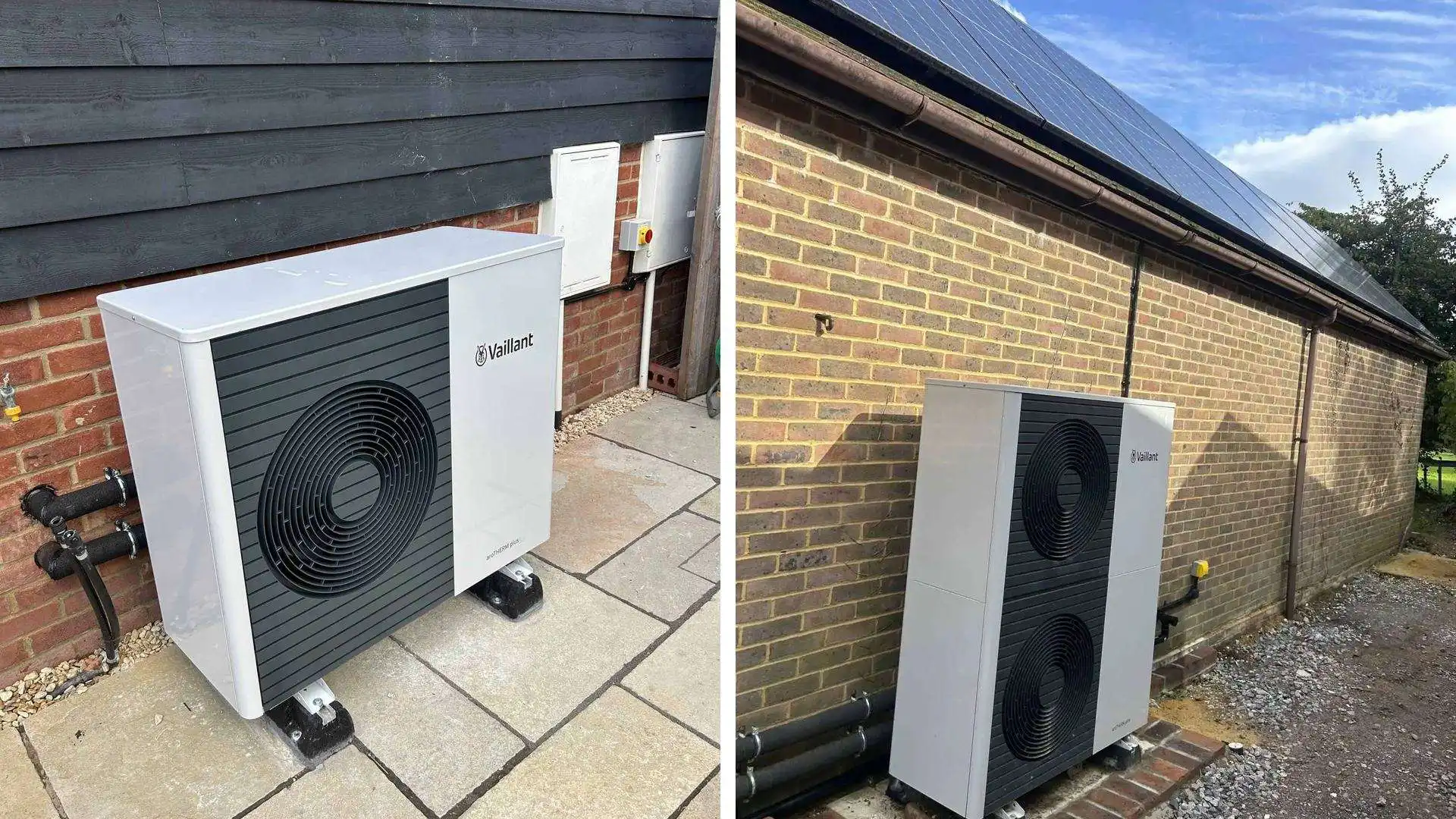
The “heat pump not heating house” complaint points to commissioning far more often than to the equipment: how the system was set up on handover day sets the comfort and running cost you live with afterwards. If the flow temperature sat on a factory default, the radiators weren’t matched to the property’s heat loss, or the system was never re-tuned once winter arrived, some rooms underperform however capable the unit is on paper. The commissioning record your installer handed over shows which of those applies.
Recommissioning is the first route worth testing, and where the unit is correctly sized for the property it is often all that is needed. It means a fresh heat loss assessment, adjusting flow temperatures and controls to match it, and correcting radiators never resized when the system was fitted. Full replacement is only needed when the unit itself is undersized, and a fresh heat loss calculation confirms that first.
Constant running points to a flow temperature set too high, or to the unit short cycling: switching on and off more than a steady, well-tuned system would. Both are commissioning issues a re-tune fixes, and both push running costs up without improving comfort.
Heat pump cold rooms often trace back to the radiators. Heat pumps run at lower flow temperatures than gas boilers, and radiators sized for a boiler’s higher output can struggle at the lower figure. A cold room in an older property is often just an emitter needing an upgrade.
Yes, and it’s one of the first things worth checking before anyone looks at the equipment. A flow temperature set higher than needed, or a SCOP well below the figure quoted at sale, points to commissioning rather than the equipment itself. Correcting those settings brings running costs back towards what was quoted.
A heat pump second opinion starts with the installer who commissioned it. Ask for the heat loss calculation, radiator schedule and commissioning record from handover, and ask them to check the current settings against those figures. A fault in the unit itself goes through the manufacturer warranty, and if the installer won’t respond, the consumer code they belong to (RECC or HIES for MCS installs) handles complaints. Eco Renewables doesn’t take on repairs or assessments of systems other installers fitted; if you’re planning a replacement, the Heat Pump Blueprint is where we start.
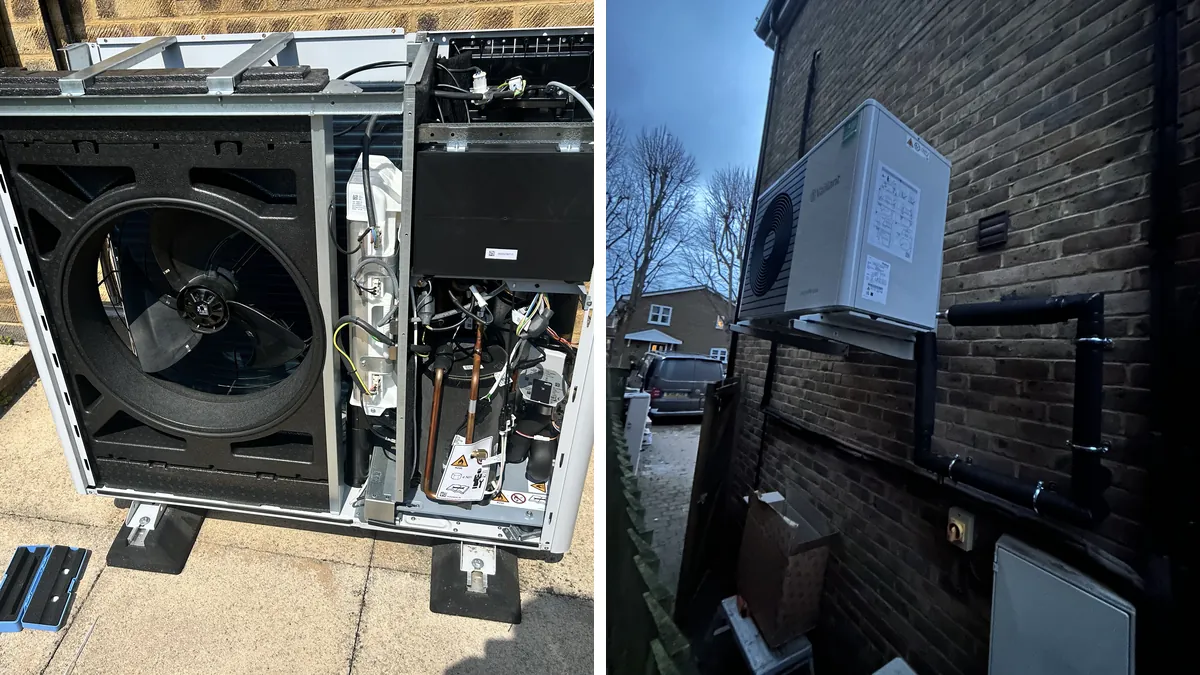
A heat pump that isn’t performing well is frustrating, and it’s tempting to assume the technology is the problem, or that the only fix is an expensive replacement. In practice the first thing to check is the setup, which can be corrected on the heat pump you already own.
The answer is often a commissioning fix: a flow temperature never set correctly, a radiator that needed resizing and didn’t get it, or a re-tune never scheduled once the first winter tested the system.
Your installer is the place to start: ask for the heat loss figures, the emitter schedule and the flow temperature and control settings as they stand, and hold the system to that design. Once the system is commissioned correctly, our guide to running a heat pump efficiently covers making the most of it. If you’re planning a new system or replacing an old one, the Heat Pump Blueprint gives you those numbers before anything is fitted.
More guides from the Eco Renewables blog on the same topic.
24 November 2026
Read the guide
24 November 2026
Read the guide
24 November 2026
Read the guideEco Renewables are trusted by homeowners throughout Berkshire and the South East to provide high-quality heat pump heating system installations.
If you're considering a heat pump, the survey is where it starts. We assess the property, run the heat loss calculations, and tell you exactly what the system would look like.
Get My Free Heat Pump Blueprint


