



Heat Pumps
Are Heat Pumps Worth It? An Installer’s Answer for Berkshire and Surrey Homes
By Adam Dare
Heat Geek trained installer
Updated 12 November 2026
Reading time
🎉 Named South East Heating Installer of the Year 2026
Are heat pumps worth it for an owner-occupied house in Berkshire and Surrey that runs on gas, oil or LPG? Our answer is usually yes, on one condition: an engineer sizes the system from a room-by-room heat loss calculation instead of a rule of thumb. Some houses are a poor fit, and we set those out below alongside the good ones.
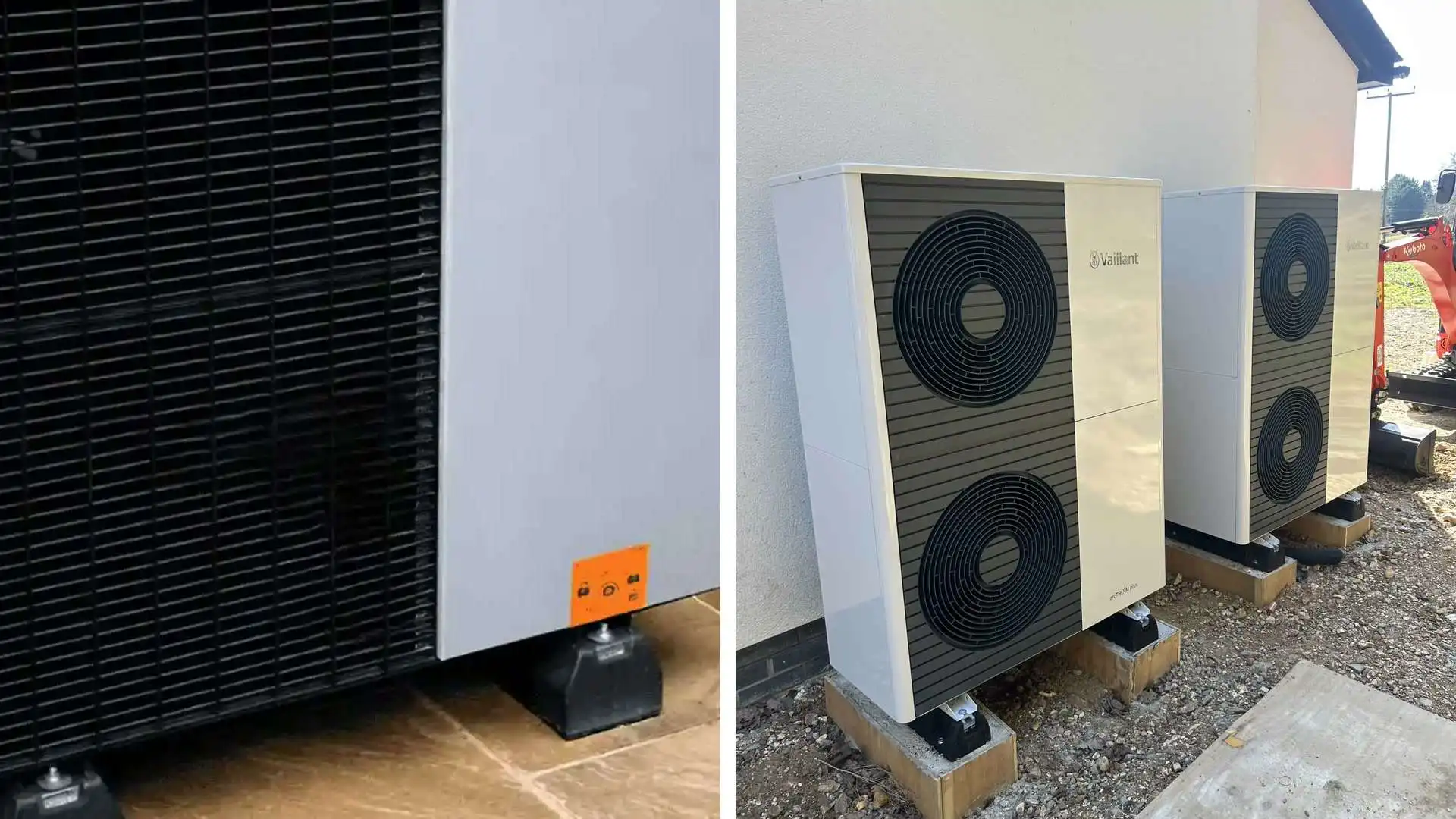
Two things settle the answer for a given house: how much heat it loses on a cold day, and whether the installer designs to that figure. Property age matters less than heat loss. Nesta’s 2023 report, drawn from more than 2,500 heat pump owners, found no significant difference in satisfaction by property age, so owners of Victorian houses were just as satisfied as owners of modern ones.
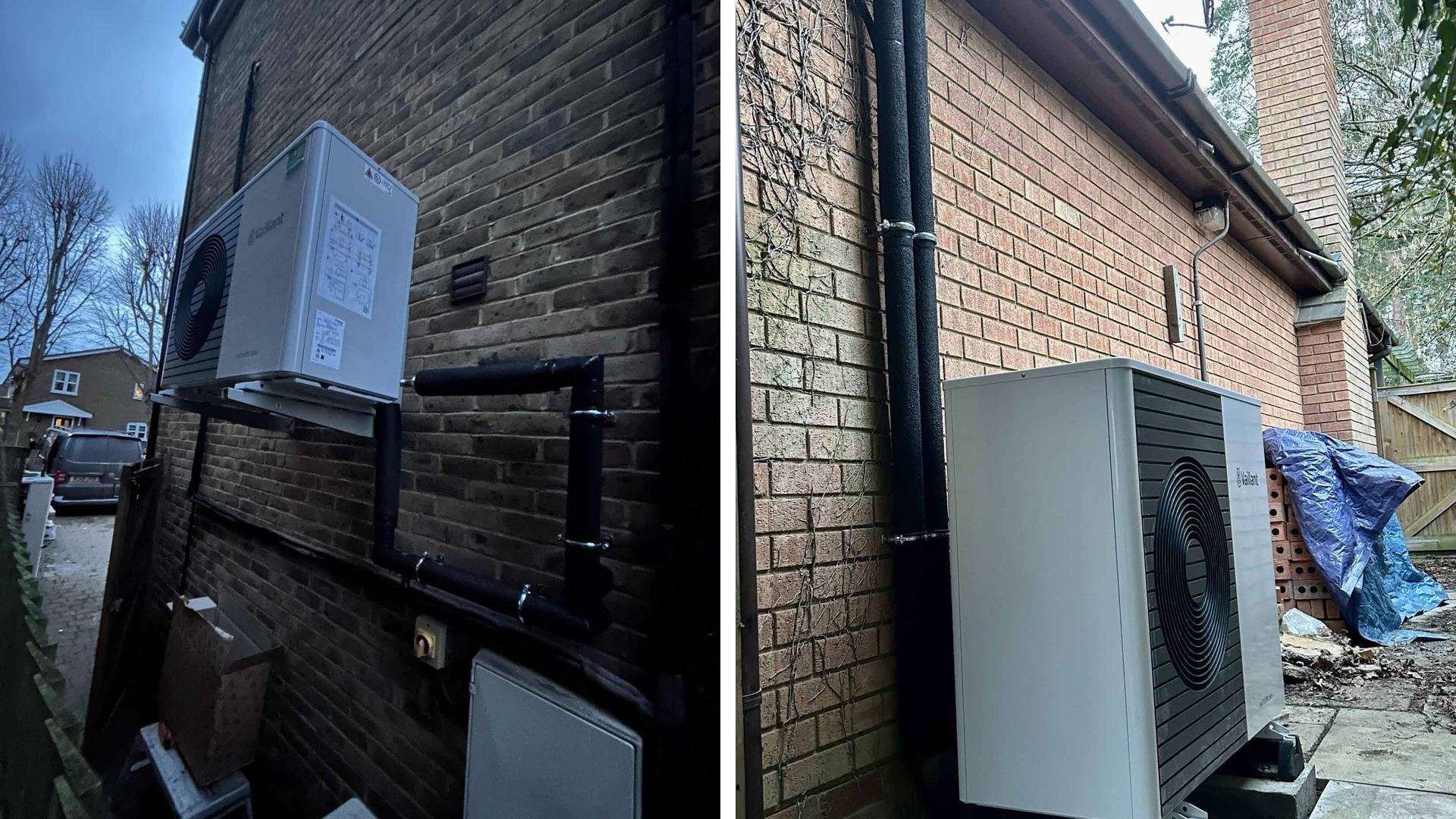
Your house type sets the starting answer, before any brand or tariff choice comes into it:
If your house sits in that last group, a heat pump is the wrong first purchase, and an honest installer should tell you so at survey.
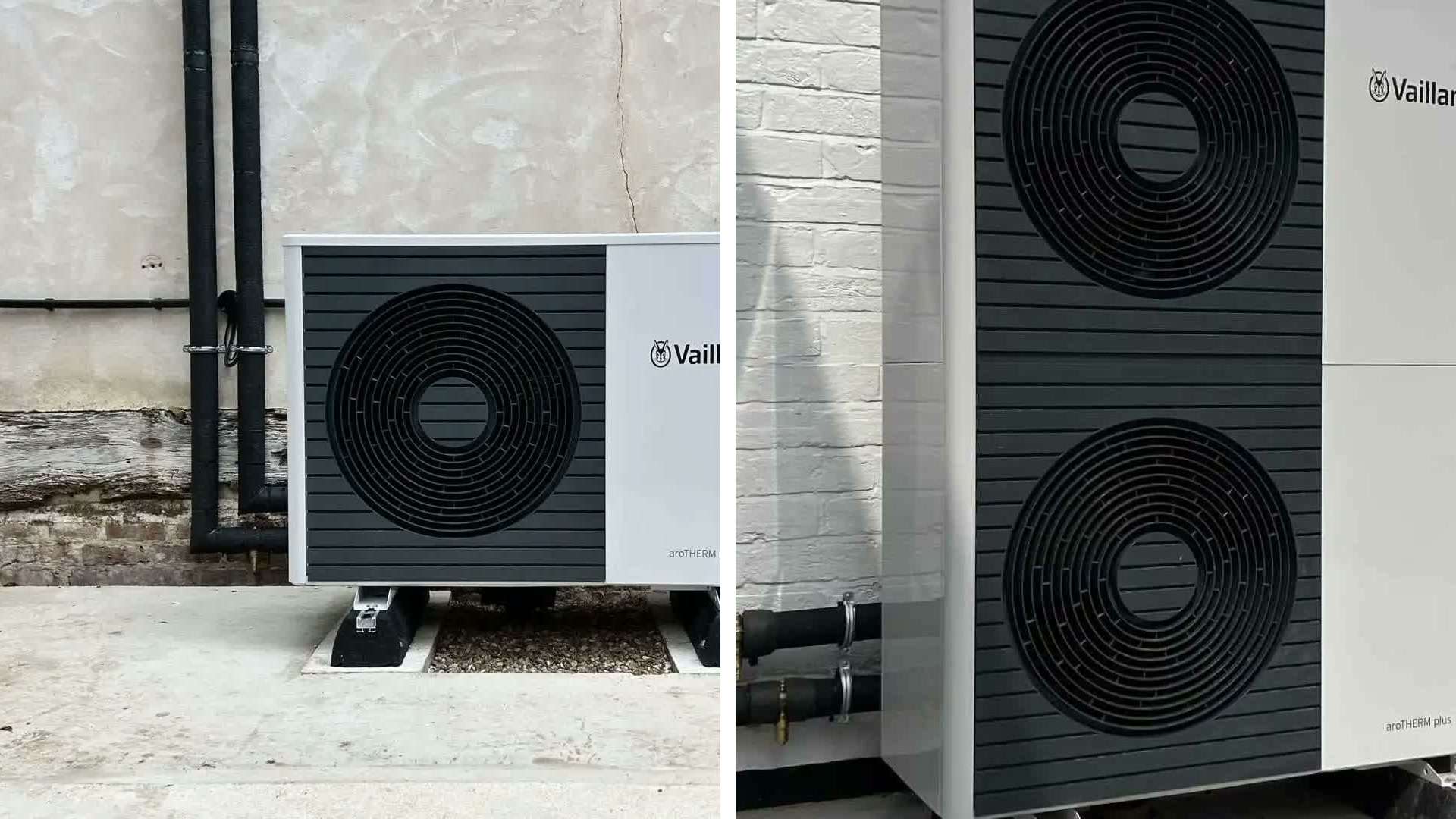
Energy Systems Catapult’s Electrification of Heat project installed 742 heat pumps in British homes and metered them. Its interim results, published in March 2023, use data from November 2020 to August 2022; monitoring ran on to autumn 2023. Across that mixed fleet of real installs, air source systems recorded a median seasonal performance factor of 2.80: 2.8 units of heat for every unit of electricity across a year.
A median means half the systems did better and half did worse, and Catapult reported that performance variation remains high. Flow temperature, radiator sizing and commissioning, all set by the installer, explain much of that spread, which is why a design-led install aims higher than the trial median. Our guide to heat pump running costs puts annual figures on the gap between a well-designed system and a rushed one.
Owner heat pump reviews point the same way. In Nesta’s 2023 report on heat pump users, 81% of owners who had a heat pump installed in their own home were as satisfied or more satisfied than with their previous heating system.
742
Heat pumps installed and metered in British homes by the Electrification of Heat project
163
Installs in pre-1945 homes, with no property type or era found unsuitable
81%
Of owners who had one fitted in their own home, as satisfied or more satisfied than with their previous heating (Nesta, 2023)
A trial median covers hundreds of houses, and the Blueprint works out the design figures for yours, room by room.
“Anyway two months in and the house is warm and the scop is looking good. Adam was on time, tidy and helpful, highly recommended.”
Andrew Symes, ⭐️⭐️⭐️⭐️⭐️ Google Review
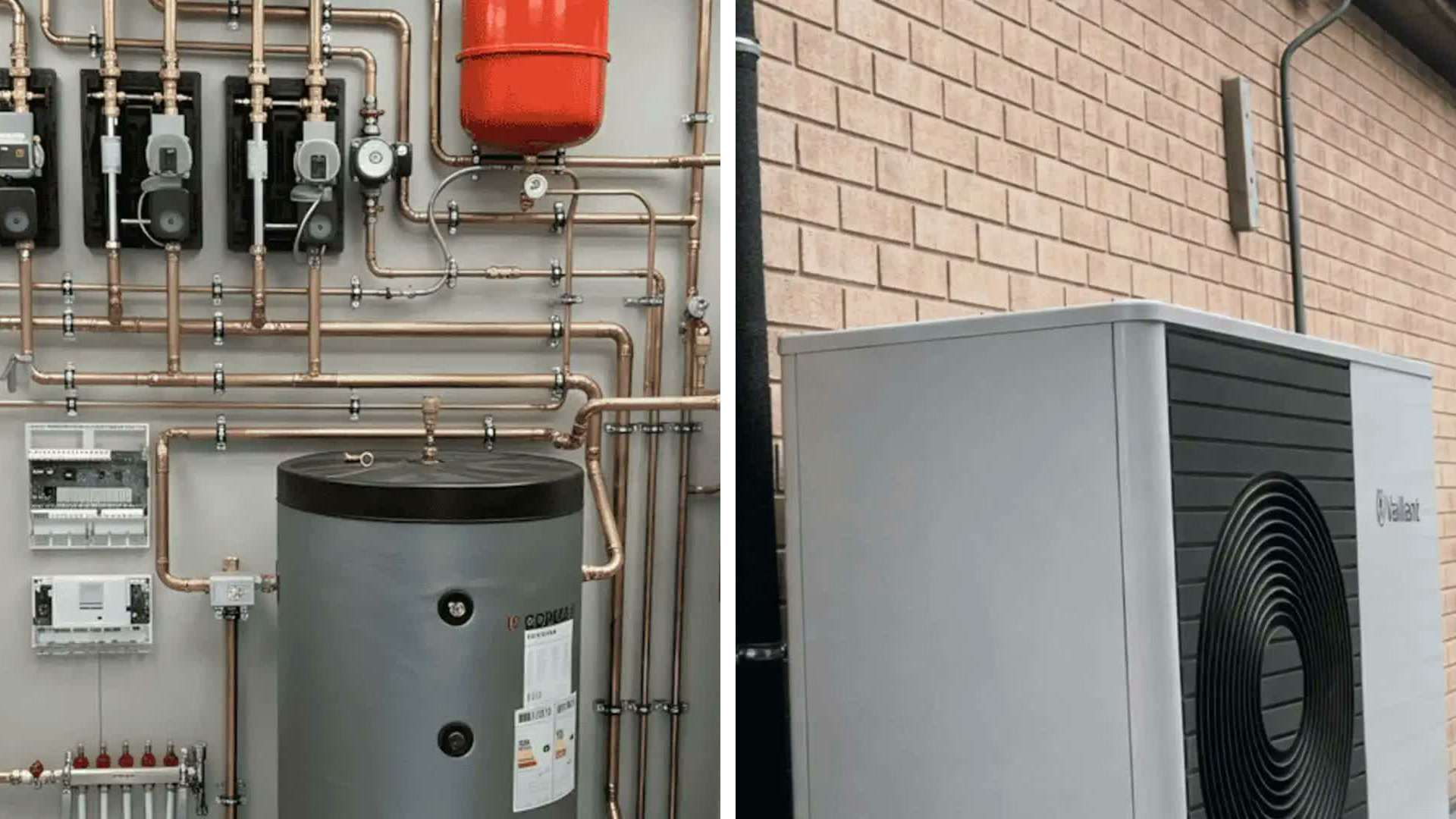
Set side by side, the heat pump pros and cons for a typical owner-occupied house look like this:
The cost, space and sound drawbacks come with any heat pump. The design drawback depends on the installer you choose.
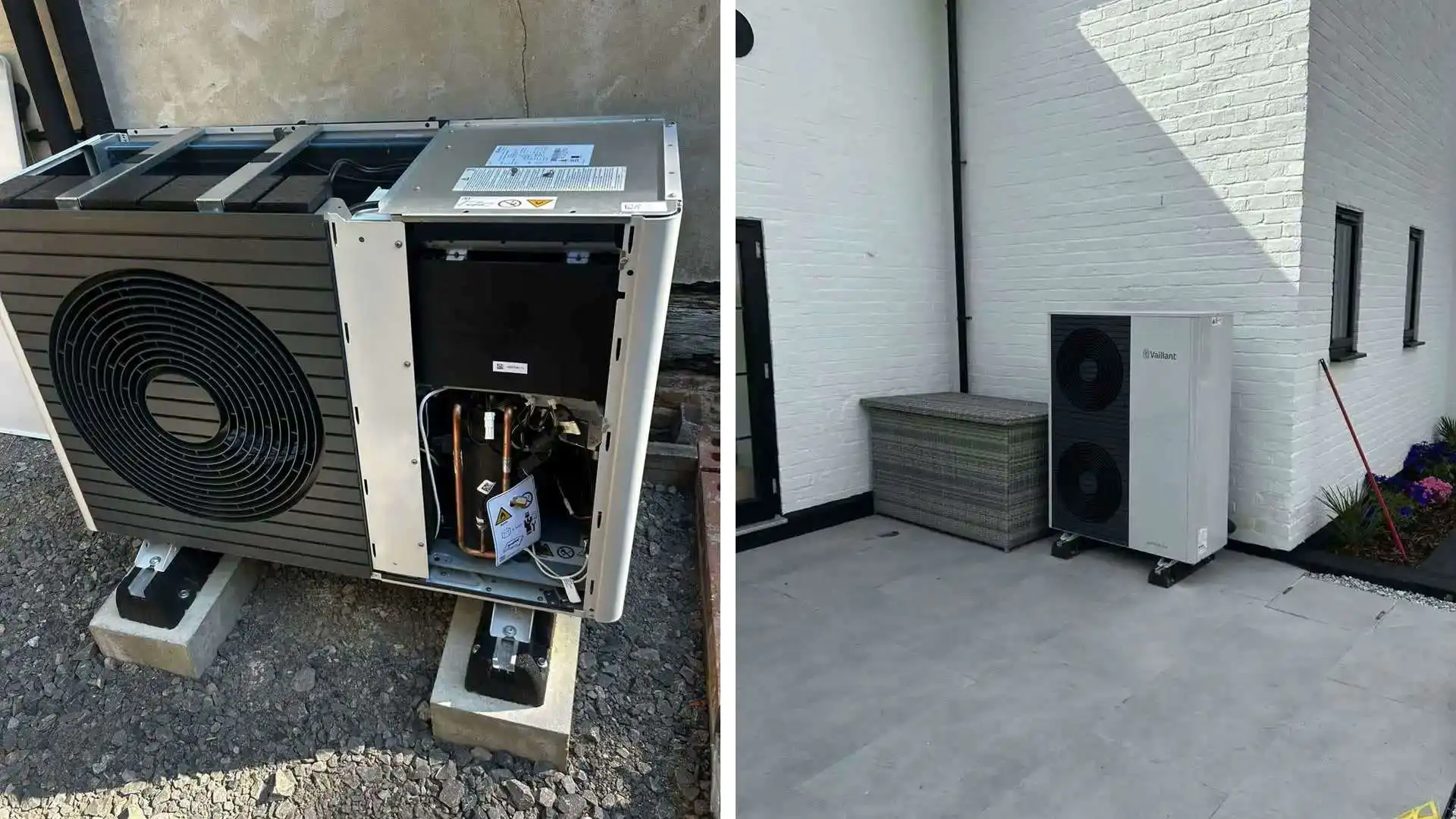
The air source heat pump disadvantages that turn into complaints are cold rooms, bills above the estimate and lukewarm showers. Each one traces back to a decision made before installation day:
All three fixes happen on paper before anyone lifts a floorboard. Adam is Heat Geek trained and designs every air source heat pump installation from those room-by-room figures.
The Blueprint lists the radiator schedule and flow temperature for your house, so you can see which of these risks applies before anything is fitted.
“Eco renewables where very clear and put my mind at rest, they did an excellent job and our house is always warm. I can’t believe how efficient the heat pump is considering our house is 300 years old.”
Paul-john Andrews, ⭐️⭐️⭐️⭐️⭐️ Google Review
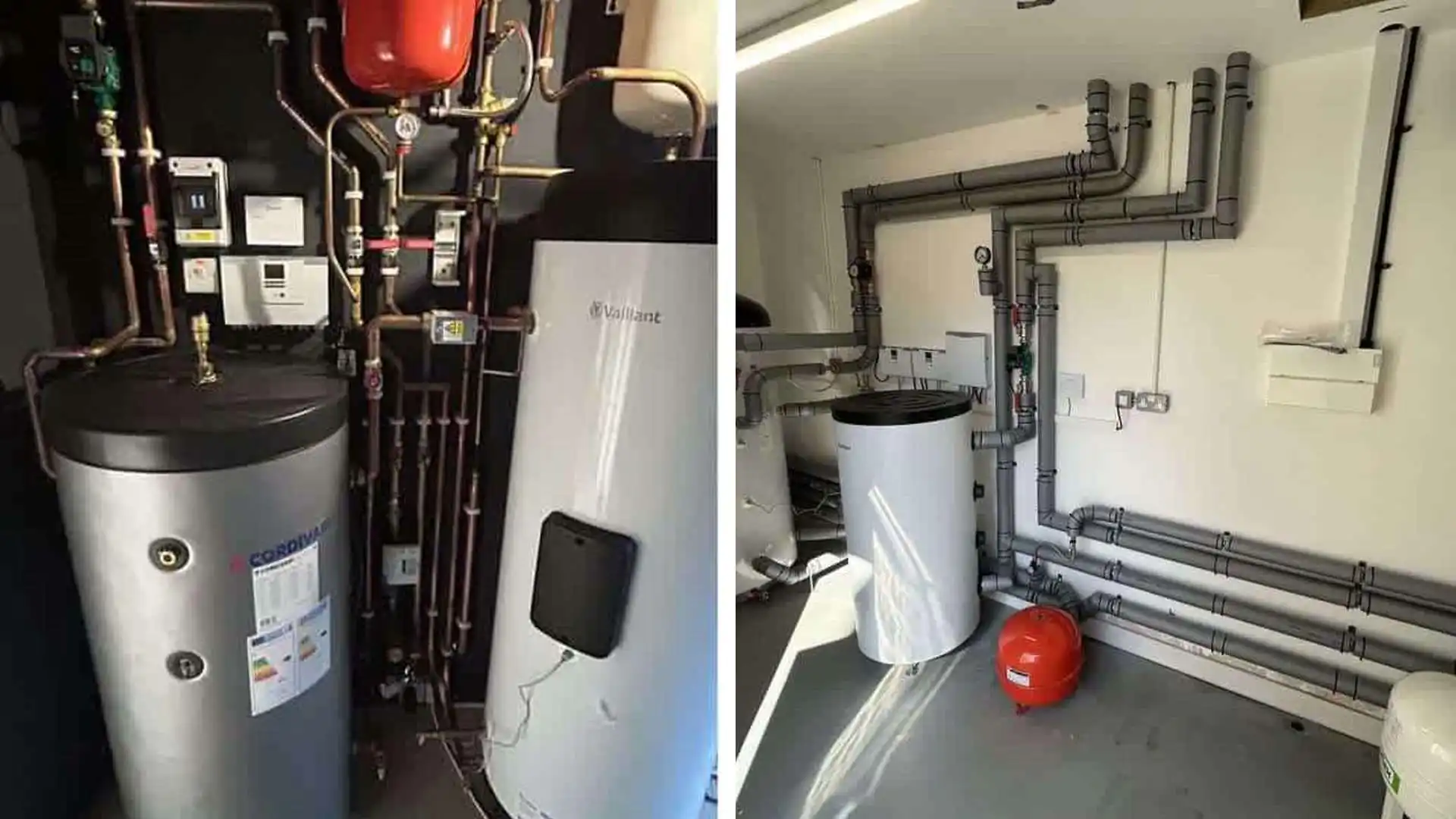
They do. In the Electrification of Heat interim results, air source heat pumps still ran at a median efficiency of 2.44 on the coldest days of the year, down from 2.80 across the year. Efficiency drops as the outside air cools, and a unit sized to the house still meets the house’s heat demand.
Air source median efficiency, Electrification of Heat interim results
Across the year
2.80
Coldest days of the year
2.44
Efficiency drops as the outside air cools, and a unit sized to the house still meets the house’s heat demand.
Manufacturers publish their limits. Viessmann states that its Vitocal 150-A reaches a 70°C flow temperature at outside temperatures down to -10°C, using R290 refrigerant. In damp weather around freezing, any air source unit also runs short defrost cycles to clear ice from its coil.
The cold day gets designed in from the start. MCS’s heat load calculator takes the design outdoor temperature for each location from CIBSE data covering 99.6% of hours in a year, and the installer sizes the heat pump to meet the house’s heat loss at that temperature.
Your Blueprint states the design outdoor temperature used for your house and the heat output it needs on that day.
“We’ve got a young family and even in cold spells we’re consistently warm, with no temperature fluctuations like our last heating system. Adams incredibly knowledgable about the systems and happy to answer any questions we had.”
Amy Spavins, ⭐️⭐️⭐️⭐️⭐️ Google Review
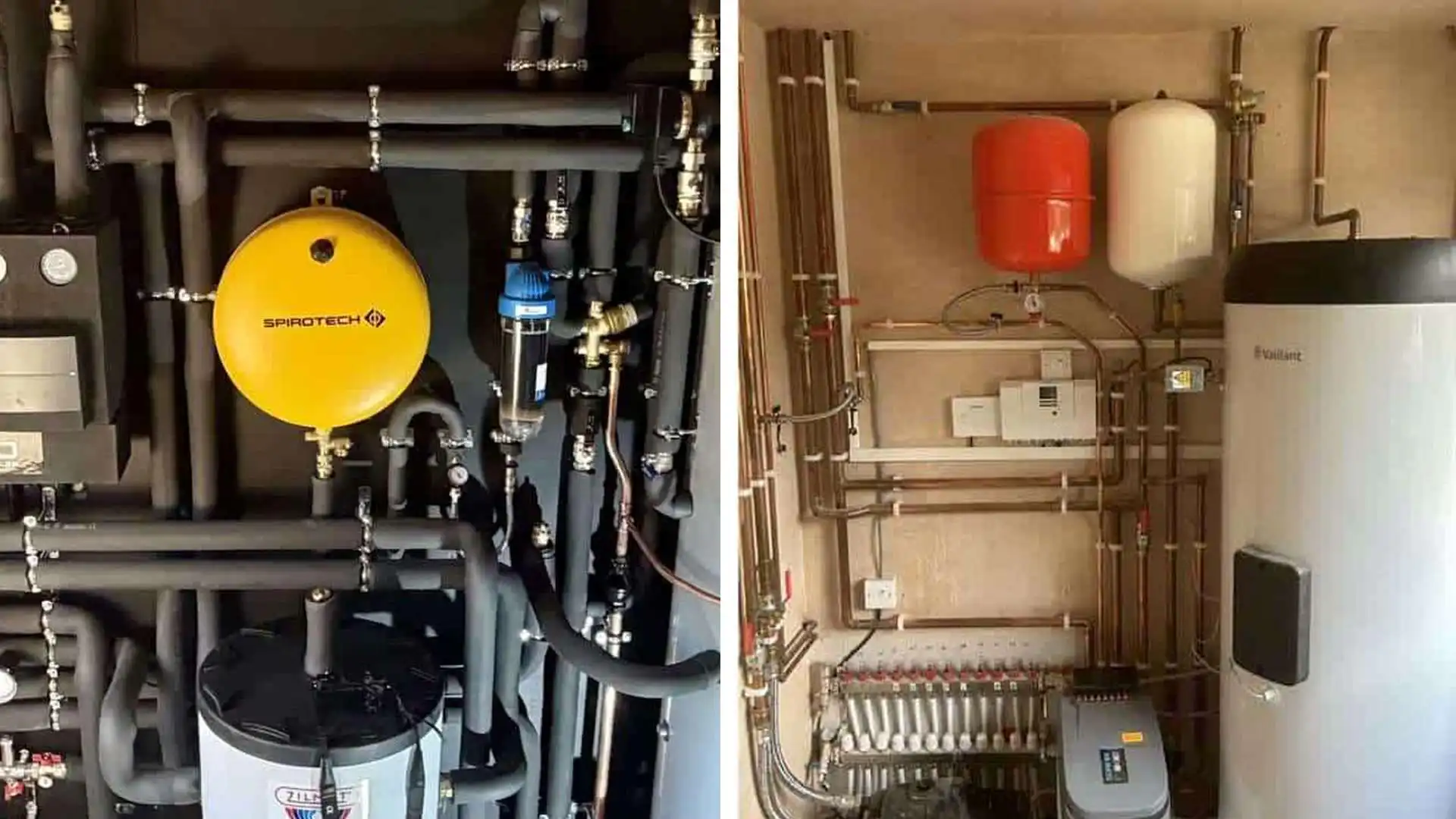
Housing across Berkshire and Surrey suits heat pumps well. Commuter towns such as Wokingham, Bracknell and Camberley have many 1960s to 1980s detached and semi-detached houses on gas, typically with gardens for the unit and an airing cupboard for a cylinder. The Victorian and Edwardian streets of older town centres need more design work and still qualify.
The £7,500 Boiler Upgrade Scheme grant applies in England and Wales if you own the property, you are replacing gas, oil, LPG or electric heating, and an MCS certified installer fits the system; most new builds are excluded. Since 28 April 2026 you no longer need an EPC to apply, and the installation carries 0% VAT until 31 March 2027. The gov.uk scheme page lists the full conditions.
£7,500 Boiler Upgrade Scheme: main conditions, England and Wales
Two checks at survey settle the verdict for each house: space for the unit and cylinder, and a heat loss the radiators can meet at a low flow temperature. Homeowners around Ascot can see how this applies in their area on our Ascot heat pump installation page.
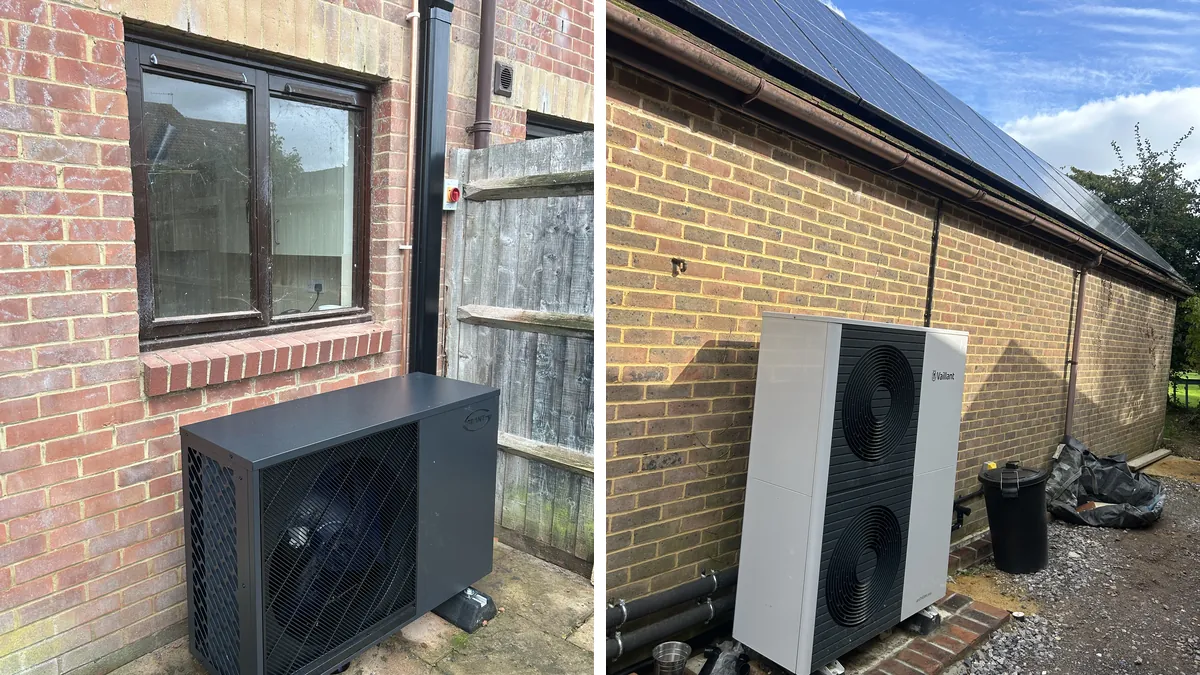
For an owner-occupied house replacing gas, oil, LPG or electric heating, usually yes, provided the system is designed from a room-by-room heat loss calculation. The Electrification of Heat field trial recorded an interim median air source efficiency of 2.80 across the year, and a design-led install aims higher. In England and Wales, the £7,500 Boiler Upgrade Scheme grant and 0% VAT reduce the upfront cost for eligible owners.
Yes, with careful design. The Electrification of Heat project completed 163 installs in pre-1945 homes and found no property type or era unsuitable. Nesta’s 2023 report found no significant difference in owner satisfaction by property age. Older houses often need some larger radiators and attention to draughts first.
A higher upfront cost than a boiler swap, the need for outdoor space and a cylinder cupboard, and some sound from the outdoor unit. The biggest risk is poor design: undersized radiators, a unit of the wrong size or flow temperatures set too high lead to cold rooms and higher bills.
Yes. Air source heat pumps in the Electrification of Heat trial ran at an interim median efficiency of 2.44 on the coldest days of the year. Viessmann states its Vitocal 150-A delivers 70°C flow at outside temperatures down to -10°C. Units run short defrost cycles in damp, near-freezing weather.
It can be, and design matters more as the house gets bigger. A large detached house loses more heat, so it needs a larger unit, more radiator capacity and a bigger cylinder. A room-by-room heat loss calculation shows whether one heat pump covers the load at a low flow temperature.
The Boiler Upgrade Scheme covers England and Wales, so owners in Berkshire and Surrey who meet its conditions can receive £7,500 towards the installation, which also carries 0% VAT until 31 March 2027. You must own the property, be replacing gas, oil, LPG or electric heating and use an MCS certified installer. Since 28 April 2026 you no longer need an EPC to apply.
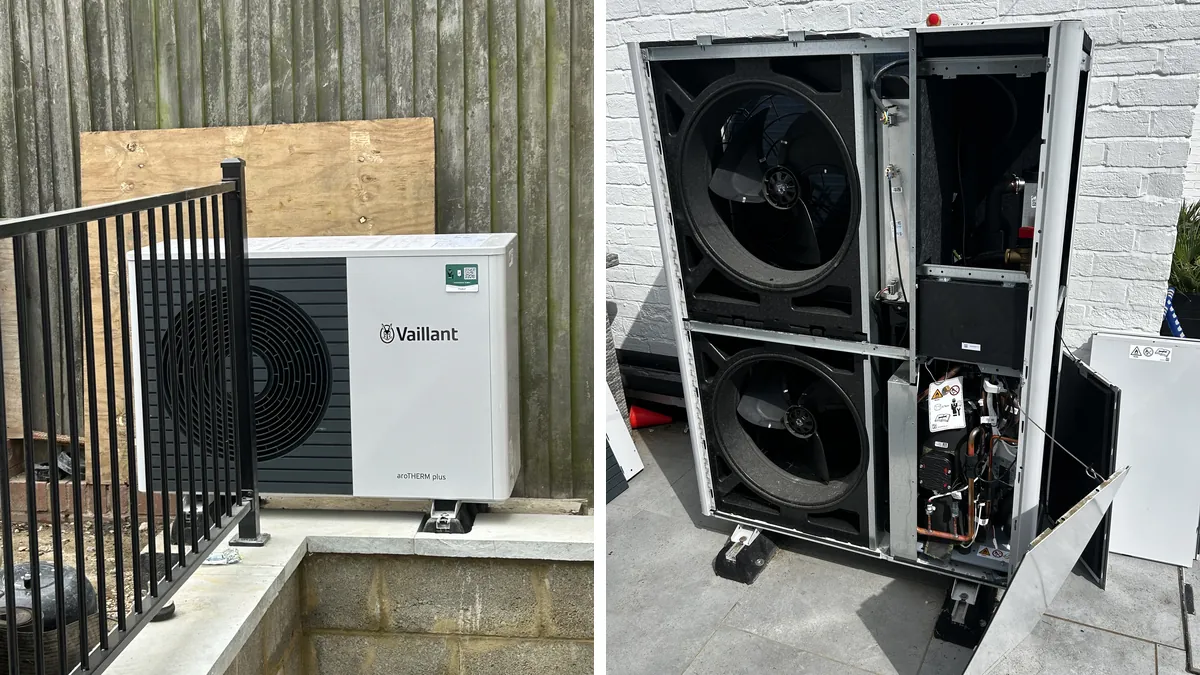
A national verdict only goes so far. The Heat Pump Blueprint sets out your home’s room-by-room heat loss, radiator schedule, flow temperature and hot water plan, so you can judge whether a heat pump is worth it for your house with your own figures in front of you.
More guides from the Eco Renewables blog on the same topic.
24 November 2026
Read the guide
24 November 2026
Read the guide
24 November 2026
Read the guideEco Renewables are trusted by homeowners throughout Berkshire and the South East to provide high-quality heat pump heating system installations.
If you're considering a heat pump, the survey is where it starts. We assess the property, run the heat loss calculations, and tell you exactly what the system would look like.
Get My Free Heat Pump Blueprint


