



Heat Pumps
Warm Homes Loan Eligibility for Homeowners and Private Landlords in Berkshire, Surrey, Bucks and South-West London
By Adam Dare
Heat Geek trained installer
Updated 21 November 2026
Reading time
🎉 Named South East Heating Installer of the Year 2026
Last updated: 21 November 2026
You can apply for a Warm Homes loan if you own the home you live in, with or without a mortgage, or let one out as a private landlord in your own name, and the home already exists. The checks below are for owner-occupiers and private landlords in Berkshire, Surrey, Bucks, North Hampshire and south-west London. Beyond ownership, Warm Homes loan eligibility comes down to the technology you install and the lender’s own credit and affordability checks, because the scheme sets no income limit.
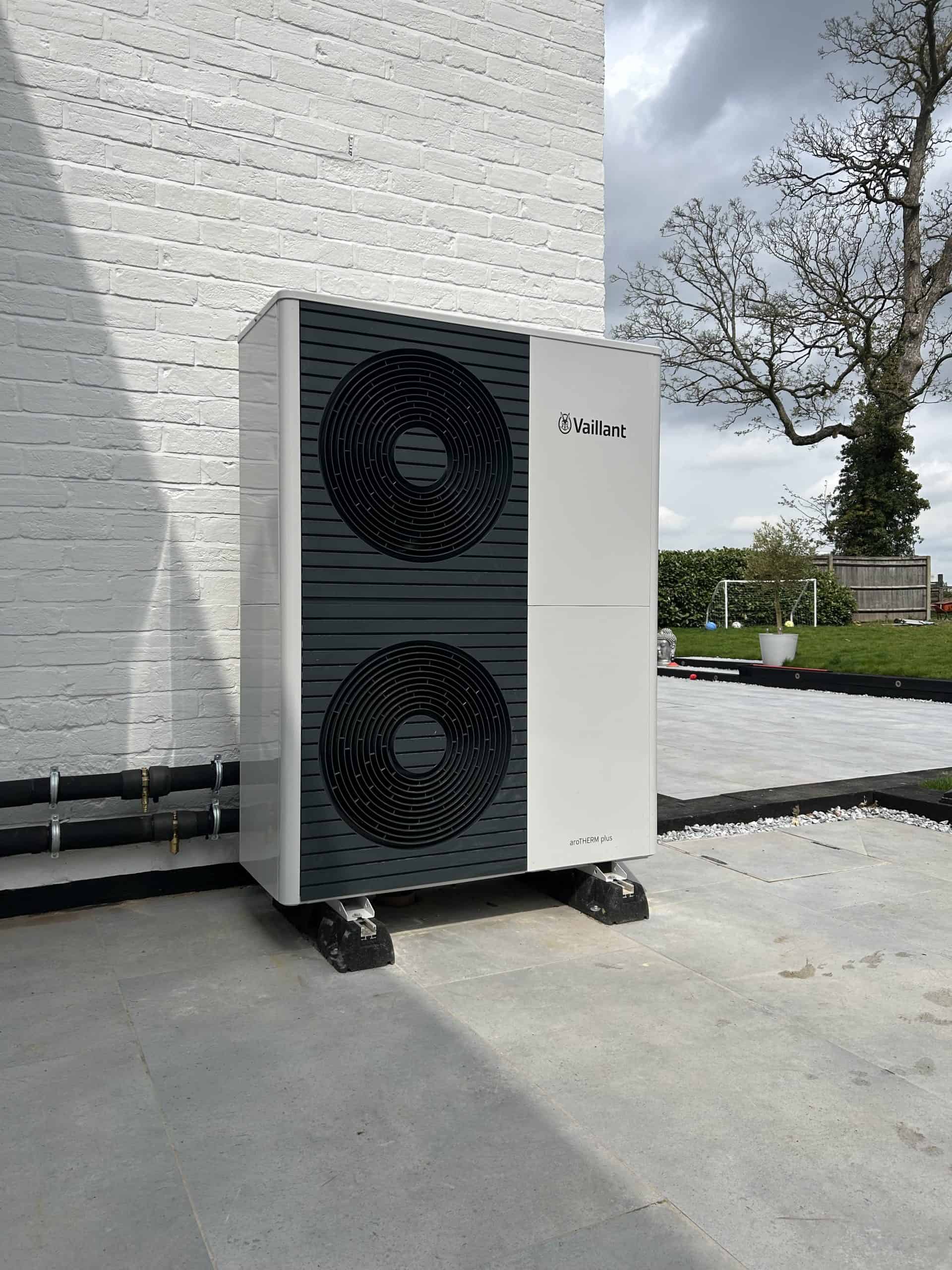
Two layers decide an application. The Warm Homes Loan Scheme Rules (September 2026) set the conditions every participating lender works to, and each lender can narrow them. Below is the scheme layer, set against the house types and council areas we survey from Reading to Guildford, with Census 2021 figures we pulled on 30 October 2026. The caps, the grant and the open questions are in our Warm Homes Loan Scheme guide.
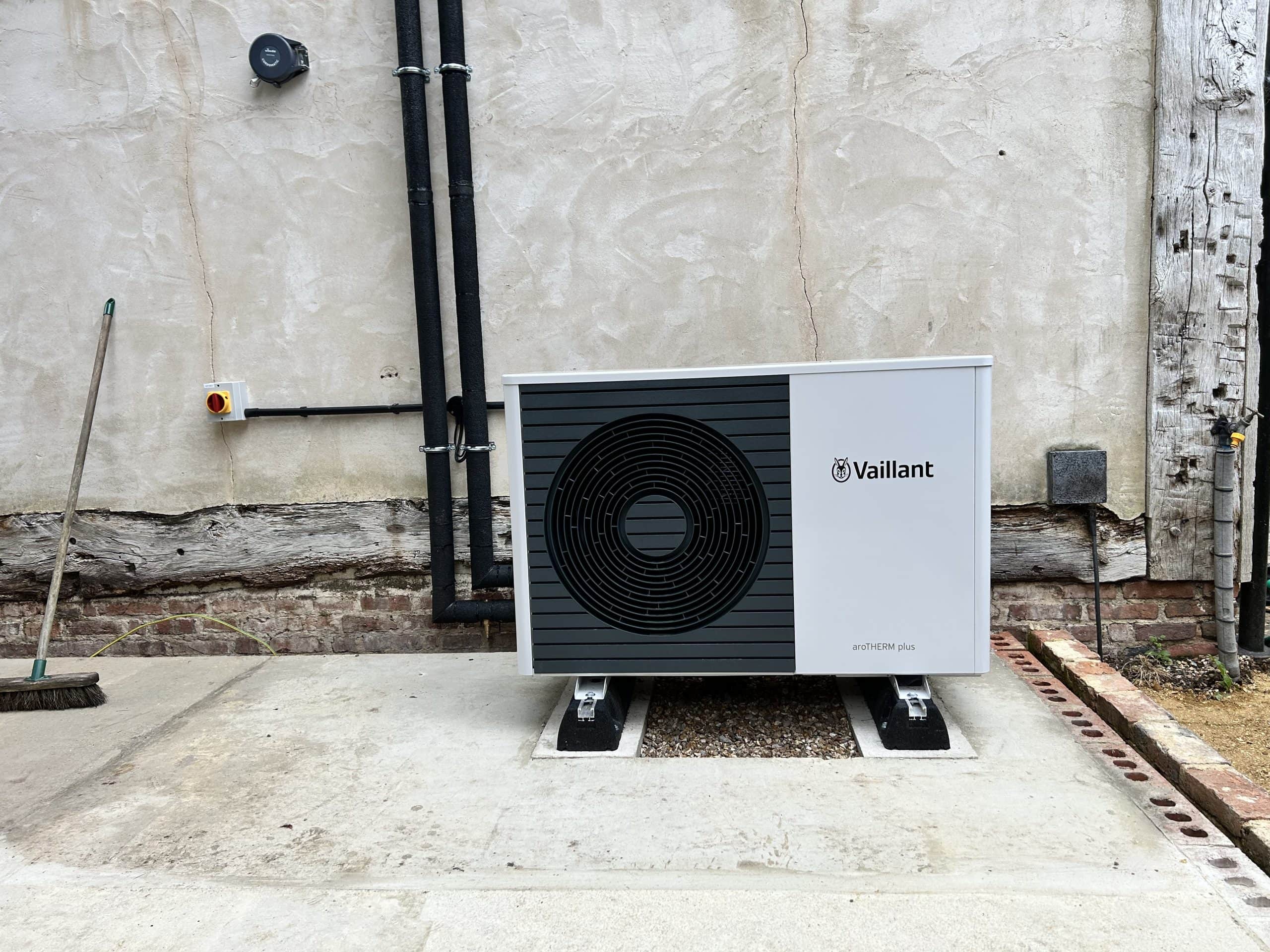
The rules open the loans to owner-occupiers of existing homes and to private landlords, each borrowing in their own name. GOV.UK’s eligibility page says you must own the property, and a mortgage on the home does not stop you applying.
You own the home and live in it, with or without a mortgage.
You let the home privately and borrow as an individual.
A limited company, SPV, business, council or housing association owns the home.
The scheme ties the loan to ownership, so the application goes in the owner’s name. If you rent privately, the person who can borrow for a heat pump on your home is your landlord.
Private landlords qualify on the same footing as owner-occupiers, as long as they borrow in their own name. That condition matters more in some of our towns than others: the private rented share of households is 14.1% in Wokingham and more than double that in Reading, at 31.9%.
Households renting from a private landlord, Census 2021
31.9%
Reading
30.7%
Slough
27.3%
Kingston upon Thames
19.6%
Guildford
ONS Census 2021 table TS054, via Nomis, pulled 30 October 2026
A Caversham terrace let in your own name fits the rules. The same house held through a limited company does not, because the scheme excludes businesses and special purpose vehicles. Rule 4.7 keeps mixed-use homes in where the household is the installation’s main user, and it gives annexes, converted garages, home businesses and short-term lets as examples.
The scheme funds improvements to existing residential property. Berkshire is still building, with the South of M4 development at Shinfield and the Warfield strategic site north of Bracknell both under way, and a plot a developer is still working on looks to fall outside: the rules speak of existing homes, and nothing in them brings a build in progress inside the scheme.
A house you moved into last spring on one of those estates is the grey area. You live there and it is complete, but the rules don’t define the point where a new build becomes an existing home, so the lender decides how it reads “existing”. Social housing sits outside the scheme whoever owns it, which in Slough takes out the 19.6% of households renting from a council or housing association.
Room by Room, Before Anything Is Ordered
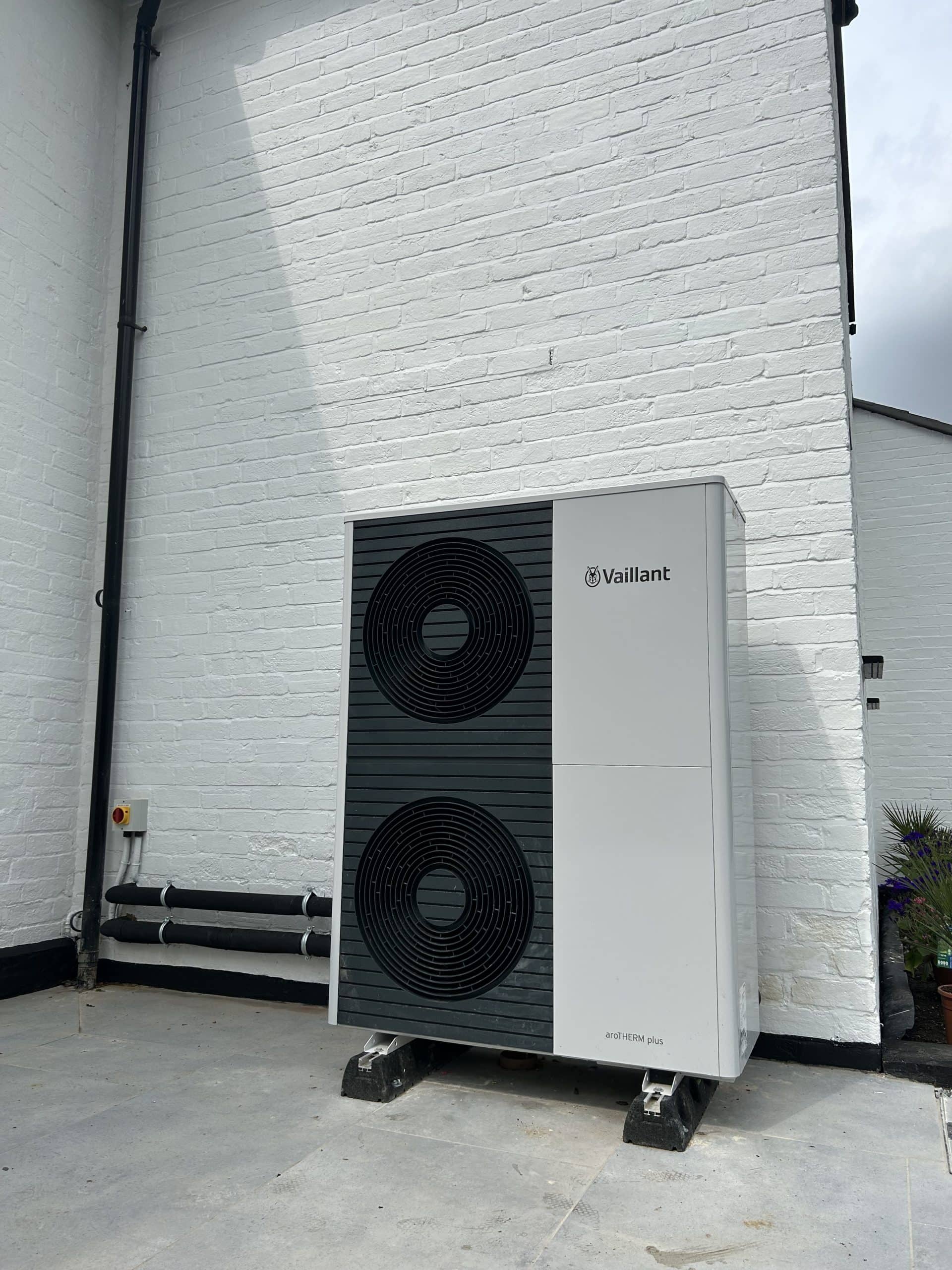
If your home passes the ownership and existing-home tests, the Blueprint shows what a heat pump there involves, room by room, before anything is ordered.
“Adam was great at working around the project, putting pipework in while ceilings were down, liaising with builder and being flexible with dates.”
Lucy Grainger, Google Review
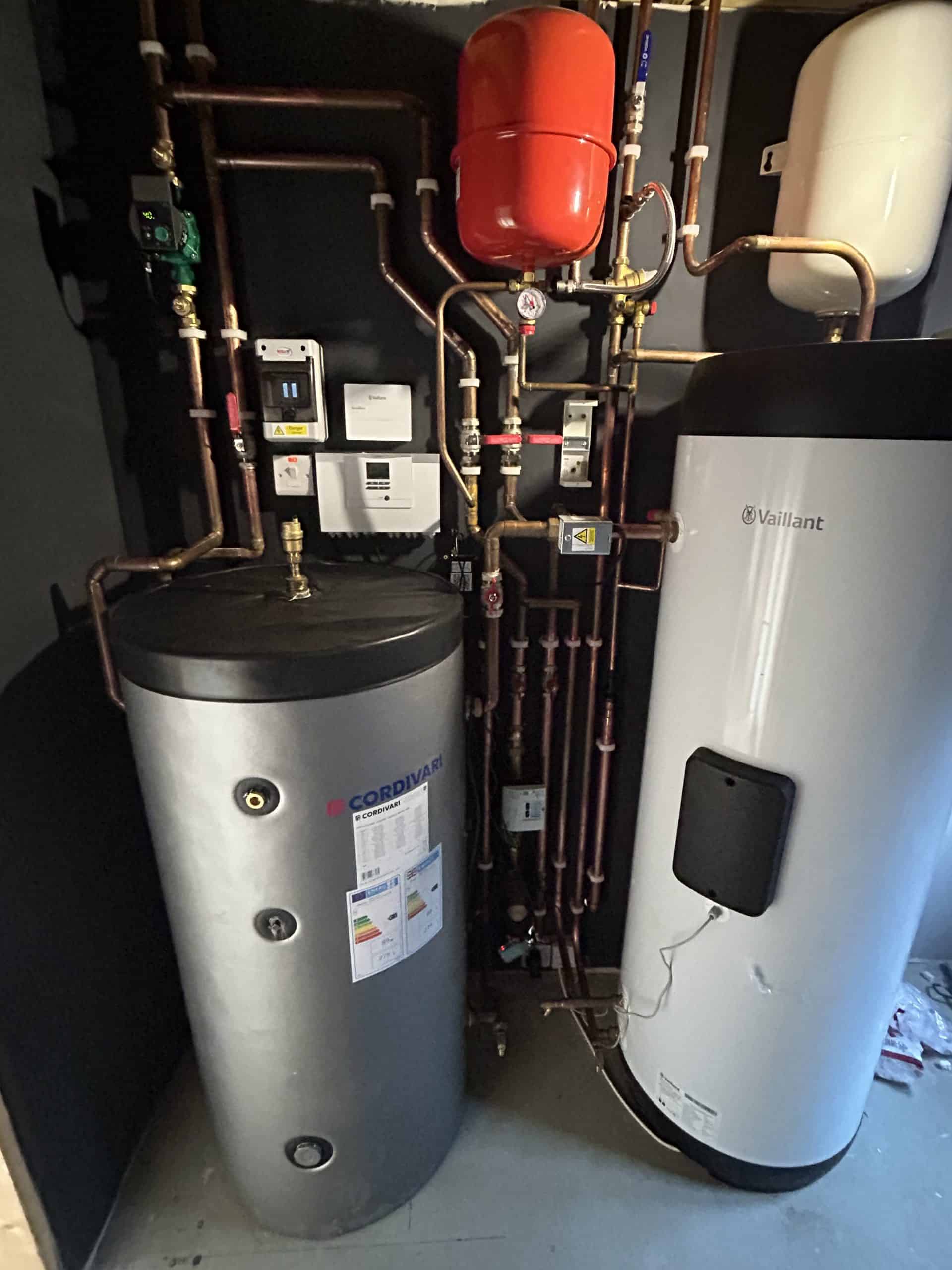
The scheme sets no property-type restriction, so a listed cottage in Sonning and a 1980s detached house in Bracknell face the same loan conditions. Planning is where the two part company. Wokingham Borough Council handles Sonning and Wargrave, the Royal Borough of Windsor and Maidenhead handles Cookham Village, and Richmond upon Thames handles Richmond Hill, so the outdoor unit’s position is a question for that council.
| Home | Loan position | What the survey checks |
|---|---|---|
| Victorian terrace in Reading or Caversham | Qualifies like any existing home | Radiator sizes and room for the outdoor unit |
| 1960s to 1980s detached house in Wokingham or Bracknell | Qualifies | Heat loss and cylinder space |
| Conservation-area or listed home in Sonning, Wargrave or Cookham | Qualifies on the loan side | Planning or listed building consent for the outdoor unit |
| Plot still being built at Shinfield or Warfield | Looks to fall outside | Completion, then the lender’s reading of “existing” |
Period homes raise design questions about heat loss and radiator sizing, which our guide to heat pumps in older homes works through.
The terraces and conservation streets of Richmond, Barnes and Twickenham meet the same test, and our Warm Homes loan guide for south-west London covers where an outdoor unit can sit on a London house.
Your Period House, Priced From Its Heat Loss
On an older house, the Blueprint sets the heat loss and radiator schedule room by room, so the price you take to a lender reflects your own walls.
“I can’t believe how efficient the heat pump is considering our house is 300 years old.”
Paul-john Andrews, Google Review
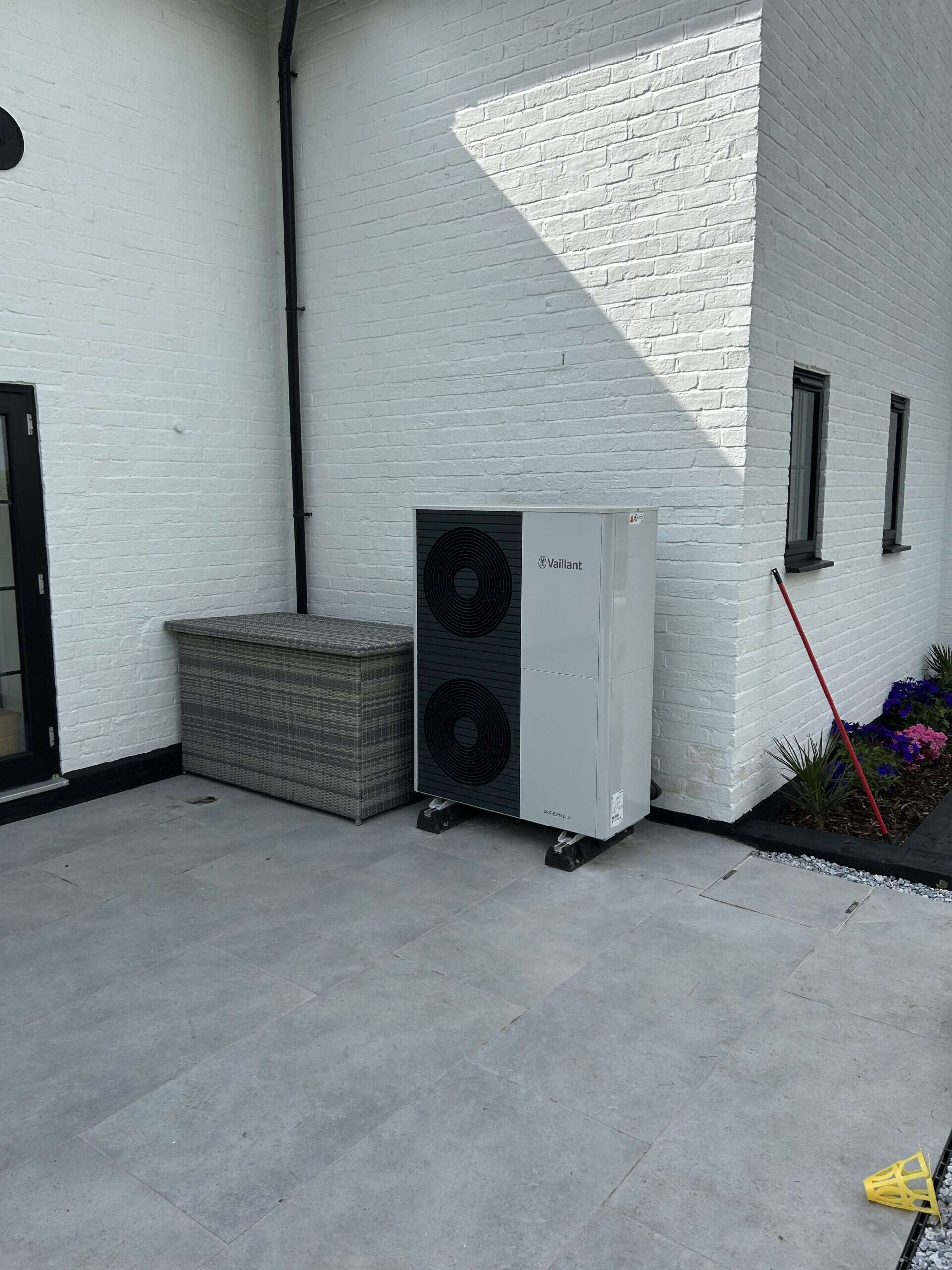
The scheme sets no income limit and no minimum EPC rating. Your salary plays no part in whether the scheme lets you apply; it comes in when the lender assesses affordability.
Each lender runs credit and affordability checks, and meeting the scheme’s conditions does not guarantee approval. Lenders can add criteria of their own, such as asking for an EPC, a mortgage already in place or a main home only. Our guide to Warm Homes Loan Scheme lenders sets out the GOV.UK list. We are an installer, not a lender or a credit broker. Your installation may qualify for funding under the Warm Homes Loan Scheme. We provide the MCS quotation and technical details your application needs. You choose an eligible lender and apply to them directly. We don’t give financial advice, recommend lenders or loan products, arrange credit, or judge whether a loan suits you.
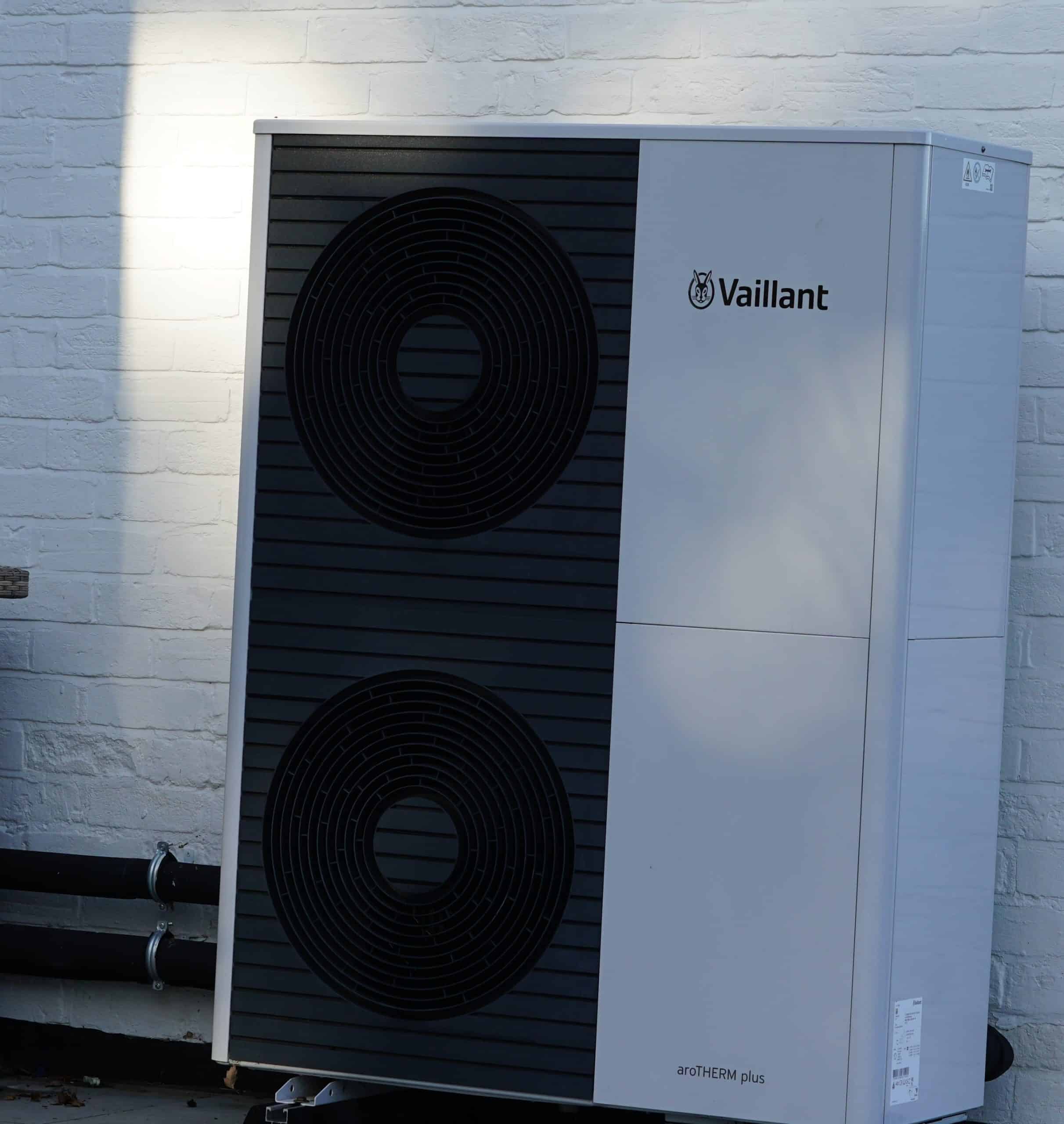
The loan covers an air source heat pump up to £20,000, ground source up to £35,000, and roof-mounted solar or a home battery up to £15,000 each, and each cap includes the related work. It is narrower than the words “warm homes” suggest.
| Covered by the loan | Not covered |
|---|---|
| A heat pump with its radiators, pipework and cylinder | Insulation, windows and doors |
| Roof-mounted solar panels, with scaffolding and the grid connection | Roofing or structural work needed before the panels go on |
| An air-to-water heat pump | Air conditioning (air-to-air systems) |
| A first heat pump in the home | A heat pump that replaces an existing heat pump or another low-carbon system |
| An EV charger fitted as part of a solar or battery job | An EV charger on its own |
You can put more than one improvement in one application, and the scheme publishes no combined maximum. For a heat pump job, our heat pump finance page sets the loan beside the grant.
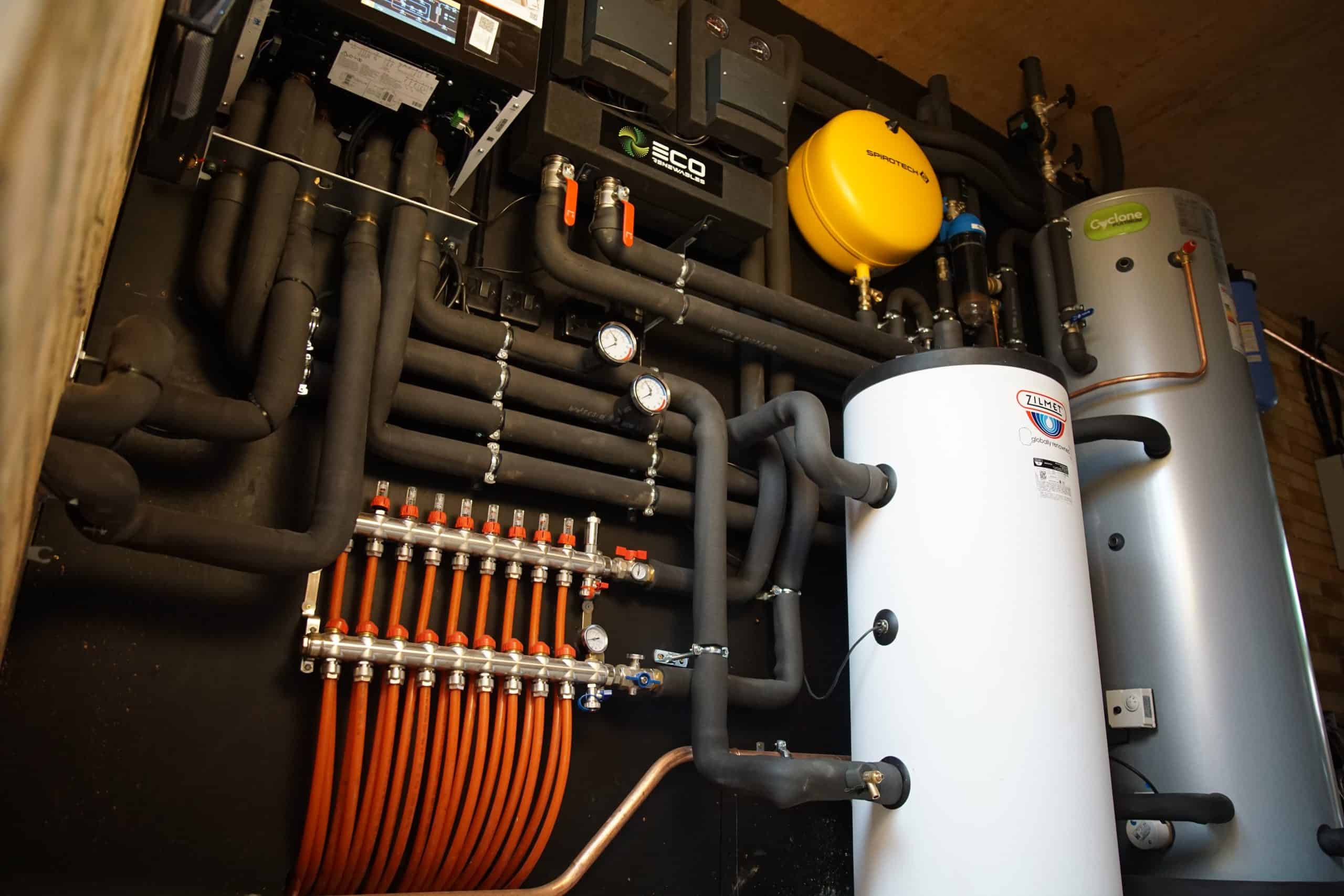
Housing across our area runs from Georgian and Victorian townhouses on St Leonards Road in Windsor and Edwardian villas in Charlotteville and Pewley Hill in Guildford to new-build estates and large village renovations. The scheme treats them alike, and seven checks decide whether yours can go forward.
Before you apply
A pass on all seven moves the question to price, and the installed price decides how much of the £20,000 air source cap you would use.
Seven Checks Passed, Now the Price
With the checklist done, the Blueprint gives you that price for your house, line by line.
“He is very knowledgeable in this area and clearly explained the benefits of installing a heat pump, along with the options available and the steps that would be involved.”
Ben Finnie, Google Review
Yes, private landlords borrowing in their own name can apply on the same terms as owner-occupiers. A landlord letting through a limited company or SPV is outside the scheme, and so is social housing.
No. The scheme sets no income limit. Each lender runs its own credit and affordability checks, and those decide whether you get the loan.
A home a developer is still building looks to be excluded, because the scheme covers existing homes. For a finished house on one of those estates, the lender decides how it applies the “existing home” condition.
The scheme sets no minimum EPC rating or efficiency requirement. A lender can ask for an EPC as one of its own criteria, so check with the lender you apply to.
No. The scheme has no property-type rule, so a home in the Sonning or Cookham conservation area qualifies on the same terms as any other. Planning for the outdoor unit is a separate question for the council, and we check it at the survey.
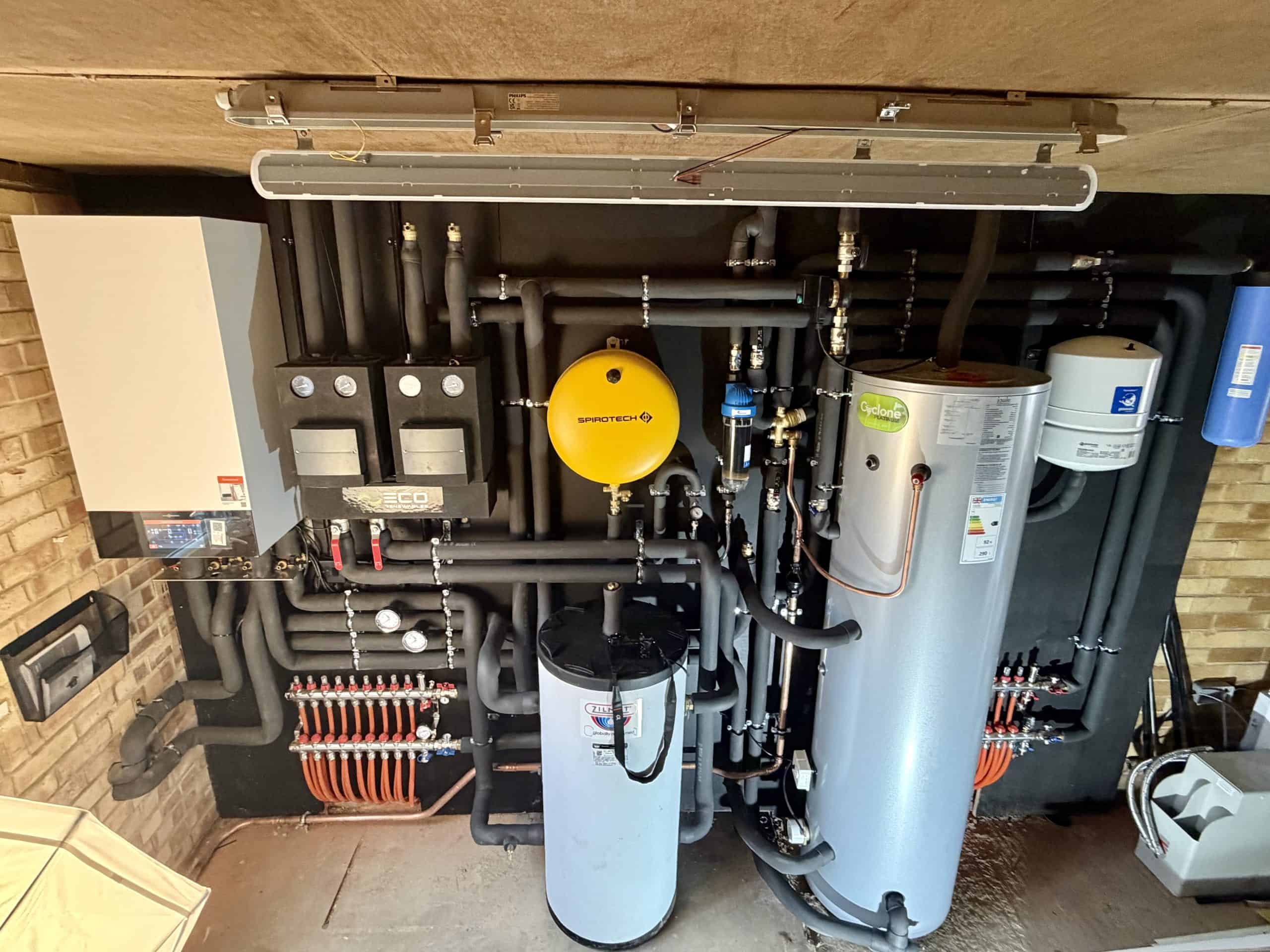
Once the checklist says you can apply, the installation price decides how much of the cap you would use. The Heat Pump Blueprint gives you that figure, with the heat loss and radiator design behind it.
Sources checked 29 October 2026: GOV.UK Warm Homes Loan Scheme consumer guide (eligibility); DESNZ Warm Homes Loan Scheme Rules v3 (September 2026), rules 3.2 to 3.9, 4.4 to 4.20; DESNZ factsheet. Census 2021 table TS054 (tenure) from ONS via Nomis, pulled 30 October 2026.
More guides from the Eco Renewables blog on the same topic.
24 November 2026
Read the guide
24 November 2026
Read the guide
24 November 2026
Read the guideEco Renewables are trusted by homeowners throughout Berkshire and the South East to provide high-quality heat pump heating system installations.
If you're considering a heat pump, the survey is where it starts. We assess the property, run the heat loss calculations, and tell you exactly what the system would look like.
Get My Free Heat Pump Blueprint


