



Heat Pumps
Turned Down for a Heat Pump by Octopus or Another Installer? What Berkshire and Surrey Homeowners Can Do Next
By Adam Dare
Heat Geek trained installer
Updated 12 November 2026
Reading time
🎉 Named South East Heating Installer of the Year 2026
Turned down for a heat pump after a survey? This guide is for homeowners in Berkshire and Surrey who own the house and still want one. The refusal answers a narrower question than it seems: would that company fit its own package in your house as it stands today. Find out whether the house or the package failed, because the two answers lead to different fixes.

Start with the reason before you book anyone else. A heat loss figure, the rooms or pipe runs that fell short and the flow temperature the surveyor designed for tell a second installer far more than the word no.
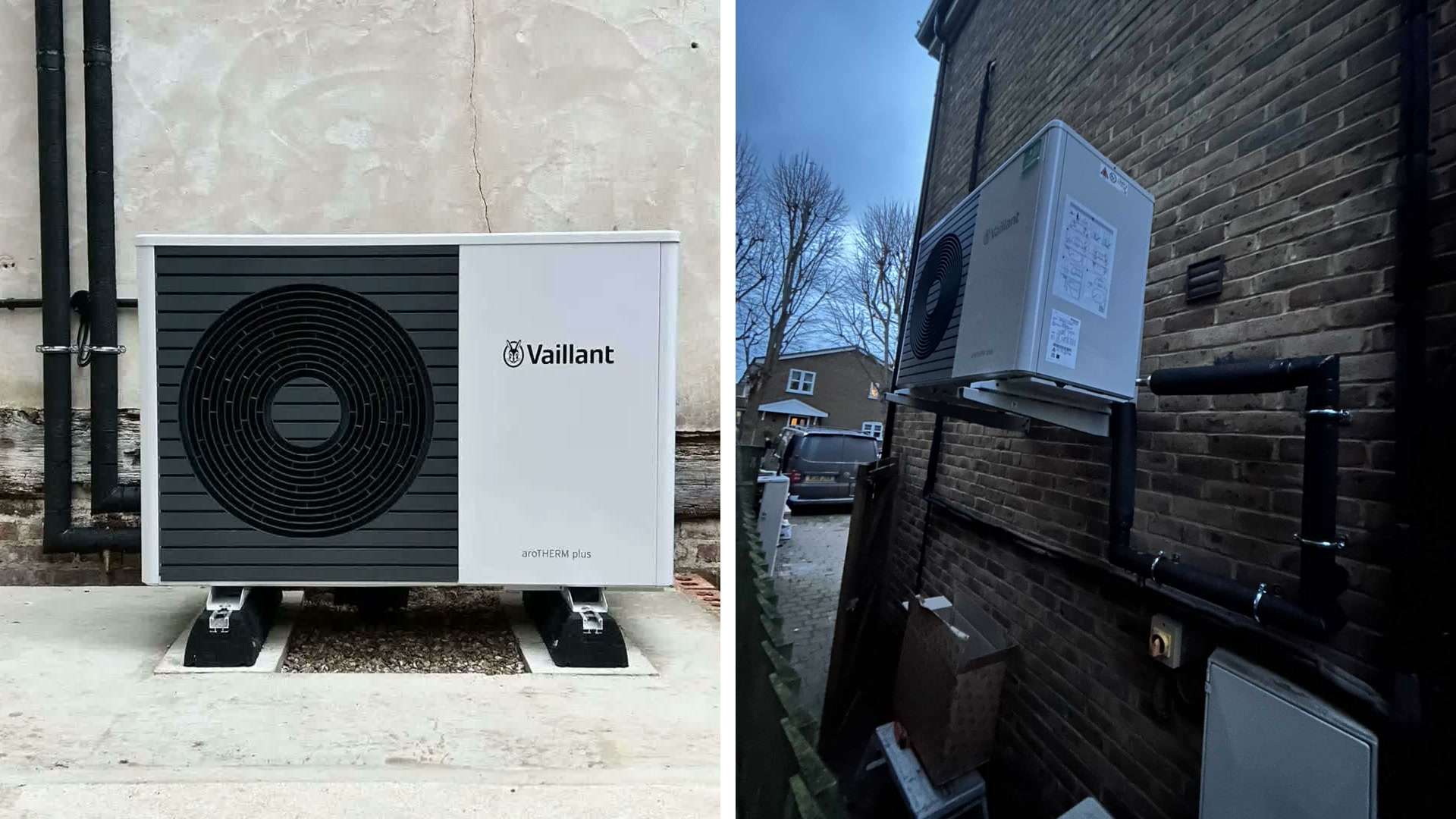
Had your Octopus heat pump rejected after the survey? Its heat pump terms (Version 12, 4 March 2026) price each job on a Standard Installation, one needing minor changes to the house inside and out. Replacing a one-pipe system, underground works and network operator changes such as unlooping sit outside it, and Octopus decides each property’s eligibility itself.
The Cosy heat pump page adds two published limits, read on 10 November 2026. Cosy units work with copper or plastic microbore pipes of 10mm or larger, and the largest model, the Cosy 12, covers a heat loss of up to 11.2 kW. Where a Cosy is the wrong fit, Octopus says it matches you with an alternative from Daikin or Grant.
British Gas sets its own bar. Its Warm Home Promise terms reserve the right to decline a quote, or to require insulation upgrades first, where it deems suitable temperatures out of reach. If the refusal boils down to “heat pump not suitable for my house”, each published rule above gives you a question to ask.
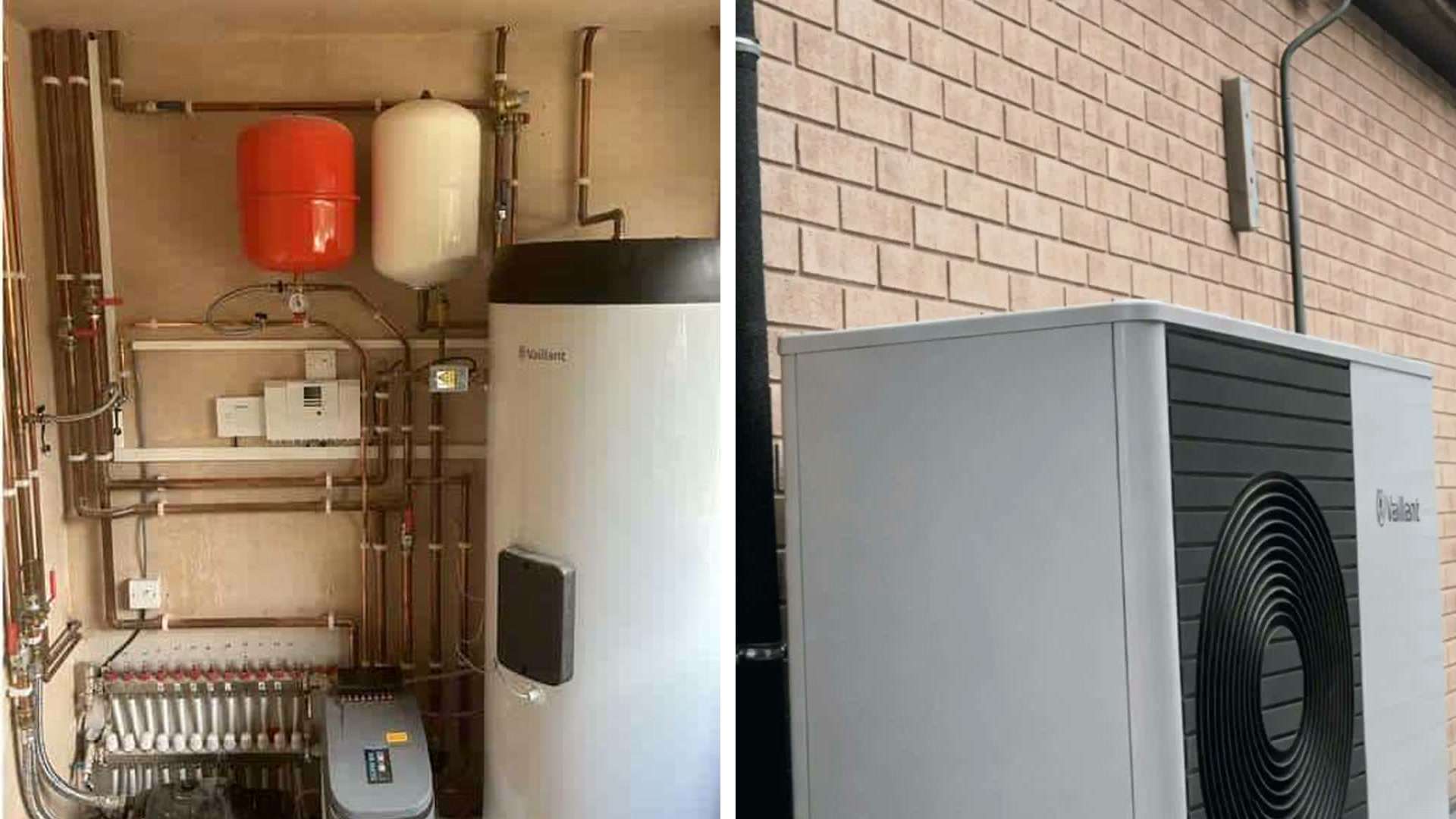
Five parts of a house can each block an install: the pipes, the emitters, the heat loss, cylinder space and the outdoor unit’s position. A combi-boiler house needs room for a hot water cylinder, and permitted development only covers the outdoor unit if its noise, worked out by the MCS 020(a) method, comes to no more than 37 dB(A) one metre from a neighbour’s habitable-room window.
| Blocker | What the fix involves | What a second survey checks |
|---|---|---|
| Microbore pipes (8mm or 10mm) | Re-piping the runs too narrow for the flow | Pipe size and length on each radiator run |
| Skirting-board heating | New emitters, or maker’s output data at low temperature | Whether the skirting is water-filled or electric |
| High heat loss | Insulation and draught work, or a larger unit | Whole-house heat loss in kW on a cold day |
| No space for a cylinder | A cupboard or loft space sized for one | Daily hot water demand and cylinder dimensions |
| Nowhere for the outdoor unit | Another wall or garden position | Noise at the nearest neighbour against 37 dB(A) |
Heat pump water runs cooler than a gas boiler’s and has to move faster to carry the same heat, so a narrow pipe caps what reaches its radiator. A designer checks each microbore run against its room’s need. Radiator output is the other half of that sum, covered in our guide on new radiators for a heat pump.
See Which Blocker Applies to You
The Blueprint puts your heat loss, radiator schedule and hot water plan on paper, so you can see which of these five applies to your house.
“Adam recently completed a heat pump install in my house in Twyford. With a failed gas boiler I needed the work done in a hurry and by good fortune identified Adam and his team to do the work. From the moment I met Adam I knew that he was the right man for the job.”
Gerard Barron, Google Review
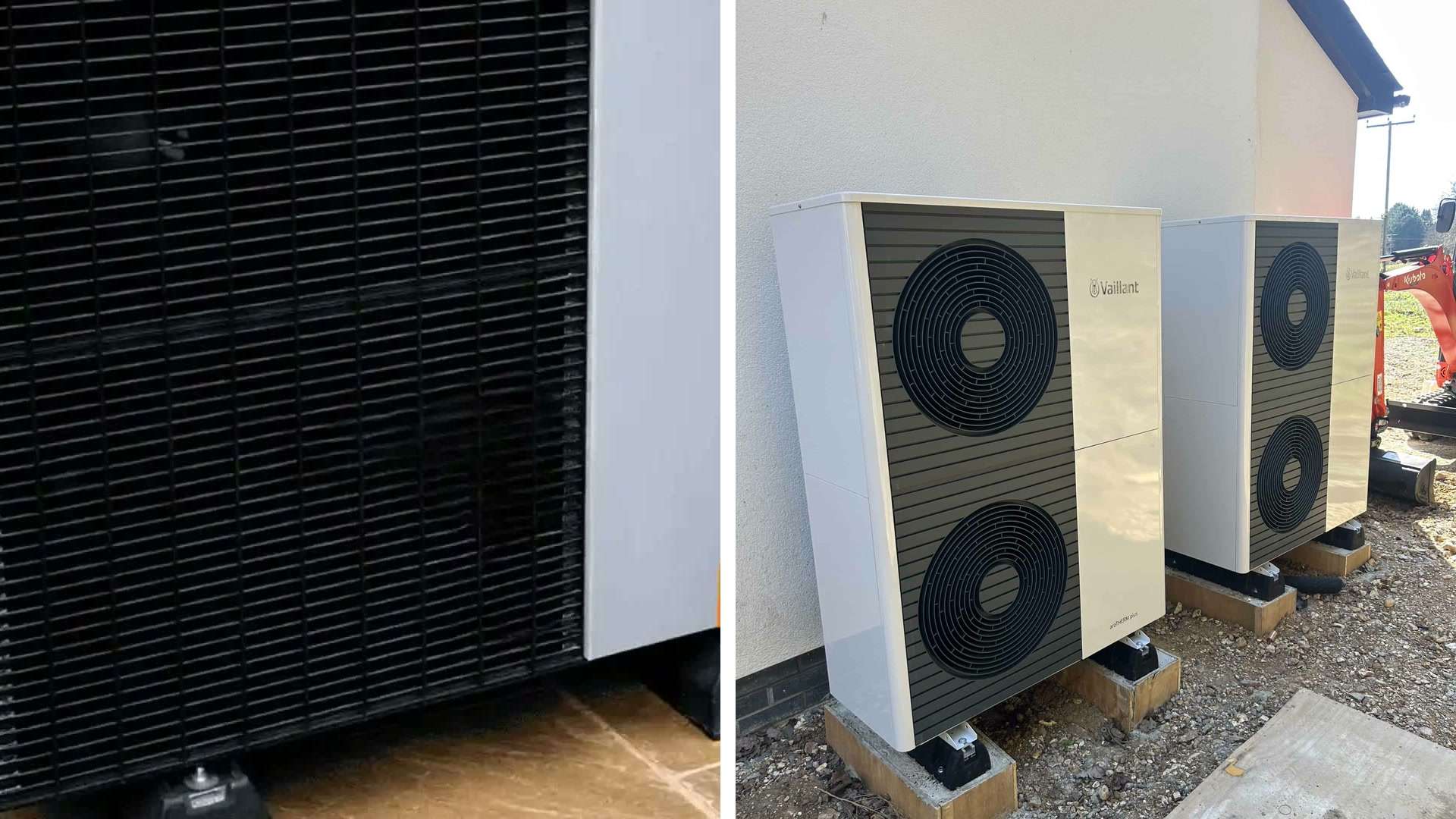
Ask the company that turned you down for its reason in writing, with the figures behind it. A second installer can then start from the problem instead of rediscovering it, and you can tell a house problem from a package problem.
Ask for these in writing
Octopus’s terms also describe an Additional Works Quote, a priced offer for work beyond the Standard Installation, so ask which of the two you hold. Take the answers to your next survey, and our guide to the heat loss survey explains what that visit measures.
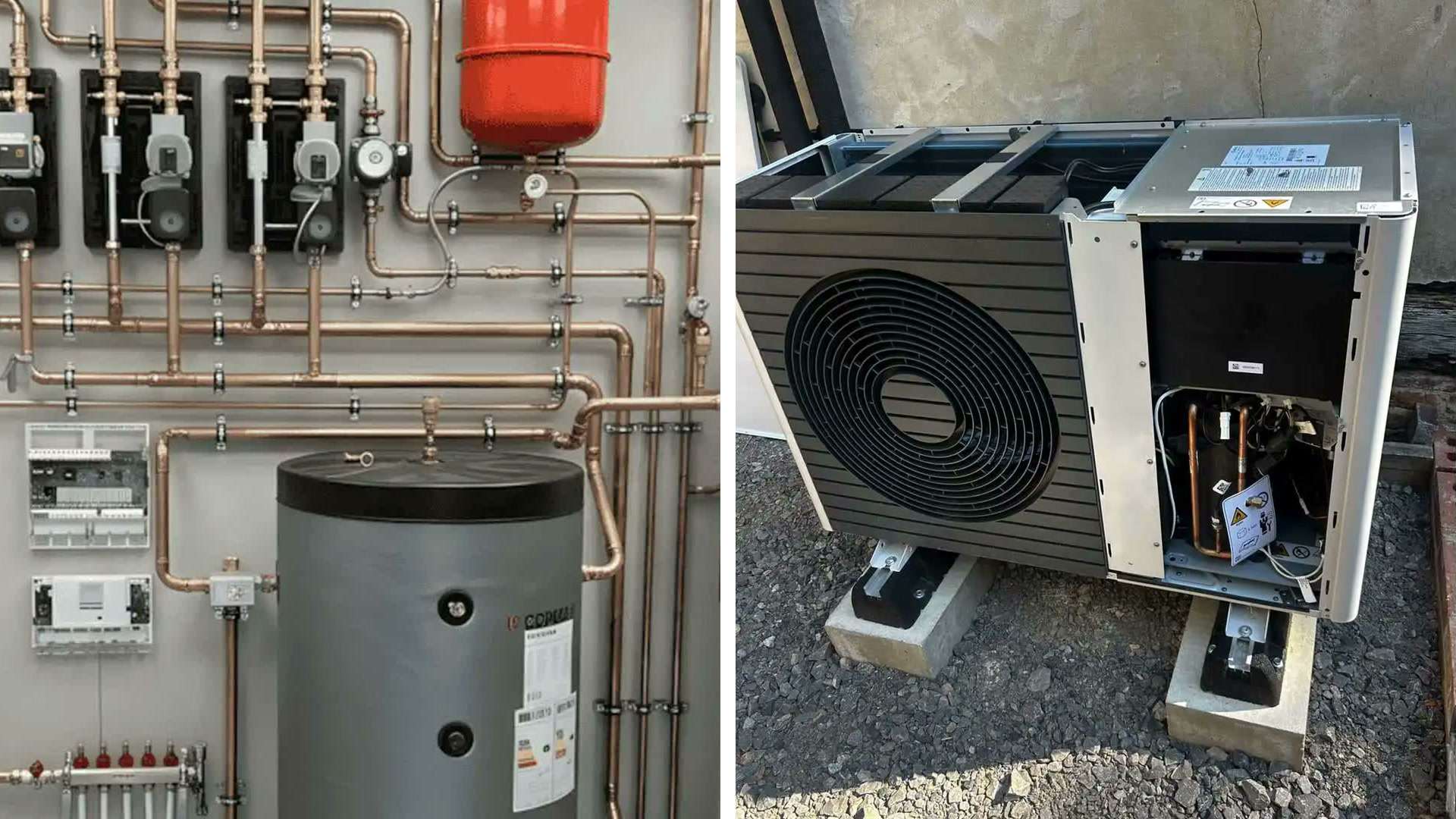
Some refusals come down to the package. Pipework outside a standard installation, a radiator that needs upsizing or a cupboard cleared for a cylinder can all be designed and priced, and a narrow microbore run can be replaced on its own. That work adds to the price, and 0% VAT applies to the installation until 31 March 2027.
Other refusals come from the house. A heat loss too high for one unit at a sensible flow temperature follows you to any installer: insulation brings it down, or the design grows to two units working together. Where no position passes the 37 dB(A) noise test, permitted development stops covering the unit and a planning application decides instead.
These can be designed and priced, and the work adds to the price.
These follow you to any installer.
Listed houses sit in a third group: a heat pump there needs planning permission and listed building consent, so a finished design still waits on the council.
Put the Work in the Right Order
A written design shows which job comes first in your house, pipework, radiators or insulation, before you spend money on any of them.
“He is very knowledgeable in this area and clearly explained the benefits of installing a heat pump, along with the options available and the steps that would be involved. He has made himself available at short notice to answer any of my stupid questions, of which there were a lot.”
Ben Finnie, Google Review
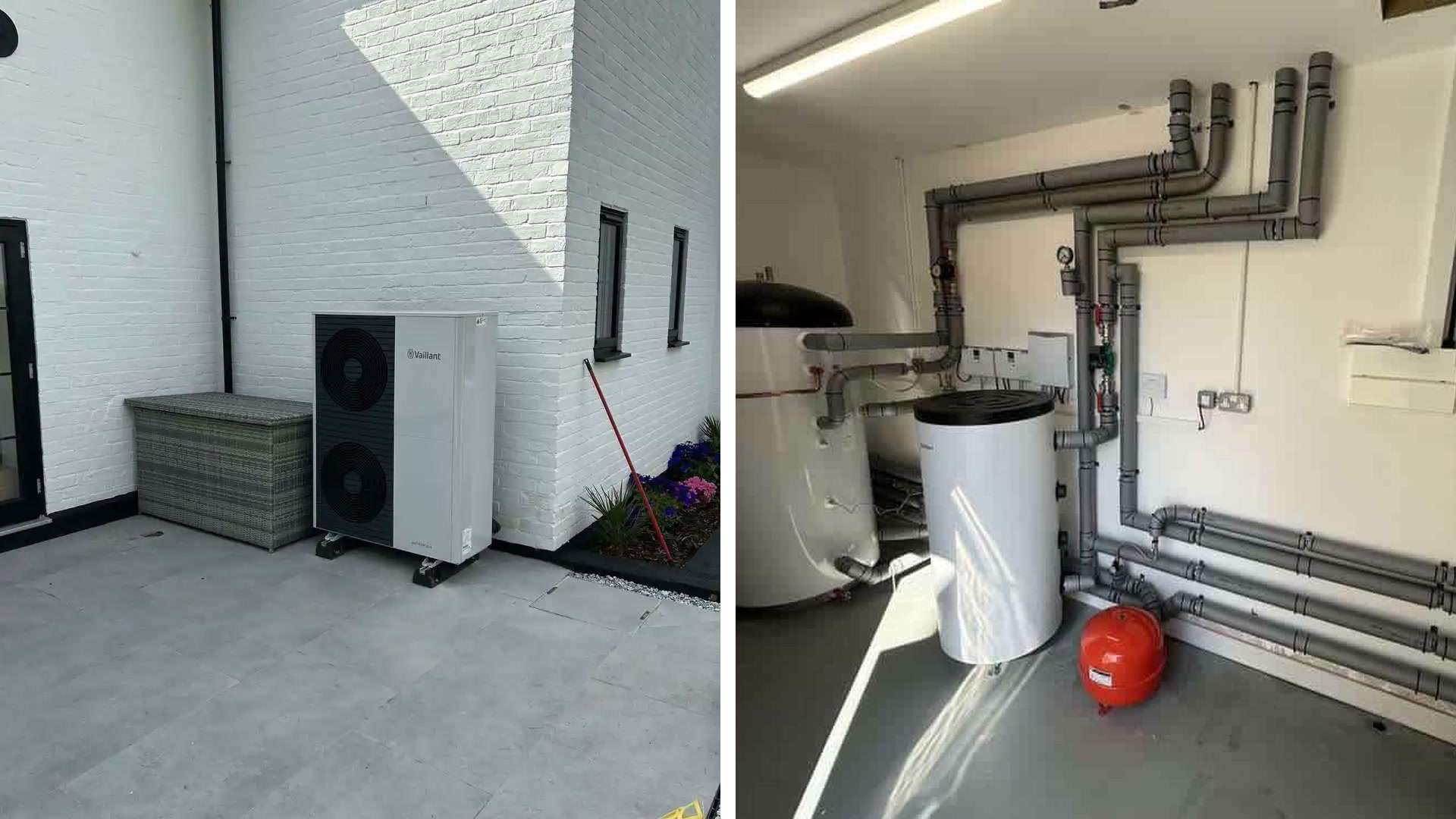
A second survey with an MCS certified installer measures the house again, room by room. Adam Dare, a Gas Safe engineer and Heat Geek trained installer, designs each air source heat pump installation from those figures, and the Heat Pump Blueprint sets them down: heat loss per room, a radiator schedule, flow temperatures and a hot water plan.
A second survey can end in the same answer. If the heat loss is too high for a sensible flow temperature, the Blueprint shows that figure, and insulation becomes the first job, with the heat pump design after it. Where the first refusal came from the package, the Blueprint shows what the extra work involves, and changes the survey finds are priced before you commit.
Weighing a national package against a local installer for the second attempt? Our Octopus heat pump comparison sets the national offers side by side.
Compare Two Surveys Side by Side
Set a second design beside the first company’s written reasons and you can see where the two surveys part ways.
“Eco renewables installed a heat pump for us, we was originally overwhelmed by all the information and different information we was given by different installers. Eco renewables where very clear and put my mind at rest, they did an excellent job and our house is always warm. I can’t believe how efficient the heat pump is considering our house is 300 years old.”
Paul-john Andrews, Google Review
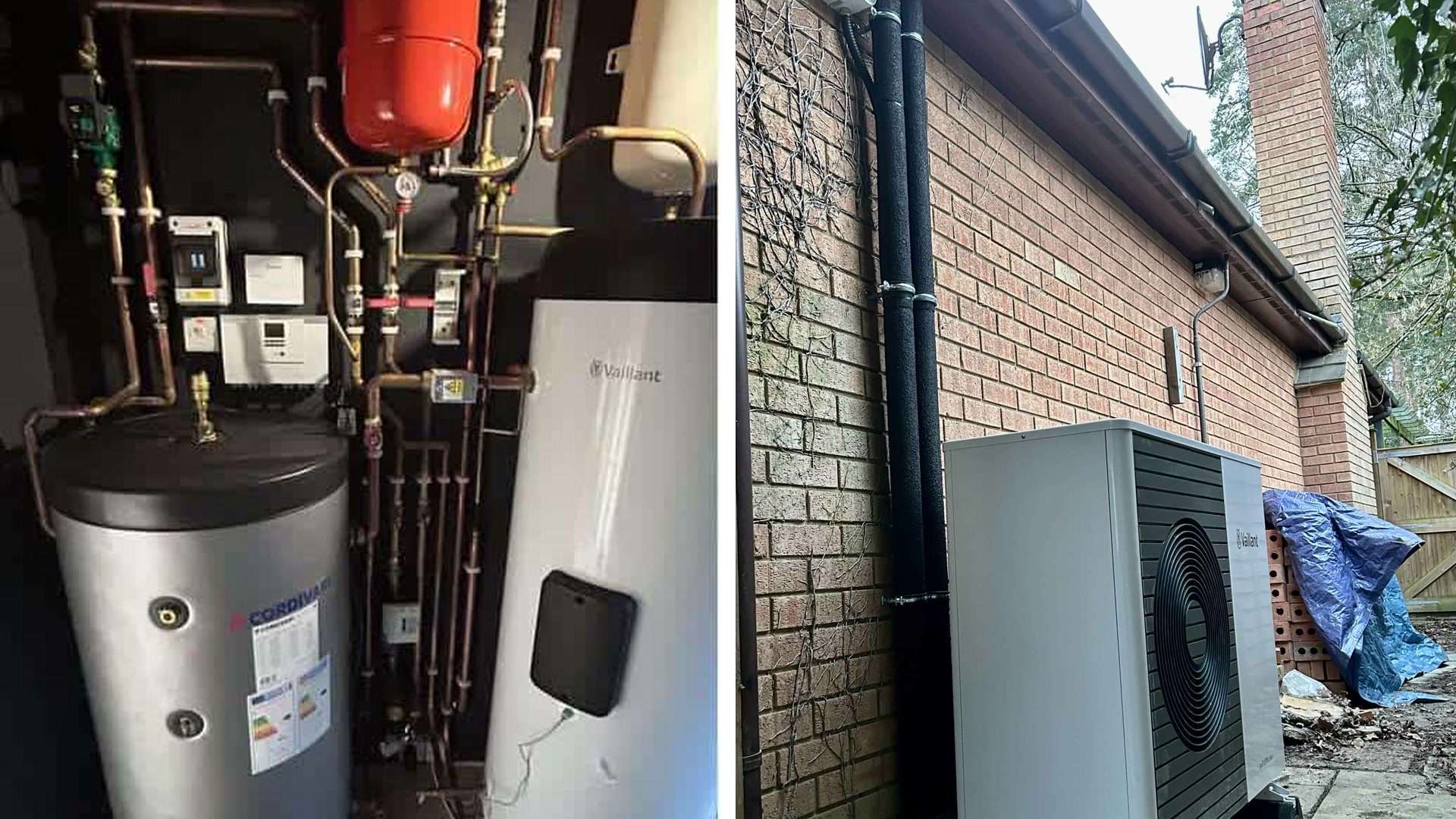
Berkshire and Surrey’s commuter towns hold many detached and semi-detached houses built between the 1960s and 1980s, and older town centres keep their Victorian and Edwardian streets. In the newer houses, cylinder space and pipework are the first things to check; in the older streets, solid walls push the heat loss up.
Get the reason in writing
The heat loss figure, the rooms that fell short and any failed pipe runs.
Sort house from package
Pipework and radiators can be priced, while heat loss and space may need building work.
Book a second design
An MCS certified installer is the route to the £7,500 grant for eligible owners.
Compare the two heat loss totals
A wide gap means different assumptions, so ask both installers which.
Set the order of work
Insulation first where the heat loss demands it, then the heat pump design.
Homeowners in Wokingham can see how a survey and design run in their town on our Wokingham heat pump installation page.
Yes. Octopus’s heat pump terms (Version 12, 4 March 2026) say it decides each property’s eligibility at its sole discretion, from your online details, follow-up calls or emails and, where needed, an in-person survey. If the survey finds the property ineligible, the terms say Octopus refunds the deposit.
Not on its own. Octopus states that its Cosy heat pumps work with copper or plastic microbore of 10mm or larger. A designer checks each microbore run against the heat its room needs; runs too narrow to carry enough flow get replaced, and the rest can stay.
Not on its own. Electric skirting heaters have no water circuit for a heat pump to feed, so those rooms need new emitters. Water-filled skirting can stay where its maker publishes enough output at a low flow temperature, so have the product name ready for your survey.
A design earns its keep when it gives you room-by-room heat loss figures, a radiator schedule and a flow temperature that any MCS installer can price against. Before you pay for one, check that those figures come to you in writing and are yours to keep. Our Heat Pump Blueprint sets out the same figures for your house.
Sometimes. If the heat loss is too high for a sensible flow temperature, or there is no room for a cylinder, a second installer meets the same limit. Where the outdoor unit fails the 37 dB(A) test in every position, the question moves to a planning application. If the refusal came from work outside a standard package, a second design shows what that work involves and what it costs.
Yes, if you meet the Boiler Upgrade Scheme conditions. The scheme covers England and Wales, and owners in Berkshire and Surrey qualify when they own the property, are moving off a gas, oil, LPG or electric heating system and use an MCS certified installer, who applies on your behalf; a new build its developer is still building does not qualify. You have not needed an EPC to apply since 28 April 2026.
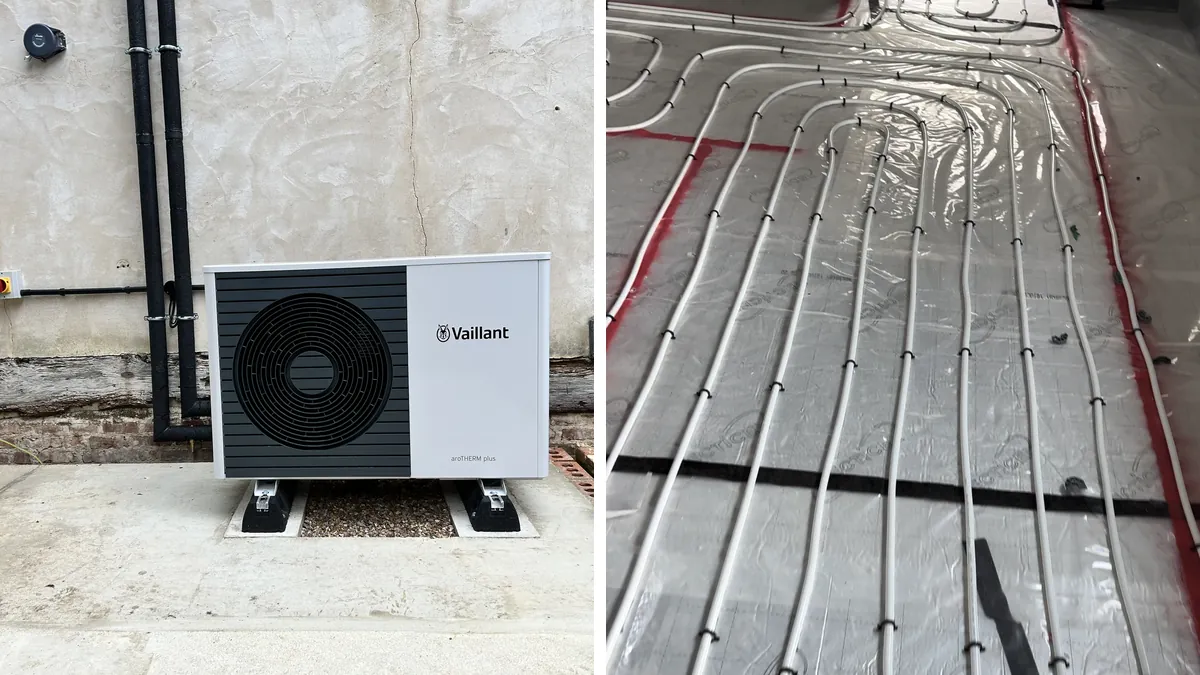
Being turned down for a heat pump left you with one company’s reasons. The Heat Pump Blueprint gives you your own room-by-room figures, so you can see what stands between your house and a heat pump.
More guides from the Eco Renewables blog on the same topic.
24 November 2026
Read the guide
24 November 2026
Read the guide
24 November 2026
Read the guideEco Renewables are trusted by homeowners throughout Berkshire and the South East to provide high-quality heat pump heating system installations.
If you're considering a heat pump, the survey is where it starts. We assess the property, run the heat loss calculations, and tell you exactly what the system would look like.
Get My Free Heat Pump Blueprint


