



Heat Pumps
Boiler Upgrade Scheme in Berkshire and Surrey: Who Gets the £7,500 Heat Pump Grant
By Adam Dare
Heat Geek trained installer
Updated 23 November 2026
Reading time
🎉 Named South East Heating Installer of the Year 2026
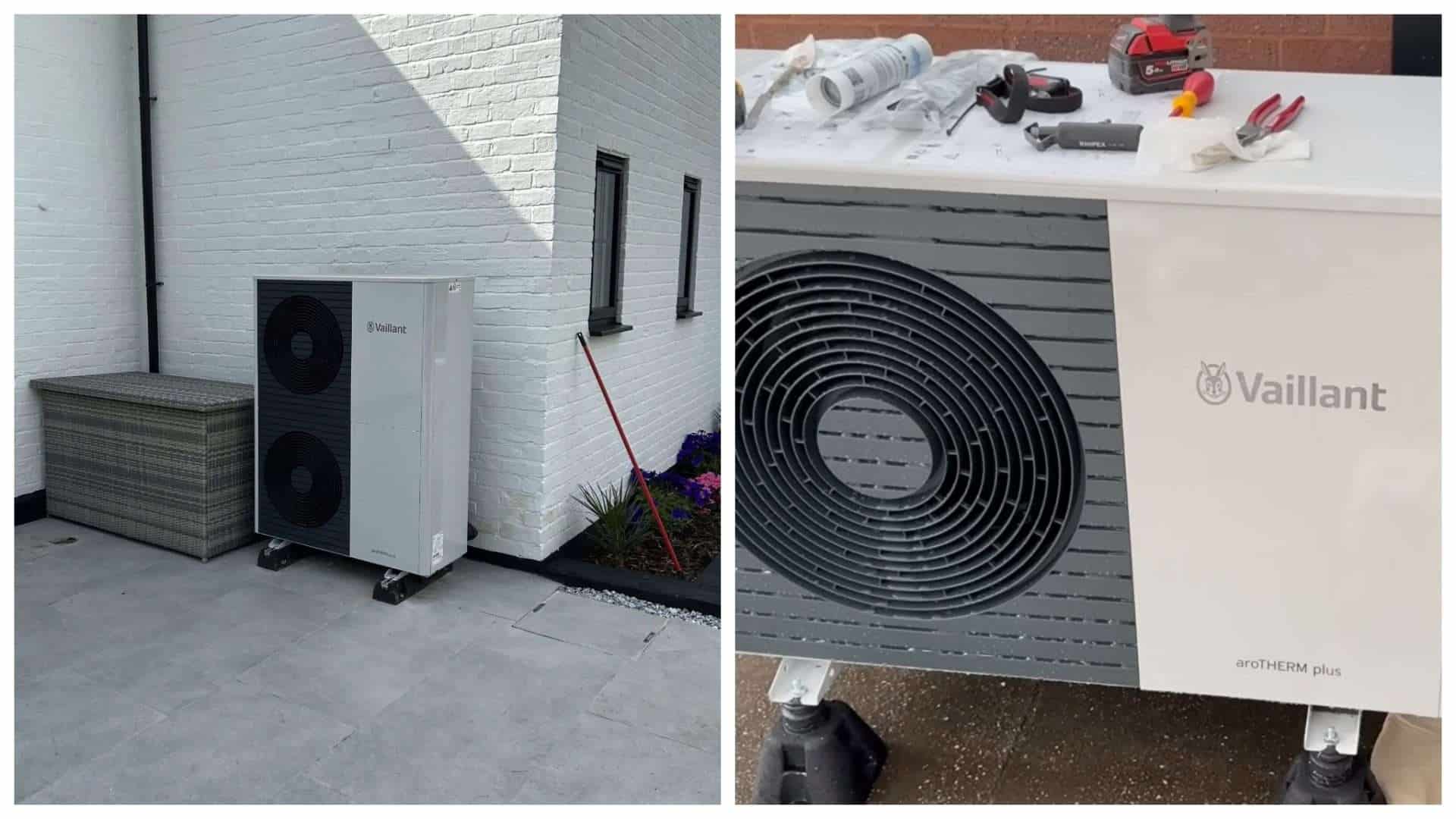
Most confusion homeowners have about the BUS comes down to five questions: who qualifies, how the application actually works, the difference between this and the “free boiler scheme” you keep seeing advertised, what happens if your property is in a conservation area, and how the 0% VAT exemption stacks with the grant. This guide handles each one in plain English for Berkshire and Surrey homeowners, from the installer’s perspective.
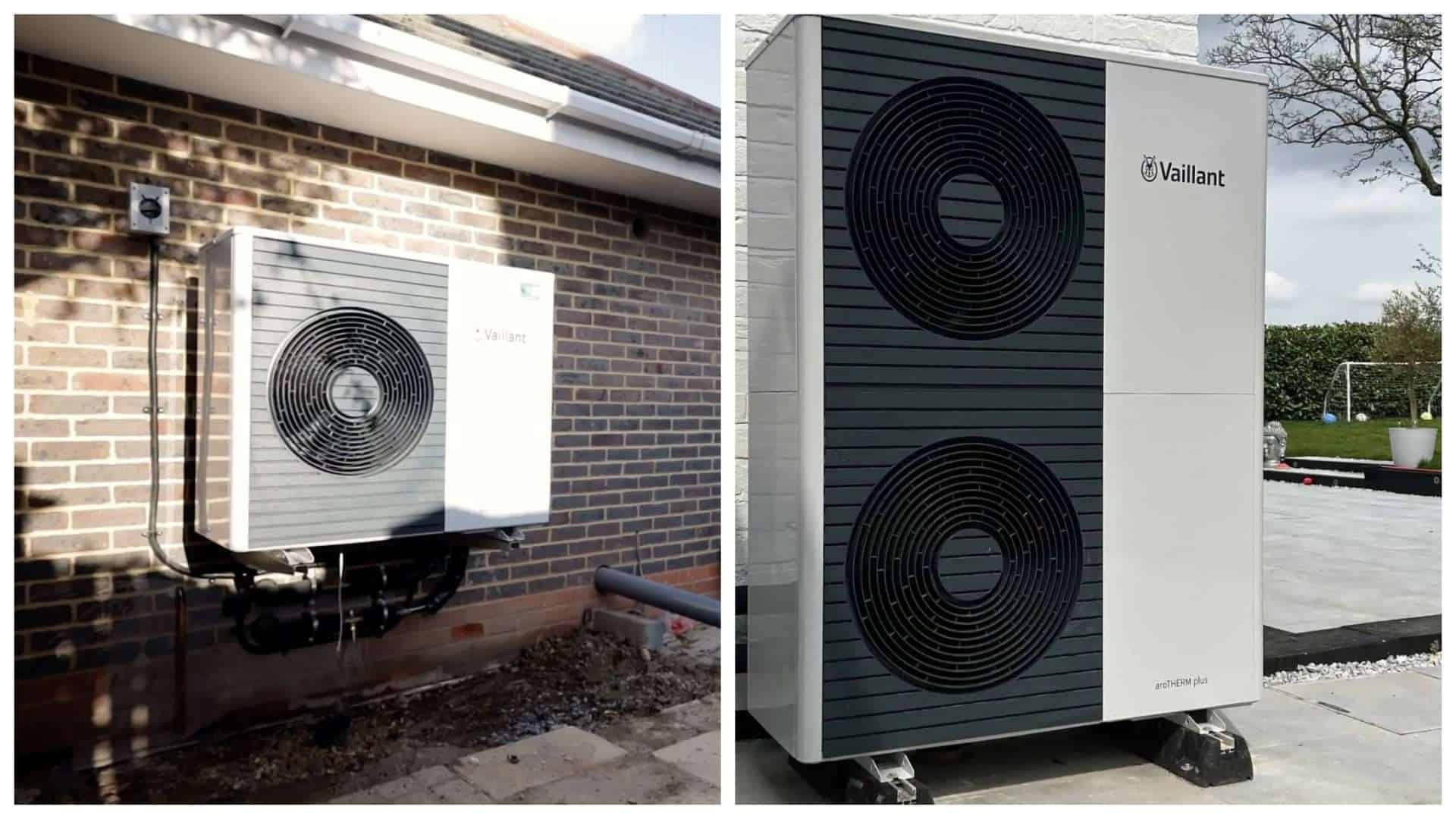
The BUS is administered by Ofgem and funded by the Department for Energy Security and Net Zero (DESNZ). It’s a fixed-value capital grant, not a loan, not means-tested, and not repayable. Four amounts apply in 2026:
For the typical Berkshire or Surrey homeowner on the gas grid, the relevant number is £7,500. The £9,000 uplift was announced on 21 April 2026 as part of a wider DESNZ response to recent global fossil fuel price volatility, which has hit households heating with oil or LPG hardest because they buy delivered fuel at spot prices. It applies only to the roughly 1.7 million UK households that rely on oil or LPG, almost all of which are rural and off the gas grid. The uplift is funded for this financial year only, which is why the window closes in March 2027. If you’re in Wokingham, Reading, Maidenhead, Bracknell, Slough, Guildford, Camberley, or any of the larger towns across Berkshire and Surrey, your home is almost certainly on mains gas and the £7,500 standard grant applies.
£7,500
The standard grant for a heat pump in a typical Berkshire or Surrey home on mains gas, deducted from your invoice where the property meets the conditions of the scheme.
One grant per property, ever. If a previous owner claimed BUS or the older Renewable Heat Incentive (RHI) for a heat pump at the same address, the property is no longer eligible.
The scheme was originally due to end in March 2028. Following the 2025 Spending Review and the BUS (England and Wales) (Amendment) Regulations 2026, which came into force on 28 April 2026, it’s now extended to 2030. The 2025/26 budget is confirmed at £295 million, the largest annual allocation to date. Government data shows take-up has been below DESNZ projections, so funding remains available throughout the current financial year. The full scheme rules are published at gov.uk.
To put the grant in context, a typical air source heat pump installation in a 3-bed Berkshire semi runs £14,000 to £18,000 before the grant. After the £7,500 deduction and the 0% VAT exemption, net cost lands at roughly £6,500 to £10,500. Full cost breakdown for different property types in our heat pump cost guide for Berkshire and Surrey.
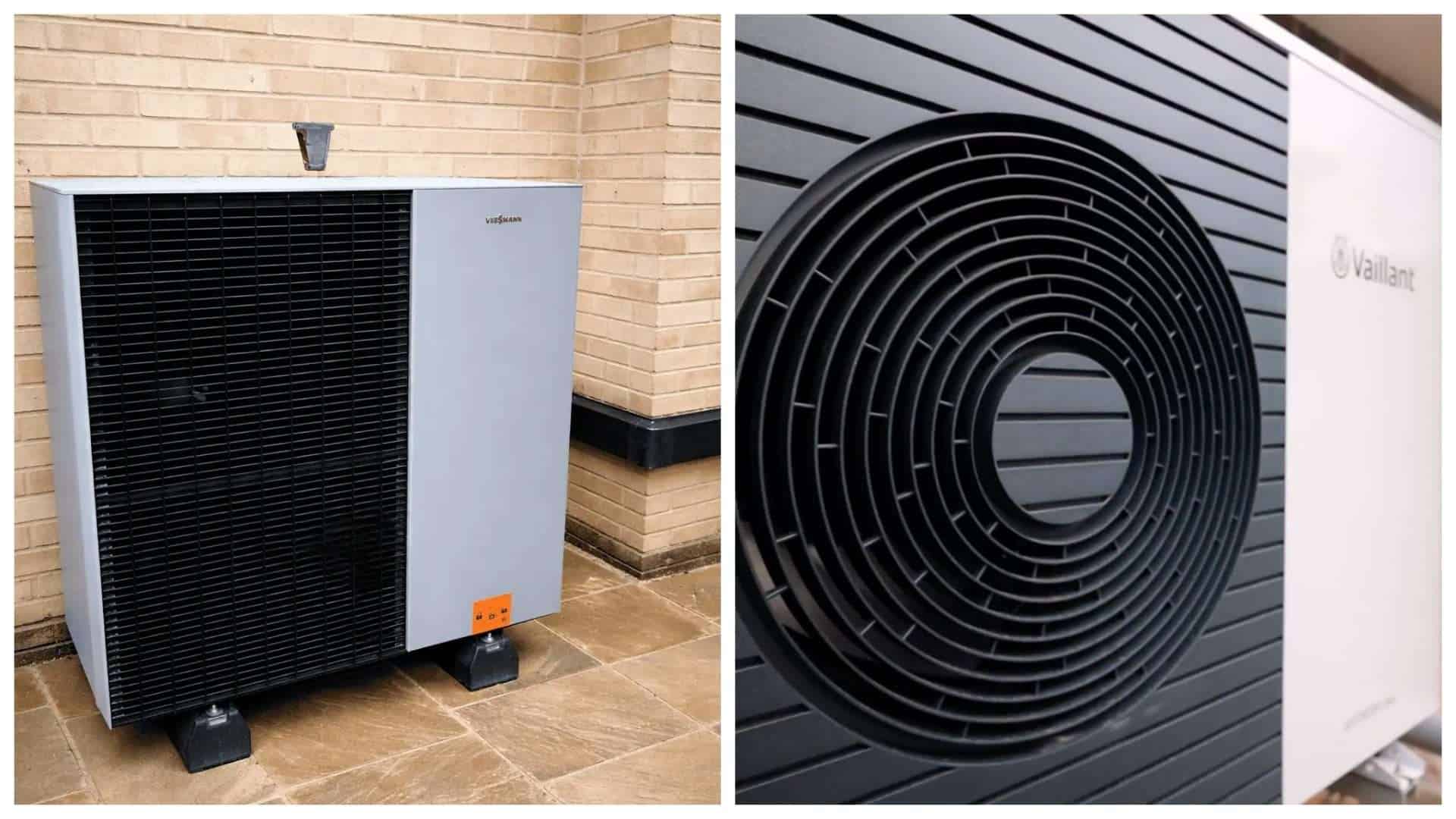
The BUS eligibility test has been progressively relaxed since the scheme launched in May 2022. The current rules cover most owner-occupiers, private landlords, and small business owners in England and Wales who are replacing a fossil fuel heating system. Five conditions need to be met.
The five conditions
You own a property in England or Wales. The scheme doesn’t cover Scotland (Home Energy Scotland runs a separate grant and loan programme) or Northern Ireland (which has its own arrangements). Owner-occupiers, private landlords, and small non-domestic property owners can all apply. Tenants cannot apply on a landlord’s behalf.
The property currently has a fossil fuel heating system or electric heating without an existing heat pump. Gas boilers, oil boilers, LPG, and direct electric heating all qualify as the system being replaced. If the property already has a heat pump that was funded by BUS or RHI, you’re not eligible for a second grant. If the property has an old or non-functioning heat pump that was paid for privately, eligibility depends on the specifics; we check this at the survey stage.
An Energy Performance Certificate (EPC), or alternative evidence where none exists. Since March 2024, any EPC rating qualifies (D, E, F, and G are all accepted). The previous rule that required no outstanding recommendations for cavity wall or loft insulation has been removed. Since 28 April 2026 a valid EPC is no longer required: where one exists its certificate number goes on the application, and where none exists alternative evidence is accepted, under Ofgem’s V5 installer guidance.
The property is an existing building, not a new build. New build properties are generally not eligible. There are limited exceptions for self-build properties where the owner constructed the home themselves or paid a builder to do so, and the property was never owned wholly or partly by a business or organisation. Self-build evidence typically includes title deeds and proof of build sequence.
The heat pump is installed by an MCS-certified installer. The installer must be certified for the specific technology being installed (air source or ground source). You can verify any installer’s MCS certification status at mcscertified.com. The system itself must have a Seasonal Coefficient of Performance (SCOP) of at least 2.8 to qualify.
Berkshire and Surrey housing stock makes eligibility straightforward for most homeowners. Detached and semi-detached gas-heated properties across Wokingham, Reading, Maidenhead, Bracknell, Guildford, Camberley, Fleet, and Slough qualify directly. Period properties in conservation areas qualify too, provided the planning route can be agreed (more on that below). Rural properties around Pangbourne, Hungerford, or parts of the Surrey Hills heated by oil or LPG are eligible for the higher £9,000 uplift from July 2026.
Your Blueprint Comes With Grant Status Confirmed
Eco Renewables produces every Heat Pump Blueprint with the BUS application status confirmed before any equipment is ordered. Adam personally surveys every property and confirms eligibility on the day.
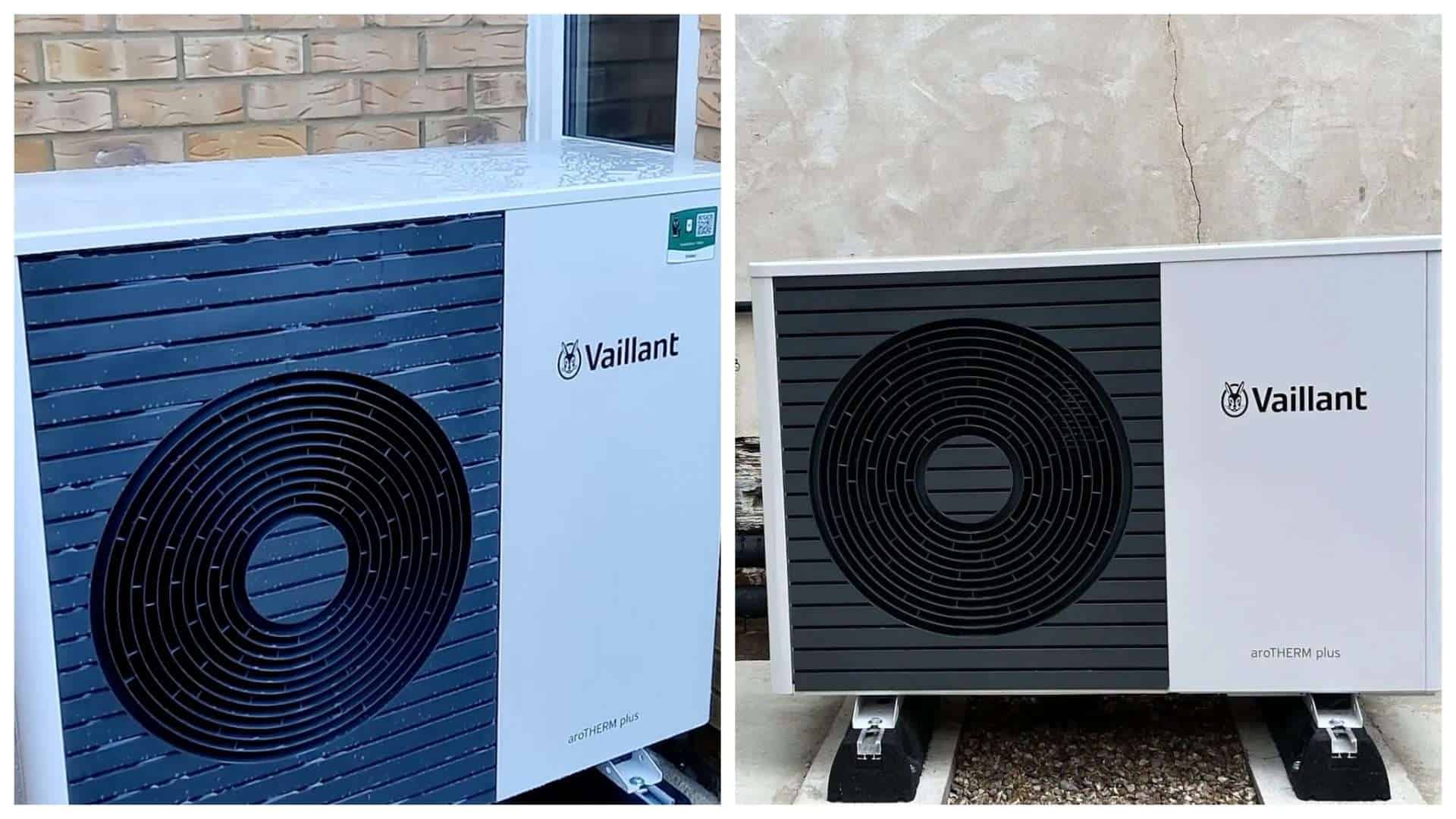
A lot of misleading content is in circulation about the BUS. Here are the misconceptions worth clearing up before you commit to a quote.
“Free heat pump from the government.” This isn’t accurate. The grant is £7,500 off an installation that, for a 3-bed Berkshire semi, costs £14,000 to £18,000 before grant and VAT. After the grant and 0% VAT, net cost lands around £6,500 to £10,500 depending on property specifics. If anyone tells you a heat pump will cost you nothing, they’re either pitching ECO4 (which is a different scheme), pitching a finance arrangement, or being misleading.
“Octopus heat pump grant.” There is no separate Octopus grant. Octopus Energy is an MCS-certified installer that applies for the standard BUS on your behalf, the same way any MCS installer does. Same grant. Same rules. Same £7,500. The same applies to any other energy company offering “their” heat pump grant. They’re all using BUS.
“British Gas free boiler scheme.” This is ECO4, a completely different scheme. ECO4 is the Energy Company Obligation, funded by major energy suppliers under regulatory obligation, and is means-tested for low-income households receiving qualifying benefits (Universal Credit, Pension Credit, Housing Benefit, and others). ECO4 typically funds like-for-like gas boiler replacements and insulation upgrades, not heat pump installations. It runs until December 2026 and will be replaced by the Warm Homes Plan from 2027. Affluent homeowners researching heat pumps will be on the BUS route, not ECO4.
“Free boiler scheme.” Most “free boiler scheme” advertising is referring to ECO4 or a similar means-tested initiative. The wording is misleading because almost nothing about heat pumps or BUS is “free.” If you’re searching for a heat pump grant in Berkshire or Surrey, the relevant scheme is BUS, with the £7,500 grant and 0% VAT stack.
“Hybrid systems are eligible.” They’re not. The BUS funds standalone heat pumps that fully replace the fossil fuel system. Combining a heat pump with a gas boiler in a hybrid setup disqualifies you from the grant. The reasoning is policy-driven: BUS exists to move properties off fossil fuels entirely, not to subsidise systems that retain gas as a backup. If a quote includes both a heat pump and a gas boiler running in parallel, you can’t claim the BUS for it.
“New builds qualify.” Generally they don’t. New build properties are expected to be low-carbon by design under building regulations, so the grant doesn’t apply. The exceptions are narrow self-build cases. If you bought a new build that already had a fossil fuel boiler installed by the developer, talk to an MCS installer about your specific situation.
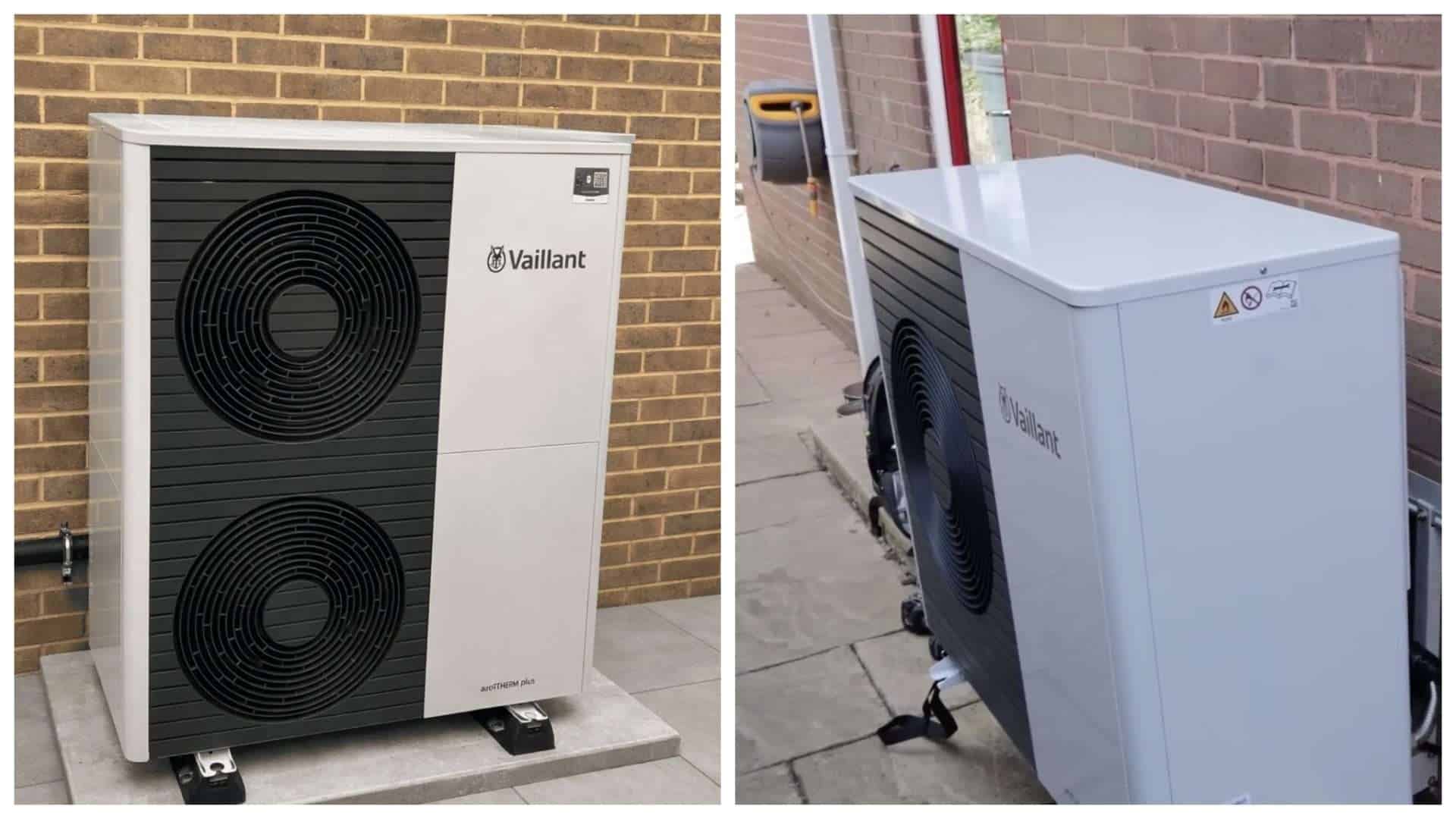
You don’t apply for the BUS directly. Ofgem deliberately designed the scheme as an installer-led process to keep the paperwork burden off homeowners and to ensure applications come through certified, accountable parties. The full process runs as follows.
Survey and eligibility check
Your MCS installer runs the heat loss calculation, designs the system and confirms eligibility.
Voucher application
The installer applies to Ofgem, and you confirm the details by email.
Voucher issue
Ofgem typically issues a decision within 15 to 20 working days.
Installation and commissioning
Fitted and commissioned within 3 months of voucher issue for air source, or 6 months for ground source.
Grant deduction and customer declaration
You confirm the grant is paid to the installer and you pay only the net amount.
Redemption claim
Ofgem pays the £7,500 to the installer, who has already deducted it from your invoice.
Step 1: Survey and eligibility check. Your MCS installer visits the property, runs the heat loss calculation, designs the system, and confirms eligibility. At this stage they check the EPC (or the alternative evidence where there is none), check the property hasn’t previously received BUS or RHI funding for a heat pump, and confirm the system being replaced qualifies. At Eco Renewables this is the survey that produces your Heat Pump Blueprint, which includes the BUS application status, the gross cost, the grant deduction, the 0% VAT calculation, and your net price.
Step 2: Voucher application. The installer submits the voucher application to Ofgem through the BUS installer portal. Ofgem then emails you to confirm the application details. You reply confirming the installer is acting on your behalf and that the property details are correct.
Step 3: Voucher issue. Ofgem typically issues a decision within 15 to 20 working days. The voucher is valid for 3 months for air source heat pumps and 6 months for ground source heat pumps. This is the start of the commissioning clock.
Step 4: Installation and commissioning. For an air source heat pump, the voucher is valid for 3 months from the date Ofgem issues it (6 months for ground source). Within that window the installation must be physically installed, tested, balanced, MCS certified, and handed over to the homeowner. If the voucher expires before commissioning, the installer can re-apply for a new one, but the homeowner has to consent again and Ofgem reassesses eligibility. Planning delays, supply chain issues, and seasonal scheduling all factor into this window, which is why a well-organised installer schedules installations against confirmed voucher dates rather than working backward from a target completion date.
Step 5: Grant deduction and customer declaration. Before the install, you sign a customer declaration confirming you understand the grant is paid to the installer, not to you, and that you’re only responsible for the net amount on the invoice. This is a regulatory requirement introduced under the V5 guidance in April 2026 to make grant mechanics transparent to homeowners.
Step 6: Redemption claim. After commissioning, the installer submits the redemption claim to Ofgem along with the completion evidence (commissioning records, MCS certificate, photos of the installed system). Ofgem reviews and pays the £7,500 directly to the installer, who has already deducted it from your invoice. You pay only the net amount. The full process from voucher application to grant payment typically takes 2 to 4 months. Official scheme details are published at ofgem.gov.uk.
Leave the BUS Application to Us
Eco Renewables manages the entire BUS application as part of every install. Your only paperwork is the customer declaration we send for signature.
“Adam also ensured the grant application, planning and certification were all dealt with and left behind a comprehensive data pack at the end of the job. After almost 2 months of operation the new system is working as intended with Adam fielding any questions I might have.”
Stephen Saunders, Google Review
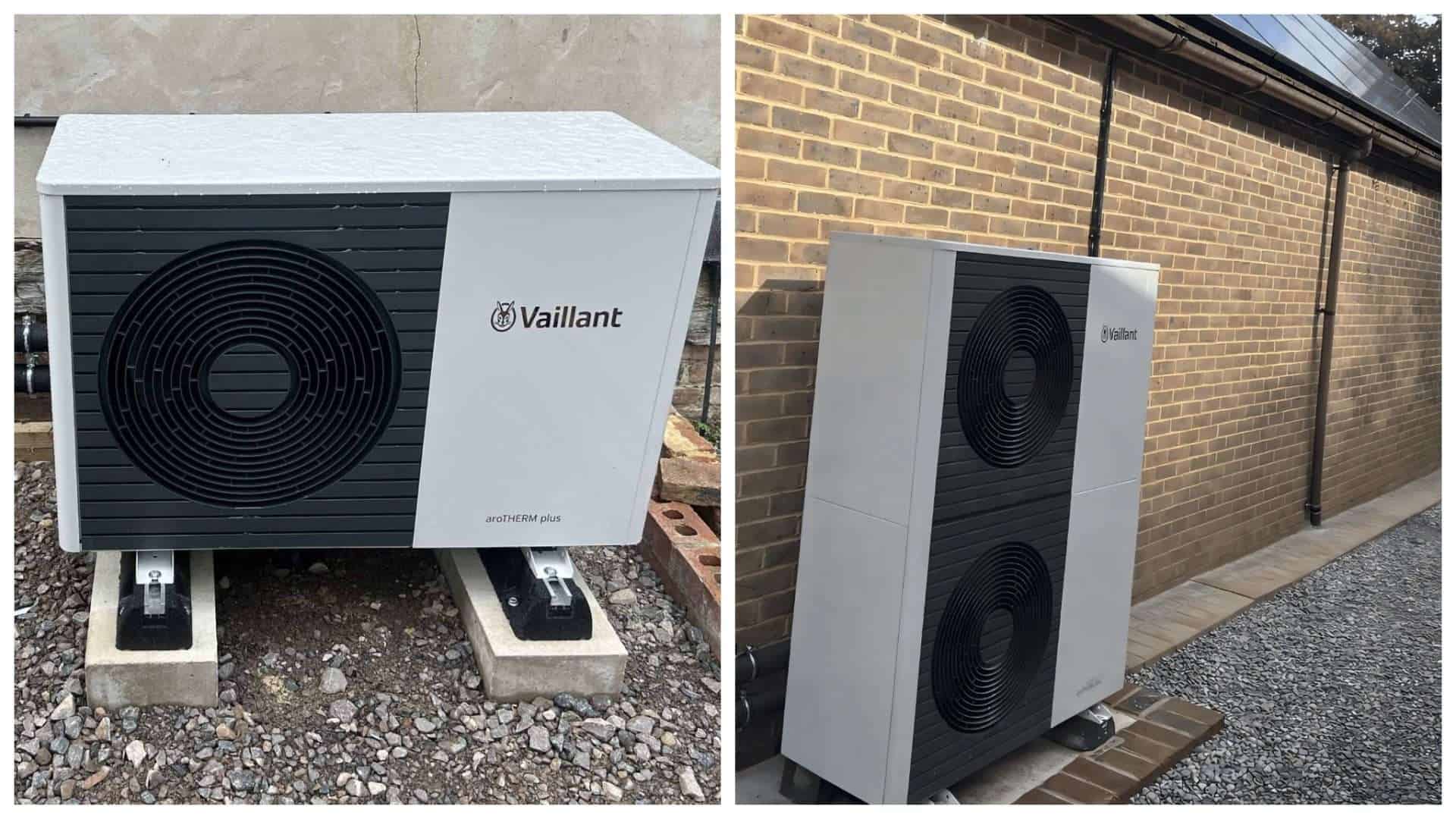
The 0% VAT relief on qualifying heat pump installations runs alongside the BUS, but it’s a separate mechanism. The relief was extended through 31 March 2027 under the Energy Savings Materials VAT relief, and applies to the full installation cost including labour, parts, and equipment.
Here’s how the stack works in practice for a typical 3-bed Berkshire or Surrey semi:
Typical 3-bed semi: cost after the grant
Gross installation cost
£14,000 to £18,000
BUS grant deducted from the invoice
£7,500
Net cost payable by homeowner
£6,500 to £10,500
Gross figure already includes 0% VAT, which saves £2,800 to £3,600 versus a standard 20% VAT scenario. Typical range for a 3-bed Berkshire or Surrey semi where the property and installation meet the conditions of the scheme.
For larger projects (4-bed detached, 5-bed properties in Ascot, Cobham, or Surrey Heath with substantial heat demand and complex emitter requirements), gross costs can run £20,000 to £30,000 with proportionally higher net figures. The grant and VAT relief still apply, just against a higher base.
The combined effect of BUS plus 0% VAT typically brings a £15,000 heat pump installation to around £7,500 net cost. That’s the real number to plan against. Running cost figures sit on top of that and are covered in detail in our heat pump running costs guide for Berkshire and Surrey.
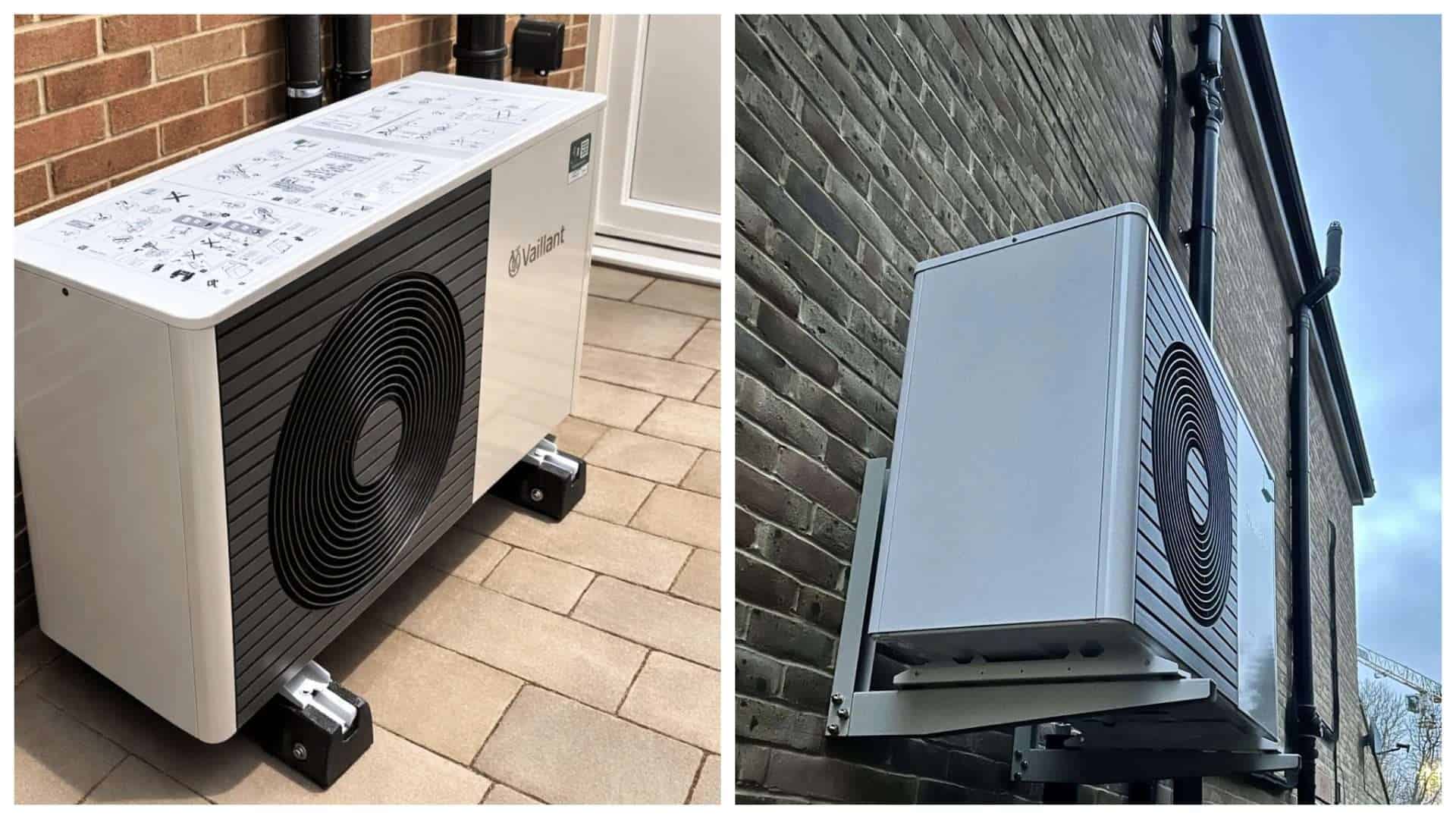
Most heat pump installations across Berkshire and Surrey now proceed under Permitted Development (PD), meaning no formal planning application is required. The PD rules were significantly relaxed on 29 May 2025 as part of the government’s Warm Homes Plan. The current position:
That covers the majority of Berkshire and Surrey homes. The list of situations where PD does not apply, and a separate planning application is required, is shorter but matters:
Listed buildings. Any property with a Grade I, Grade II*, or Grade II listing needs planning permission wherever the heat pump goes, plus Listed Building Consent where the work affects its character. Windsor has substantial listed stock, especially around Windsor Castle’s setting and along the High Street. Eton has extensive listed properties. Period villages across Surrey, particularly in the Surrey Hills AONB, have significant listed building density. Listed Building Consent runs as a separate workstream alongside the BUS application; we flag the requirement at survey stage and coordinate the timeline with you.
Conservation areas. Conservation areas impose additional planning controls on the external appearance of properties. The most significant conservation areas across Eco Renewables’ service area include central Windsor, Sunningdale, Sunninghill, and Ascot village, central Wokingham, Cobham, Esher, Weybridge, Guildford town centre, and parts of Maidenhead Riverside. PD rights are typically restricted in these areas, particularly for installations visible from a public highway. A short-form planning application or pre-application consultation is usually required.
Flats and maisonettes. The PD size limit for flats remains at 0.6m³ (the old rule), which is restrictive for most modern heat pump units. Most flat installations require planning permission or a careful unit selection that fits the smaller envelope.
Pitched roof installations. Heat pumps mounted on pitched roofs are never PD, regardless of property type.
In some cases, replacing an existing external boiler flue or air conditioning unit in the same footprint with a heat pump can ease the planning case, though a formal application is still required for listed buildings and for conservation-area positions on a wall or roof fronting a highway.
The reason planning permission matters specifically for BUS: a planning rejection or delay can push the install past the 3-month voucher validity window, at which point the voucher expires and a fresh application is needed. We flag planning requirements at the survey stage and work with you to coordinate the planning route alongside the BUS application timeline. If planning is refused, you’ll know early enough to either pivot the design or pause before the BUS voucher is activated.
Noise and Planning Checks Built Into the Design
Eco Renewables manages the BUS application and the MCS 020(a) noise calculation as part of every install. Where planning or Listed Building Consent applies, we flag it at survey and coordinate the route with you. One survey, one design, one engineer running the BUS workflow.
“You rarely meet people who are so knowledgable and passionate about their trade – but this guy genuinely is. Very responsive and trustworthy. We have been customers of Adam for over 5 years and he has never failed us yet!”
Adam Hewitt, Google Review
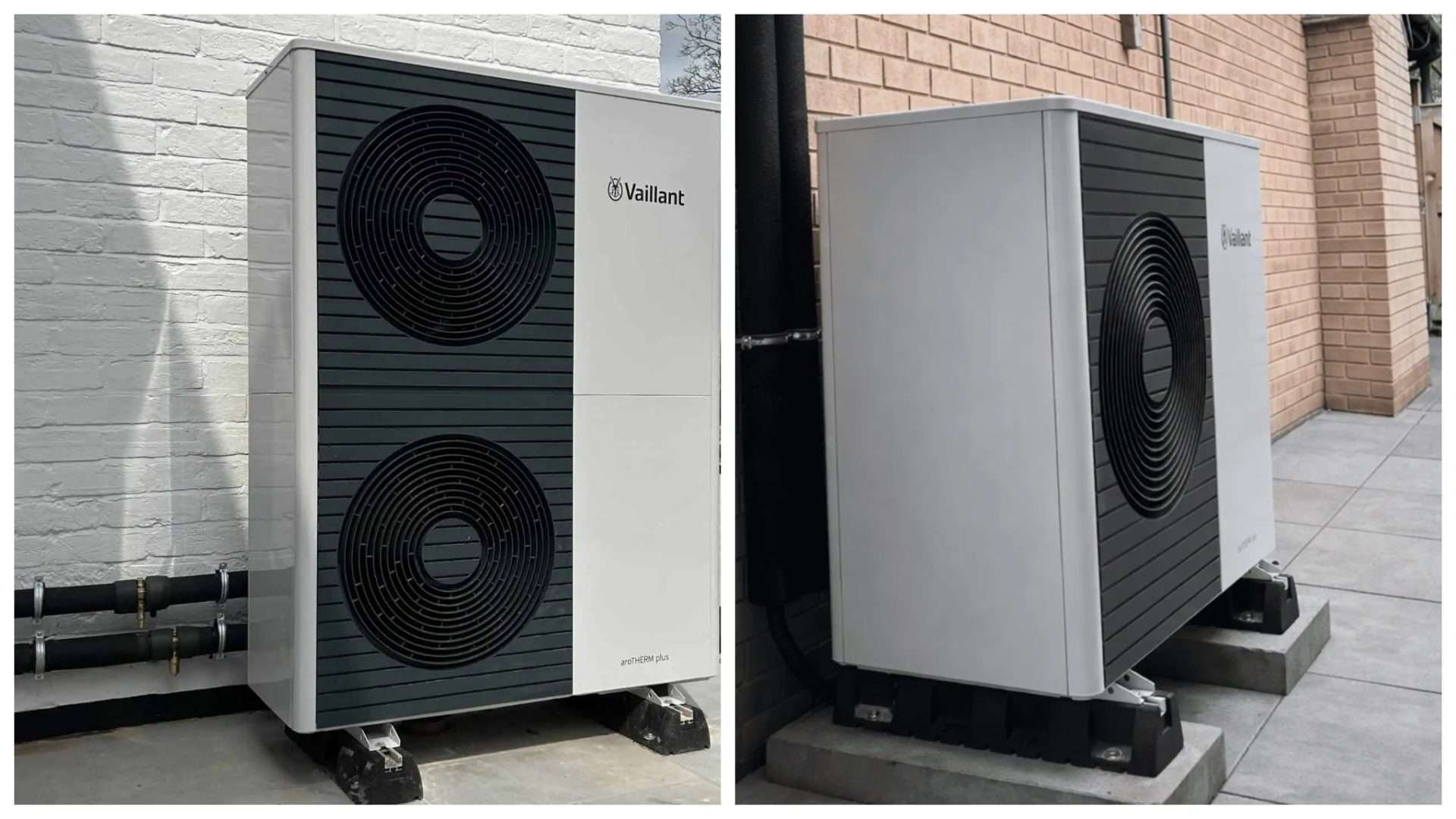
This is where most competitor content stops short. “Your installer applies for you” is the headline summary, but the practical breakdown of what that means is rarely spelled out. Here’s what Eco Renewables manages on every BUS install, and what we need from you.
What your installer handles:
What you do:
That’s the complete homeowner workload. No portal logins, no Ofgem correspondence, no chasing voucher status, no waiting on hold with a national call centre. The MCS-certified installer carries the regulatory responsibility for the application’s accuracy and any subsequent audit.
Common rejection reasons we anticipate and prevent at the survey:
Single point of accountability is the operating principle. From survey to grant redemption, one engineer, one company, one phone number. If something goes wrong with your air source heat pump installation or with the BUS application, you’re not bouncing between an installer, a manufacturer, and a grant administrator. We own the full workflow.
Several competitor blogs and energy company adverts frame the BUS with urgency: “act now before it ends,” “limited budget,” “scheme could close.” That framing isn’t accurate against the current facts.
The scheme was extended to 2030 under the BUS (England and Wales) (Amendment) Regulations 2026, which came into force on 28 April 2026. The 2025/26 budget is confirmed at £295 million, the largest annual allocation since BUS launched in May 2022. Take-up has been below DESNZ projections (over 100,000 applications since launch, but well below the original 30,000-per-year target in the early scheme years). Funding remains available throughout the current financial year and the political signal is for continued support through to 2030, not a wind-down.
There is a genuinely time-limited element: the £9,000 oil/LPG uplift runs from July 2026 to March 2027 only. Properties in rural parts of Berkshire (West Berkshire, parts of the North Downs) and Surrey (rural areas around the Surrey Hills) that are off the gas grid and heated by oil or LPG should book a survey now if they want to capture that window. For everyone else on mains gas, the standard £7,500 grant is stable through 2030.
The real time-sensitivity is installer capacity, not the grant deadline.
Qualified MCS heat pump installers serving Berkshire and Surrey are capacity-constrained. The good ones (Heat Geek trained, with monitored installation data showing real-world SCOPs above 3.87) are not volume operations. They run small books deliberately, because design-led installs take more survey, design, and commissioning time than templated quotes. The peak demand period runs from September through February when boilers fail and homeowners realise the timeline before next winter is tighter than they expected. That’s when the autumn calendar fills first.
If your mind is made up and you want the system installed before next heating season, the practical implication is to book the survey now, not in September. The Blueprint design takes 1 to 2 weeks. The BUS voucher takes 15 to 20 working days to issue. The install itself runs 2 to 4 days for a typical Berkshire semi. Add scheduling time around a specialist installer’s capacity, which for quality MCS operations runs in weeks rather than days, and the calendar tightens fast heading into autumn. The grant funding will be there. Your preferred installer’s autumn slots may not.
Owner-occupiers, private landlords, and small business owners in England and Wales who are replacing a fossil fuel heating system (gas, oil, LPG) or electric heating without an existing heat pump. The installer must be MCS-certified. Since 28 April 2026 a valid EPC is no longer required; where there is no EPC, alternative evidence is accepted.
You don’t apply yourself. Your MCS-certified installer applies on your behalf as part of the installation process. You sign a customer declaration when Ofgem confirms the application, and the grant is deducted from your final invoice. The full process from voucher application to grant payment typically takes 2 to 4 months.
No. The BUS is not means tested and there is no income test. Any eligible property in England or Wales can apply regardless of household income. The means-tested scheme that some homeowners confuse it with is ECO4 (the Energy Company Obligation), which is a separate scheme for low-income households.
Yes. Private landlords who own the property can claim the BUS grant for a heat pump installation in a rented property. Tenants cannot apply, but a landlord can install the system, claim the grant, and pass on the lower running cost benefits to the tenant. Written notice to the tenant before installation is required.
Permitted Development rights are restricted in conservation areas, where the unit cannot go on a wall or roof fronting a highway, and don’t apply to listed buildings at all. A listed building needs a planning application and, where the work affects its character, Listed Building Consent. Conservation area applications affect properties in central Windsor, Sunningdale, Ascot village, Cobham, Esher, Weybridge, central Wokingham, Guildford, and parts of Maidenhead Riverside. We flag planning requirements at the survey stage and coordinate the planning route alongside the BUS application timeline.
The scheme was extended to 2030 under the April 2026 amendments. The original end date was March 2028. The £7,500 standard grant and £5,000 biomass grant are confirmed through to 2030. The temporary £9,000 uplift for oil/LPG-heated homes runs July 2026 to March 2027 only.
You can stack the BUS with the 0% VAT relief on qualifying heat pump installations, which is automatic and applied in your installer’s quote through March 2027. You cannot stack BUS with ECO4 for the same heat pump installation, though ECO4 can fund pre-install insulation work in some cases. Properties that previously received BUS or RHI funding for a heat pump are not eligible for a second BUS grant.
No, not since 28 April 2026. Where an EPC exists, its certificate number goes on the application, and any rating qualifies (D, E, F, and G all qualify, since March 2024); outstanding recommendations for cavity wall or loft insulation no longer block applications. Where there is no valid EPC, alternative evidence is accepted, such as a recent energy bill and photos of the existing heating system.
0% VAT applies to qualifying heat pump installations through 31 March 2027. The relief covers the full installation cost (equipment, labour, parts) and is automatically applied in your installer’s quote. It stacks with the £7,500 BUS grant. For a typical 3-bed Berkshire or Surrey semi, the combined effect brings a £14,000 to £18,000 gross install down to a net cost of £6,500 to £10,500.
If you’re in Berkshire, Surrey, or the wider South East and you’re considering a heat pump, Eco Renewables handles the entire BUS application as part of every install. Your Heat Pump Blueprint includes confirmed eligibility, the gross cost, the £7,500 grant deduction, the 0% VAT calculation, and your final net price. We serve Wokingham, Reading, Maidenhead, Windsor, Ascot, Camberley, and the surrounding Berkshire and Surrey areas.
More guides from the Eco Renewables blog on the same topic.
24 November 2026
Read the guide
24 November 2026
Read the guide
24 November 2026
Read the guideEco Renewables are trusted by homeowners throughout Berkshire and the South East to provide high-quality heat pump heating system installations.
If you're considering a heat pump, the survey is where it starts. We assess the property, run the heat loss calculations, and tell you exactly what the system would look like.
Get My Free Heat Pump Blueprint


