



Heat Pumps
Heat Pumps and Microbore Pipes in Berkshire and Surrey Homes: When 8mm and 10mm Pipework Can Stay
By Adam Dare
Heat Geek trained installer
Updated 12 November 2026
Reading time
🎉 Named South East Heating Installer of the Year 2026
Heat pump microbore pipes can stay in many Berkshire and Surrey homes, as long as someone checks each radiator’s pipe against that room’s heat loss before the design starts. This guide is for owners of 1970s and 1980s houses with thin 8mm or 10mm copper running to the radiators, and for anyone an installer has told that a heat pump means ripping it all out.
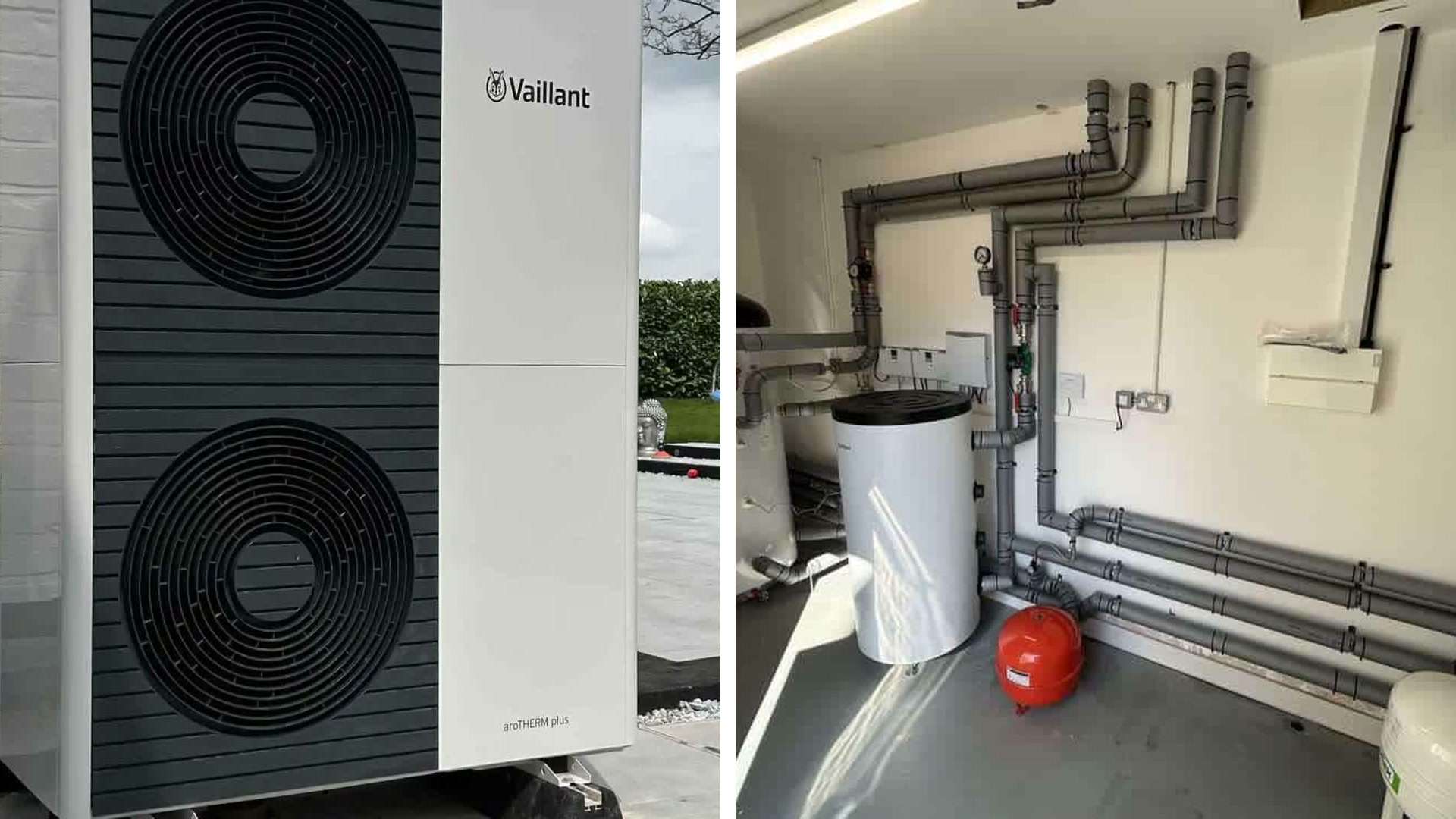
The deciding numbers are physical ones: how much heat a room loses on a cold day, how far the thin pipe runs, and how much warm water it can move. Mitsubishi Electric says microbore is in up to 5 million UK homes, and its own research concluded that its heat pumps work with existing microbore when the installer has done the correct design and calculations.
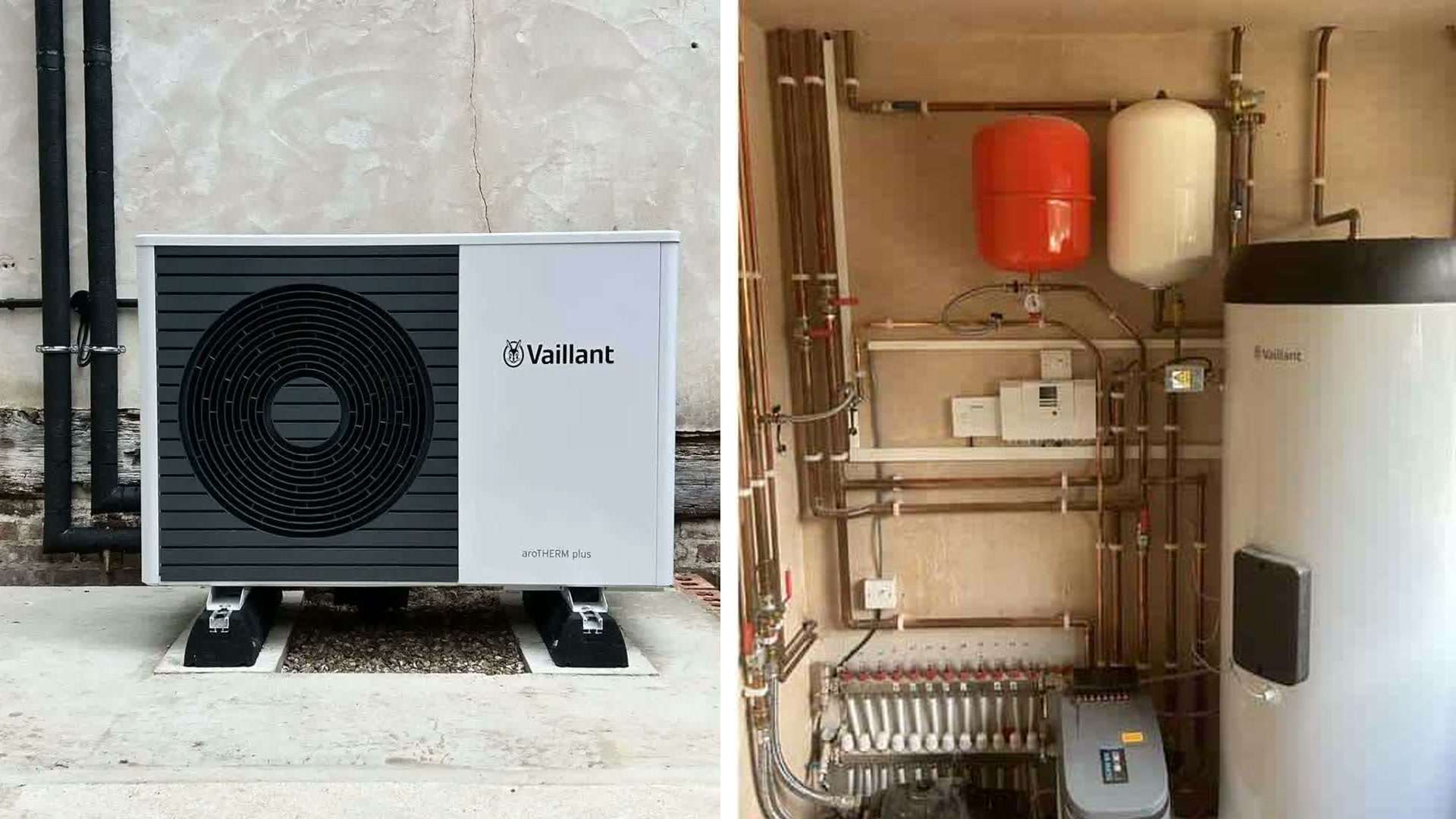
Microbore is any heating pipe narrower than 15mm. Heat Geek’s guide to microbore lists the sizes as 6, 8, 10 and 12mm, with 8mm and 10mm the two you meet at radiator valves. At the valve, 8mm copper is about as thick as a pencil, where standard 15mm pipe is closer to the width of a finger.
Mitsubishi Electric dates its rise to the 1970s, when installers valued it for low cost, flexibility and quick fitting, and it describes microbore as common in houses built in the 1970s and 1980s. Plastic microbore exists too: Heat Geek notes that its fitting inserts narrow the bore further, and Mitsubishi’s table rates plastic below copper of the same size.
Walls, insulation and listed-building rules are a separate question, and our guide to heat pumps in older homes answers it.
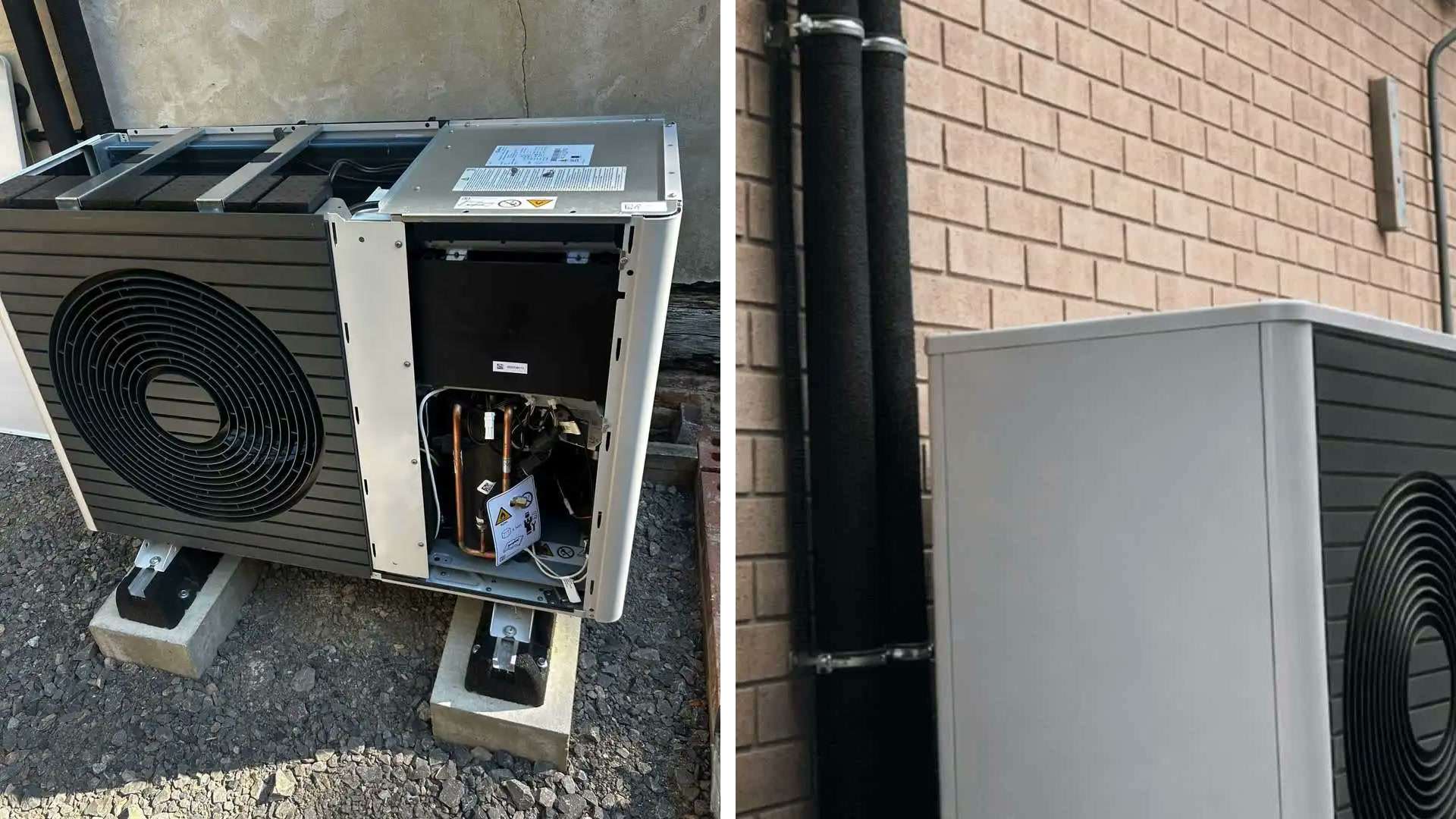
A gas boiler sends water out hot and lets it return much cooler, so a slow trickle carries plenty of heat. Heat Geek’s pipework guide puts a boiler’s flow-to-return drop at 20°C and aims a heat pump at 5°C to 7°C, with 5°C best. Carrying the same heat with a quarter of the temperature drop takes about four times the water through the same pipe.
0.56 kW
The most heat a 10mm copper pipe carries to a room at a heat pump’s 5°C drop, against 2.24 kW at a boiler’s 20°C, in Mitsubishi Electric’s installer table.
Pushing four times the water through a thin pipe raises friction, so the circulating pump has to work harder. Engineers cap the speed: Mitsubishi’s table uses CIBSE’s limits of 350 Pa per metre of pressure drop and 1 m/s water speed, and the Energy Saving Trust gives 0.5 to 1.5 m/s as the acceptable range.
Know Each Room’s Heat Loss
Your Blueprint works out the heat loss of every room, the one figure each thin run in your house has to meet.
“Adam’s experience and understanding of heatpumps and the all important heat loss calculations was evident from first contact.”
Andrew Symes, Google Review
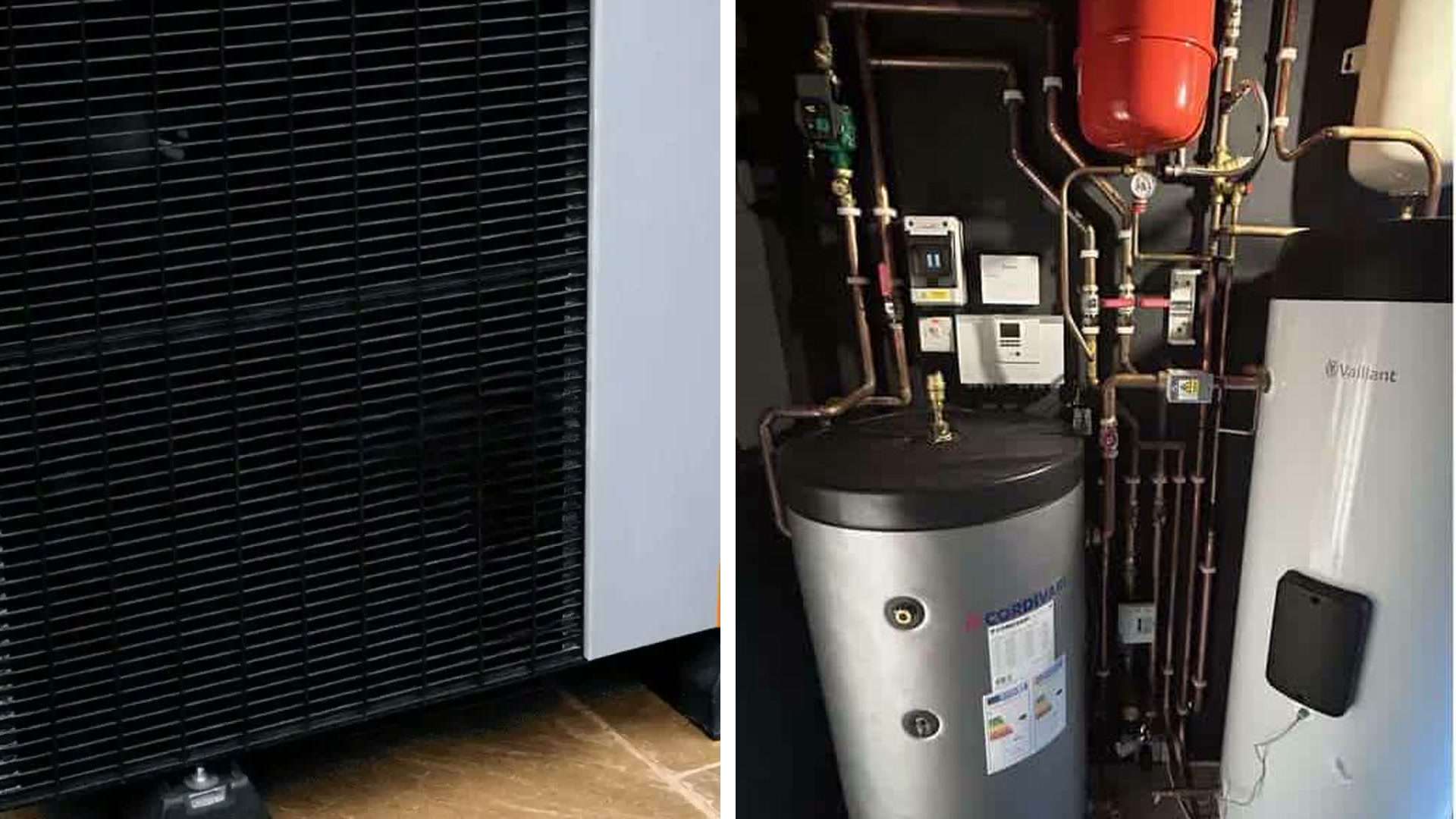
Pipe size sets a ceiling on the heat each radiator can receive. Mitsubishi Electric’s ASHP and Microbore Installation Flowchart lists the most heat each copper size carries to one room, within those CIBSE limits:
| Copper pipe | Heat pump, 5°C drop | Boiler, 20°C drop | Counts as |
|---|---|---|---|
| 8mm | 0.28 kW | 1.11 kW | Microbore |
| 10mm | 0.56 kW | 2.24 kW | Microbore |
| 12mm | 0.99 kW | 3.94 kW | Microbore |
| 15mm | 1.82 kW | 7.28 kW | Standard |
On an 8mm microbore heat pump design, the margin is thin: 0.28 kW suits only a small room with a low heat loss. Stepping up to 10mm microbore pipes doubles the figure, and 15mm carries more than three times what 10mm does. The table also rates 10mm plastic at 0.32 kW, well below 10mm copper.
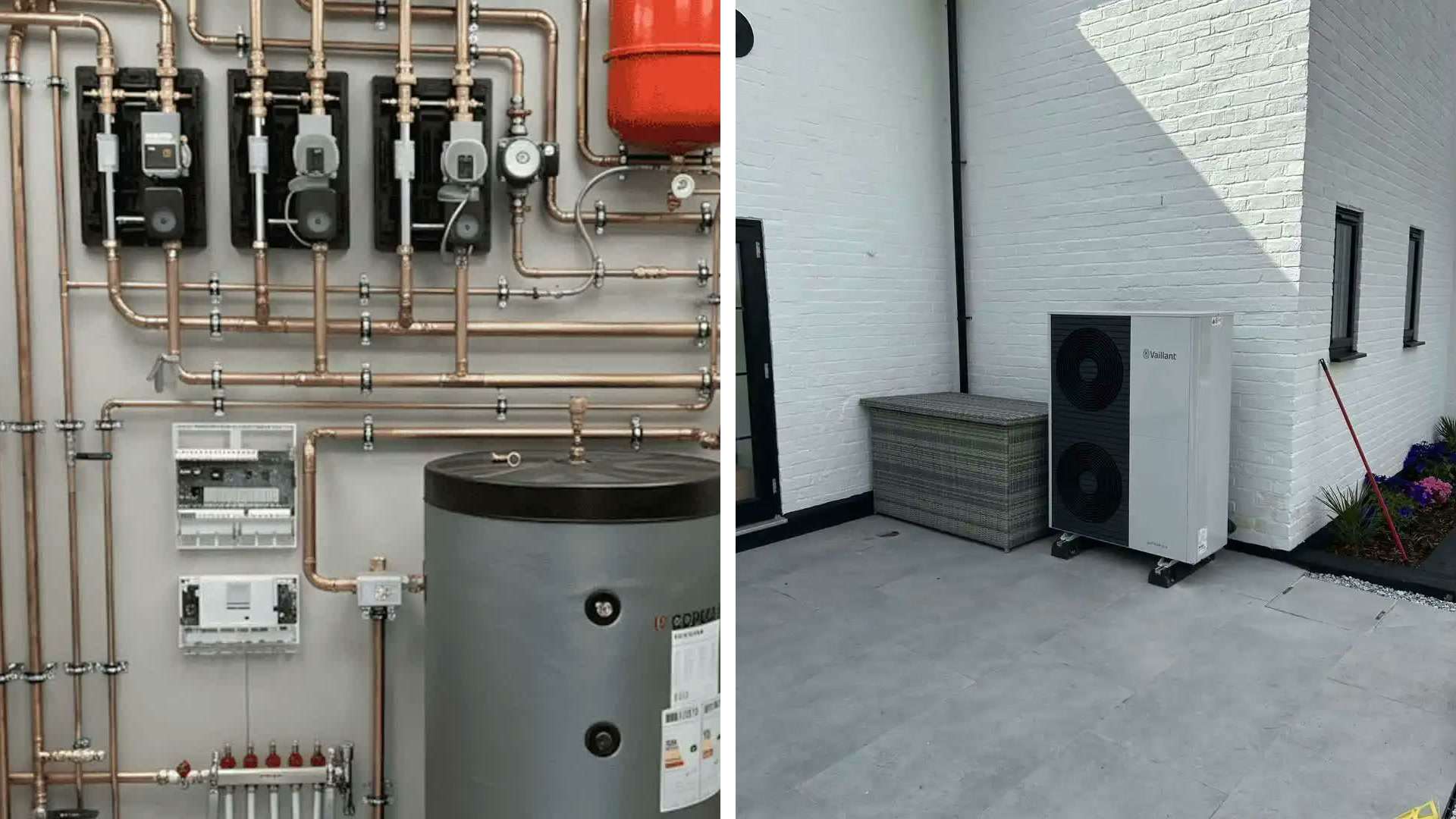
Microbore stays where the room’s heat loss fits inside its pipe, and run length matters alongside diameter. In the Energy Saving Trust’s installer toolkit, a utility room’s final metre of pipe narrows to 10mm, needs 0.0625 litres a second and runs at about 1.04 m/s, inside the acceptable range. The trust adds that the longer a microbore run, the likelier it needs replacing.
What a microbore check at survey covers
Rooms that pass keep their pipes, and rooms that fall short move to the fixes in the next section. Our heat loss survey is where both lists start.
See Your Keep-or-Change List
A Blueprint sets each room’s heat loss beside the pipe that feeds it, so your keep-or-change list exists on paper before anyone lifts a floorboard.
“After almost 2 months of operation the new system is working as intended with Adam fielding any questions I might have. Highly recommended for heat pump design and installation.”
Stephen Saunders, Google Review
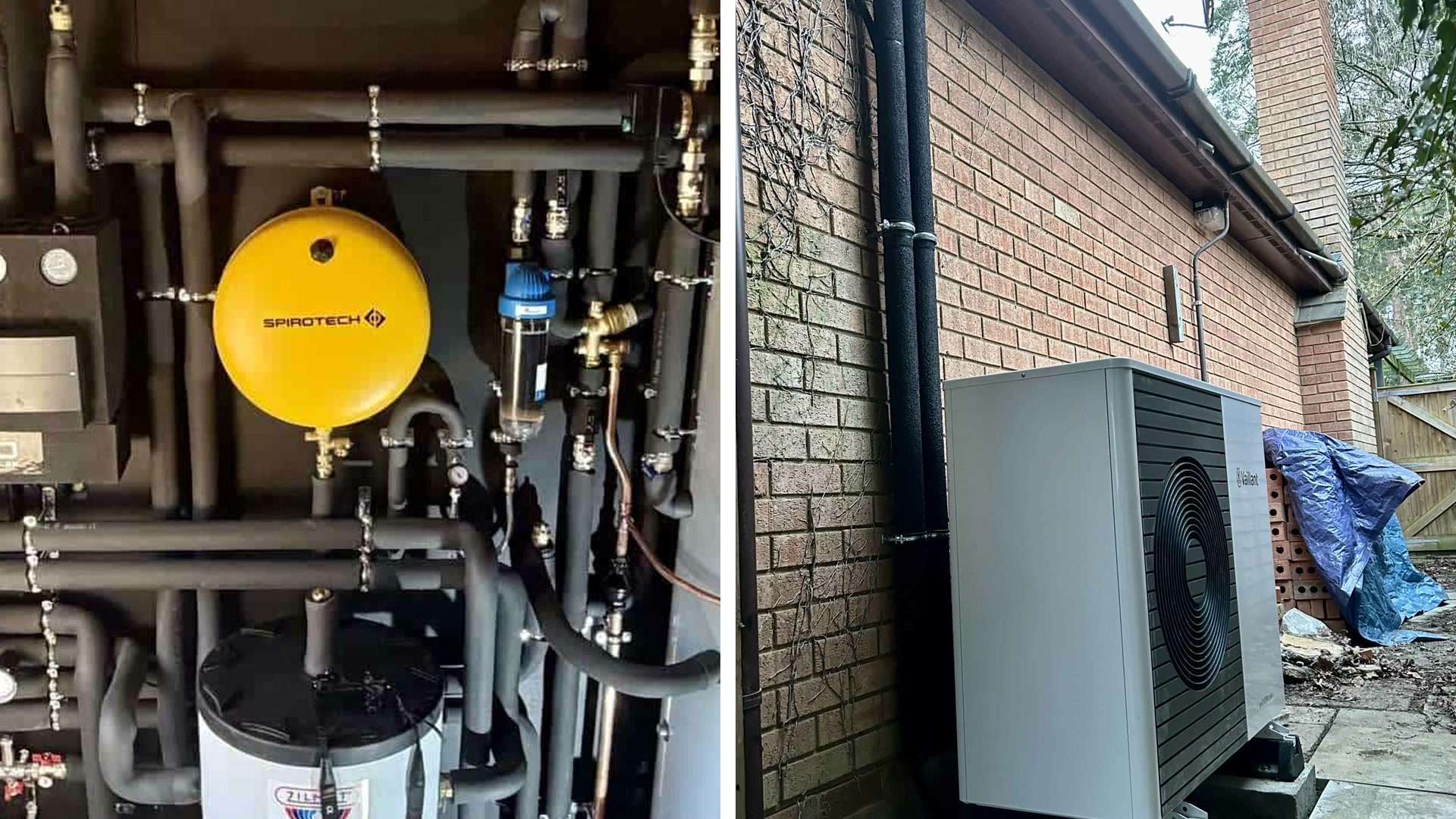
Mitsubishi’s flowchart and Heat Geek’s guide set out the same family of fixes for a room whose pipe can’t keep up:
Where a radiator also falls short at heat pump temperatures, our guide on whether you need new radiators for a heat pump covers that half of the design.
Get the Job Sized Before You Book
Re-piping one bedroom and re-piping a whole house are different jobs, and your Blueprint shows which one is on the table before you commit.
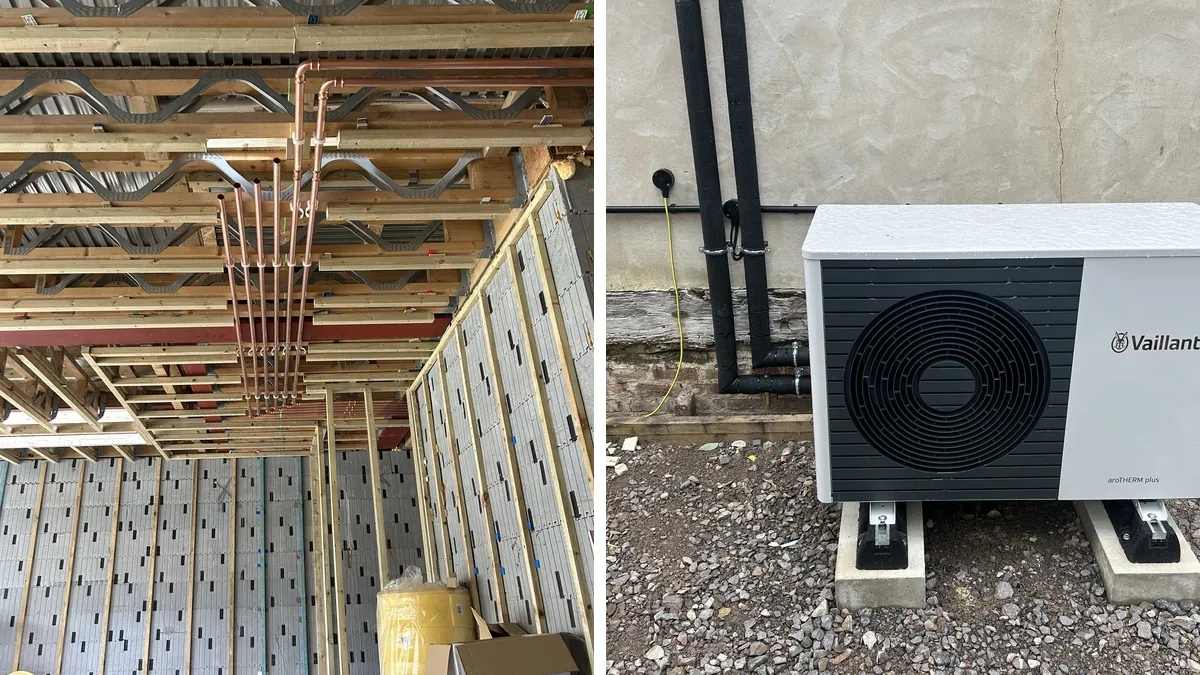
“We were fitting a heat pump as part of a ground floor renovation. Adam was great at working around the project, putting pipework in while ceilings were down, liaising with builder and being flexible with dates.”
Lucy Grainger, Google Review
The Valuation Office Agency’s council tax stock of properties records when each home was built. In Bracknell Forest, 33% of homes with a known build period at March 2024 date from 1973 to 1992, against 16% across England. Wokingham sits at 28% and Surrey Heath at 27%, while Surrey as a whole is at 16%.
Homes built 1973 to 1992, share with a known build period at March 2024
Bracknell Forest
33%
Wokingham
28%
Surrey Heath
27%
England
16%
Surrey
16%
Bracknell’s estates went up in stages after the town council’s 1957 decision to extend the new town, and our page on air source heat pumps in Bracknell names them, from Wildridings and Great Hollands to Hanworth and Crown Wood.
A build date raises the odds, and a look at the pipe beside each radiator valve confirms it. Our air source heat pump installation service sets out how the survey, design and fitting run for homes across both counties.
Yes, in many houses, once someone has checked each run against its room’s heat loss. Mitsubishi Electric’s research concluded its heat pumps work with existing microbore when the design and calculations are right. Heat Geek’s guide treats a whole-house heat loss of around 6 kW or less as workable on microbore, with 12mm the easiest case.
For a room with a big heat loss, yes. Mitsubishi Electric’s table gives 8mm copper 0.28 kW at a heat pump’s 5°C drop, enough for a small room with a low heat loss. A short 8mm tail can cope where a long one can’t, so the survey measures both the room and the run.
Not always. Runs that carry their room’s heat loss can stay where they are. Once several rooms need upsizing, Mitsubishi suggests replacing every microbore run with 15mm or larger, so the heat pump no longer has to run hotter to push heat down thin pipes.
It depends on the route. A new pipe needs a path from the larger pipework or manifold to the radiator, under floorboards, through ceilings or along walls, and long runs mean more boards up. Re-piping during a renovation, while floors or ceilings are already open, cuts the disruption to the house.
The Energy Saving Trust’s installer toolkit notes a common belief that heat pumps can’t work with any microbore, and says this is not always the case. A refusal can also come from specific rooms whose heat loss exceeds what their pipe can carry. Ask which rooms failed and by how much: those figures show whether one run or the whole system needs changing.
We know of no published count of microbore homes by county. Valuation Office Agency data shows 33% of Bracknell Forest homes date from 1973 to 1992, double England’s share, and Mitsubishi links microbore to houses of that era. Across Berkshire and Surrey, the quickest check is the pipe at your radiator valves.
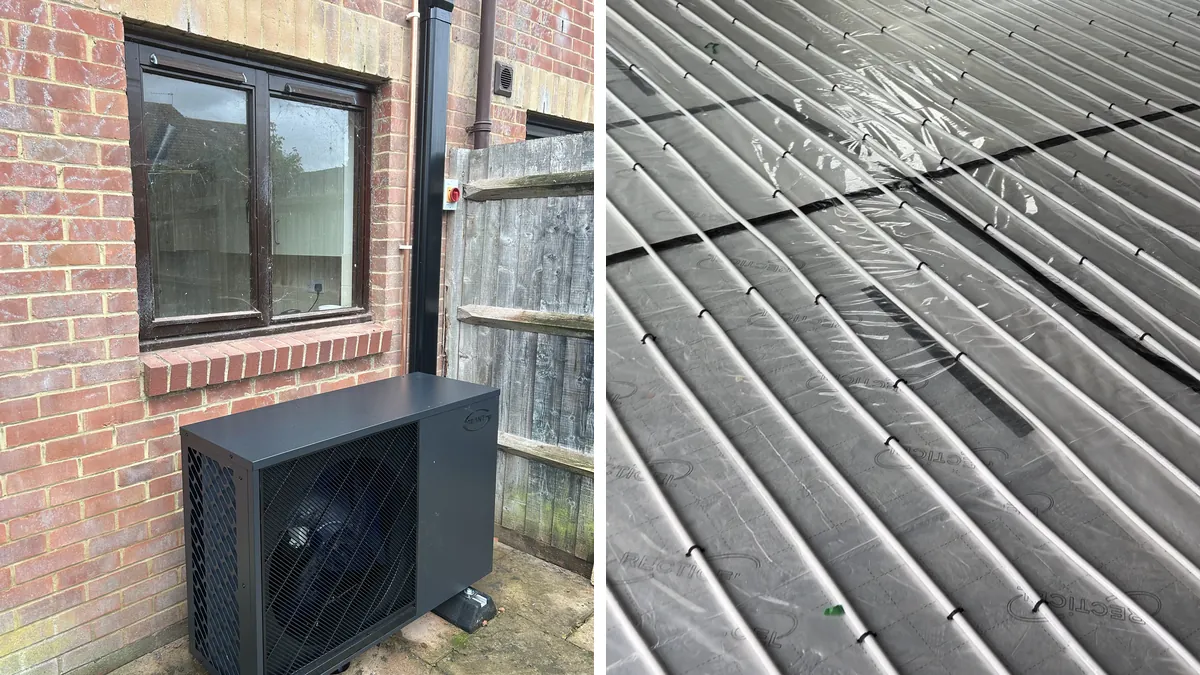
The Heat Pump Blueprint puts your room-by-room heat loss next to the pipework changes your house needs, microbore diameters included, so you know which runs stay before you sign anything.
More guides from the Eco Renewables blog on the same topic.
24 November 2026
Read the guide
24 November 2026
Read the guide
24 November 2026
Read the guideEco Renewables are trusted by homeowners throughout Berkshire and the South East to provide high-quality heat pump heating system installations.
If you're considering a heat pump, the survey is where it starts. We assess the property, run the heat loss calculations, and tell you exactly what the system would look like.
Get My Free Heat Pump Blueprint


