



Heat Pumps
Replacing a Gas Boiler With a Heat Pump: A Berkshire and Surrey Guide
By Adam Dare
Heat Geek trained installer
Updated 13 November 2026
Reading time
🎉 Named South East Heating Installer of the Year 2026
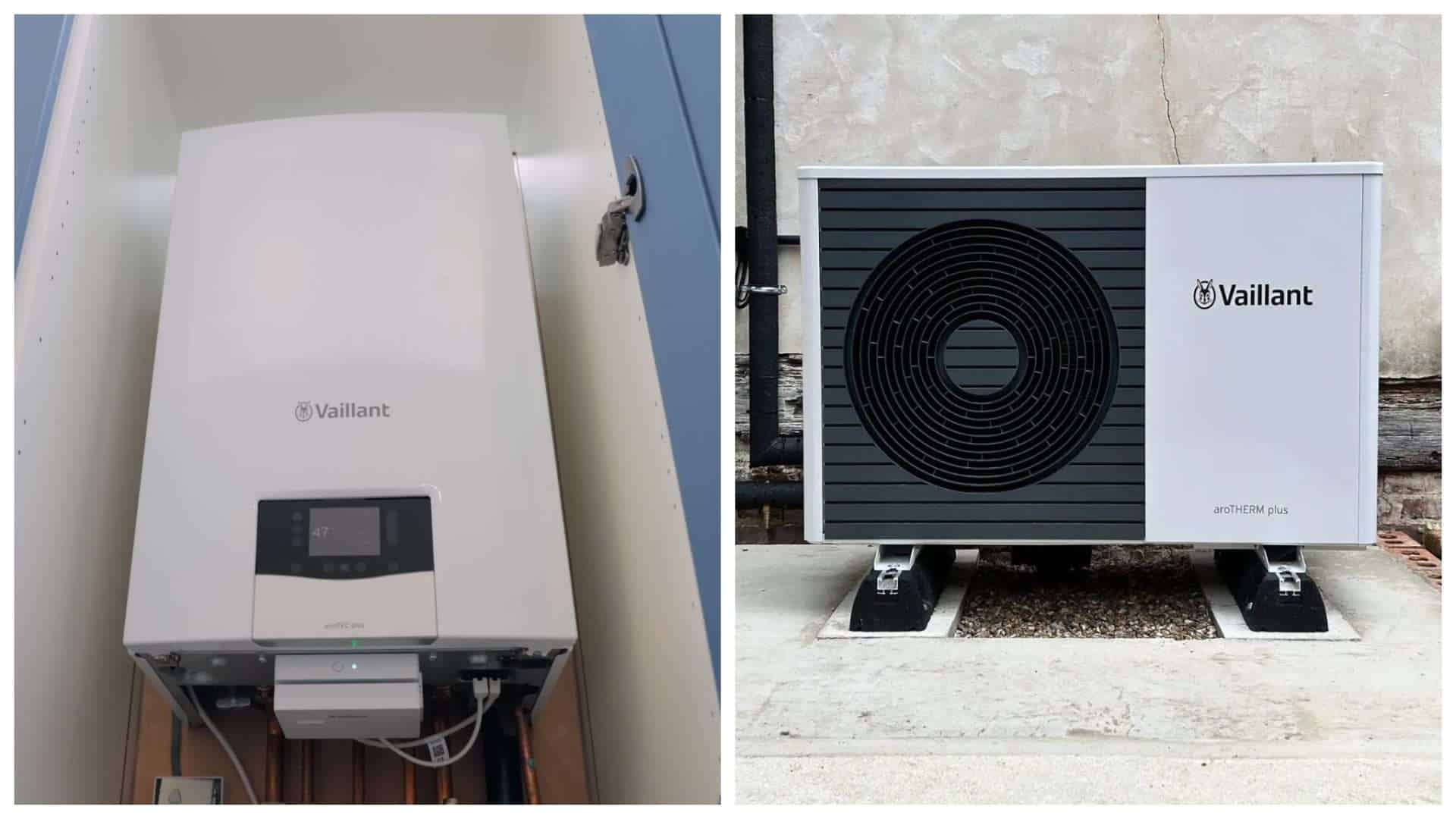
If you’re a Berkshire or Surrey homeowner researching replacing your gas boiler with a heat pump, you already know the basics. You know the £7,500 BUS grant exists. You know heat pumps run on electricity. What you don’t know is what happens between saying yes and having a working system. What gets removed, what stays, what changes, how long it takes, and where the quote is likely to grow if the installer hasn’t done the design work properly.
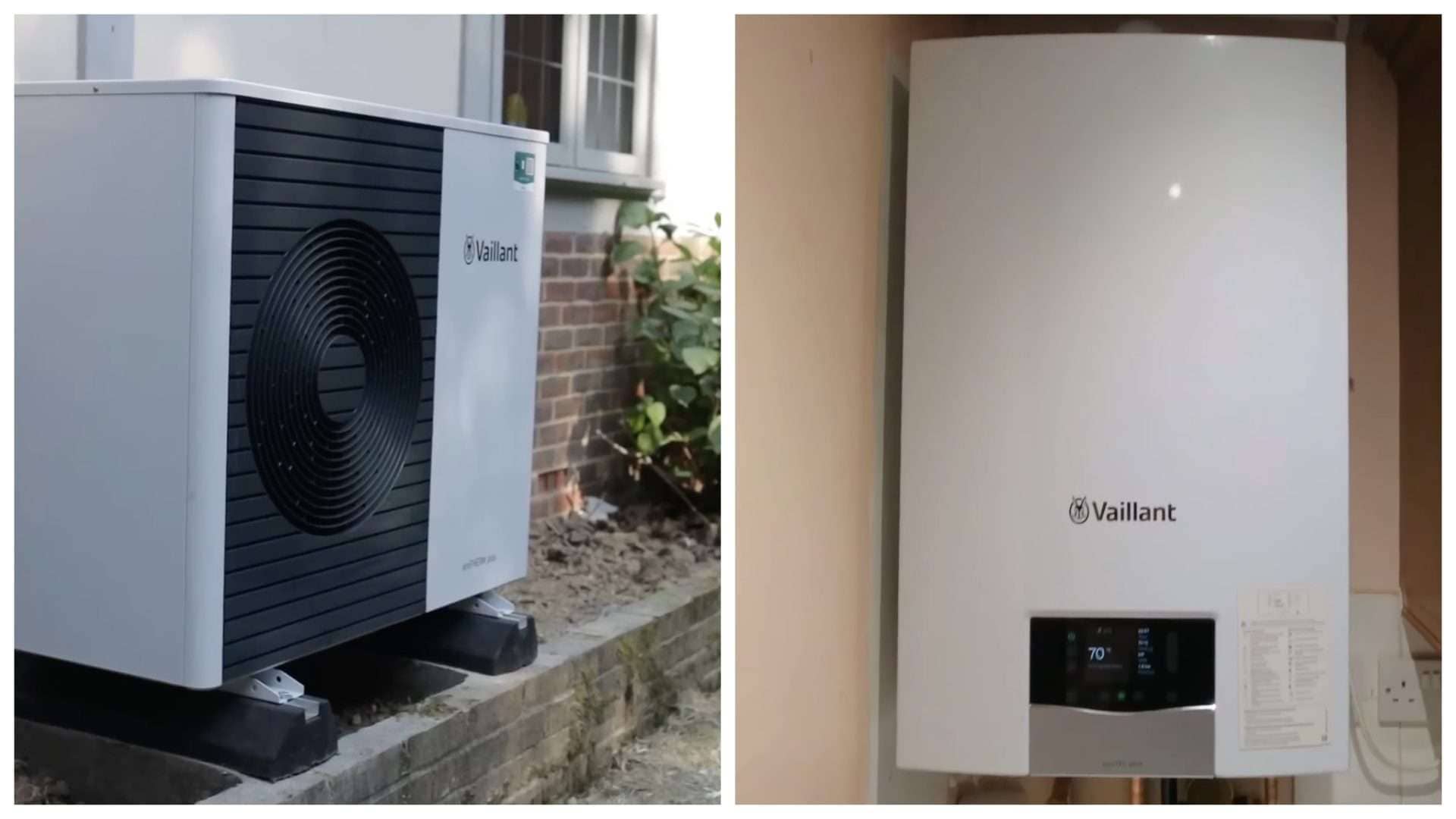
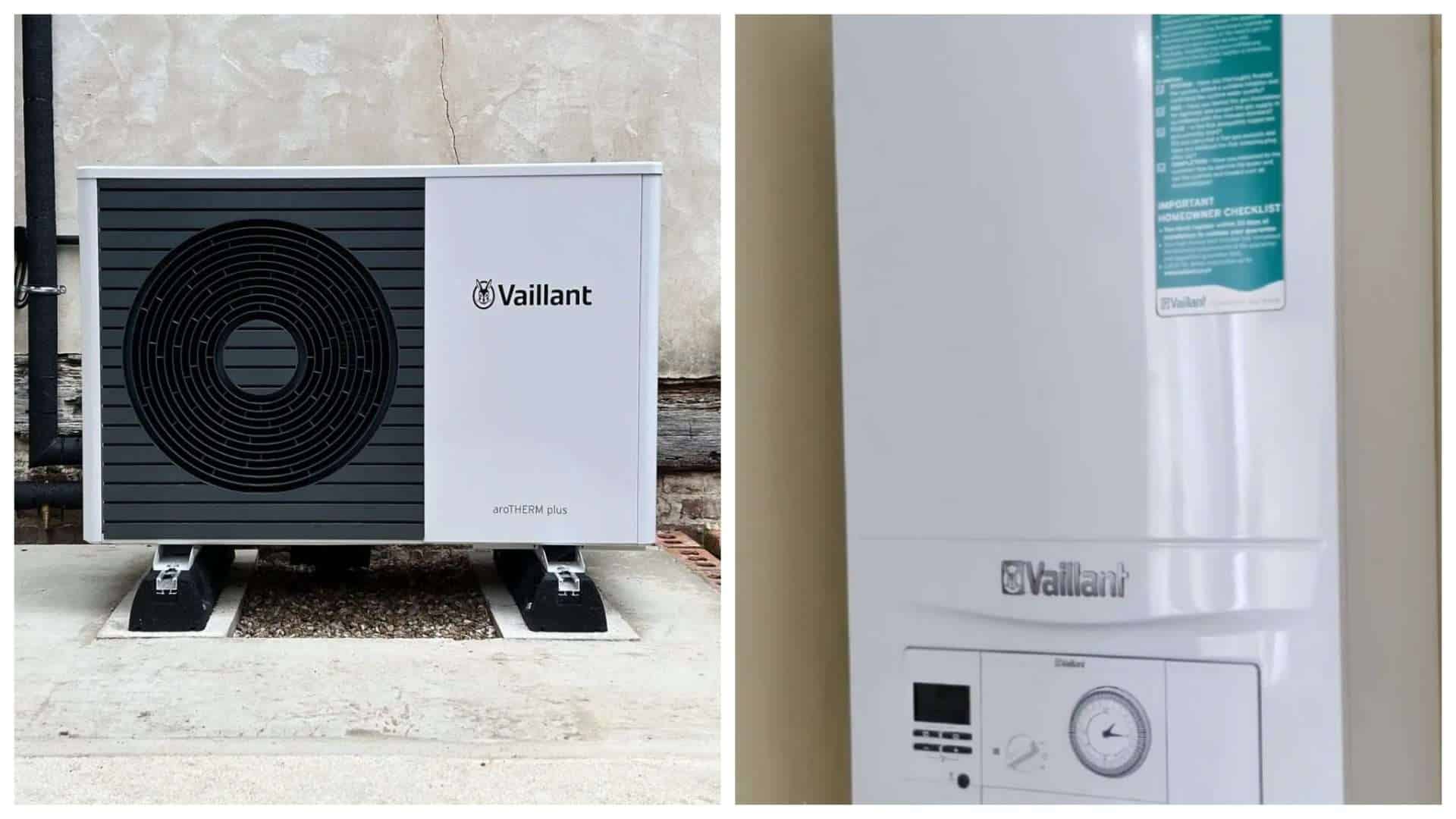
The boiler comes out. The gas boiler is decommissioned and removed. The flue is sealed. If you’re keeping the gas supply for a hob, the meter stays. If you’re going fully electric, the gas can be disconnected later.
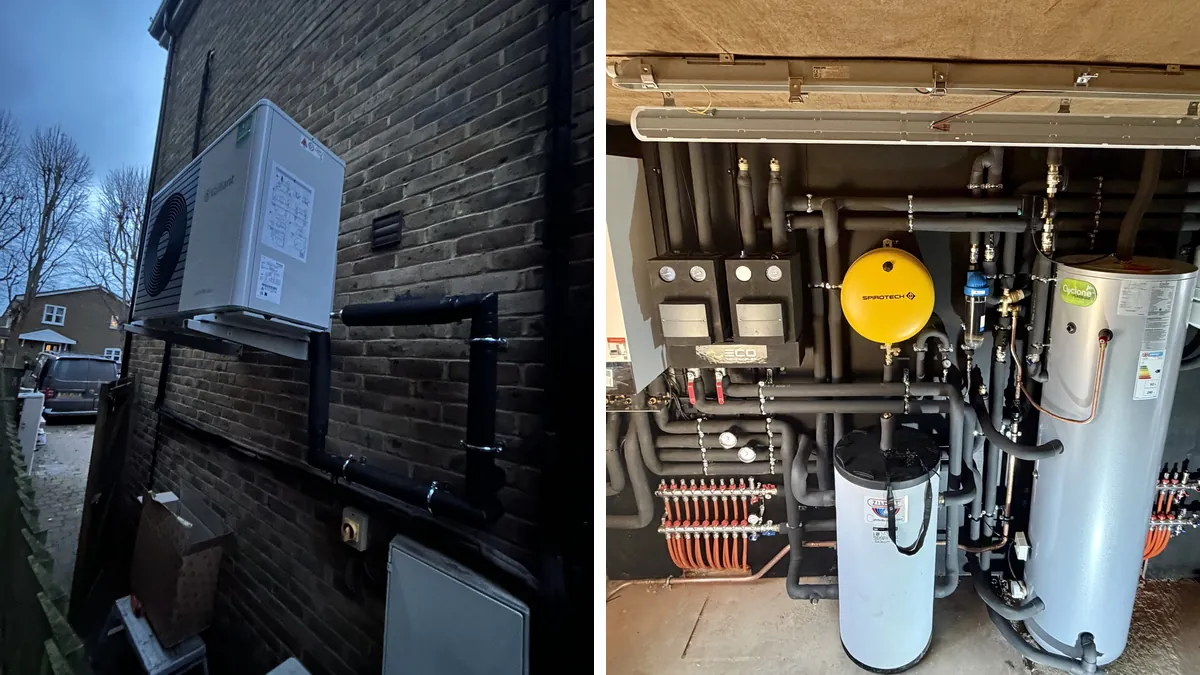
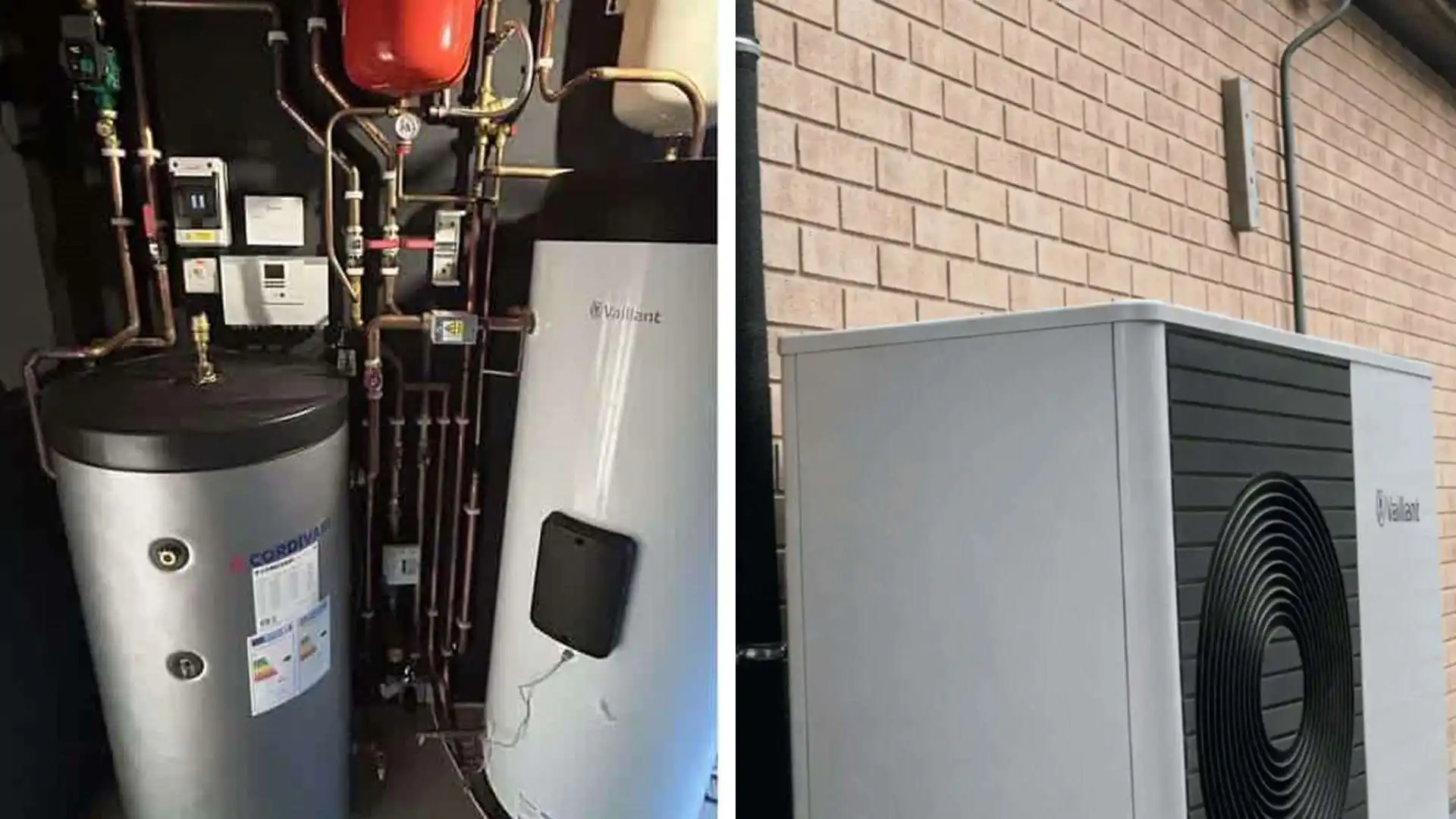
An outdoor unit goes in. The air source heat pump unit sits outside, typically on a concrete plinth or wall-mounted brackets. It needs adequate airflow and clearance from boundaries. Placement is part of the design, not an afterthought.
A hot water cylinder is installed or upgraded. Combi boilers heat water on demand. Heat pumps work with a stored hot water cylinder. If you had a combi, a cylinder needs to be added. If you already have one from a system or regular boiler, it may need upsizing.
Some radiators may need upgrading. Heat pumps run at lower flow temperatures than gas boilers. Some existing radiators will be undersized at those temperatures. Not all of them. The heat loss survey identifies exactly which ones need replacing. It might be three, it might be ten. Each one is costed in the quote before you commit.
Controls and wiring change. The heat pump has its own controller, weather compensation sensor, and potentially zone valves if the property has multiple heating circuits. The existing thermostat setup is usually replaced.
What stays the same: the pipework distribution in most cases, the existing radiators that are already adequately sized, the underfloor heating if you have it (heat pumps and UFH work exceptionally well together), and the overall layout of your heating system.
Map the Switch Room by Room
The free Heat Pump Blueprint sets out your heat loss room by room, a radiator schedule, flow temperatures and a hot water plan for the switch from gas.
“Creating first a detailed heat loss report and then a system design to meet the requirements, he wanted to ensure that I understood the different way that heat pumps work to old gas boiler technology. The installation was neat and the new pipe work was a work of art.”
Stephen Saunders, Google Review
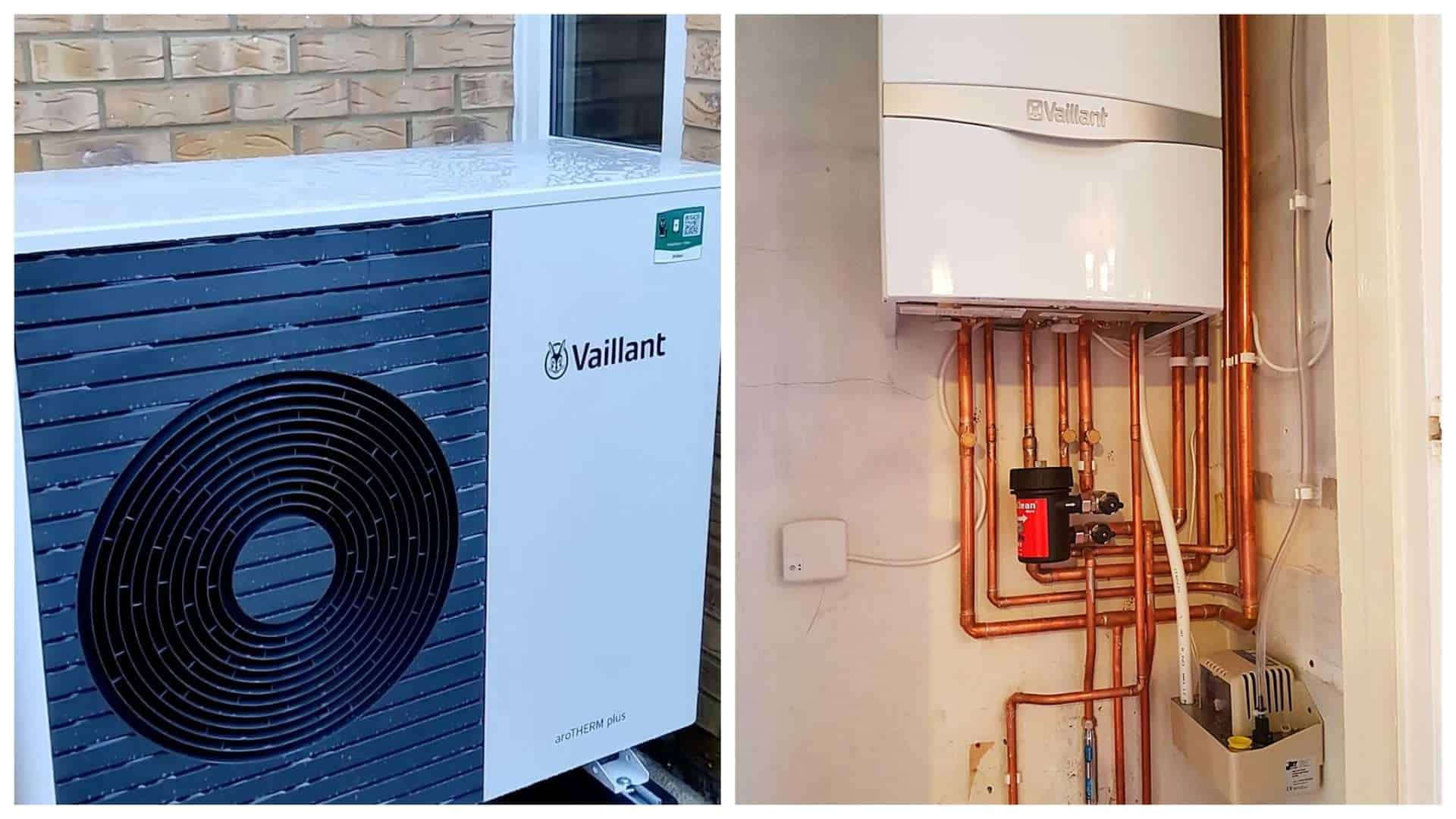
The boiler-to-heat-pump conversion process follows a clear sequence. Each stage has a specific purpose.
We discuss your property, your current boiler setup, and what you want to achieve. This takes about 15 minutes and tells us whether a heat pump is likely to be a good fit before anyone visits the property.
We visit and run a room-by-room heat loss calculation. Every room is assessed individually: wall construction, glazing, insulation, ventilation, floor type, ceiling height. Every existing radiator is measured against the required output at lower flow temperatures. This produces the Heat Pump Blueprint.
You receive the full design document: heat pump unit specification, cylinder sizing, emitter schedule (which radiators stay, which get upgraded), target flow temperatures per zone, DHW strategy, outdoor unit placement, and pipework routing. Every line item is costed. You see the gross price, the BUS grant deduction, and the net cost before you commit.
Typically 2 to 4 days for a standard conversion. The old boiler is removed, the outdoor unit is installed, the cylinder is fitted, emitter upgrades are completed, pipework is connected, and the control system is wired. We carry out the work across Wokingham, Reading, Maidenhead, and the wider Berkshire and Surrey area. The scope is fixed at the Blueprint stage, so nothing appears on install day that wasn’t in the quote.
The system is commissioned against the Blueprint to Heat Geek standards: flow temperatures are set, weather compensation is calibrated, and DHW schedules are configured for your home. We walk you through the operating playbook before we leave, covering how to run the system through winter, smart tariff setup, and what to expect in the first few weeks. This is where most installations fall short, and where the difference between a system that performs and one that disappoints is made.
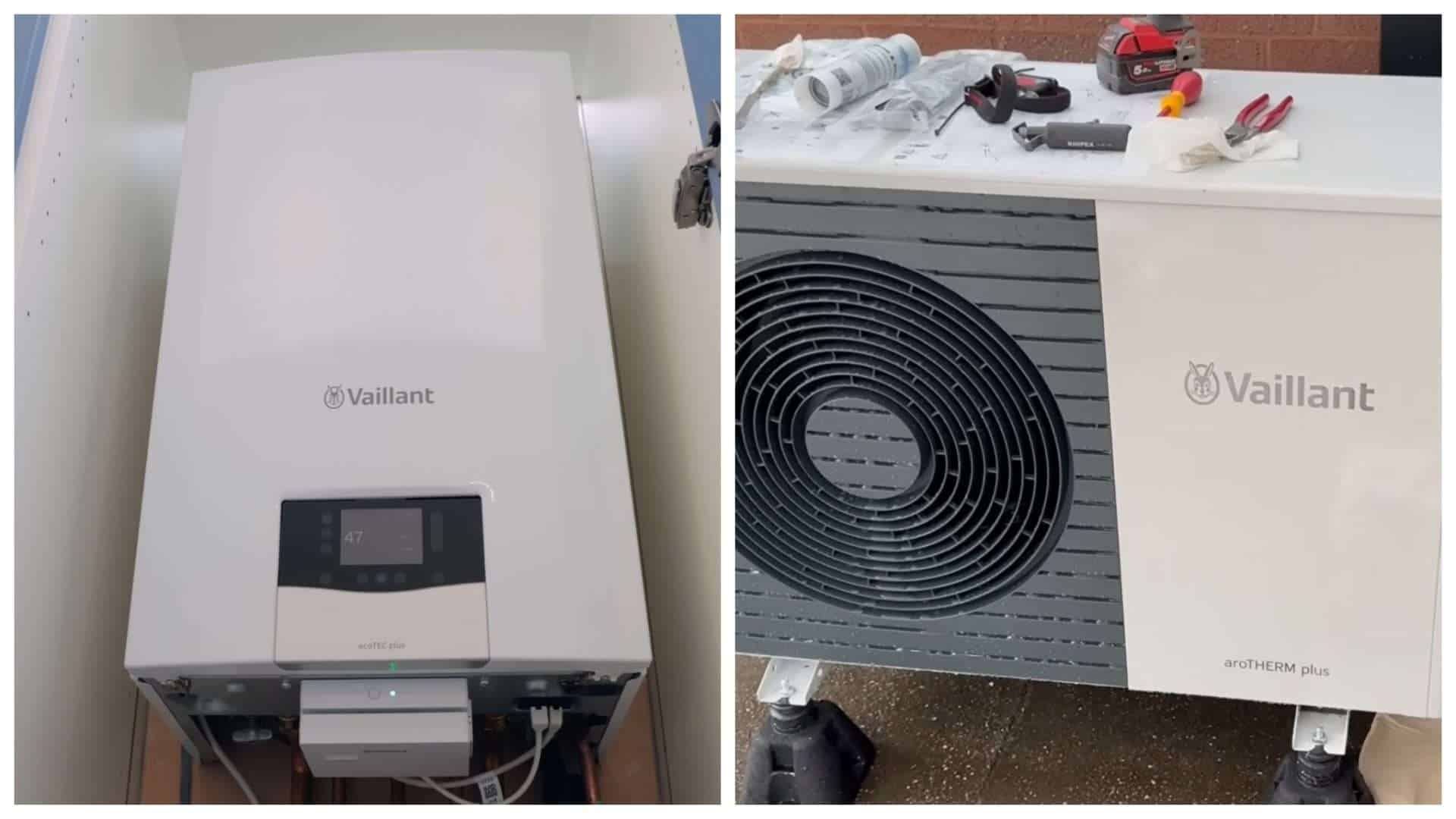
Most gas boiler to heat pump conversions in Berkshire and Surrey cost between £10,000 and £18,000 before the grant. The £7,500 BUS grant is applied directly to the invoice. Qualifying installations also attract 0% VAT through March 2027.
£10,000 to £18,000
Typical gas boiler to heat pump conversion in Berkshire and Surrey, before the grant
£7,500
BUS grant for eligible installations, applied directly to the invoice
0% VAT
On qualifying installations through March 2027
What moves the cost: the number of radiators that need upgrading, whether a cylinder needs adding (combi swap) or upsizing (system boiler swap), the length and complexity of pipework runs to the outdoor unit, and the size of the heat pump unit itself, which is determined by the property’s total heat loss.
A straightforward 3-bed semi with adequate insulation and a few radiator upgrades will sit at the lower end. A larger detached property with mixed insulation, extensive emitter replacements, and a combi-to-cylinder conversion will sit higher. Our heat pump cost guide breaks down the figures by property type.
Price the Whole Job From a Proper Design
The Heat Pump Blueprint itemises every cost before you commit. No provisional sums. No surprises on install day.
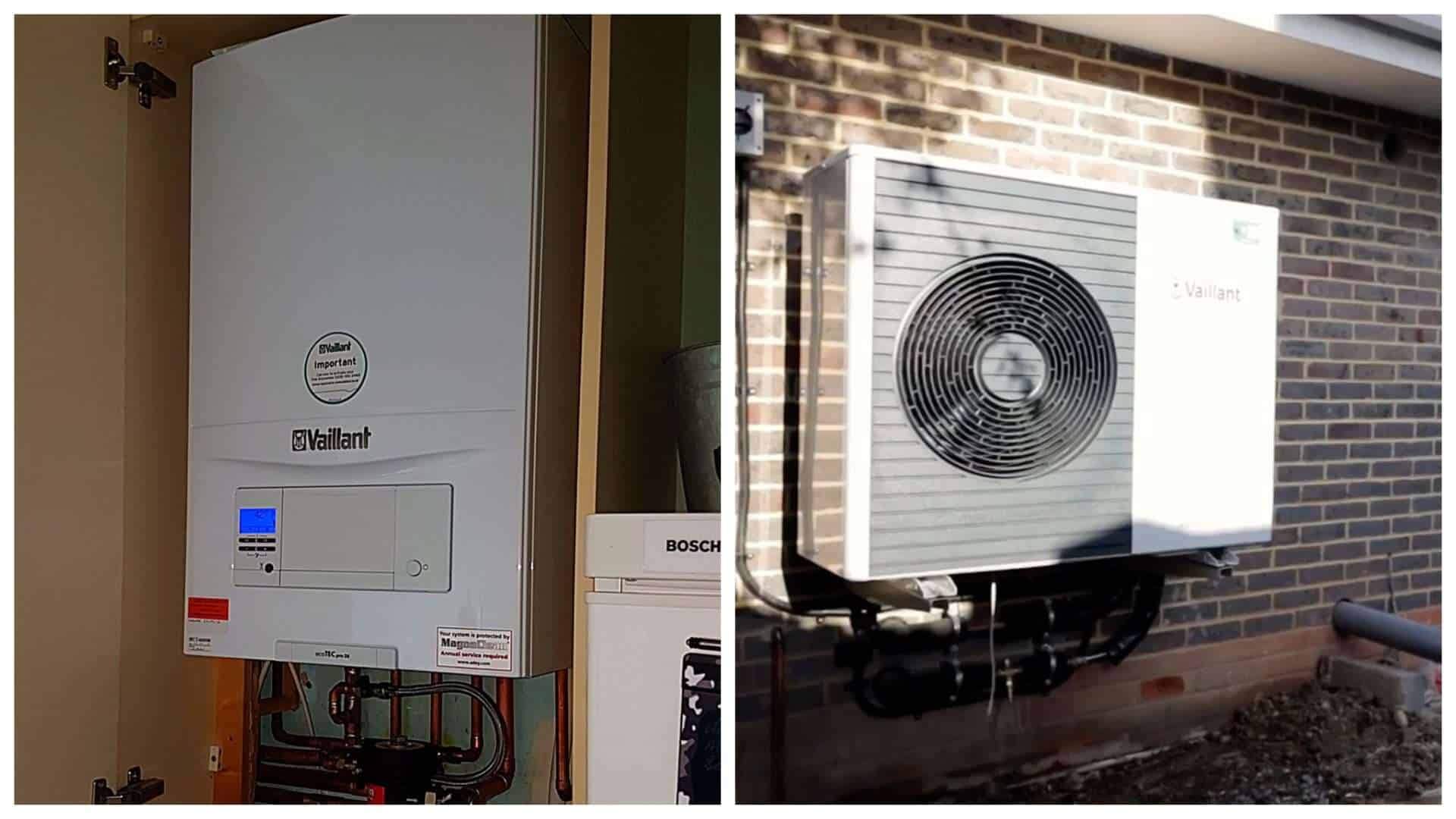
Yes. The main difference compared to replacing a system or regular boiler is that a combi boiler has no hot water cylinder. A heat pump requires one, so a cylinder needs to be added to the property.
This means finding space for a cylinder, which is typically 1.5 to 1.8 metres tall and around 500mm in diameter. Common locations are airing cupboards, utility rooms, garages, or loft spaces. The survey identifies the best location based on your property layout and pipework routing.
The rest of the process is the same: heat loss calculation, emitter assessment, system design, installation, and commissioning. A combi boiler to heat pump conversion typically adds £500 to £1,500 to the project compared to a system boiler swap, mainly for the cylinder and any pipework adjustments.
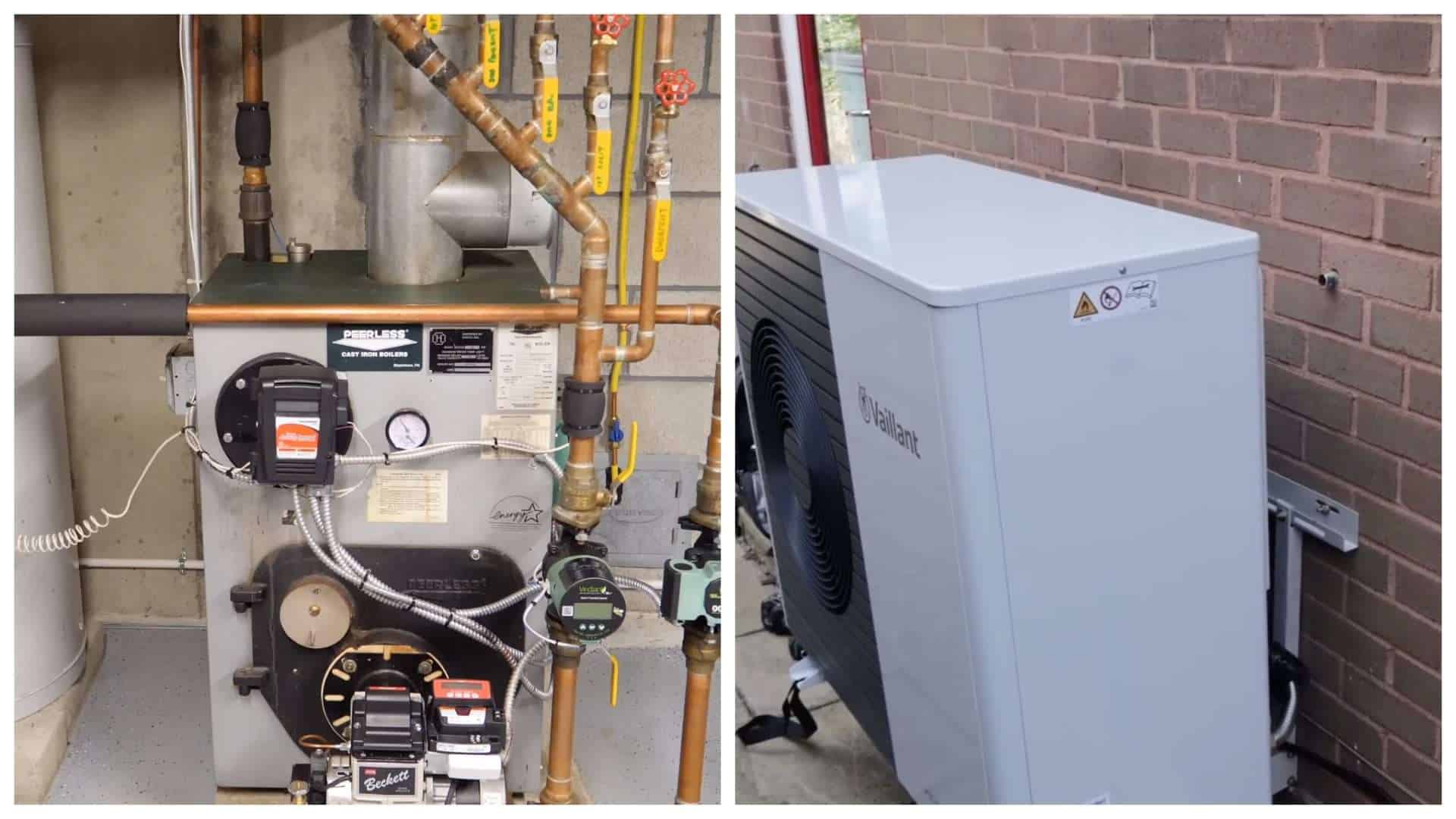
You can, and an oil boiler to heat pump conversion follows the same survey, design and install sequence as a gas swap. It suits the off-gas homes of rural Berkshire and Surrey that rely on oil today. Oil-heated homes are often older and bigger, with radiators sized for a boiler running hot, so the room-by-room heat loss survey and the radiator check matter even more here.
When you replace an oil boiler with a heat pump, the boiler comes out and the oil tank is decommissioned and removed, which frees up space in the garden or utility. A well-designed air source heat pump can cost less to run than oil, depending on the design, your tariff and the oil price at the time.
The Boiler Upgrade Scheme pays an extra £1,500 towards an air source heat pump, so £9,000 in total, if your home is heated by oil or LPG and has no mains gas connection. That higher rate runs until March 2027 (gov.uk). You also need to own the property in England or Wales and use an MCS certified installer on a qualifying installation, and we check eligibility at the survey.
£9,000
BUS grant towards an air source heat pump for homes heated by oil or LPG with no mains gas connection, until March 2027, where the other conditions are met (gov.uk).
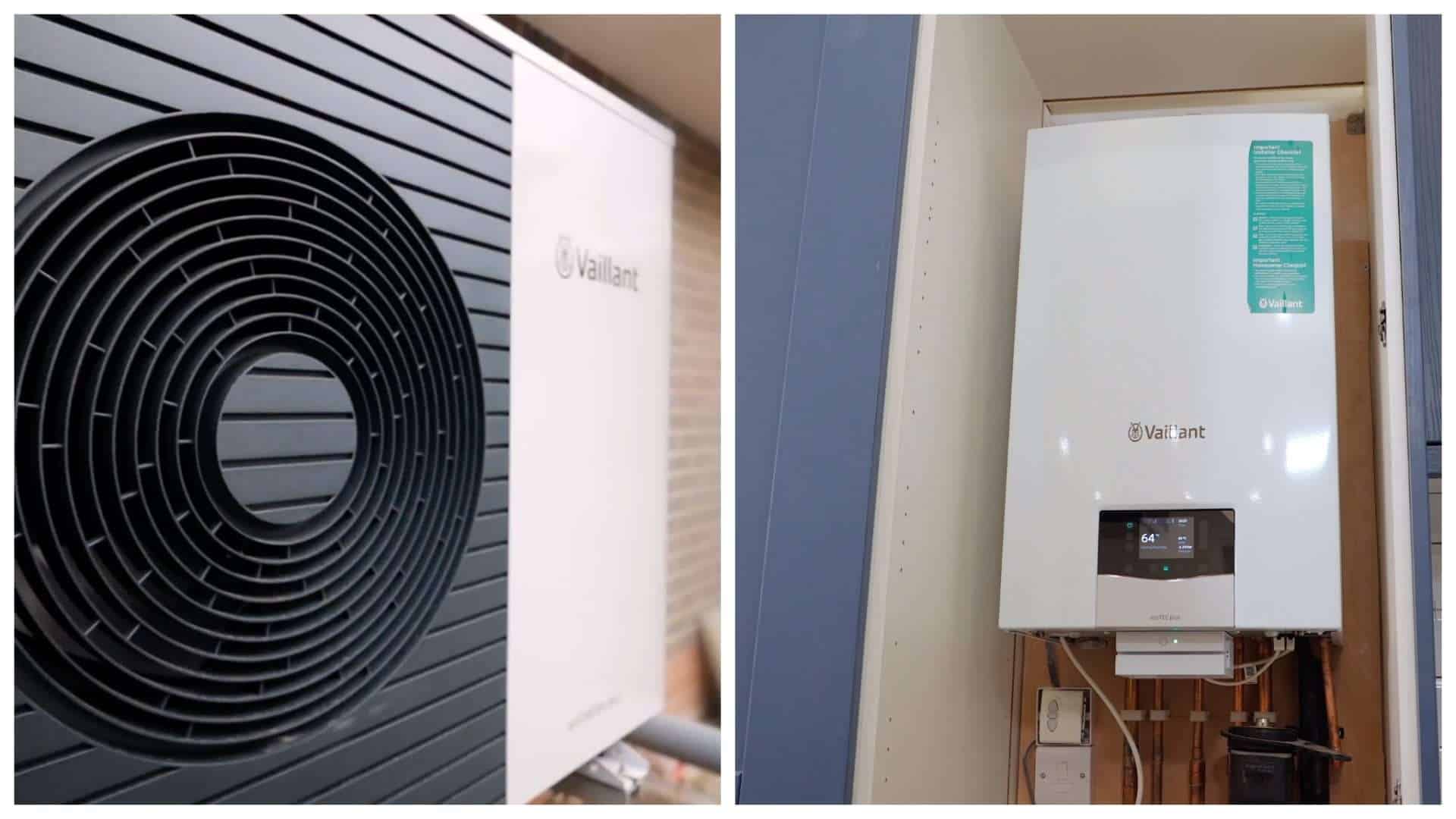
You have two options. Most homeowners in Berkshire and Surrey keep the gas supply initially, particularly if they have a gas hob. The boiler is removed but the gas meter stays connected. Once you’re confident in the heat pump and ready to switch to an induction hob (or simply don’t need the gas), you can contact your supplier to disconnect the meter and stop paying the daily standing charge, which is currently around £105 per year.
The boiler is removed and the gas meter stays connected, which suits a household still cooking on a gas hob.
Once you’re confident in the heat pump, or ready for an induction hob, your supplier disconnects the meter.
There is no requirement to disconnect gas as part of the heat pump installation. It’s a separate decision you can make in your own time.
Design the Boiler Replacement First
The Blueprint sets out the heating and hot water design that replaces your boiler, room by room.
“From the moment I met Adam I knew that he was the right man for the job. He is incredibly knowledgeable about heat pumps. I am not talking about knowledge you get from doing a few installs rather I am talking about knowledge from really studying and understanding this technology.”
Gerard Barron, Google Review
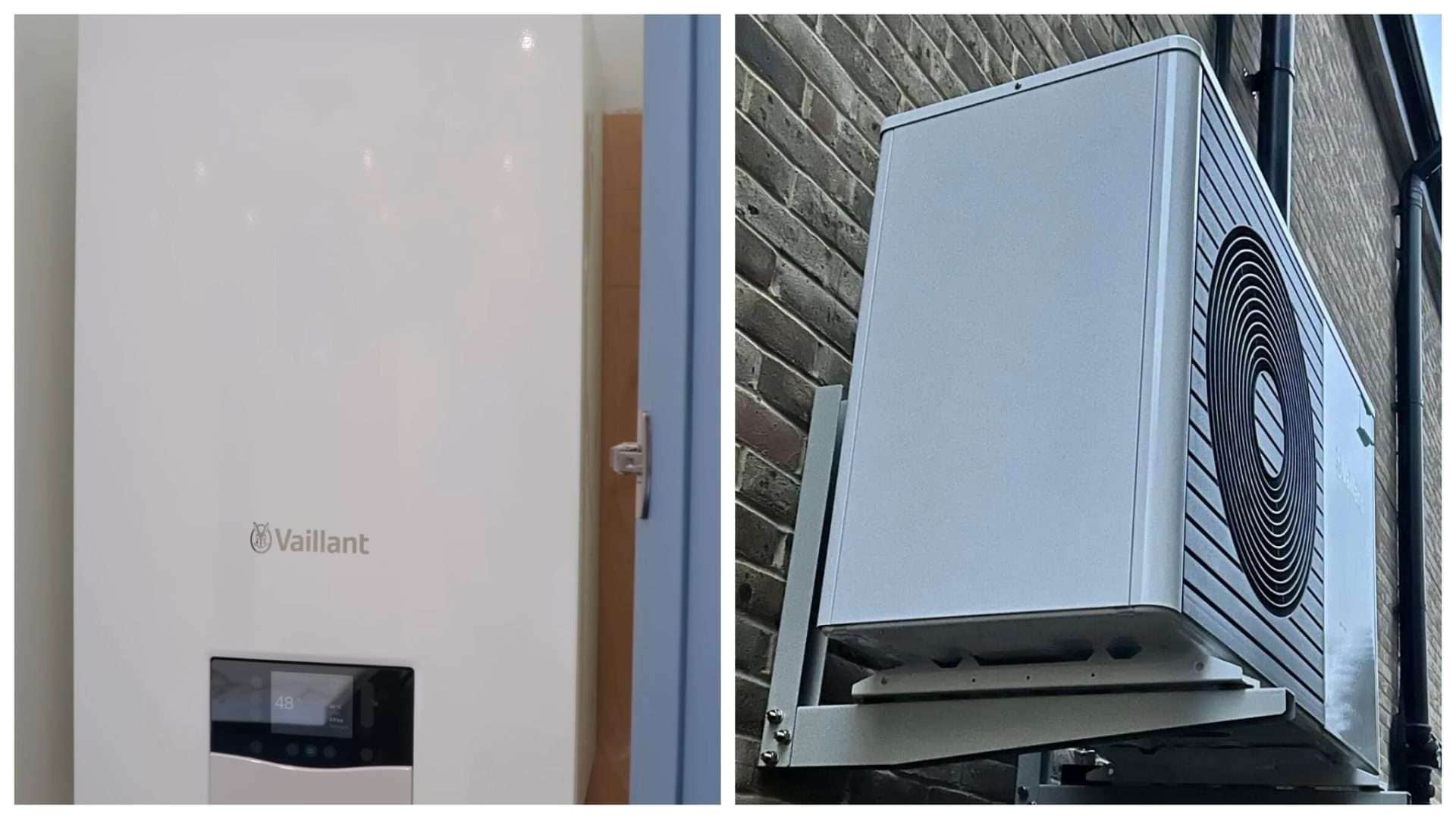
Not all quotes for replacing a gas boiler with a heat pump are structured the same way. Before signing anything, check whether the quote includes:
If any of these are missing, the price will likely grow after the survey or during the installation. The scope should be locked before work starts. That’s what a properly engineered air source heat pump installation process should look like.
In most cases, yes. The heat loss survey confirms whether your property is suitable. Most detached and semi-detached homes in Berkshire and Surrey with outdoor space and room for a cylinder can accommodate a heat pump. If your home isn’t suitable, we tell you rather than proceeding with an installation that won’t perform.
Between £10,000 and £18,000 before the £7,500 BUS grant for most domestic properties. The net cost after the grant and 0% VAT depends on the number of emitter upgrades, cylinder requirements, and system complexity. Every Heat Pump Blueprint includes the full cost breakdown.
If your boiler is nearing end of life or you’re planning a renovation, the economics and timing are strong. The £7,500 BUS grant and 0% VAT through March 2027 significantly reduce the upfront cost. A properly designed system should run at comparable or lower cost than gas on a smart tariff. The heat loss survey is the step that confirms whether it makes sense for your specific property.
Yes. The main addition is a hot water cylinder, which a combi boiler doesn’t have. The survey identifies the best cylinder location in your property. Everything else follows the same design and installation process.
Hybrid setups exist where a heat pump runs alongside an existing boiler, but they add complexity and cost without delivering the full efficiency benefit. In most well-suited properties, the heat pump replaces the boiler entirely. The heat loss survey confirms whether a full replacement is viable.
That comes down to the design and your tariff. A system set up with low flow temperatures and weather compensation, on a smart tariff like Cosy Octopus, can match or beat what you paid for gas, and a badly set-up one costs more. Our heat pump vs gas boiler guide sets the two side by side on running cost, efficiency and upfront price.
If you’re a Berkshire or Surrey homeowner with a gas boiler approaching end of life, or you’re mid-renovation and the heating decision is still outstanding, the survey is where it starts. We assess the property, run the heat loss calculations, and produce the Heat Pump Blueprint. You see the full design, every cost, and the net figure after the grant.
More guides from the Eco Renewables blog on the same topic.
24 November 2026
Read the guide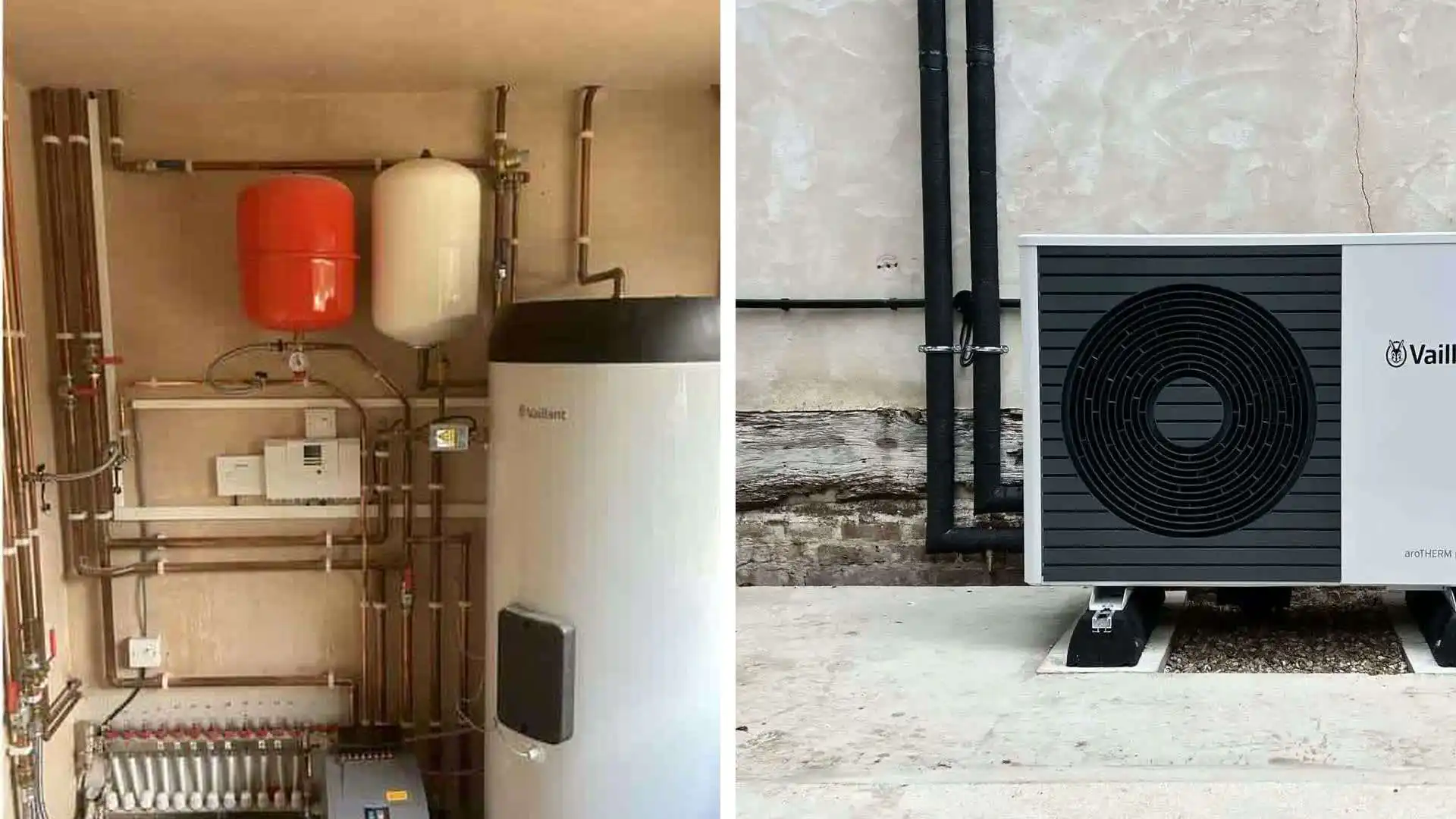
24 November 2026
Read the guide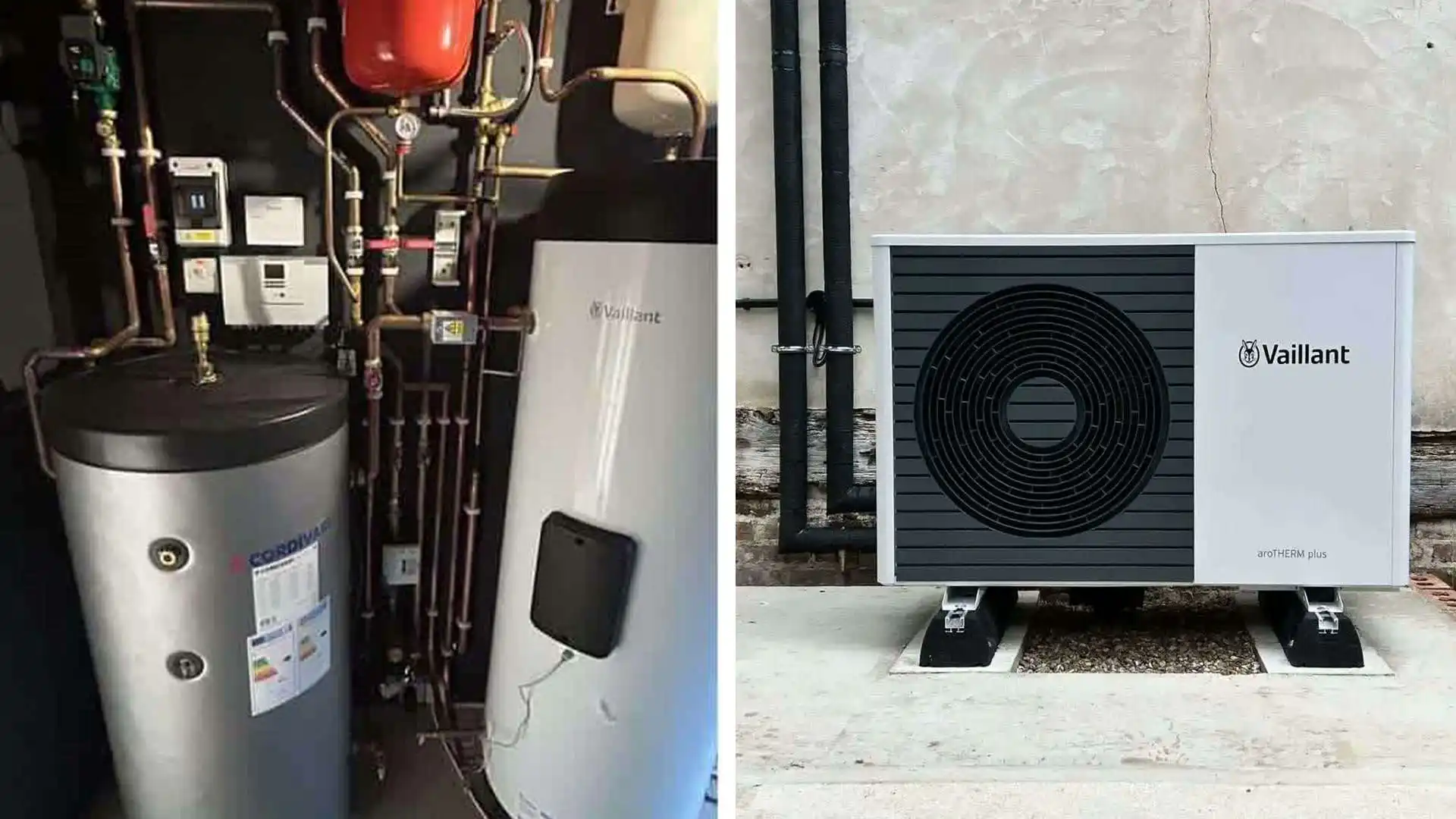
24 November 2026
Read the guideEco Renewables are trusted by homeowners throughout Berkshire and the South East to provide high-quality heat pump heating system installations.
If you're considering a heat pump, the survey is where it starts. We assess the property, run the heat loss calculations, and tell you exactly what the system would look like.
Get My Free Heat Pump Blueprint


