



Solar
Are Solar Panels Worth It in Berkshire and Surrey? 2026 Maths
By Adam Dare
Heat Geek trained installer
Updated 23 November 2026
Reading time
🎉 Named South East Heating Installer of the Year 2026
Ask the internet whether solar panels are worth it and you get two equally useless answers. The industry says yes before you finish the question. The cynics say the payback takes twenty years and the panels die first. Both are wrong for the same reason: “worth it” is not a property of solar panels. It is a property of the match between a specific system and a specific household in Berkshire or Surrey, and that match can be calculated before you spend a pound.
One number sits underneath every worth-it calculation, and it is not the one on the quote. It is the share of your generation you actually use. Hold onto that; everything below comes back to it.
Here is the shape of the calculation, with realistic figures rather than brochure ones. Take a typical 4kW system in the South East at roughly £6,000 to £7,500 installed. On a reasonably oriented roof in this region it generates around 3,500 kWh a year.
What that generation is worth depends entirely on where it goes. Every kilowatt-hour you use in the house displaces a unit you would have bought at somewhere around 24 to 27p. Every kilowatt-hour you export earns a Smart Export Guarantee rate that is typically a fraction of that. A household that self-consumes half its generation and exports the rest might save and earn a combined £600 to £900 a year at current prices, which puts payback in the 7 to 12 year window. A household that exports almost everything, because nobody is home in daylight and nothing was designed around usage, sits at the slow end or beyond it.
Typical 4kW system, South East
Around 3,500 kWh
Generated a year on a reasonably oriented roof
£600 to £900
Might be saved and earned a year at current prices, with half the generation used at home
7 to 12 years
Payback window at roughly £6,000 to £7,500 installed
That spread is the honest answer to the headline question, and it is why quotes that promise a single confident payback number without asking about your consumption deserve suspicion. A solar PV installation designed from your actual usage data starts the calculation from the right end. Independent guidance from the Energy Saving Trust makes the same point: the return lives in self-consumption.
The panels, meanwhile, outlast the payback several times over: modern modules typically retain 85 to 90 percent of their output after 25 years. Everything after payback is margin.
Payback Worked Out on Your Own Roof
If you want the calculation run on your numbers rather than a national average, that is exactly what the survey produces.
“Great experience with Eco renewables from start to finish. Wouldn’t hesitate to recommend to friends and family.”
Craig Christian, Google Review
Three variables do most of the work, and only one of them is on the roof.
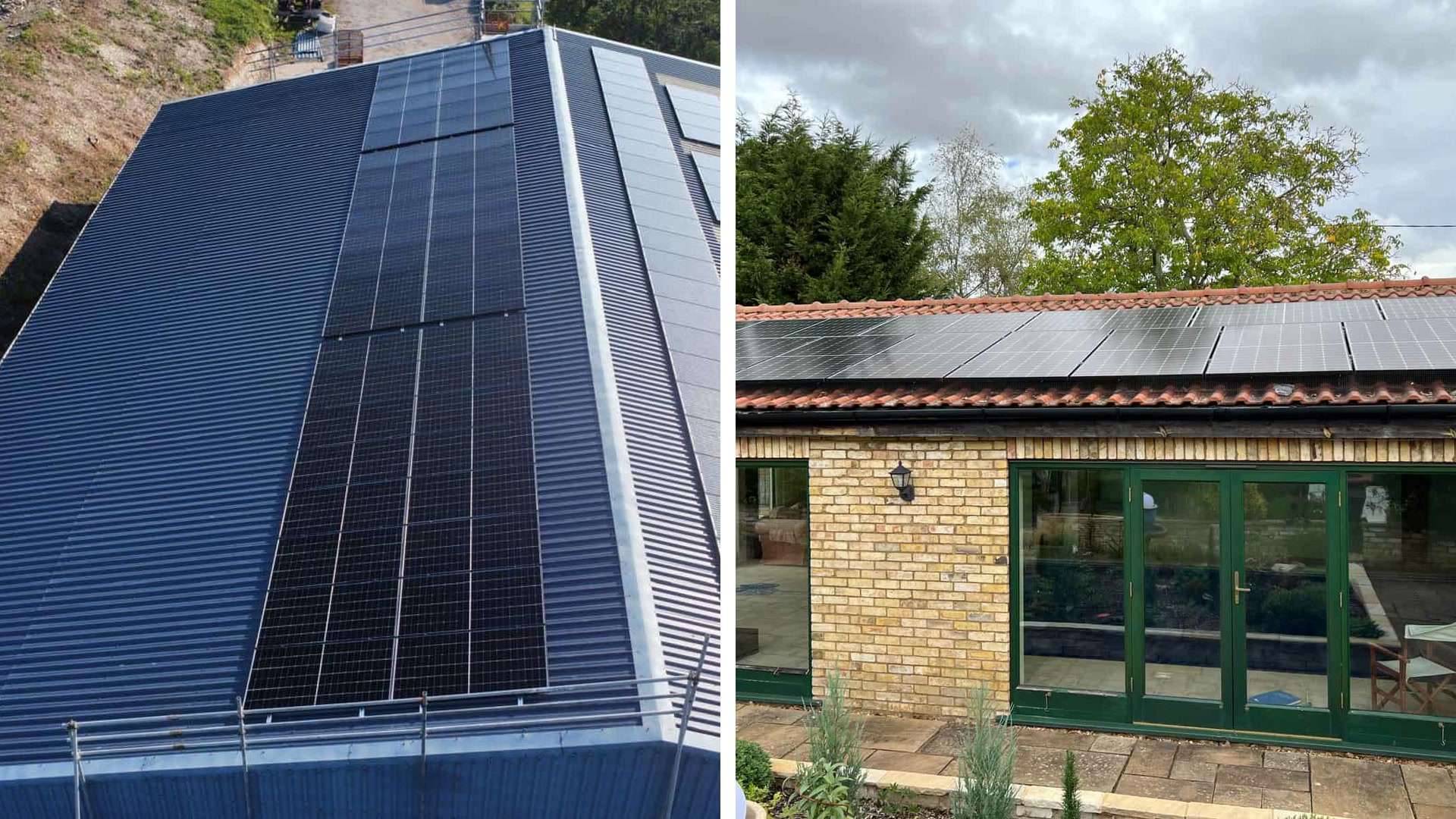
Orientation and shading. South-facing is the textbook ideal, but the textbook overstates the gap: an east-west split typically yields 15 to 20 percent less than due south while spreading generation across morning and evening, which can actually improve self-consumption for households home at those hours. Shading is the less forgiving variable. A chimney or a mature oak casting a moving shadow across the array can cost far more than orientation ever will, which is why shading gets modelled at survey rather than eyeballed.
When you use electricity. A household that runs its dishwasher, washing machine, and home office through daylight hours banks the high-value savings automatically. A household that is out from seven to seven exports its generation for pennies unless something stores it. Same roof, same array, very different worth-it answer.
How the system is sized. This is the variable the industry gets wrong on purpose, because bigger arrays mean bigger invoices. An array sized to fill the roof maximises generation; an array sized to your consumption maximises the value of each panel. Past a certain point, every added panel produces electricity you can only export at the low rate, and the marginal payback of those panels stretches out miserably. Sizing to consumption is slower to quote and better to own.
The Smart Export Guarantee obliges larger suppliers to pay you for exported electricity, and rates vary enormously between suppliers and tariff structures, from token payments to genuinely useful rates on tariffs designed around solar households. The current landscape is catalogued by Ofgem.
But keep the SEG in its place. At typical rates, a unit exported earns you a third or less of what a unit self-used saves you. Export income is the consolation prize for generation you could not use, not the business case. Systems designed to farm export income made sense under the old feed-in tariffs; they do not now. The design goal is the opposite: use as much of your own generation as you can, export the genuine surplus, and treat the SEG cheque as a pleasant footnote.
A third or less
What a unit exported earns at typical Smart Export Guarantee rates, against what a unit used at home saves.
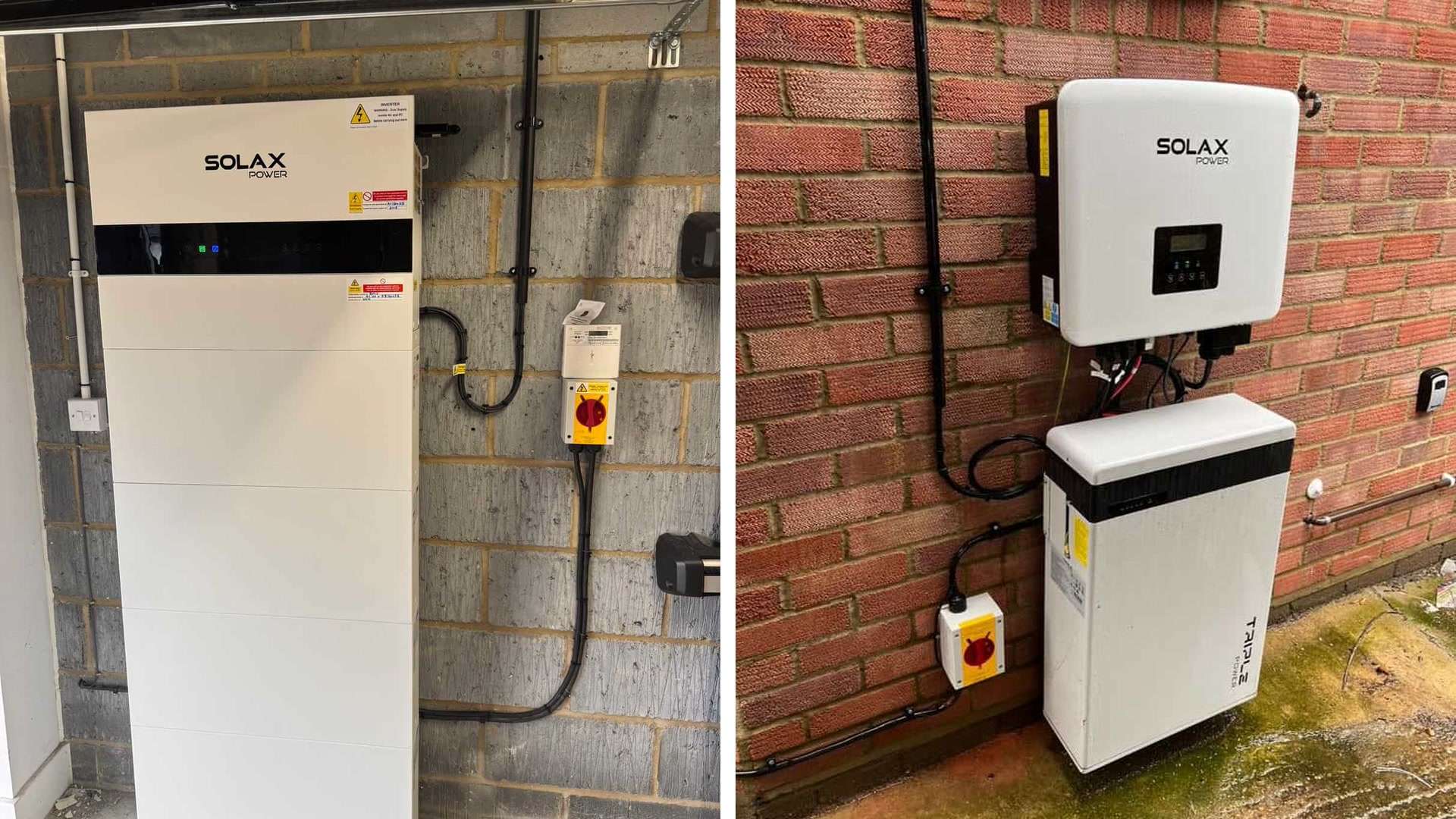
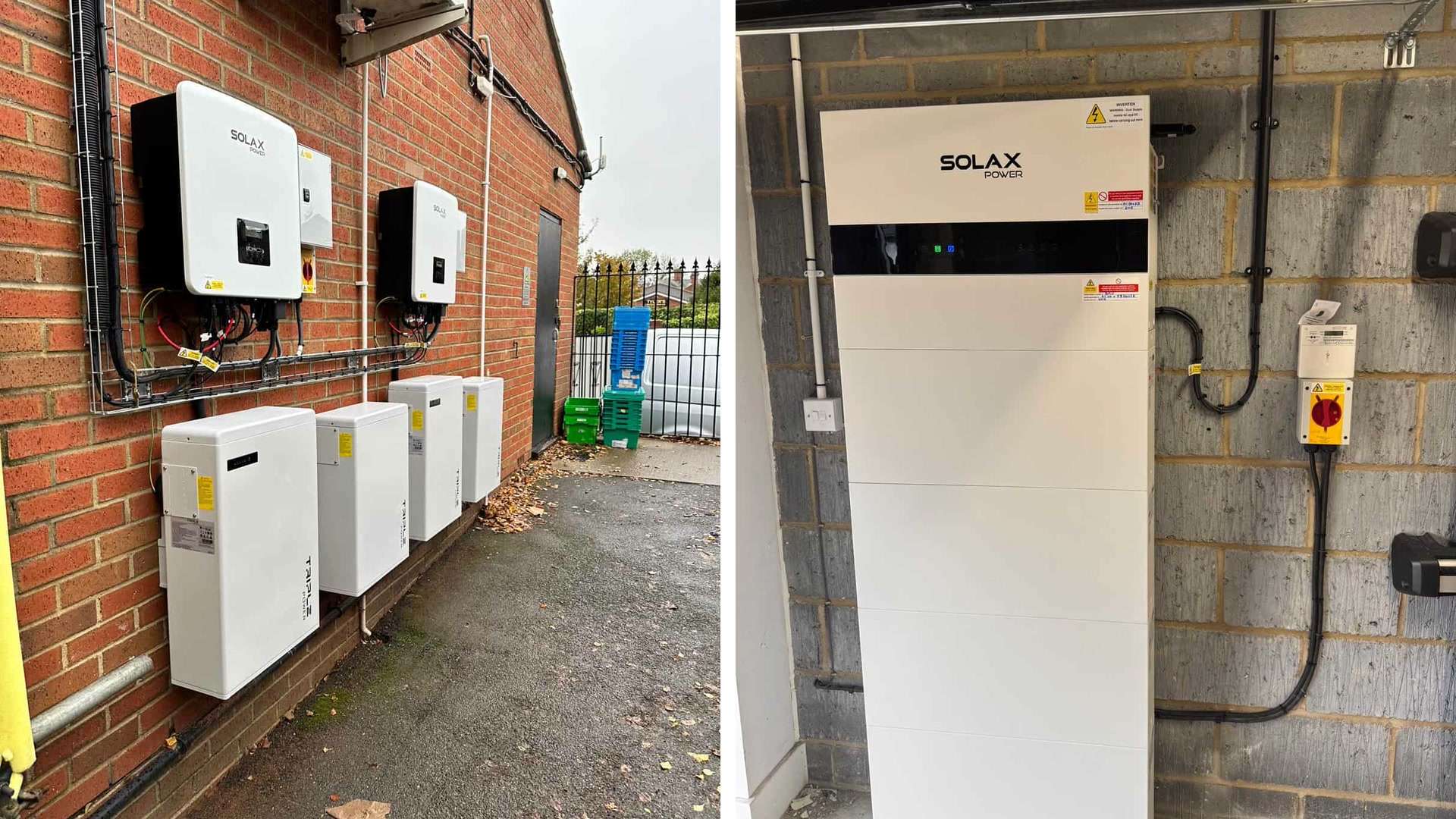
A battery attacks the timing problem directly: it stores the daytime surplus and discharges it into your evening, lifting self-consumption from perhaps 40 to 50 percent toward 70 percent or more for a typical family pattern.
Share of generation used at home
Without a battery
40 to 50 percent
With a battery, typical family pattern
70 percent or more
Rough figures for a typical family pattern: the battery stores the daytime surplus and discharges it into the evening.
Whether it is worth it is a genuinely separate calculation from the panels. The battery adds thousands to the project cost and has its own lifespan, so it earns its place when the household has meaningful evening demand and a big enough daytime surplus to store. It earns it twice over when paired with a smart time-of-use tariff, charging cheap overnight electricity in winter when the array is quiet. For low-consumption households, the honest answer is often that the battery can wait, and a well-designed system leaves room to add one later. The options and the sizing logic live on our solar battery installation page.
What you should not do is buy a battery by default because the quote had one in it. Like the array itself, it either pays on your consumption pattern or it does not, and the numbers will say which.
Should Your System Include a Battery?
The Design Pack includes a battery recommendation built from your actual usage, including the recommendation to skip it when that is what the numbers say.
“Eco Renewables recently installed a heat pump for my customer and aligned it perfectly with my company’s solar PV system… The installation quality was excellent, and my customer is already seeing improved comfort and energy savings.”
Leon Shead, Google Review
An installer who cannot name the no cases should not be trusted on the yes cases. Ours:
Heavy, unfixable shading. If mature trees or neighbouring buildings shade the viable roof planes for the productive hours of the day, no design cleverness rescues the maths. Some shading is designable-around; blanket shading is not.
Small, wrong-facing roofs with no alternatives. A north-facing terrace roof with a few square metres of usable space may generate so little that the fixed costs of installation never pay themselves back.
A roof that needs replacing soon. Panels last 25 years; putting them on a covering with five years left means paying to remove and refit them mid-life. Re-roof first, or fold both into one project.
Very low consumption. A single-occupant, out-all-day, all-gas household exporting 90 percent of its generation is buying an investment product with a poor yield, not an energy system.
None of these verdicts requires guesswork. A survey establishes which side of the line your property sits on before any money moves, and being told no costs you nothing.
Everything above assumed a conventional household. Electrified households break the assumptions in solar’s favour.
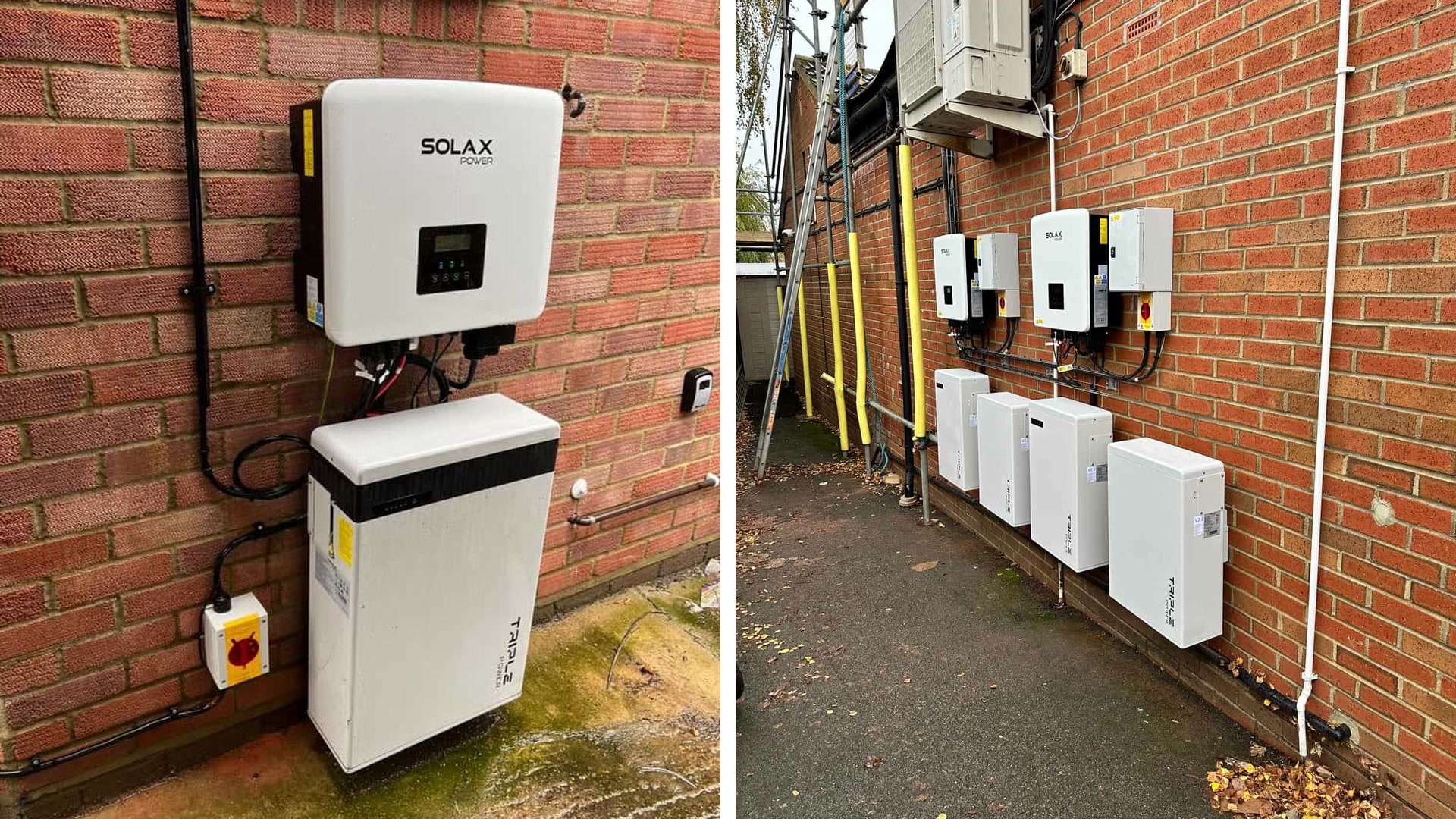
A heat pump doubles or more your annual electricity demand. An EV adds thousands of kilowatt-hours on top. Suddenly the self-consumption ceiling that limited the conventional house disappears: bigger arrays stay productive because the demand is there to absorb them, daytime charging turns summer surplus into free miles, and the battery’s arithmetic improves alongside. This is why the worth-it answer keeps getting better across Berkshire and Surrey specifically, where driveways fill with EVs early and heat pumps are following: the housing stock here is electrifying faster than the national average, and solar is the generation layer under all of it.
We covered how the pairing actually works, including the honest seasonal maths, in our guide to heat pumps and solar panels together, and we design these combined systems across the area, from solar panel installation in Wokingham outward. If your household is heading electric over the next five years, size the solar decision against where your consumption is going, not where it has been.
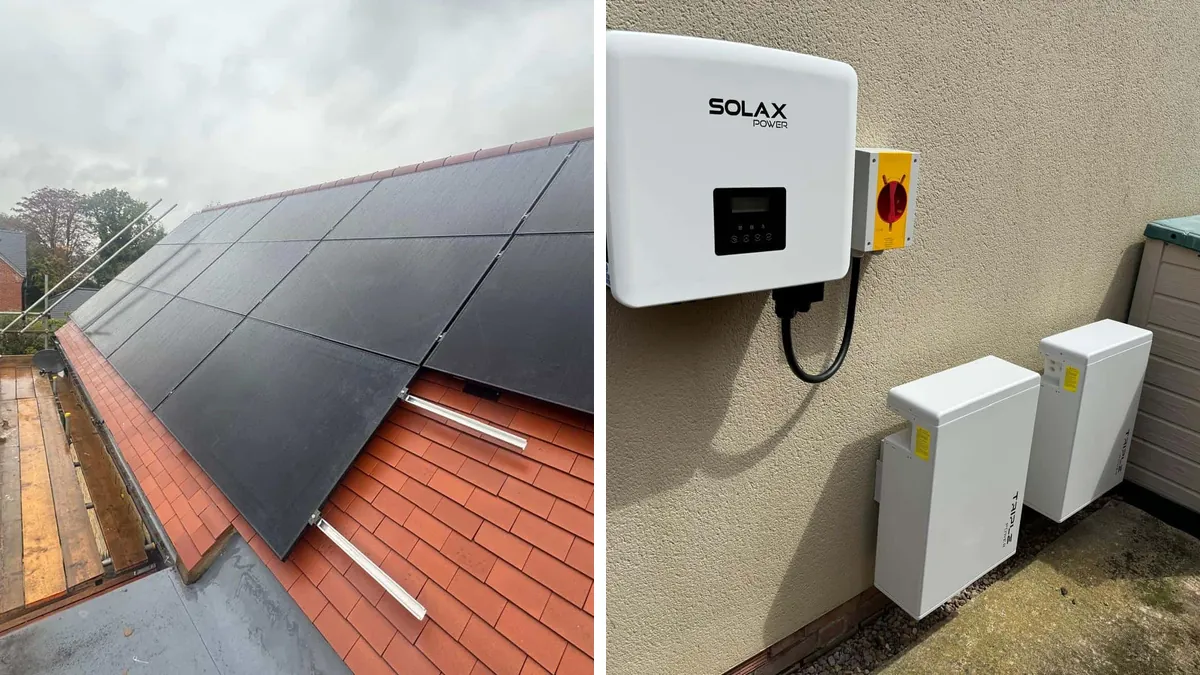
A well-designed domestic system typically pays back in 7 to 12 years at current prices, against a design life of 25 years or more. Poorly sized or badly shaded systems can take substantially longer, which is why the design stage matters more than the brand of panel.
Often yes. Households with strong daytime usage can reach healthy self-consumption without storage. The battery is a separate calculation: valuable for high evening demand, skippable otherwise, and addable later if the system is designed with that in mind.
Usually yes. An east-west array yields roughly 15 to 20 percent less than an equivalent south-facing one, but spreads generation across morning and evening, which suits many households’ actual usage better. Shading matters more than orientation.
Rates vary widely between suppliers, from a few pence to competitive rates on solar-focused tariffs. At typical rates, exporting earns roughly a third or less of what self-using saves, so export income should be the footnote in the calculation, not the headline.
Yes, by a long way. Modern panels carry 25-year performance warranties, well past the 7 to 12 years a well-designed system takes to pay back, and that margin covers the one new inverter most systems need along the way. Our guide to how long modern panels last sets out what those warranties promise year by year.
This is the strongest case there is. Electrified households consume far more of their own generation, which shortens payback and justifies larger arrays. If a heat pump or EV is in your five-year plan, factor that demand into the solar design now.
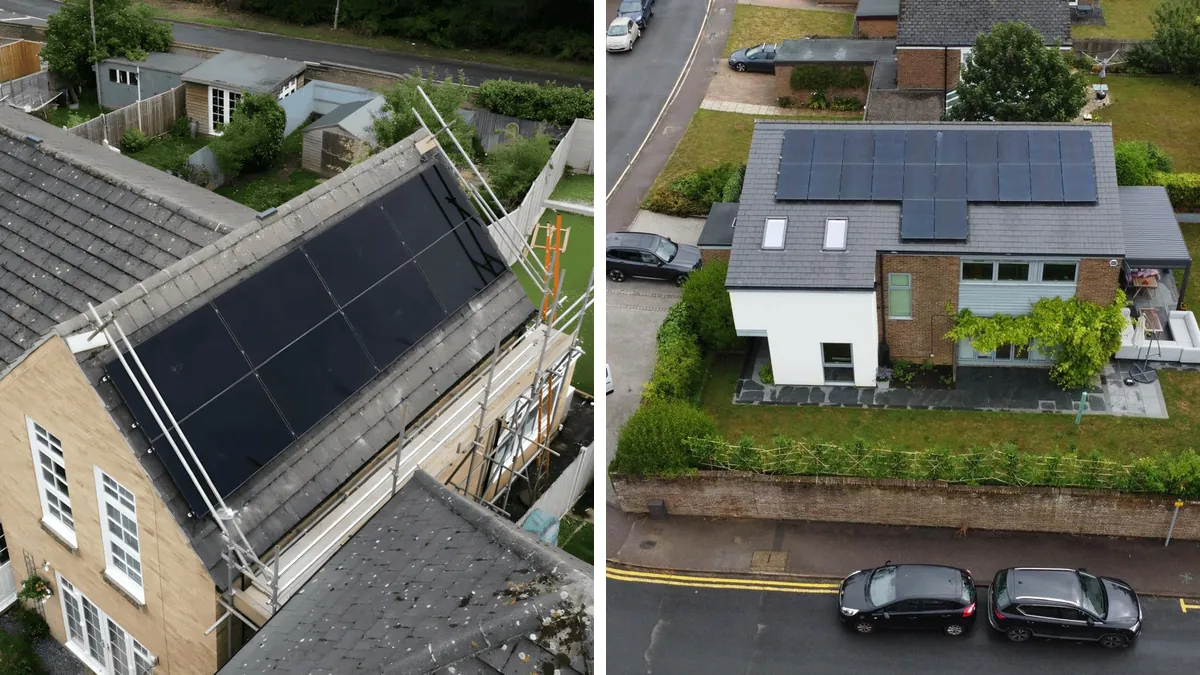
Are solar panels worth it in 2026? For most Berkshire and Surrey homes with a reasonable roof: yes, more clearly than at any point since the feed-in tariff era, thanks to high electricity prices, 0% VAT, and the electrification of everything else in the house. For a specific minority: genuinely no, and a trustworthy installer will say so at survey stage.
The difference between those answers is not luck. It is orientation, shading, consumption, and sizing, all of which are measurable at your property. That measurement, with the projected generation, self-consumption estimate, and full costs, is exactly what the Solar Design Pack delivers.
More guides from the Eco Renewables blog on the same topic.
24 November 2026
Read the guide
24 November 2026
Read the guide
24 November 2026
Read the guideEco Renewables are trusted by homeowners throughout Berkshire, Surrey, and the South East to provide high-quality solar system installations.
If you're considering a heat pump, the survey is where it starts. We assess the property, run the heat loss calculations, and tell you exactly what the system would look like.
Get My Free Solar Design Pack


