



Solar
G98 Notification or G99 Application? How DNO Approval Works for Home Solar in Berkshire and Surrey
By Adam Dare
Heat Geek trained installer
Updated 24 November 2026
Reading time
🎉 Named South East Heating Installer of the Year 2026
A G99 application asks the network operator’s permission before a larger home solar system connects, while a smaller system takes the G98 route and tells the operator after it is switched on. For homeowners in Berkshire and Surrey, and over the border into Hampshire, SSEN’s guidance puts the line at 3.68kW per phase, and the figure it checks is the inverter’s rating.
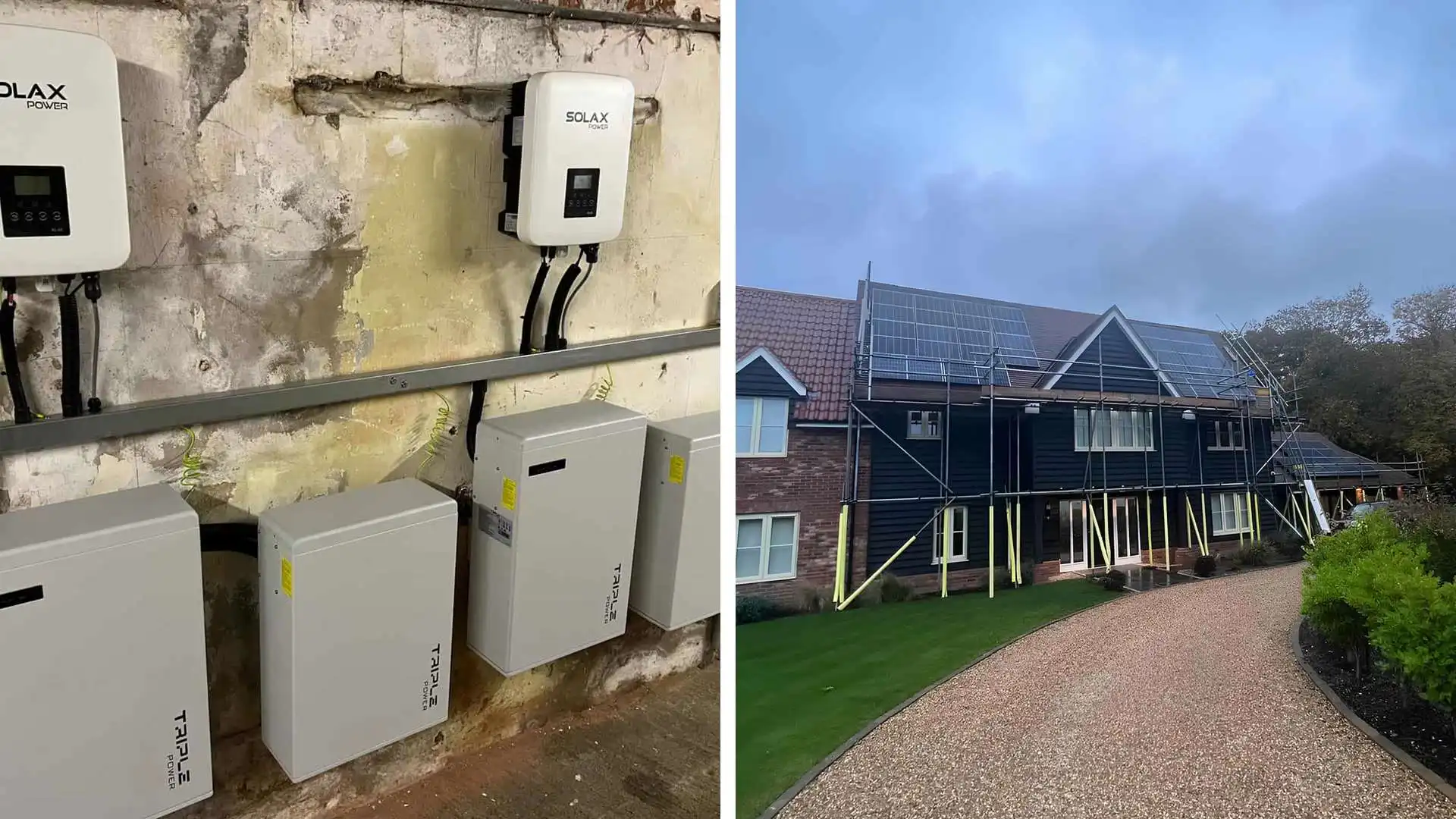
The DNO question comes down to two facts: which company owns the cable in your street, and how much power your system could send into it at full output. On a single-phase supply, an inverter rated at 5kW sits above the G98 line and one rated at 3.68kW sits on it.
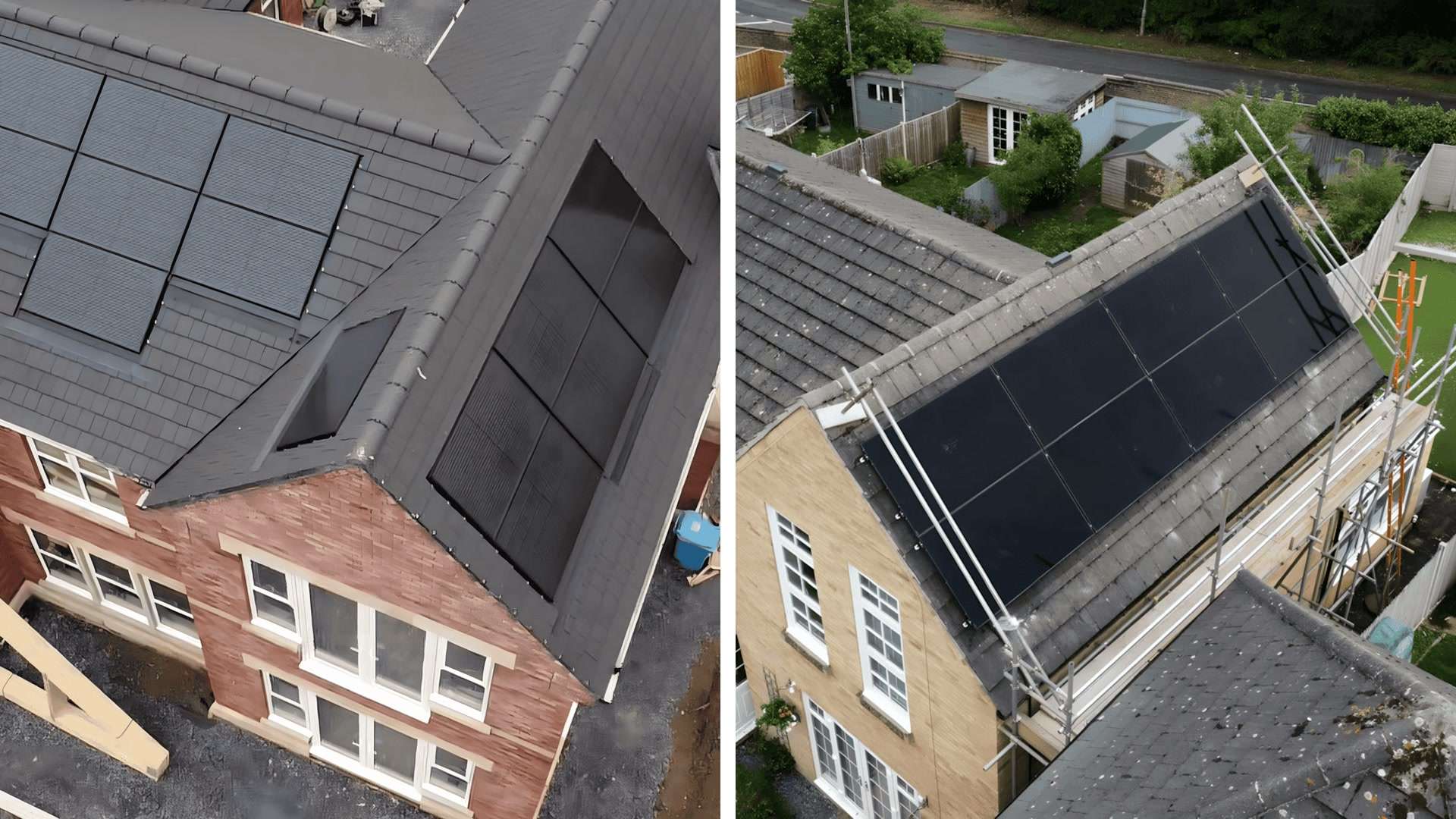
Your electricity supplier sells you power and sends the bill. The distribution network operator, or DNO, owns the cables and substations that carry that power to your door, and SSEN’s 2026 connections guide spells out that a distributor does not read meters or bill you. The DNO stays the same whichever supplier you switch to.
| Electricity supplier | Distribution network operator (DNO) | |
|---|---|---|
| What it does | Sells you power and sends the bill | Owns the cables and substations that carry power to your door |
| Reads meters or bills you | Sends the bill | No, says SSEN’s 2026 connections guide |
| When you switch supplier | You move to the new one | Stays the same |
Solar changes the direction of flow. On a bright afternoon your array sends surplus electricity back out through the same cable, and SSEN warns that too much export can overload the network or push voltage to unsafe levels. A DNO application for solar gives the operator the property, the generation capacity in kW and the inverter’s test certificate, so it can check that the street takes that power safely.
Every solar PV installation we fit is connected and labelled to DNO standards, and the rating of the inverter we specify is the figure the operator checks.
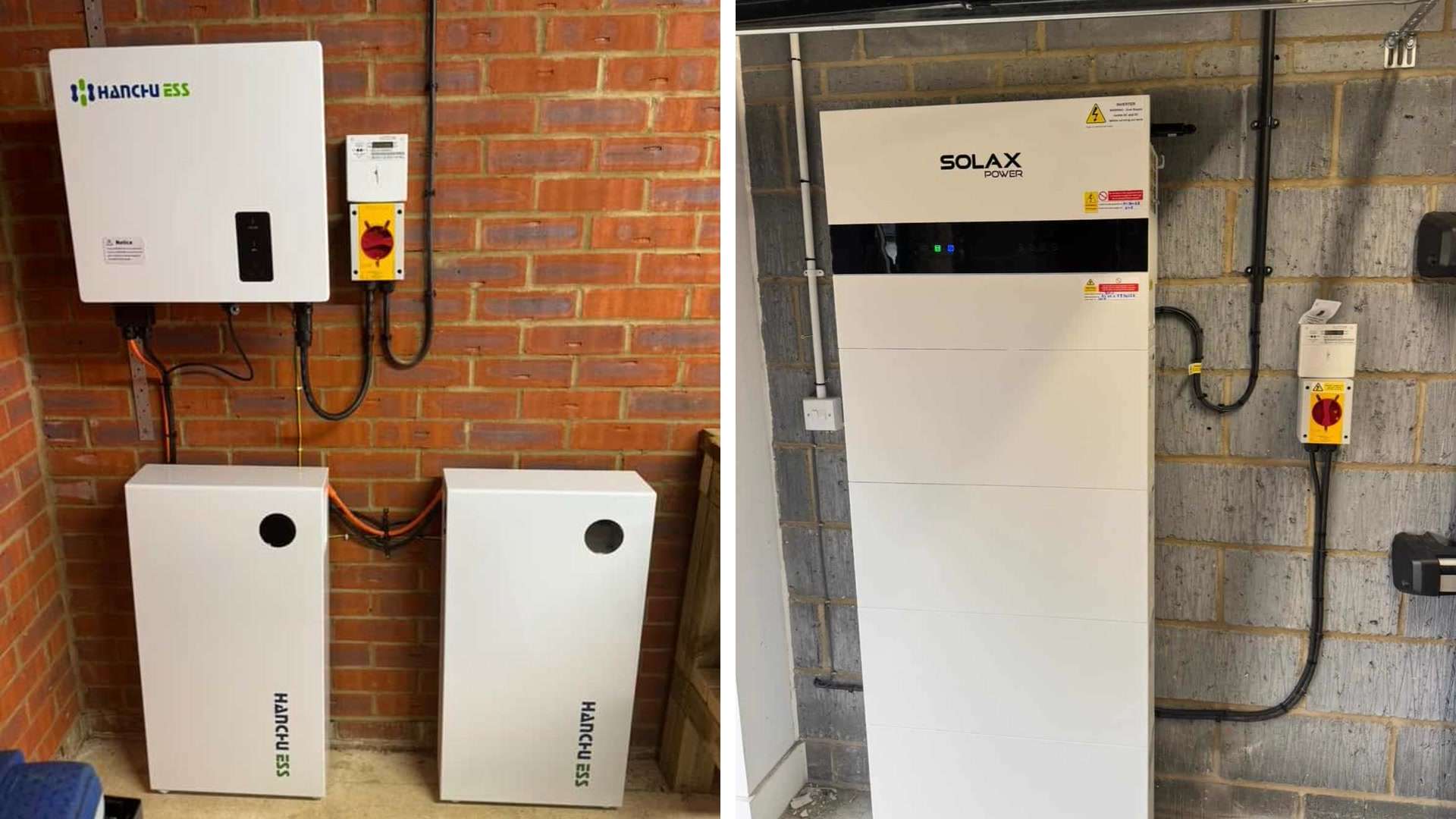
SSEN’s G98 page covers solar rated at 3.68kW or less per phase at one property. The system goes in to the G98 standard with certified, type-tested inverters, and SSEN then needs G98 Form B within 28 days of commissioning. It reviews the form and either confirms the connection meets G98 or says what else it needs.
The G98 form asks for the address, the MPAN where available, the total capacity in kW and the inverter’s type test certificate, whose kW figure must match the inverter shown on the schematic. G98 solar still needs approval first in three cases SSEN lists:
When a G98-sized system still needs approval first (SSEN)
If any of the three applies, the operator’s answer comes before the system goes in.
See Which Side of 3.68kW Your Design Sits
A Solar Design Pack names the inverter rating for your roof and the G98 or G99 route it puts the system on, before anything is ordered.
“He has made himself available at short notice to answer any of my stupid questions, of which there were a lot. Would highly recommend.”
Ben Finnie, Google Review
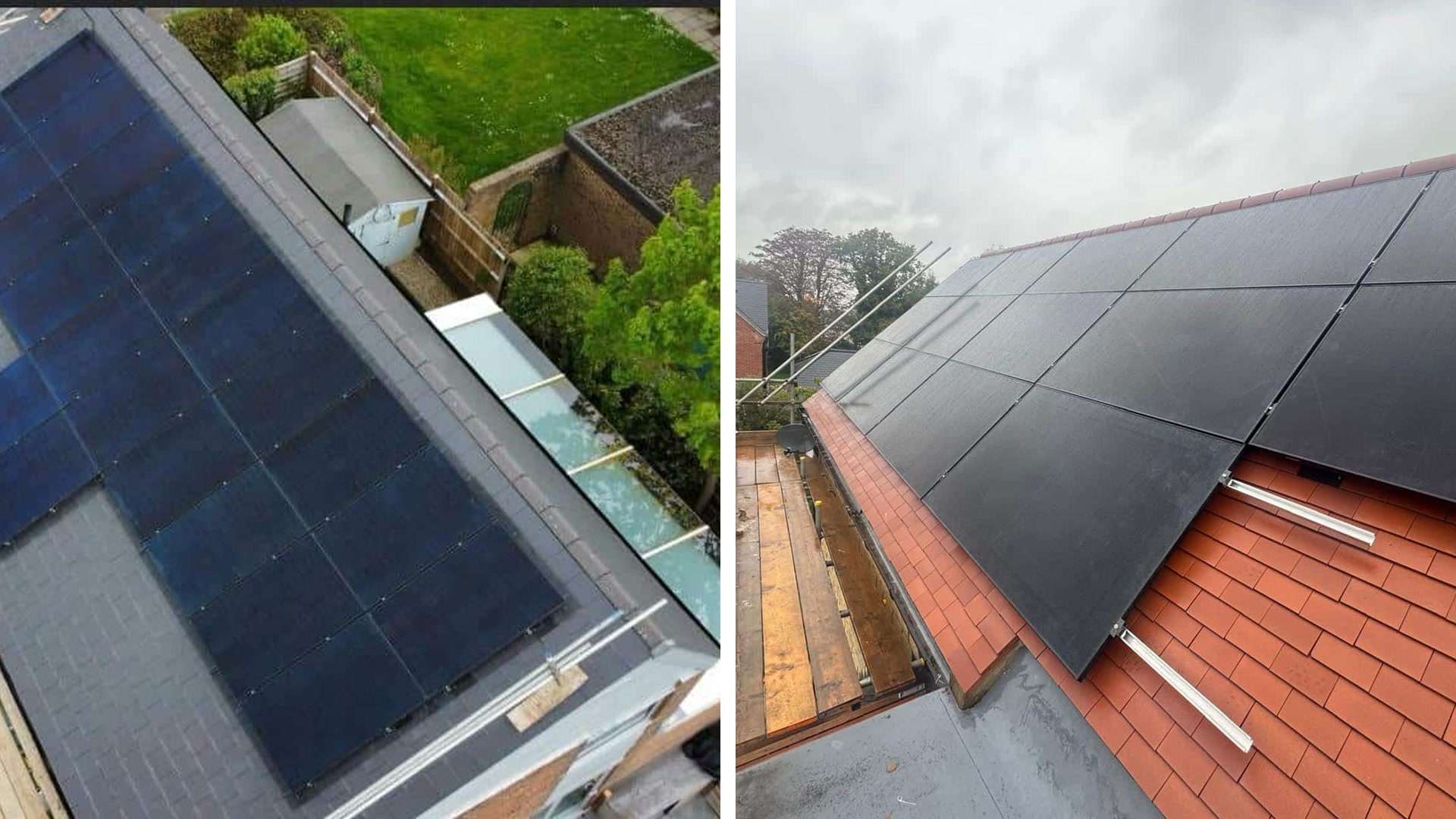
A G99 application runs the other way round: SSEN sees the design and sets its conditions before anything connects. On the G99 solar fast track, an inverter with a design capacity up to 7.36kW and a factory-set 3.68kW export needs no extra device; larger set-ups may need a G100 export limitation scheme. Our guide to how solar inverters are rated explains the datasheet figures behind that split.
Export capped under G100
Under EREC G100, an export limitation scheme caps what a system sends to the grid, at 3.68kW or 7.36kW on SSEN’s fast track depending on the category, and SSEN says it could cost less than network upgrades and connect sooner.
SSEN’s G98 page adds that most suppliers want its “DNO Response” email, confirming the commissioning documents are logged and compliant with G98 or G99, before they set up an export tariff. Our guide to the Smart Export Guarantee covers how those tariffs work.
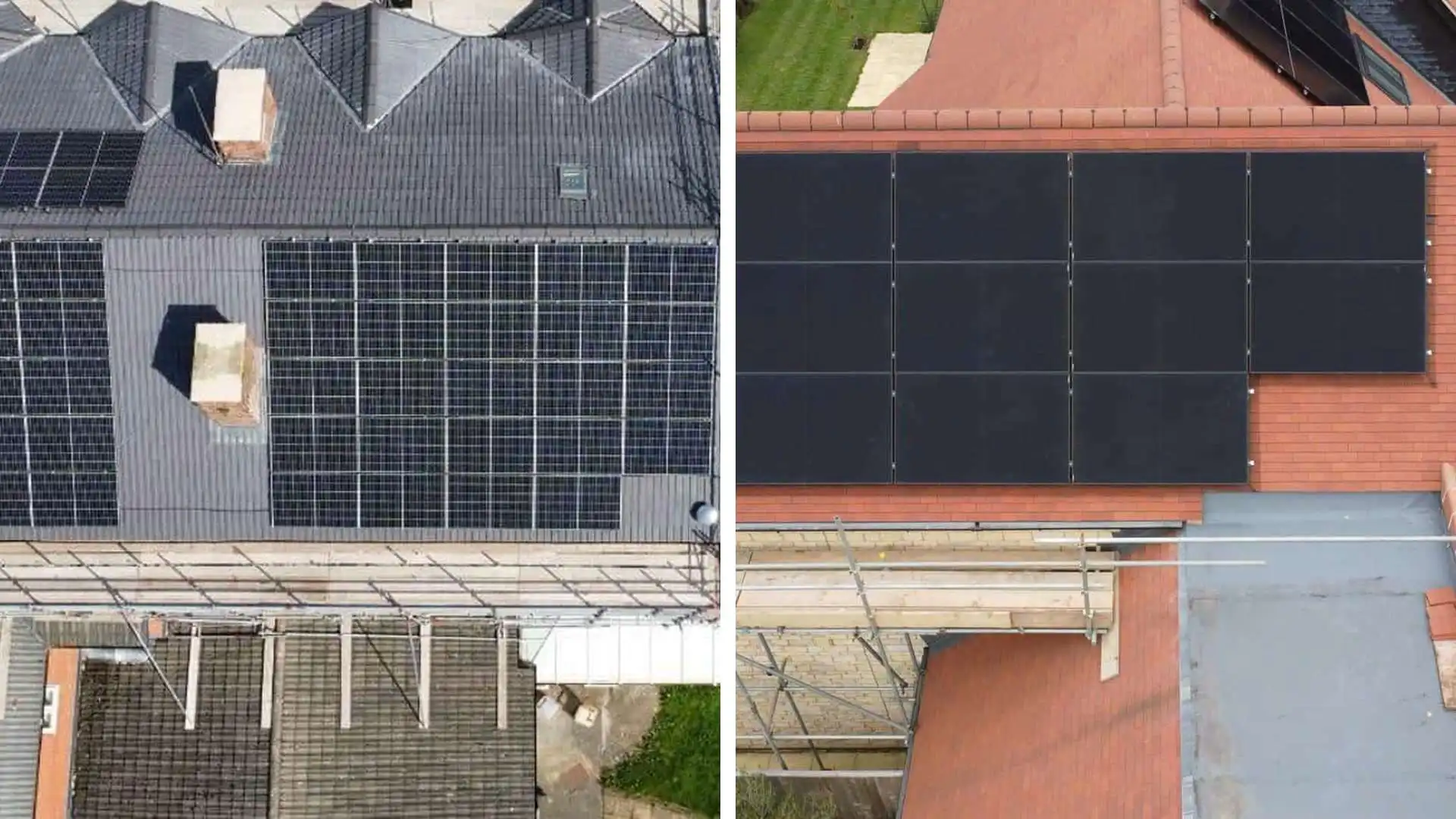
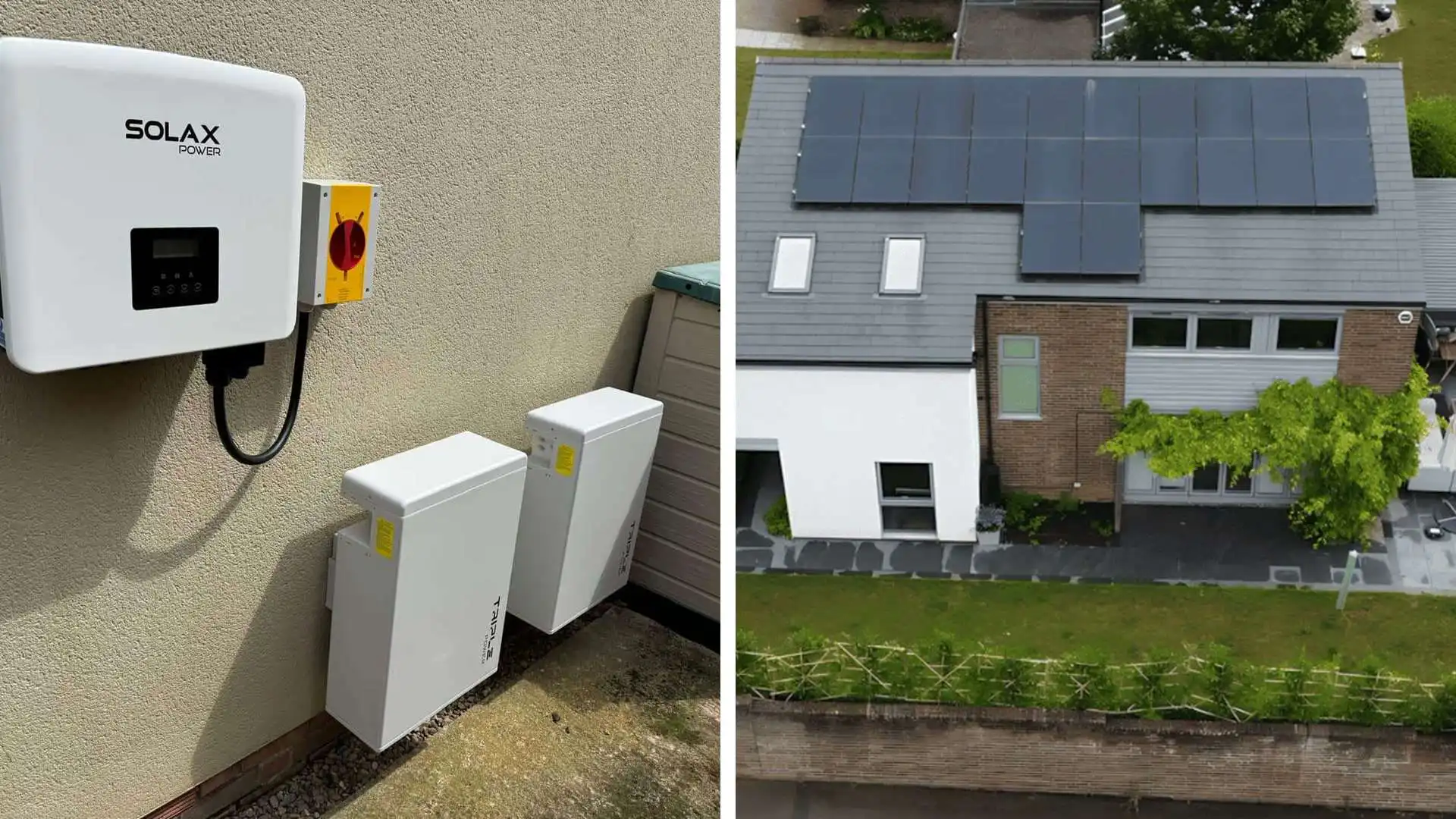
Panels feed the inverter, and the inverter’s rating is the figure SSEN measures against 3.68kW per phase. A large array behind a 3.68kW inverter can stay on G98, while a modest array on a 5kW inverter crosses into G99. For the panel side of the sum, see how a system is sized.
| G98 | G99 | |
|---|---|---|
| Size on SSEN’s guidance | 3.68kW or less per phase | Over 3.68kW per phase in total, or an added generating unit such as a battery |
| When the operator hears | Within 28 days of commissioning | Before connection, with the design |
| Paperwork goes to | The DNO (G98 Form B) | The DNO (application, then commissioning form) |
| Switch on before the DNO replies? | Yes, once commissioned | No, wait for the operator’s confirmation |
| Published SSEN timescale | No wait before connecting | Fast track aim 10 working days; 45 working days to quote if the home’s connection must be modified |
The per-phase wording matters on a three-phase supply, where SSEN applies the 3.68kW limit to each phase.
Get Your Route in Writing First
Your Solar Design Pack sets out the panel layout, the yield figure and an itemised price, with the inverter rating that decides between G98 and G99.
“Very responsive and trustworthy.”
Adam Hewitt, Google Review
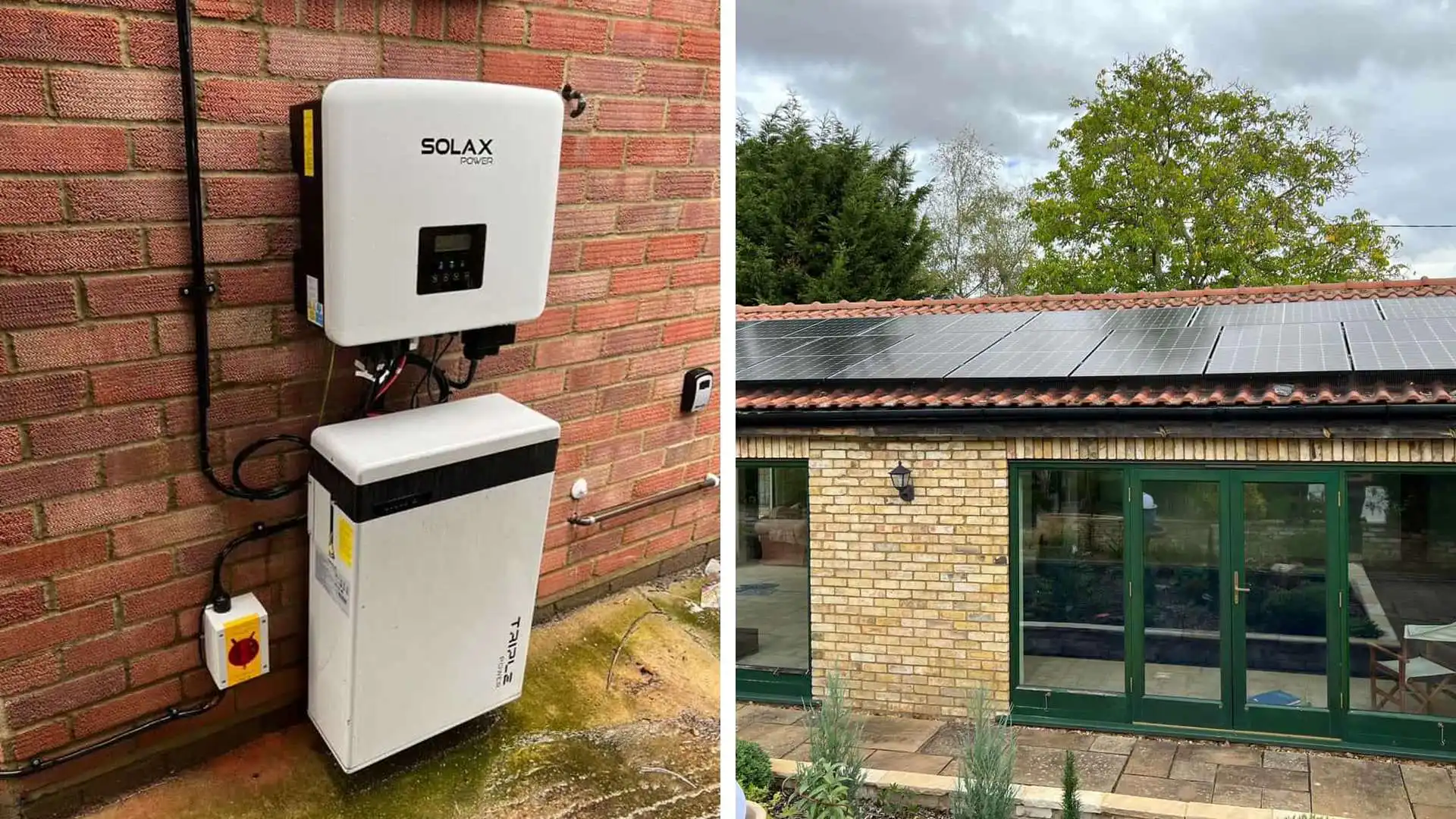
On the G98 route there is no wait before connecting, because SSEN wants the form within 28 days after commissioning. How long DNO approval takes on the G99 route depends on which path the application follows, and SSEN’s pages set out the stages:
Application
SSEN receives the design, the rating of each generating unit and any G100 export limit.
Assessment
SSEN aims to answer fast-track forms within 10 working days; where the home’s own connection has to be modified with low-voltage works, its guaranteed standard for a formal quote is 45 working days.
Confirmation
SSEN’s fast-track page says you cannot connect until it confirms the assessment is complete.
Install and commission
After fast-track confirmation, SSEN allows up to 3 months to install and commission the system.
Commissioning form
SSEN needs the commissioning confirmation within 28 days of commissioning.
The 45 working days covers the quotation only, and SSEN’s 2026 guide says its guaranteed standards do not apply when it reinforces the network without changing the home’s own connection. Any network works the offer names come after that. UK Power Networks applies the same G98 and G99 standards through its own forms and timescales.
Your postcode decides which operator’s rules and timescales apply. SSEN’s lookup on 24 November 2026 returned Scottish and Southern Electricity Networks for Reading (RG1), Bracknell (RG12), Maidenhead (SL6), Camberley (GU15), Farnborough (GU14) and Basingstoke (RG21), and UK Power Networks for Reigate (RH2), Guildford (GU1) and Woking (GU21). Camberley and Guildford are both Surrey towns on different networks. At quote stage, ask any installer:
Questions for any installer at quote stage
A friend’s DNO story from the next town over may not match yours if their postcode sits on the other network. Our page on solar panel installation in Reading covers roofs on SSEN’s patch.
Start With the Figure Your Operator Reads
The inverter rating, the route it sets and the layout for your house come back in one Solar Design Pack, ready to set beside any other quote.
“He is incredibly knowledgeable about heat pumps.”
Gerard Barron, Google Review
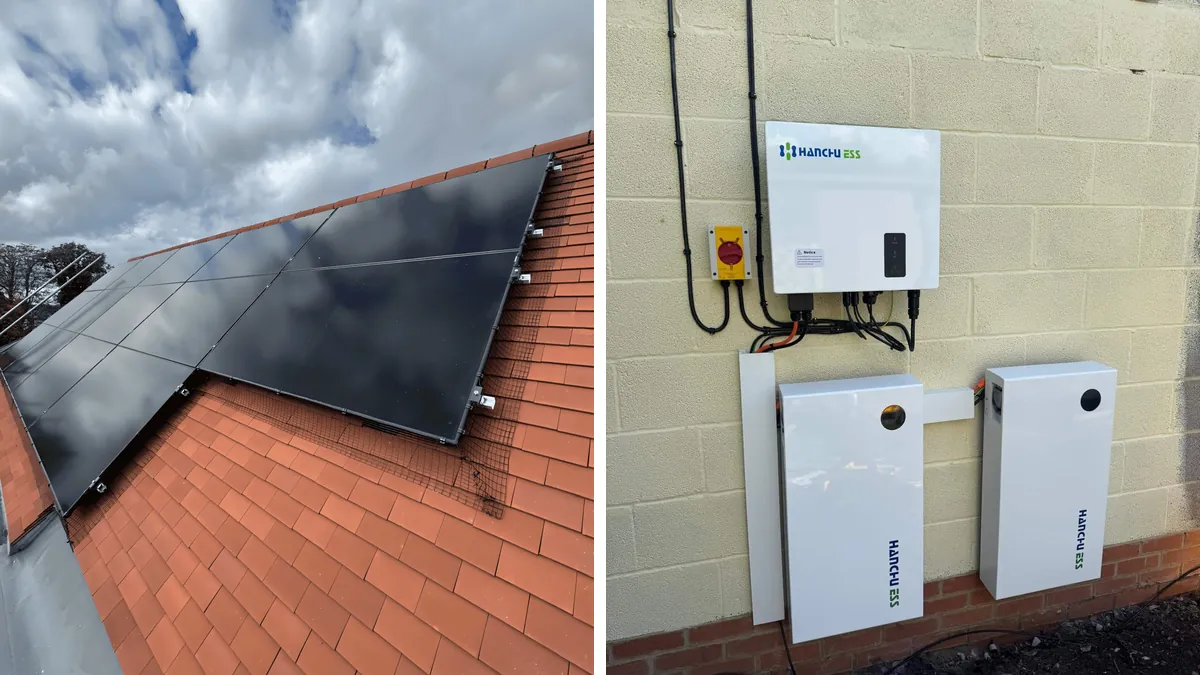
The network operator has to know about every grid-connected solar system. On SSEN’s guidance, a system at 3.68kW or less per phase is notified to the operator within 28 days of commissioning under G98, and a larger one needs G99 approval before it connects.
G98 covers fully type-tested micro-generators up to and including 16 A per phase, which is 3.68kW, and the operator hears after commissioning. G99 covers larger generation and more than one generating unit, and the application comes before connection.
SSEN aims to answer a G99 fast-track form within 10 working days. Where the home’s own connection has to be modified with low-voltage works, its 2026 guaranteed standard is 45 working days to quote. UK Power Networks publishes its own timescales.
No. SSEN’s fast-track page says you cannot connect until it confirms that its assessment is complete, and it then allows up to 3 months to install and commission.
It can, because SSEN’s fast-track rules count a battery as a generating unit, so its rating adds to the solar when the 3.68kW per phase line is checked.
In Berkshire and Surrey it depends on the postcode: SSEN’s lookup on 24 November 2026 put Reading, Bracknell, Maidenhead and Camberley on SSEN, and Reigate, Guildford and Woking on UK Power Networks. Basingstoke and Farnborough in Hampshire returned SSEN. SSEN’s “who is my distributor” page checks any full postcode.
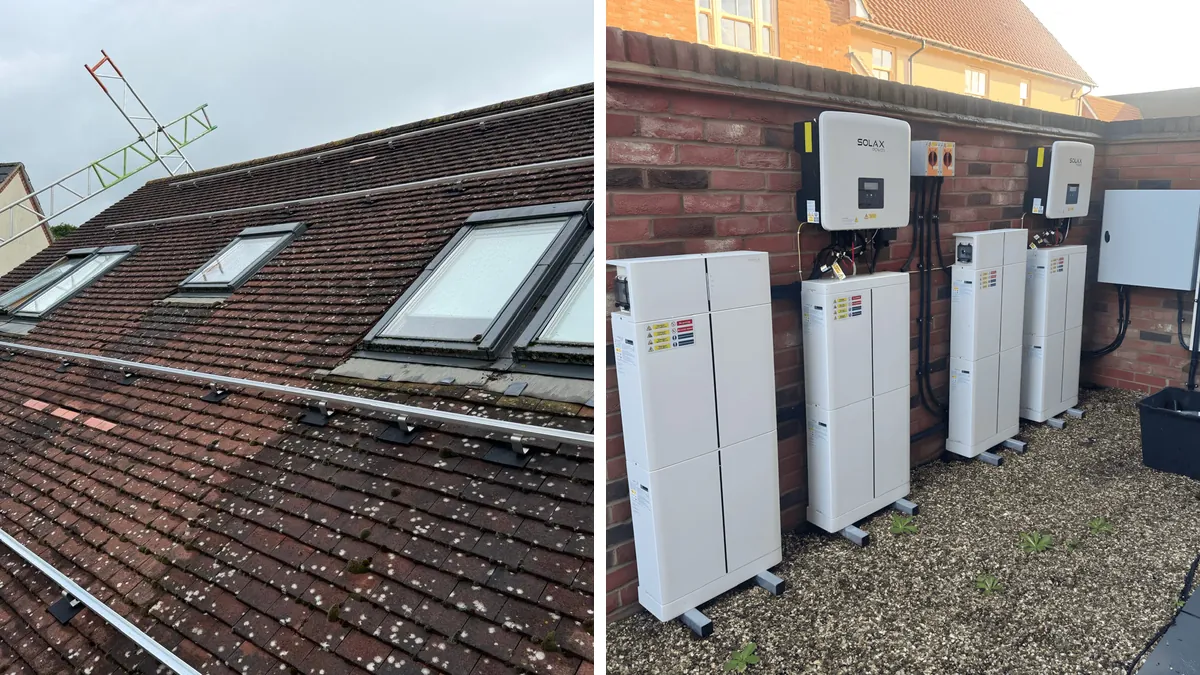
A Solar Design Pack settles the G98 or G99 question for your house while the design is still on paper.
More guides from the Eco Renewables blog on the same topic.
24 November 2026
Read the guide
24 November 2026
Read the guide
12 November 2026
Read the guideEco Renewables are trusted by homeowners throughout Berkshire, Surrey, and the South East to provide high-quality solar system installations.
If you're considering a heat pump, the survey is where it starts. We assess the property, run the heat loss calculations, and tell you exactly what the system would look like.
Get My Free Solar Design Pack


