



Solar
How Long Do Solar Panels Last on Berkshire and Surrey Roofs? Lifespan, Output and Warranties
By Adam Dare
Heat Geek trained installer
Updated 13 November 2026
Reading time
🎉 Named South East Heating Installer of the Year 2026
How long do solar panels last on a Berkshire and Surrey roof? Two current datasheets put it in writing: Jinko warrants the output of its Tiger Neo 3.0 home panel for 30 years, and REC warrants its Alpha Pure-R for 25. Both promise at least 90 percent of rated power at year 25, so panels fitted in Bracknell or Guildford this winter stay under that promise until 2051.
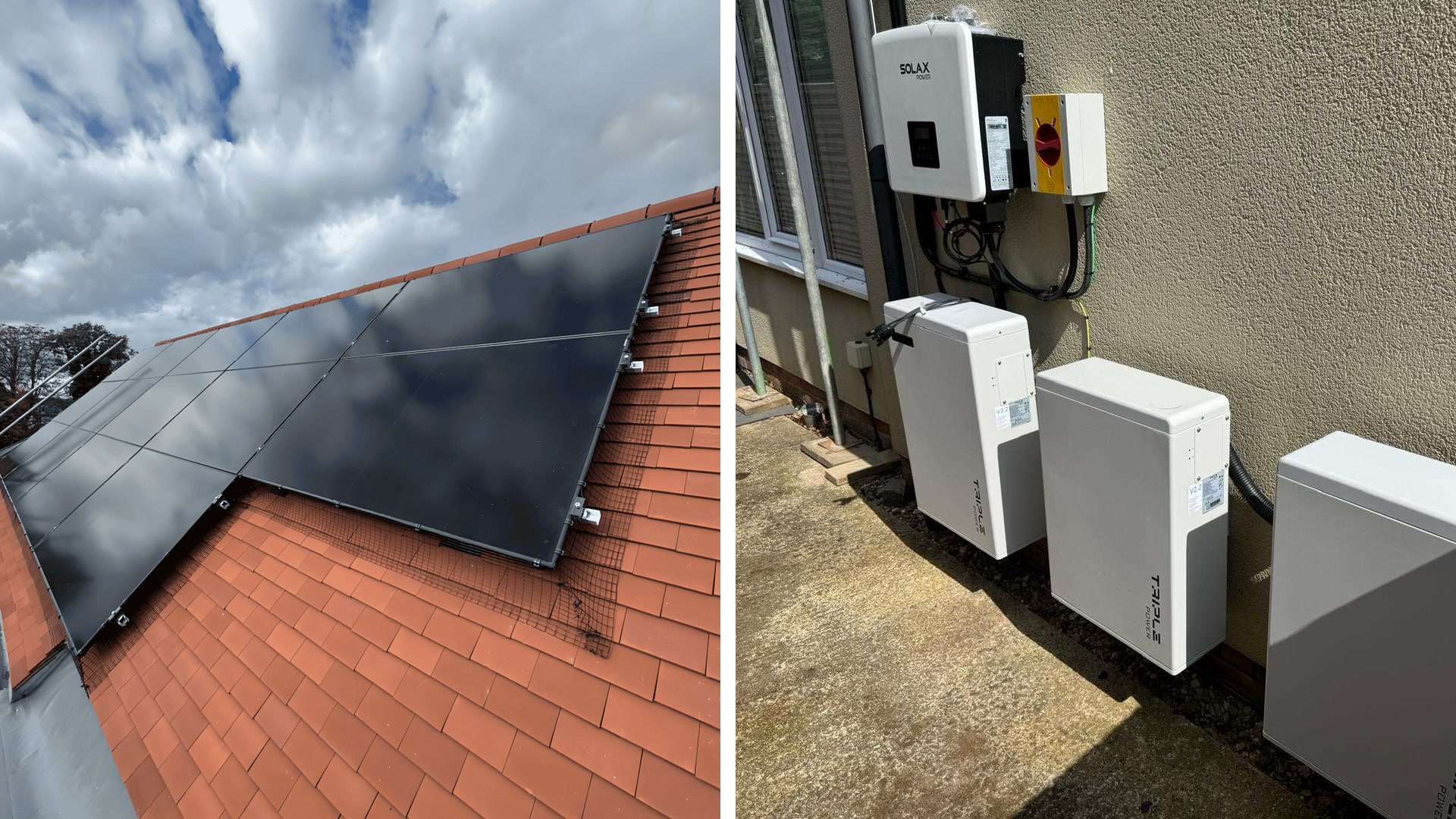
A warranty is the one place a manufacturer commits to a lifespan in writing, and it splits into two promises of very different lengths. On Jinko’s residential panel, the product cover runs 15 years and the output cover 30. Knowing which promise answers which fault tells you what you would pay for yourself in year 20.
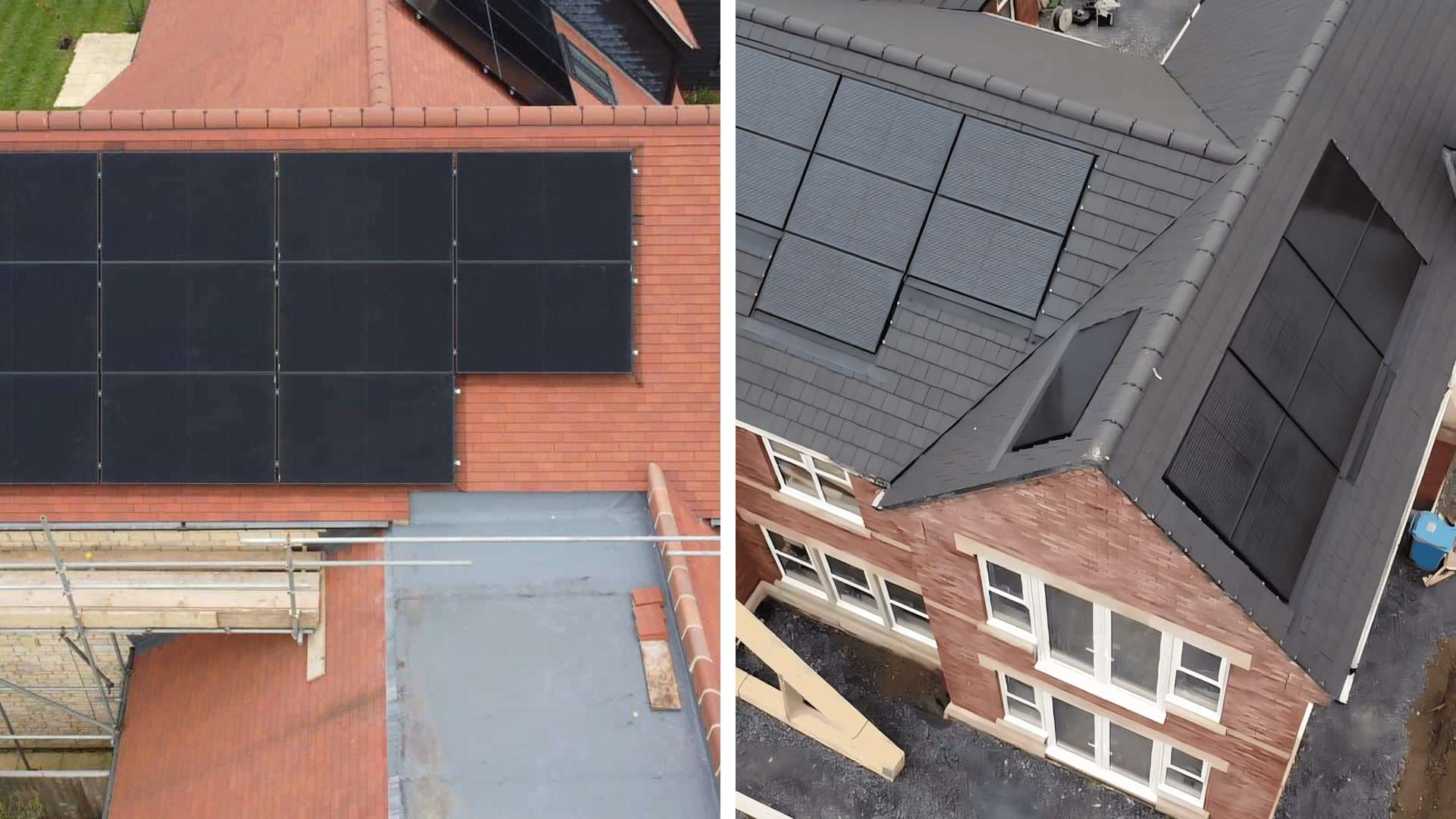
Solar panel lifespan runs past the warranty. A panel has no moving parts: silicon cells sit sealed under solar glass, with a second glass sheet or a polymer backsheet behind them, inside an aluminium frame. Output falls a little each year as the cells and their seal age under sun and weather, and the warranty puts a ceiling on that loss.
Both datasheets list the IEC 61215 type tests: hail, heavy snow and wind loads, and repeated hot and cold cycles. When the warranty term ends, the panel keeps working; the manufacturer stops promising a figure. Before anything goes up, a surveyor checks the parts around the panels: the roof, the fixings and the cable runs, which have to last as long as the panels on top of them.
If you are planning solar panel installation in Guildford or anywhere else in Surrey, ask how old the roof covering is before the array design is fixed. A covering with ten years left will need re-laying while the panels still have twenty years to run.
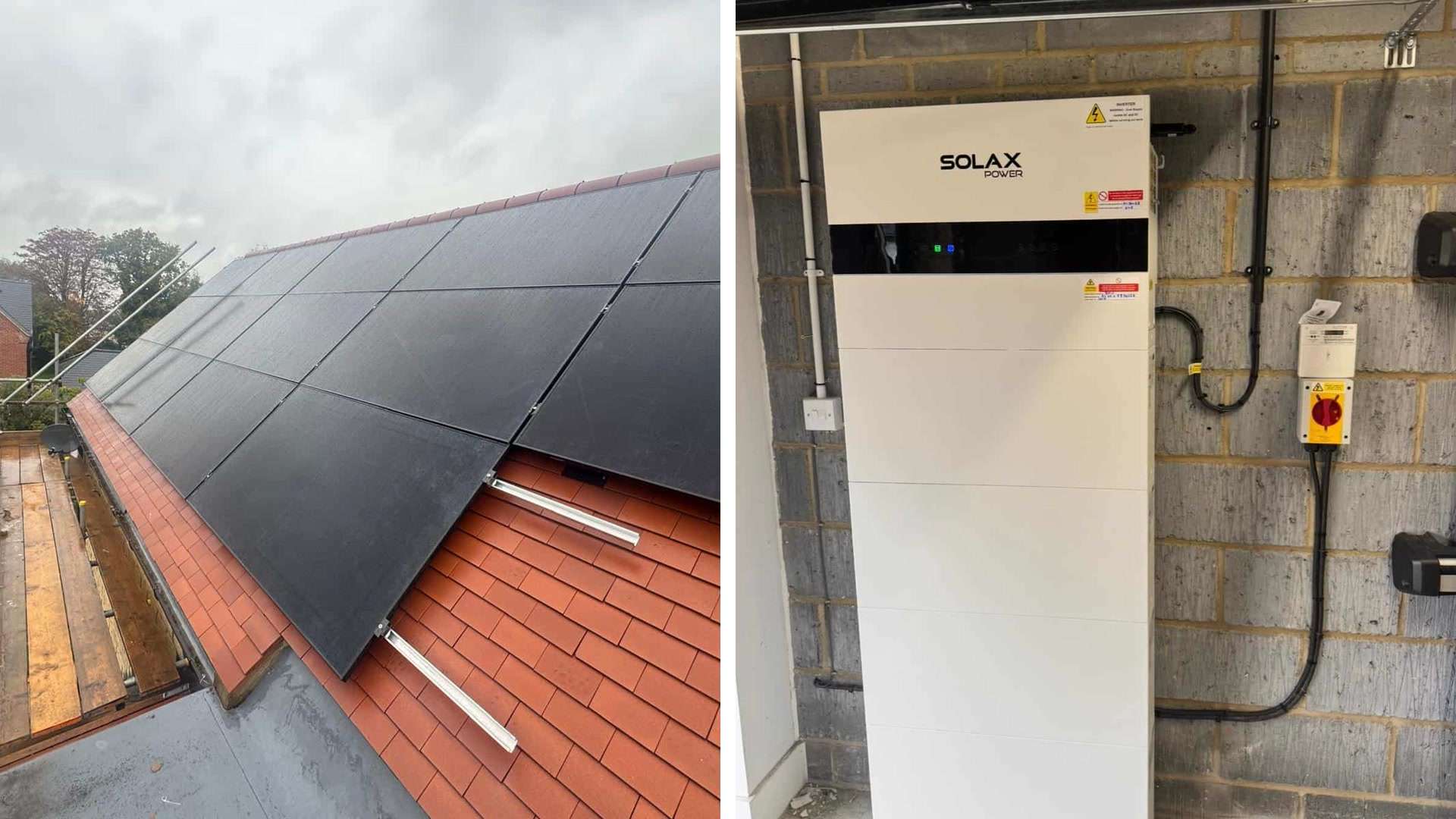
Jinko’s limited warranty sets the floor with a straight line: the panel may lose up to 1 percent of its rated power in the first year, then up to 0.35 percent each year after. Plot that line and you get the minimum the company will stand behind, measured in a lab at standard test conditions.
Warranted minimum output, Jinko Tiger Neo 3.0 (JKM460-485N-48QL6-DV)
Year 1
99%
Year 10
95.85%
Year 20
92.35%
Year 25
90.6%
Year 30
88.85%
Source: Jinko Limited Warranty REV.EN20260801 (EU, monofacial) and datasheet JKM460-485N-48QL6-DV-F4-EU, read 10 Nov 2026.
REC’s line starts lower and falls slower: 98 percent in year one, then 0.25 percent a year, to 92 percent at year 25. In kWh, ten 440W panels make about 3,700 to 4,200 kWh a year in the South East when new. An array on Jinko’s year-25 line would make about 3,350 to 3,800 kWh in an average year; the warranty covers rated power, so a dull year makes less.
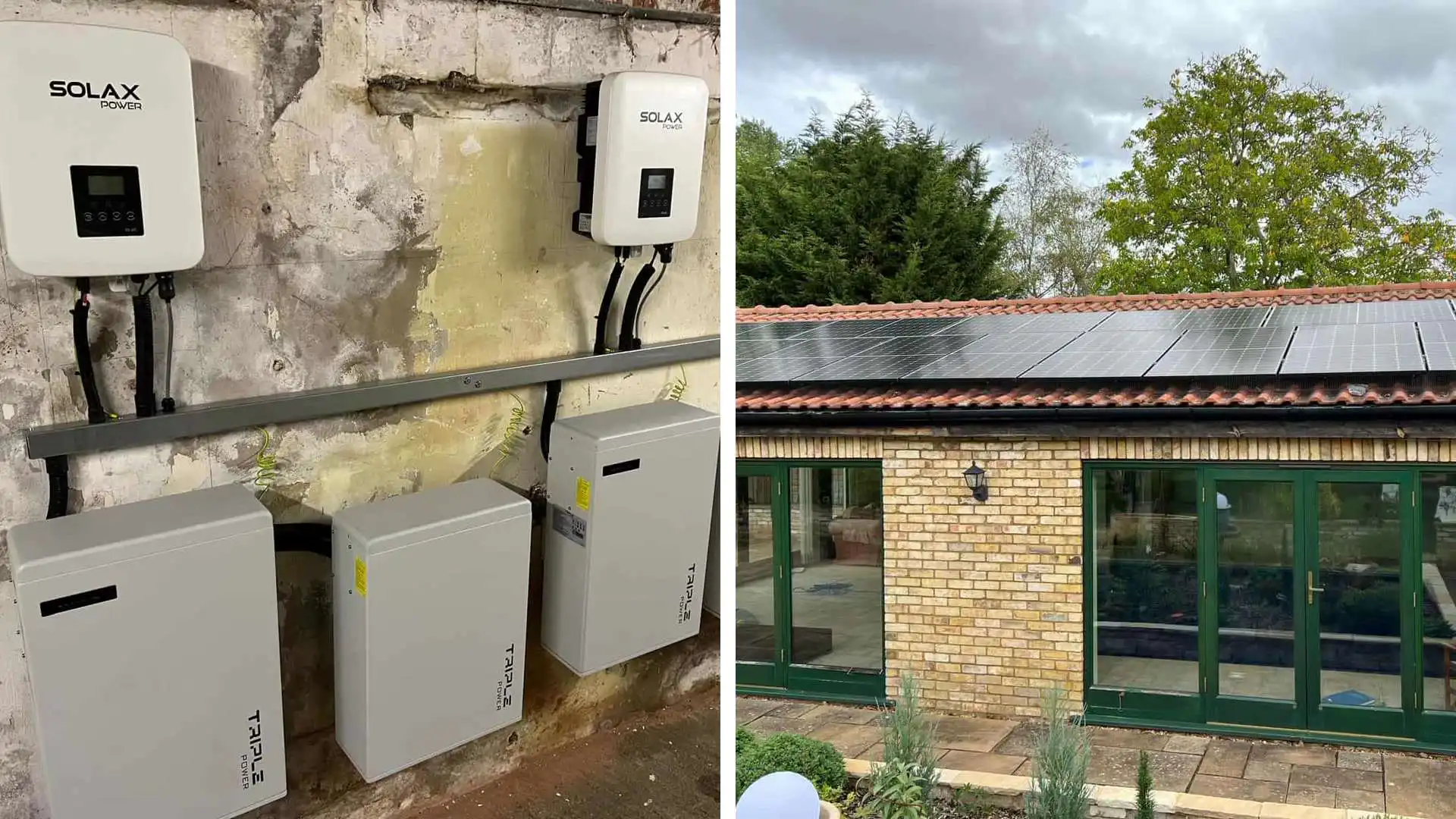
Output over 25 years matters more when the array also runs a heat pump. On one job, the solar PV came from Leon Shead’s company and the heat pump from us, with the array sized with the heat pump in mind.
Get Your Own Array’s Year-25 Figure
Ask for your own array’s year-one and year-25 output at a Solar Design Pack survey, worked from your roof’s pitch, direction and shade.
“Eco Renewables recently installed a heat pump for my customer and aligned it perfectly with my company’s solar PV system. By working together, we were able to size the solar PV accordingly and deliver a seamless, efficient setup.”
Leon Shead, Google Review
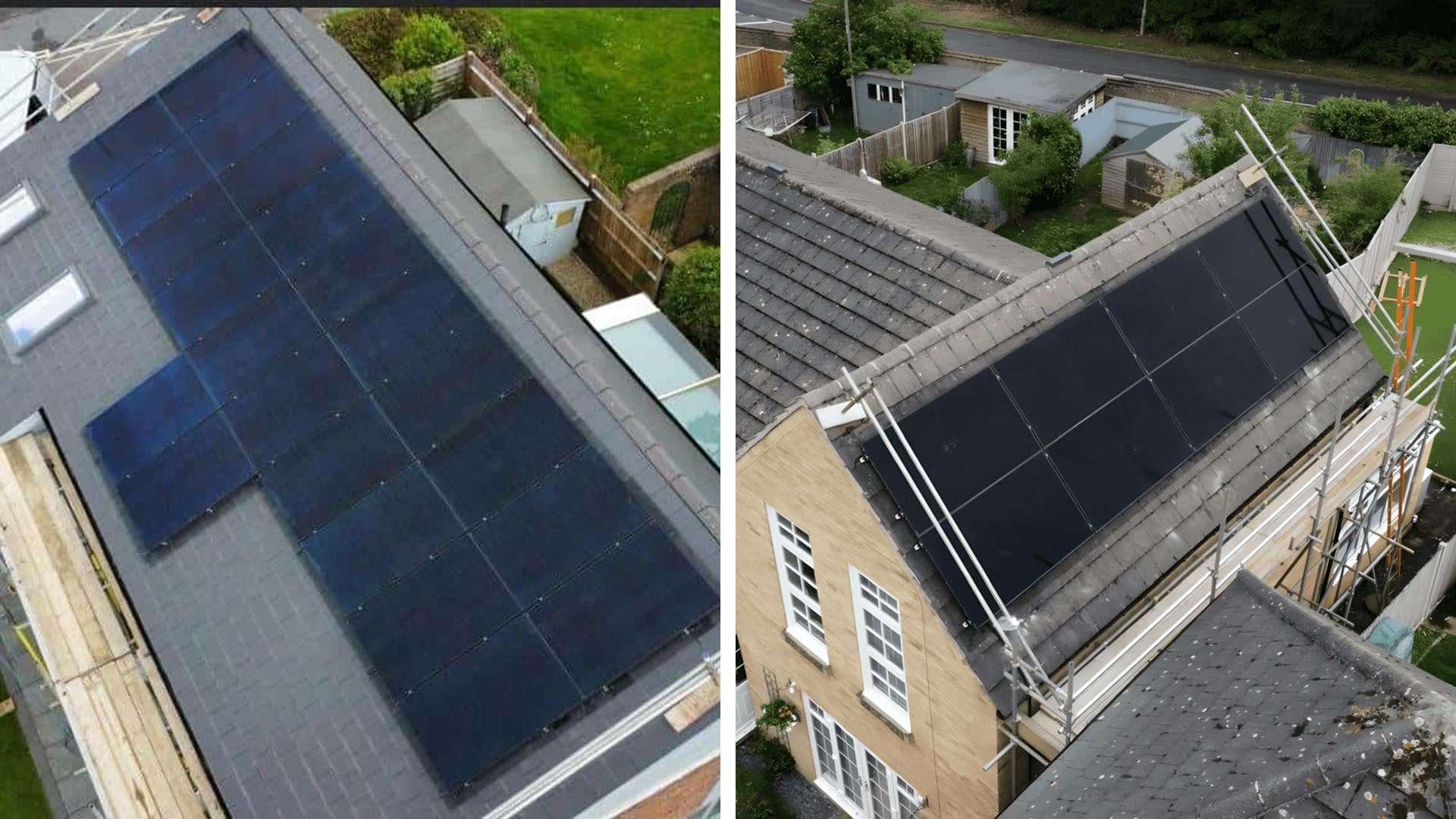
A solar panel warranty is two promises in one document. The product warranty covers defects in materials and build: a cracked frame, a failed junction box, a seal that lets water in. The performance warranty covers output, and it pays out when a lab test shows the panel below the warranted line for its age.
| Product warranty | Performance warranty | |
|---|---|---|
| What it covers | Defects in materials and build | Output below the warranted minimum |
| Jinko Tiger Neo 3.0 (48QL6-DV) | 15 years | 30 years, 88.85% at the end |
| REC Alpha Pure-R | 20 years; 25 when an REC certified installer fits and registers it | 25 years, 92% at the end |
| Removal and refitting costs (Jinko) | Not covered | Not covered |
| Panels moved to another address (Jinko) | Cover lost | Cover lost |
The small print decides more claims than the headline years. REC adds 25 years of labour cover on systems under 25 kW when an REC Certified Solar Professional installs and registers the panels; otherwise its labour figure is zero. Jinko excludes panels altered without its consent or fitted against its installation manual, so the installation record is part of the warranty. Keep the MCS certificate, serial numbers and commissioning sheet together.
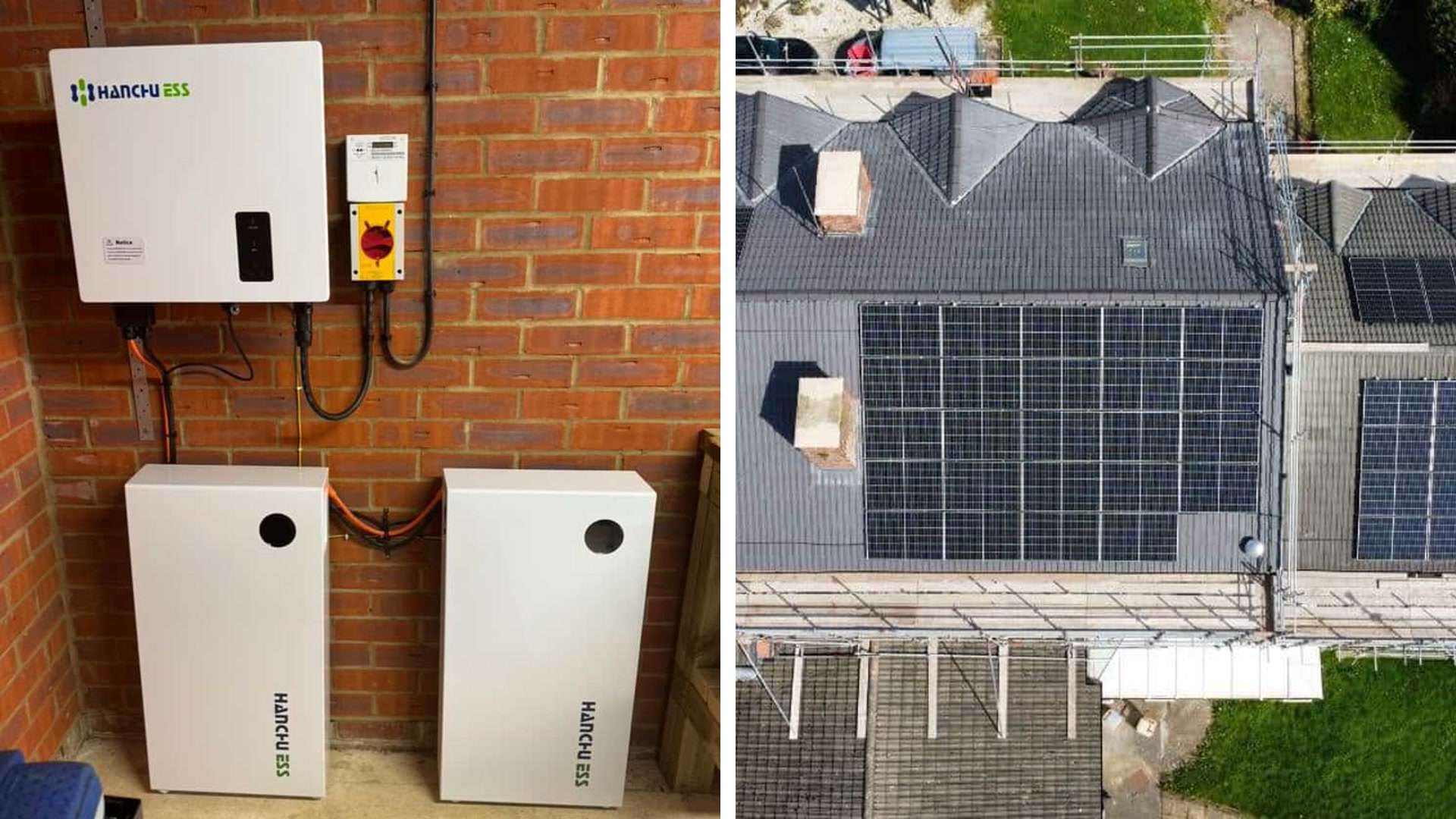
A battery warranty has three parts: years, the share of capacity left at the end, and a limit on use. Tesla’s Powerwall warranty for the UK (revision 1.16, effective 3 December 2025) covers defects for 10 years and promises 80 percent of capacity at 10 years, with unlimited cycles for solar self-consumption, time-based control and backup. Other uses carry a 37.8 MWh lifetime throughput cap instead.
30 years
Output warranty on Jinko’s Tiger Neo 3.0 home panel, 88.85% at the end
25 years
Output warranty on REC’s Alpha Pure-R, 92% at the end
10 years
Tesla Powerwall warranty in the UK, 80% of capacity at the end
Sources: Jinko and REC datasheets and Jinko Limited Warranty REV.EN20260801; Tesla Powerwall Limited Warranty, European Warranty Region, Rev. 1.16. All read 10 Nov 2026.
If the battery stays offline for a long spell or was never registered, Tesla may not honour the full ten years, though it keeps at least four. A battery fitted on day one runs a far shorter warranty clock than the panels above it, so it needs its own sums: our guide to whether a solar battery pays for itself sets them out.
The inverter, which turns the panels’ DC into the AC your house uses, also ages faster than the panels; our solar panel maintenance guide covers when it needs replacing.
See Every Warranty Side by Side
Ask at the Solar Design Pack survey for the warranty terms of every part in the design, battery included, laid out side by side.
“Very responsive and trustworthy. We have been customers of Adam for over 5 years and he has never failed us yet!”
Adam Hewitt, Google Review
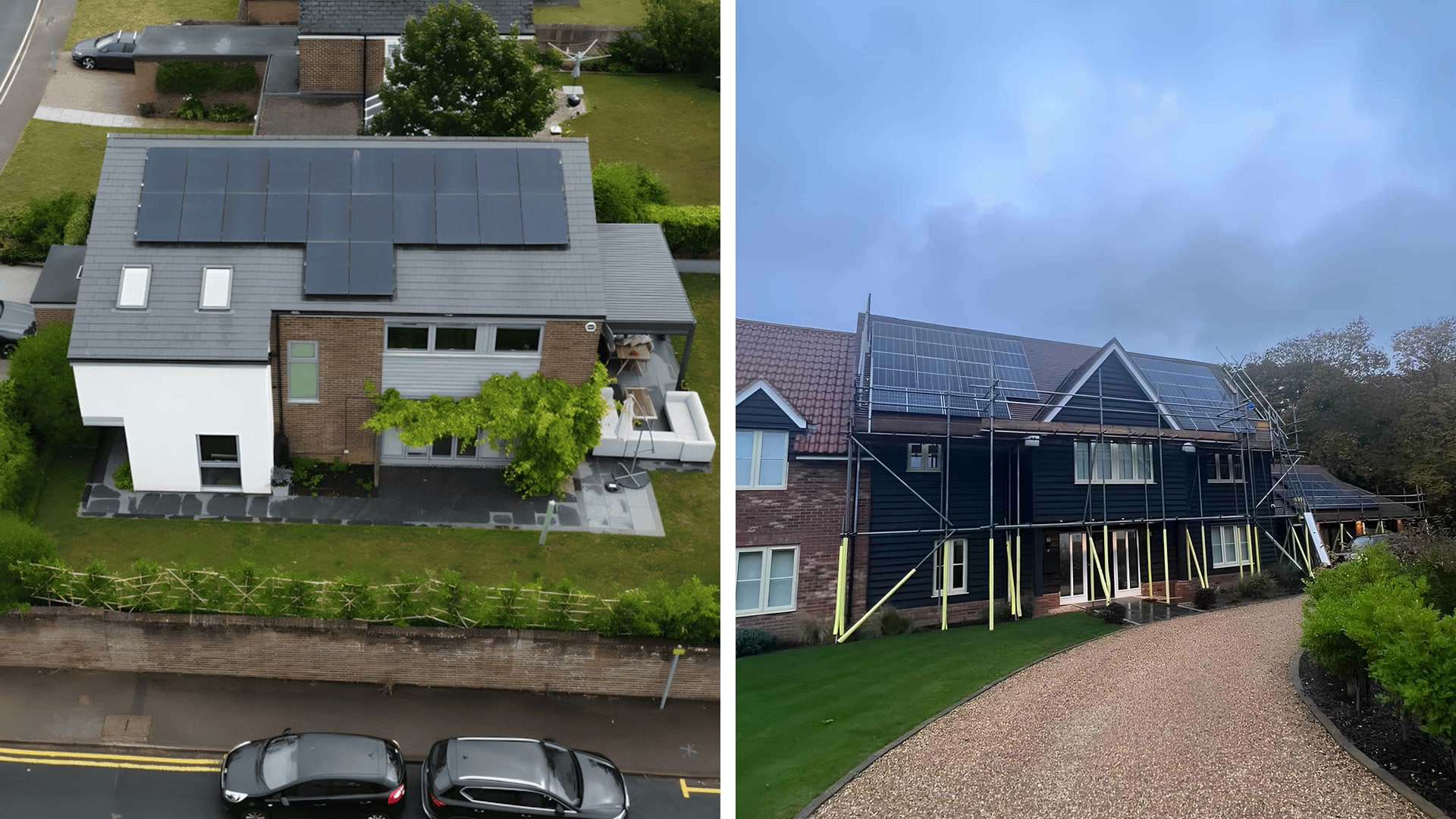
Three events can end an array’s time on a roof before the panels wear out, and each one has its own warranty rule:
A solar installer lifts the panels and rails, the roofer re-covers the roof, and the same panels go back up. Jinko’s warranty survives a refit at the same address, but it pays nothing toward removal or refitting labour.
The array stays with the property in a normal sale. Jinko voids its cover on panels re-installed at any location other than the one they were first fitted to, so taking them with you ends the warranty.
UK rules class every solar panel as household electrical waste. Government WEEE guidance (updated 12 August 2025) places PV panels in their own category and inverters in Category 9, so neither belongs in a skip.
Re-covering the roof before the panels go up saves lifting them later. If a survey for solar PV installation finds a tired covering, the roofer and the solar installer can share one scaffold, and the array starts its 25 to 30 years on a roof that will see them out. Ask the roofer for the new covering’s expected life in writing, and file it with the panel warranty.
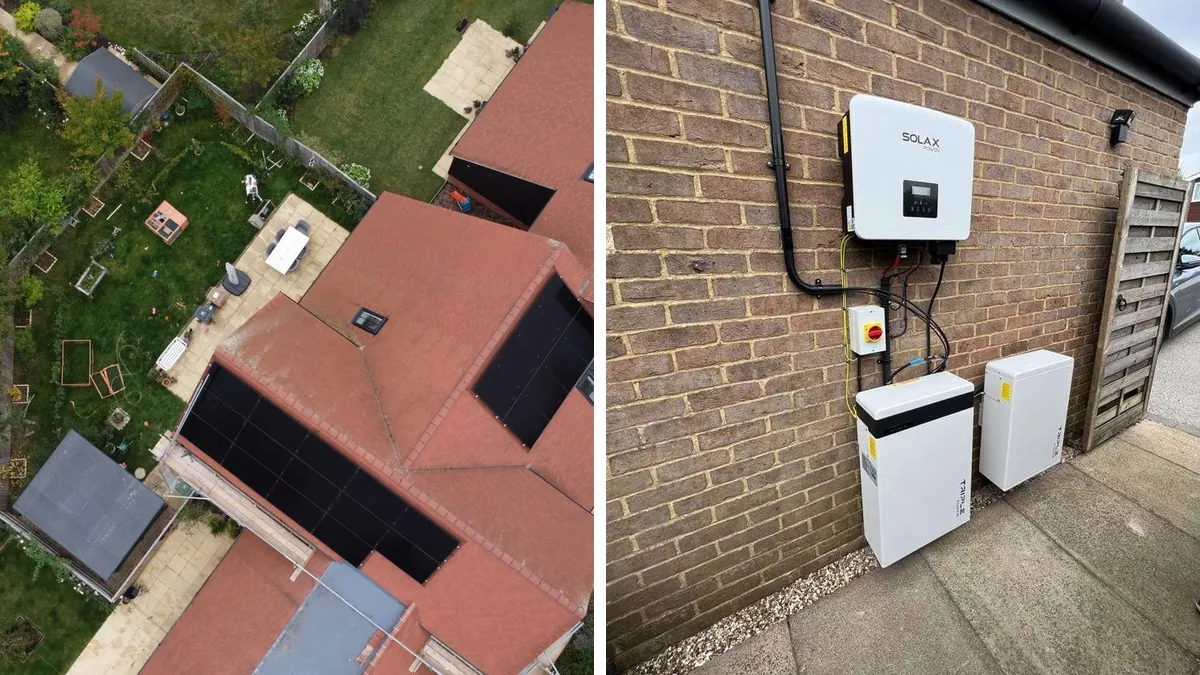
Current panels carry 25 to 30 year output warranties: 25 years on REC’s Alpha Pure-R and 30 on Jinko’s Tiger Neo 3.0 home panel. The panels keep generating after the warranty ends; the manufacturer stops promising a figure at that point.
Yes, a little each year. Jinko’s warranty allows a 1 percent loss in year one and leaves at least 88.85 percent of rated output at year 30. REC’s warranty promises 92 percent at year 25, and older ranges such as Jinko’s Tiger Pro carry 84.8 percent at 25 years.
Two things. The product warranty covers defects in materials and build, for 15 years on Jinko’s Tiger Neo 3.0 and 20 to 25 on REC’s Alpha Pure-R. The performance warranty covers output that falls below the warranted line. Jinko’s terms exclude removal and refitting labour.
Battery warranties run shorter than panel ones. Tesla’s UK Powerwall warranty covers defects for 10 years and promises 80 percent of capacity at year 10, with unlimited cycles for solar self-consumption and backup. Read the capacity figure and the usage limit as well as the years when you compare batteries.
Yes. A solar installer lifts the panels and their mounting rails, the roofer re-covers the roof, and the same panels go back on. Jinko’s warranty survives a refit at the same address, but it does not pay for the removal or refitting work, so re-cover a tired roof before installation where you can.
Berkshire and Surrey weather sits well inside the ratings on current datasheets. REC rates the Alpha Pure-R for 35 mm hailstones at 27.2 metres a second and down to minus 40°C, far colder than any winter in the two counties. Jinko tests the Tiger Neo 3.0 at a 6,000 Pa front load, which covers heavy snow.
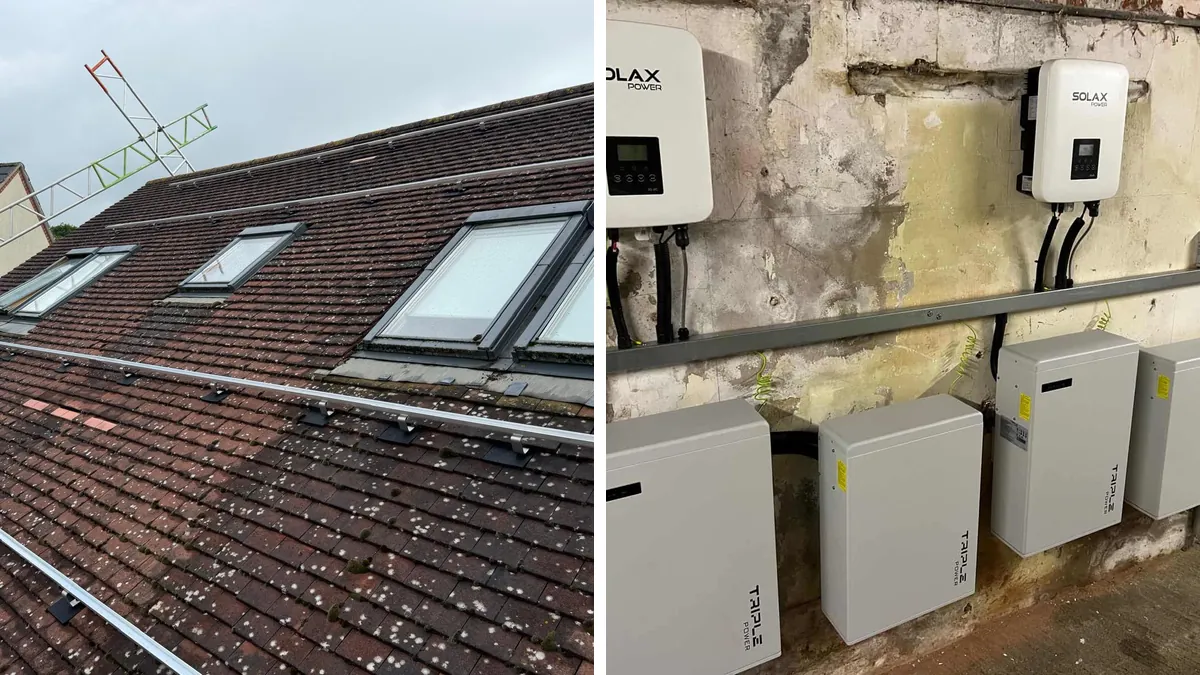
The panel warranty, the battery warranty and the age of the roof under them set three different dates for one system. Ask for all three before you sign, with your array’s output in year one and year 25. Whether those years repay the outlay is a separate sum, worked through in whether solar PV is worth it for your home. Bring those questions to a Solar Design Pack survey.
More guides from the Eco Renewables blog on the same topic.
24 November 2026
Read the guide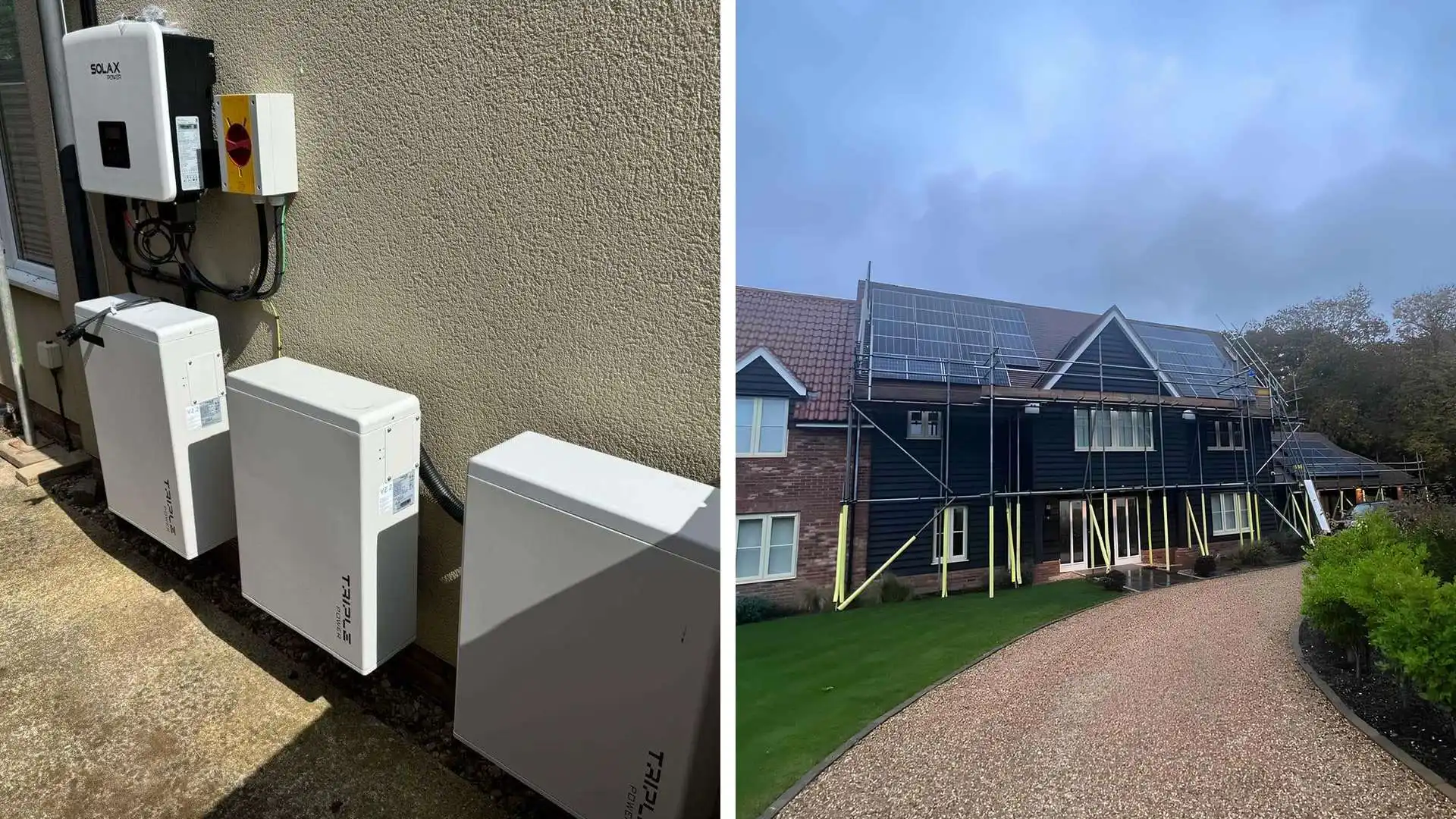
24 November 2026
Read the guide
24 November 2026
Read the guideEco Renewables are trusted by homeowners throughout Berkshire, Surrey, and the South East to provide high-quality solar system installations.
If you're considering a heat pump, the survey is where it starts. We assess the property, run the heat loss calculations, and tell you exactly what the system would look like.
Get My Free Solar Design Pack


