



Solar
Solar Panel Installation Cost in Berkshire and Surrey: 2026 Prices
By Adam Dare
Heat Geek trained installer
Updated 12 November 2026
Reading time
🎉 Named South East Heating Installer of the Year 2026
A typical solar panel installation in Berkshire and Surrey costs between £4,000 and £14,000 in 2026. That spread covers real ground: a small array of just a few panels on a straightforward roof sits at one end, a larger 8-10kW array on a roof that needs extra scaffolding at the other, with a battery or an EV charger priced on top of either. The number a friend quoted you, or the “average install” figure from a comparison site, came off someone else’s roof and someone else’s usage.
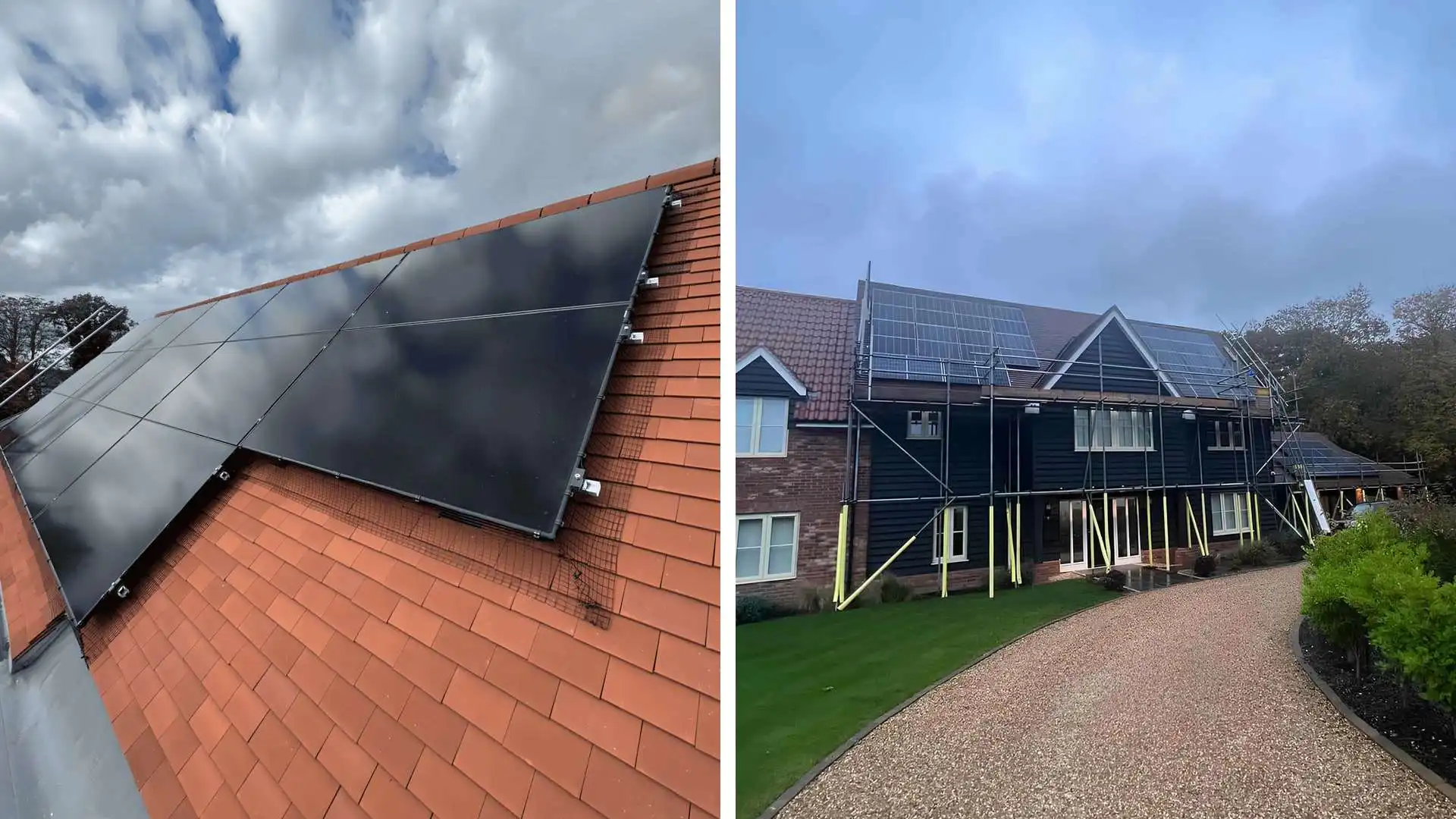
Read a solar panel installation cost breakdown the way an invoice is built: system size sets the headline number, roof access and inverter choice move it either way, a battery or an EV charger adds to it, and 0% VAT means the 20% a standard-rated job would add never reaches the bill.
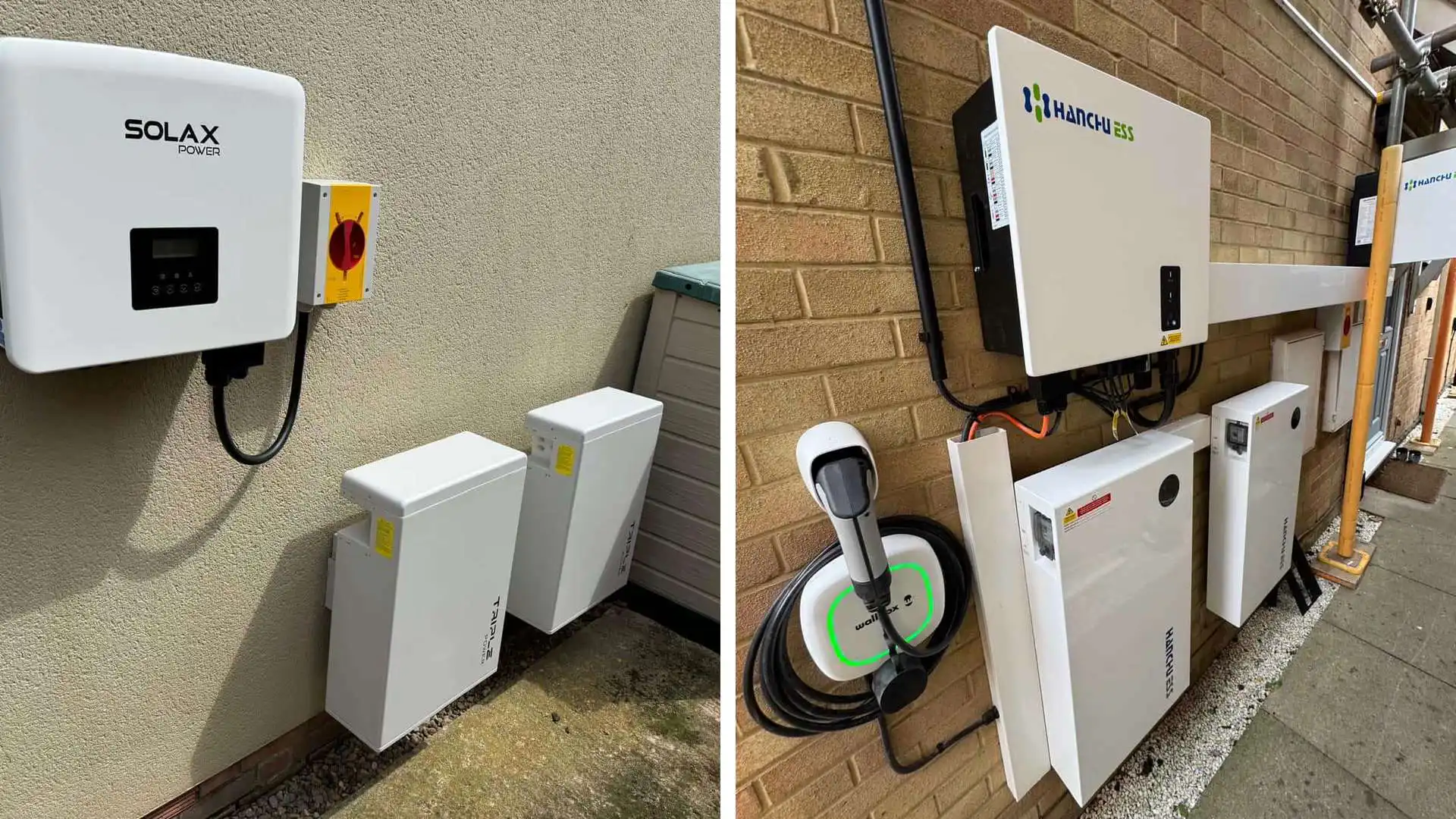
A small four-panel array of about 1.7 kW, the kind that fits a garage or annexe roof, starts around £4,000. Solar panel installation cost is quoted by system size, measured in kilowatts of panel output. A 4kW system, the standard fit for a typical three-to-four-bedroom house, runs roughly £6,000 to £7,500 installed. Step up to 6kW, common on larger roofs or homes anticipating an EV or heat pump, and the price moves to around £8,500 to £10,500.
An 8-10kW+ system, sized for a big roof or a household already running electric heating and an EV, lands between £11,000 and £14,000.
Installed cost by system size, 2026
Small array, about 1.7 kW
From around £4,000
4kW, typical three-to-four-bedroom house
£6,000 to £7,500
6kW, larger roofs
Around £8,500 to £10,500
8-10kW+, big roof or electric heating and an EV
£11,000 to £14,000
Assumes a standard roof, straightforward access and mid-tier panels.
Those bands assume a standard roof, straightforward access, and mid-tier panels. They are ranges, and the figure for a specific roof lands once someone has surveyed it.
Cost rises with system size, but not in a straight line: scaffolding, the inverter, and labour are fixed costs spread across more panels as the system grows. Scoping a solar PV system for a specific roof starts from those fixed costs and builds up.
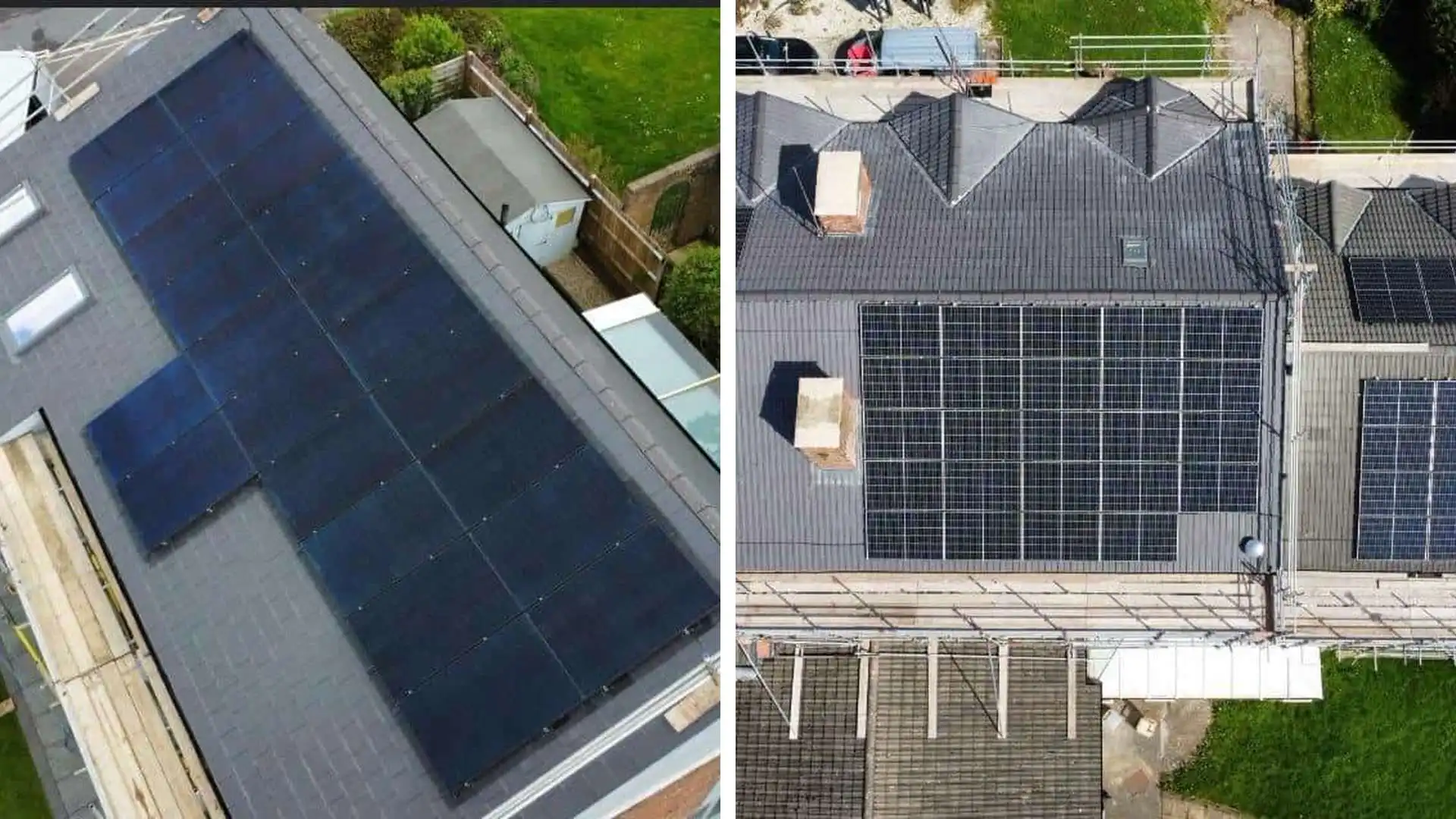
Three things separate two quotes that look, on paper, like the same job.
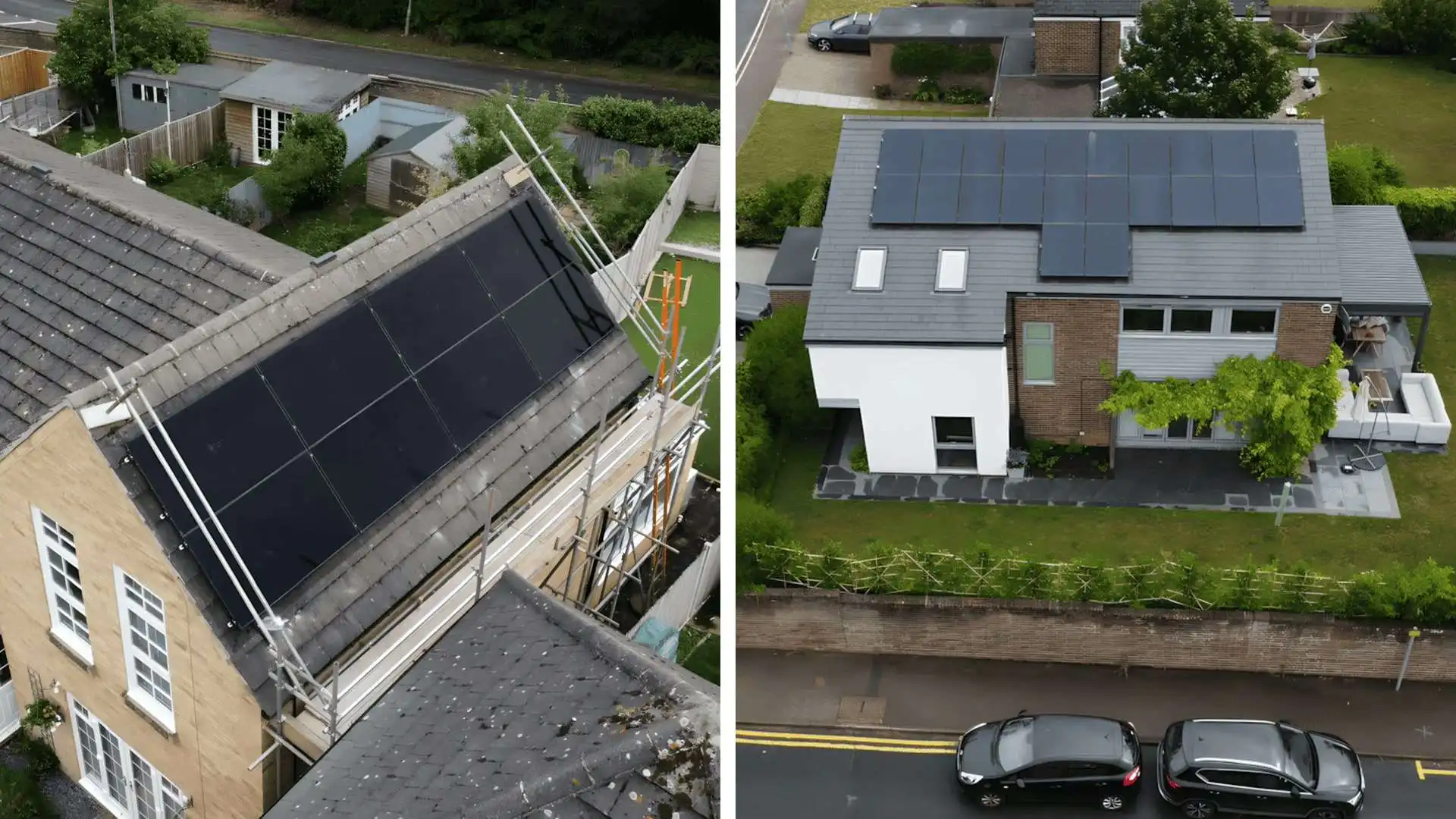
Roof access and scaffolding move the number more than any other line on the quote. A two-storey semi with easy ground access might need a day of scaffolding. A three-storey period property with a tricky angle, or a roof needing a chimney worked around, can add hundreds to over a thousand pounds before a single panel goes up.
Scaffolding pricing tracks complexity more than panel count, which is why two quotes for the same array size can separate on access alone.
Panel tier moves the solar panel installation cost less than the brochures suggest, though the difference is real. Mid-tier panels from an established manufacturer will do the job for most Berkshire and Surrey roofs. Premium panels cost more per unit and earn their place on constrained roofs where every square metre of output counts.
The third variable is the inverter, and it does more to the solar panel installation cost than its single line on a quote suggests. A single string inverter is cheaper and works fine on a roof with no shading and one clean orientation.
Power optimisers or microinverters cost more per panel but earn that back on a roof split across two or three planes, or with partial shading on part of the array, because they let each panel perform independently instead of the whole string dragging down to match the weakest one.
The cheaper option, and it works fine on a roof with no shading and one clean orientation.
Cost more per panel, and earn that back on a split or partly shaded roof.
If a quote does not say which inverter type it has priced, ask before comparing it with anything else.
The same system size prices differently depending on the roof underneath it. A solar panel installation in Guildford on a straightforward pitched roof costs less than one on a period property nearby with dormers and a chimney splitting the usable roof planes, even at identical output.
Every Factor Behind Your Solar Price
A Design Pack sets out the numbers behind the price: your roof pitch, your shading, your inverter choice, and what each one does to the figure.
“Great experience with Eco renewables from start to finish. Wouldn’t hesitate to recommend to friends and family.”
Craig Christian, Google Review
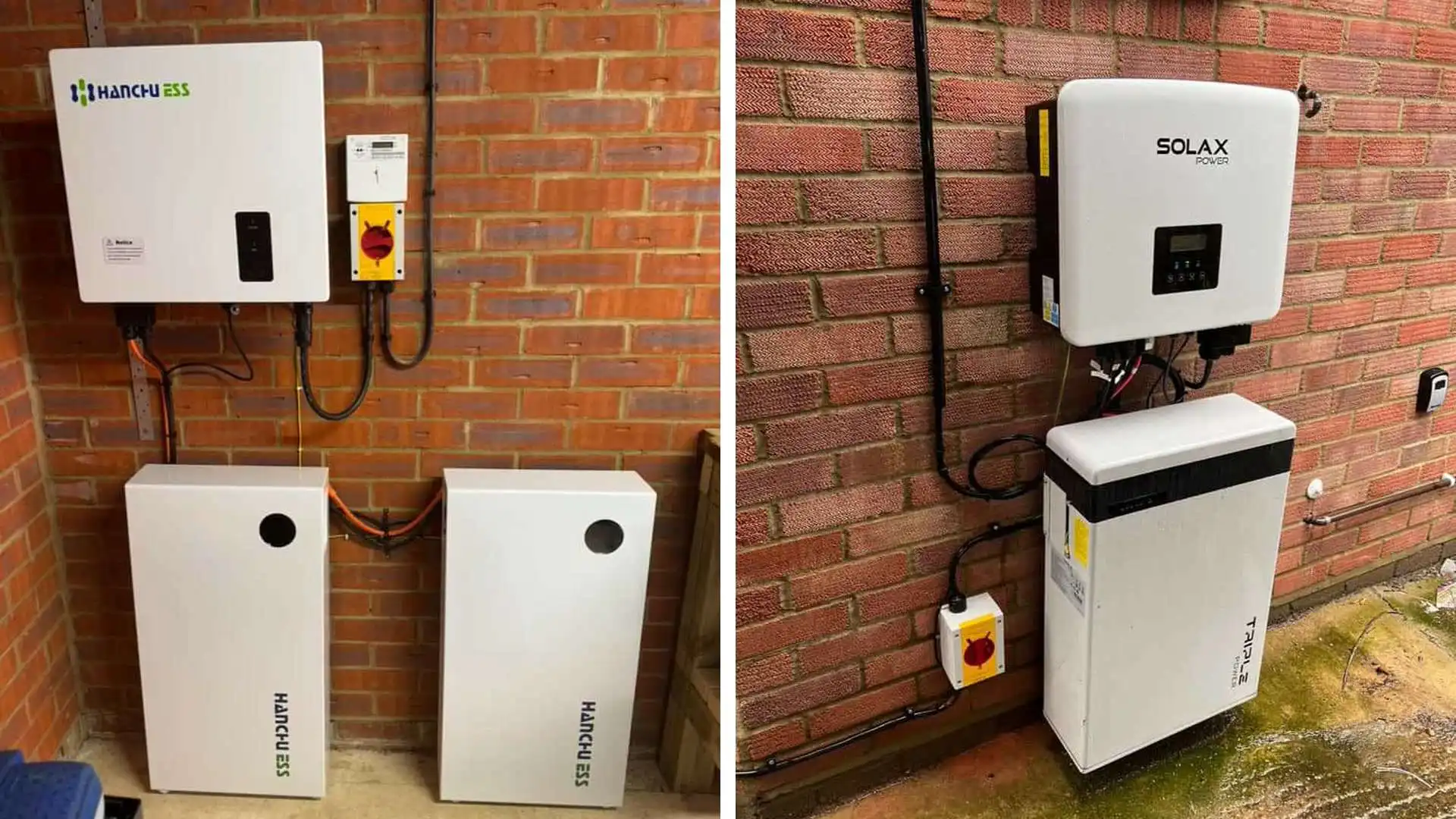
Solar battery cost UK ranges are wide enough that a battery can add several thousand pounds to the total on its own. The capacity you choose sets most of it, and the rest turns on whether the battery goes in with the panels or on a later visit.
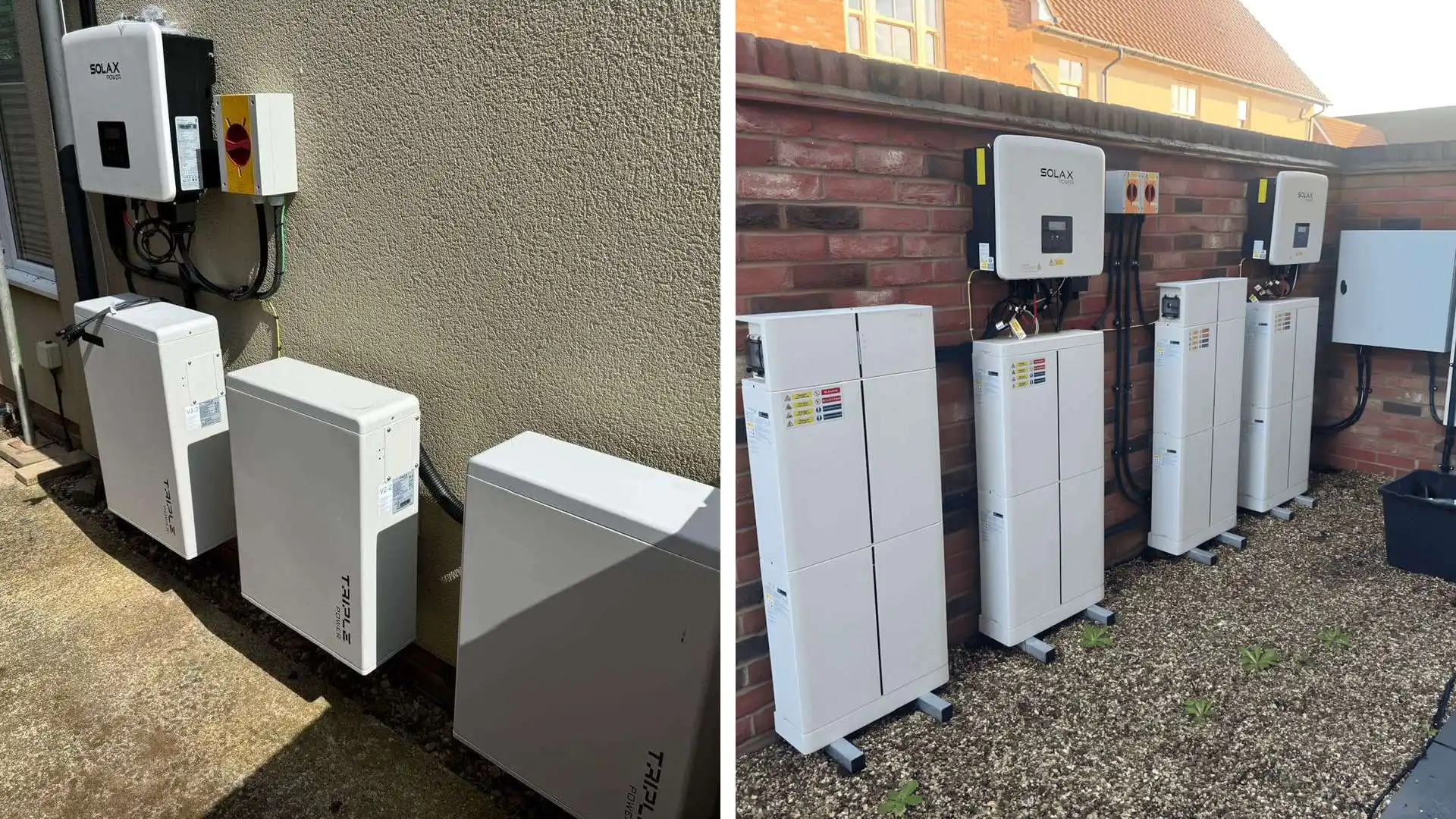
A typical domestic battery, sized around 5kWh, adds roughly £4,000 to £5,500 when fitted at the same time as the panels, because the installer is already on site, the electrical work is already underway, and the wiring runs share the same day’s labour.
A larger 10kWh battery, suited to a household with heavier evening demand, runs closer to £6,500 to £8,500 bundled at install. Fitting the same battery later, as a separate visit with its own scaffolding and electrical work, costs more than adding it at the outset, because that access and labour get paid for twice.
Battery cost, fitted with the panels
£4,000 to £5,500
Typical 5kWh battery
£6,500 to £8,500
Larger 10kWh battery, for heavier evening demand
Fitting the same battery on a later visit costs more, because access and labour get paid for twice.
Whether the battery is worth the outlay is a separate question from what it costs, and it turns on evening consumption more than anything on the quote sheet. Our guide to battery payback and self-use works through that arithmetic.
Sizing is the other half of the question. A household that’s out through the day and home from six onward stores far more of what the roof generates than one with modest evening demand, which is better served by a smaller unit sized to the evening load it does have.
A Battery Sized to Your Daily Usage
Size the battery against your own usage pattern in a Solar Design Pack, and the one on the quote is the one you would fill.
“Eco Renewables recently installed a heat pump for my customer and aligned it perfectly with my company’s solar PV system. By working together, we were able to size the solar PV accordingly and deliver a seamless, efficient setup.”
Leon Shead, Google Review
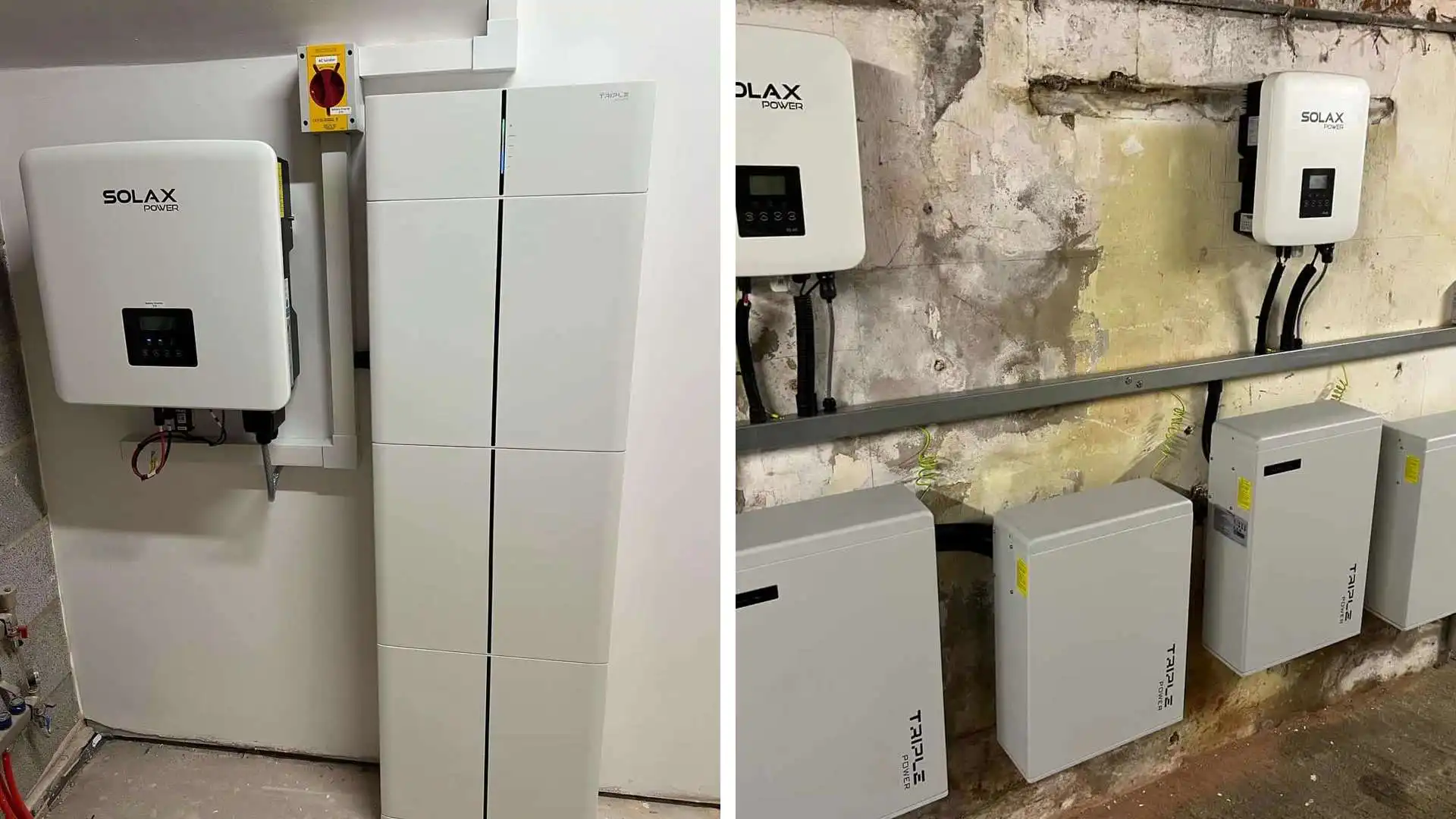
Solar panels and EV charger cost figures come out lower when the two go in as one job. The scaffolding is already up, the consumer unit is already being worked on, and a chunk of the electrical labour overlaps with the solar install itself. Bundled in, a standard 7kW home charger adds around £800 to £1,200 to the project.
Adding the same charger as a separate job later, once the scaffolding has come down and the electrician has to make a dedicated visit, costs £1,000 to £1,500 depending on cable run length and where the consumer unit sits relative to the driveway.
If an EV is anywhere in your plans for the next couple of years, price the charger into the same quote even if you’re not fitting it on day one, so the electrical groundwork accounts for it. Our guide to running a car on your own generation sets out how much of a year’s EV charging a typical domestic array can cover.
Solar panel installations do not qualify for the Boiler Upgrade Scheme. That grant is a heat pump measure only, worth £7,500 towards a heat pump installation, and it has never covered solar panels. If a quote implies otherwise, question it before you sign anything.
What reduces the number is 0% VAT on qualifying solar installations, running through March 2027. On a standard-rated basis VAT would add 20% to the invoice, and at 0% that 20% never reaches your bill.
On a mid-sized system priced between £6,000 and £7,000, the VAT relief is worth £1,200 to £1,400 compared to what the same install would cost at standard rate. It applies on a qualifying installation with no separate application to file, which is one less form to chase.
£1,200 to £1,400
Saved by 0% VAT on a mid-sized system priced between £6,000 and £7,000, against the same install at standard rate.
Why are solar quotes different for what looks like an identical system? Two 4kW quotes on the same roof can land a couple of thousand pounds apart, and the gap comes down to what each installer measured on site and what each one assumed from a map.
A desktop quote prices the system for a roof that matches the national average. A proper survey measures your roof pitch, checks shading from next door’s extension or the tree at the end of the garden, and sizes the array against your real electricity usage. That work takes the installer time, which shows in the price, and keeps the quote and the final invoice the same.
A quote well below the others is worth a second look at what it has left out of scope. Check the certification too: an MCS-certified installer follows a design standard for how shading, sizing and string layout get calculated, which is part of why a surveyed quote and a desktop quote diverge. For the return side, our guide to solar payback and self-consumption runs those numbers.
The printable solar quote checklist (PDF) adds the inverter, optimiser and scaffolding lines covered above. Give each installer a column and send any blank line back as a question.
Compare Solar Quotes Like for Like
A quote is only comparable when you can see the survey behind it, which is what the Design Pack puts in your hands.
“We’ve been using Adam for a couple of years now. He’s a friendly, approachable and honest chap, who’s always done a good job and is willing to explain whats needed and why.”
Family Burrell, Google Review
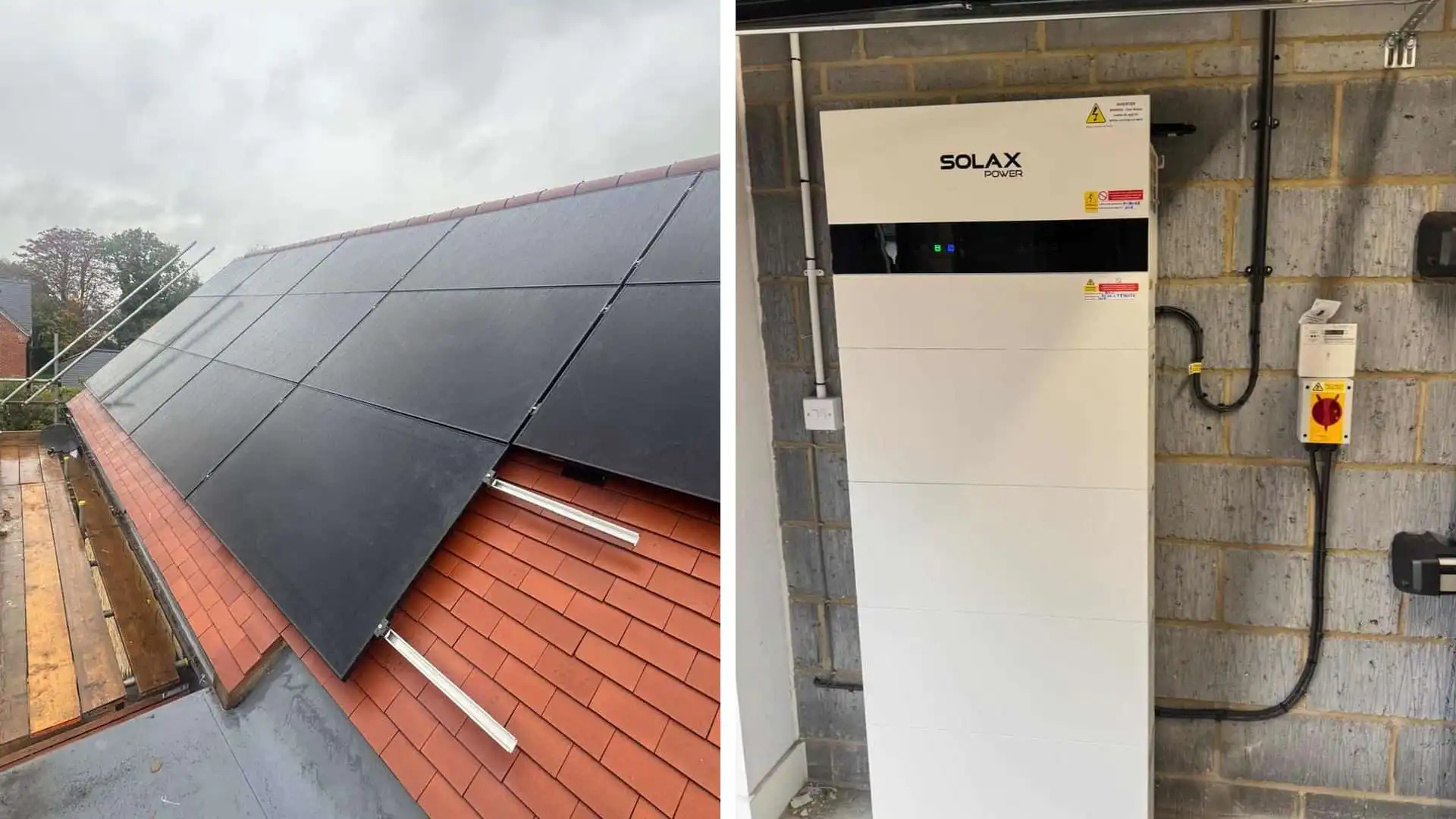
A 4kW system costs £6,000 to £7,500 installed on a typical Berkshire or Surrey roof in 2026, assuming standard access. Complex roof access, premium panels, or bundled extras like a battery or EV charger will move that figure up.
A 5kWh battery adds roughly £4,000 to £5,500 to a project when fitted at the same time as the panels, well short of doubling a mid-sized system’s cost, while a 10kWh battery at £6,500 to £8,500 sits much closer to the price of the array itself. Battery pricing depends on capacity and whether it’s bundled at install or added later.
Yes, 0% VAT applies to qualifying solar installations through March 2027. On a typical mid-sized system, that saves roughly £1,200 to £1,400 compared to standard-rate VAT, and your installer applies it on the invoice with no separate claim to file.
The biggest driver is whether the quote came from a proper site survey or a desktop estimate. Roof complexity, shading, panel tier, and inverter choice all move the number, and a quote that skips those questions is pricing an average roof in your postcode.
No, but fitting it at the same time costs less. Bundling a 7kW charger into the solar install costs £800 to £1,200, versus £1,000 to £1,500 for a separate visit later, because the scaffolding and electrical work are already underway.
A standard quote covers the panels, inverter, mounting, and scaffolding for the core system. Battery storage, EV chargers, and any structural work identified after a proper survey are priced as additions, which is why it’s worth asking what a low quote has left out before comparing it to a higher one.
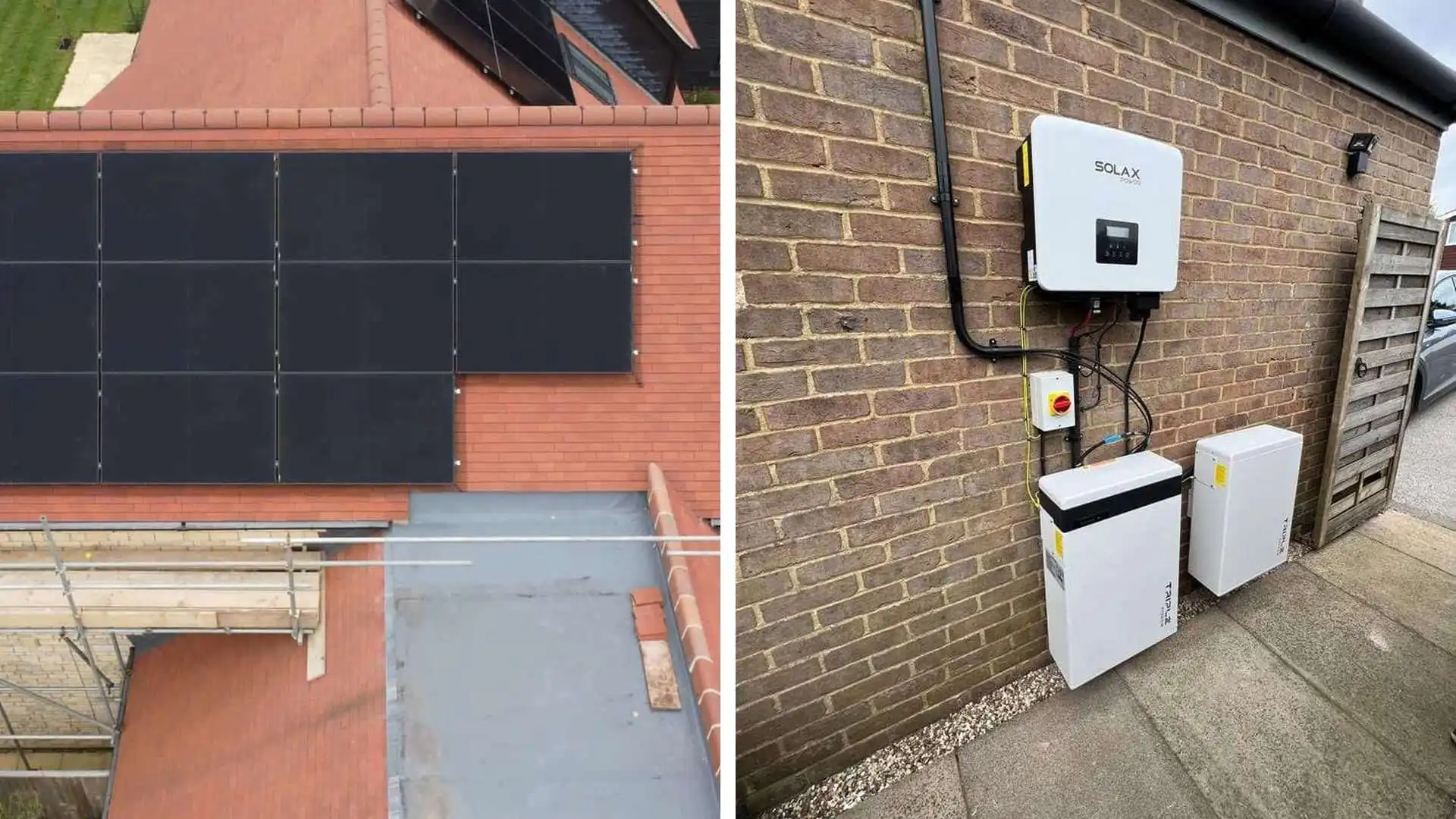
Every figure above is a range, because a range is the honest answer before someone has looked at your roof, your usage, and what you want the system to do. The only way to close that range into a single number is a survey, and that’s what the Design Pack is built to produce: real pricing built from your own roof, usage and access.
More guides from the Eco Renewables blog on the same topic.
24 November 2026
Read the guide
24 November 2026
Read the guide
24 November 2026
Read the guideEco Renewables are trusted by homeowners throughout Berkshire, Surrey, and the South East to provide high-quality solar system installations.
If you're considering a heat pump, the survey is where it starts. We assess the property, run the heat loss calculations, and tell you exactly what the system would look like.
Get My Free Solar Design Pack


