



Solar
Warm Homes Loan for Solar Panels and Batteries: What the Two £15,000 Caps Cover for Homeowners in Berkshire, Surrey and Bucks
By Adam Dare
Heat Geek trained installer
Updated 21 November 2026
Reading time
🎉 Named South East Heating Installer of the Year 2026
Last updated: 21 November 2026
If you own a house in Berkshire, Surrey, Bucks, North Hampshire or south-west London, a Warm Homes loan can pay toward solar panels, a home battery or both, with a separate limit of up to £15,000 for each. Two details in the solar and battery rules catch people out: the panels have to go on a roof, and MCS has not yet published the battery product standard the rules refer to.
The loan comes from a participating lender, not the government, and the lender decides after its own credit and affordability checks. You apply to the lender directly: we are an installer, not a lender or a credit broker. Your installation may qualify for funding under the Warm Homes Loan Scheme. We provide the quotation and technical details your application needs. You choose an eligible lender and apply to them directly. We don’t give financial advice, recommend lenders or loan products, arrange credit, or judge whether a loan suits you. Heat pumps and the Boiler Upgrade Scheme sit in our guide to the Warm Homes Loan Scheme.
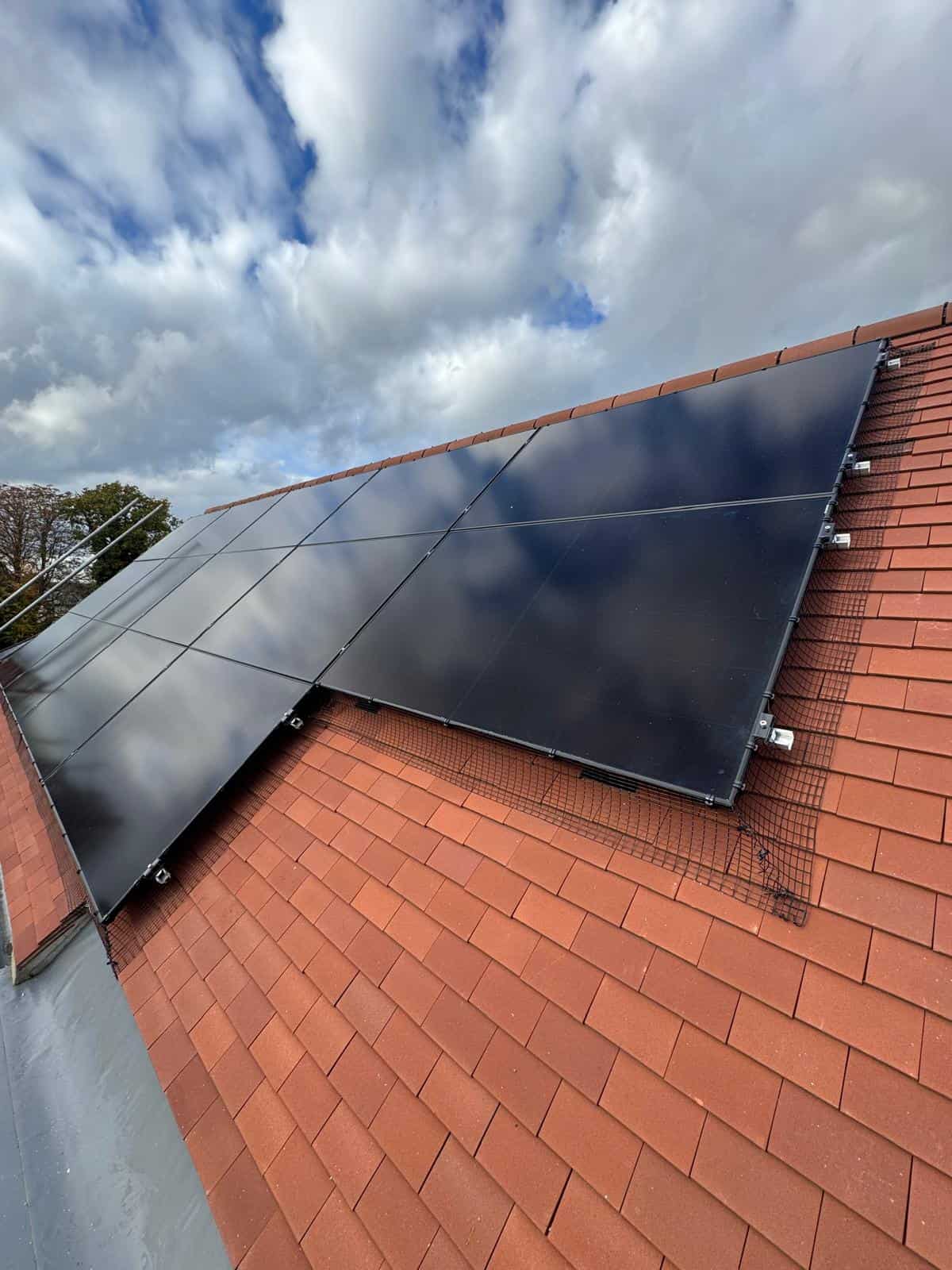
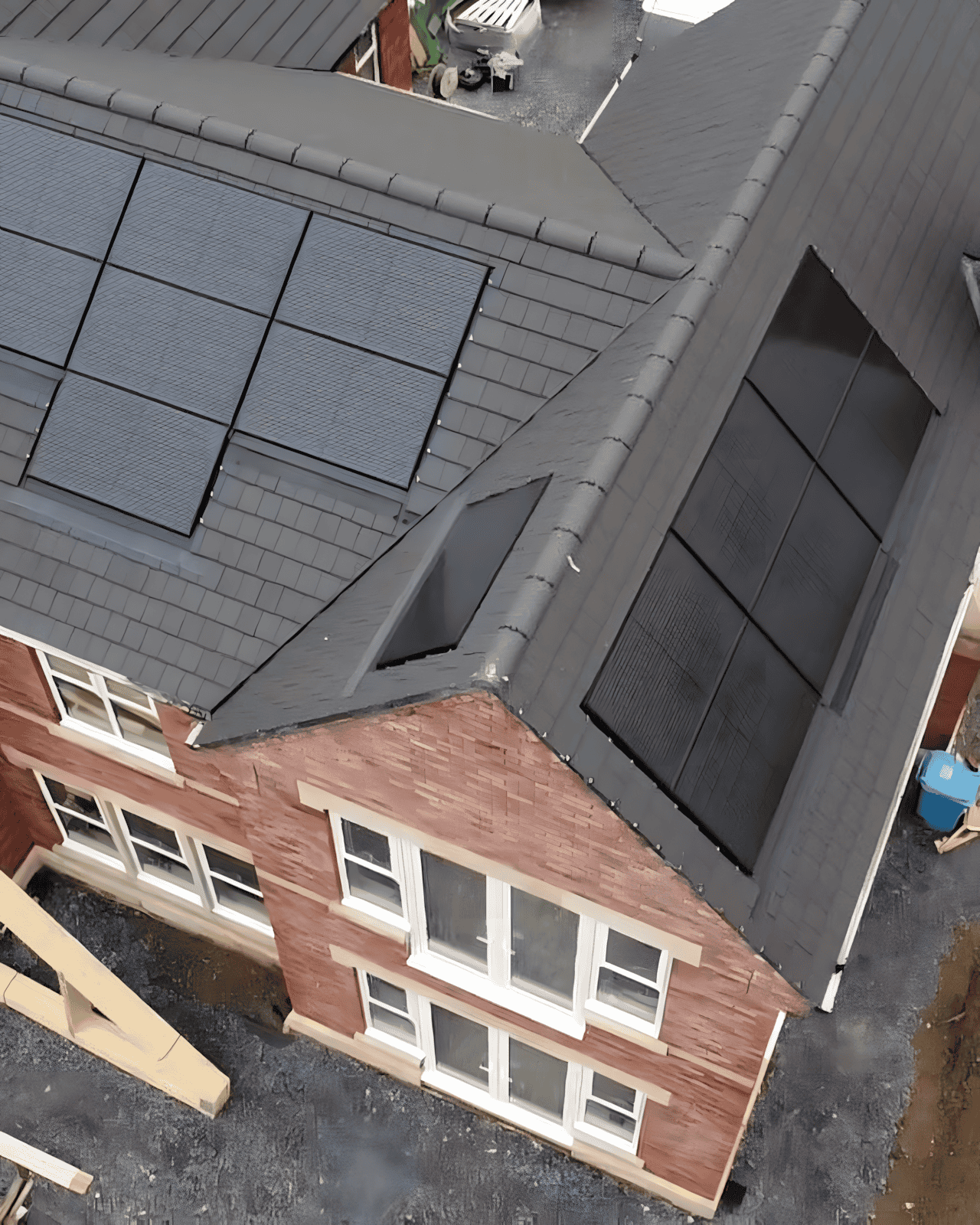
The Scheme Rules describe the solar measure as new roof-top mounted panels, and that wording includes adding panels to a system you already own. A ground-mounted array on frames in the garden falls outside it, so a Warm Homes loan for solar panels means panels on a roof.
| Part of the job | Inside the £15,000 solar limit? |
|---|---|
| New roof-mounted panels | Yes |
| Panels added to an existing system | Yes |
| Scaffolding and the grid connection | Yes |
| Ground-mounted panels | No, the rules describe roof-top panels |
| Re-roofing or structural work first | No, a lender may offer a separate loan |
Roof repairs, a new covering or structural work needed before the panels go up stay outside the limit. On a listed house or in a conservation area such as Cookham Village or Wargrave, we check planning for the panels before we draw the layout. Our solar panel finance page sets the £15,000 limit beside the 0% VAT on a solar quote.
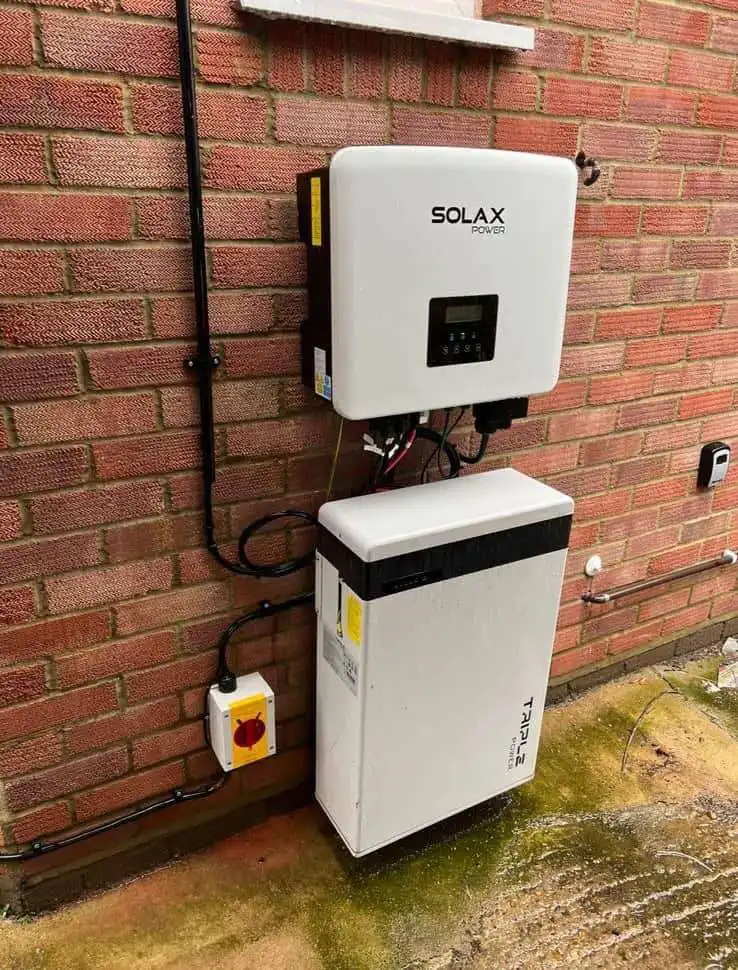
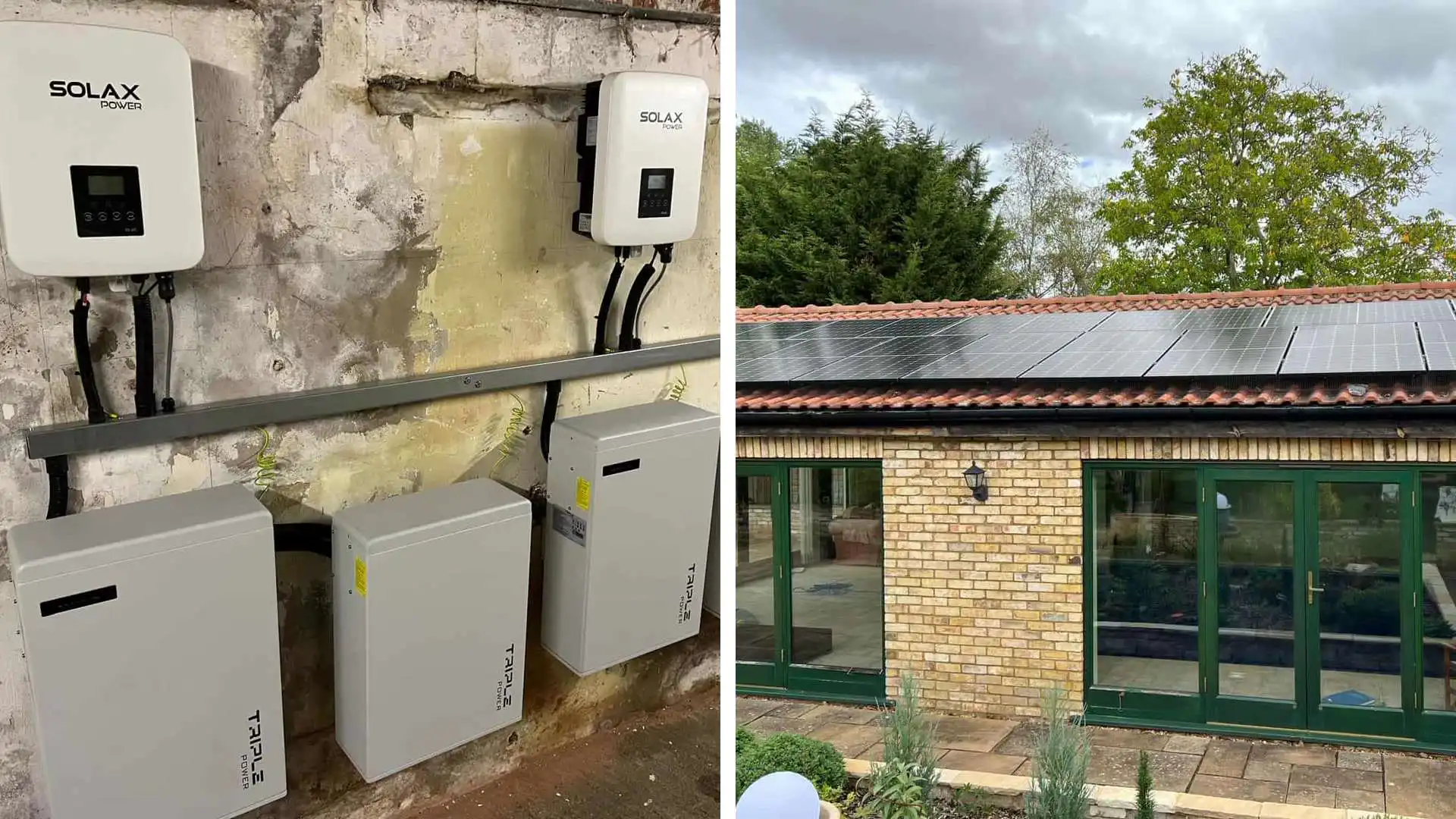
The rules accept both standalone battery installations and batteries paired with solar panels, each up to £15,000. A household with panels fitted years ago can add a battery as a measure of its own, and the battery limit includes setting up its monitoring and controls.
Detached houses as a share of all homes, Census 2021
43.7%
Surrey Heath
42.7%
Wokingham
42.5%
Hart
8.3%
Richmond upon Thames
ONS Census 2021 table TS044, via Nomis, pulled 30 October 2026
Where the battery goes is a survey question. On a detached house in Camberley or Wokingham, a garage or utility room gives us more places for the battery and inverter than a Richmond terrace with one spare wall, and the battery qualifies in both. Size it from your usage and your tariff before you size the loan, and our battery storage finance page covers a battery on its own or added to panels.
Hart, the district around Fleet, Hook and Hartley Wintney, sits at 42.5% detached, and our Warm Homes loan guide for Hampshire covers those estates.
Size the Battery From Your Roof’s Output
If your roof already carries panels, a Solar Design Pack sets out the layout and expected generation, the figure any battery has to work with.
From a heat pump customer:
“He has made himself available at short notice to answer any of my stupid questions, of which there were a lot.”
Ben Finnie, Google Review
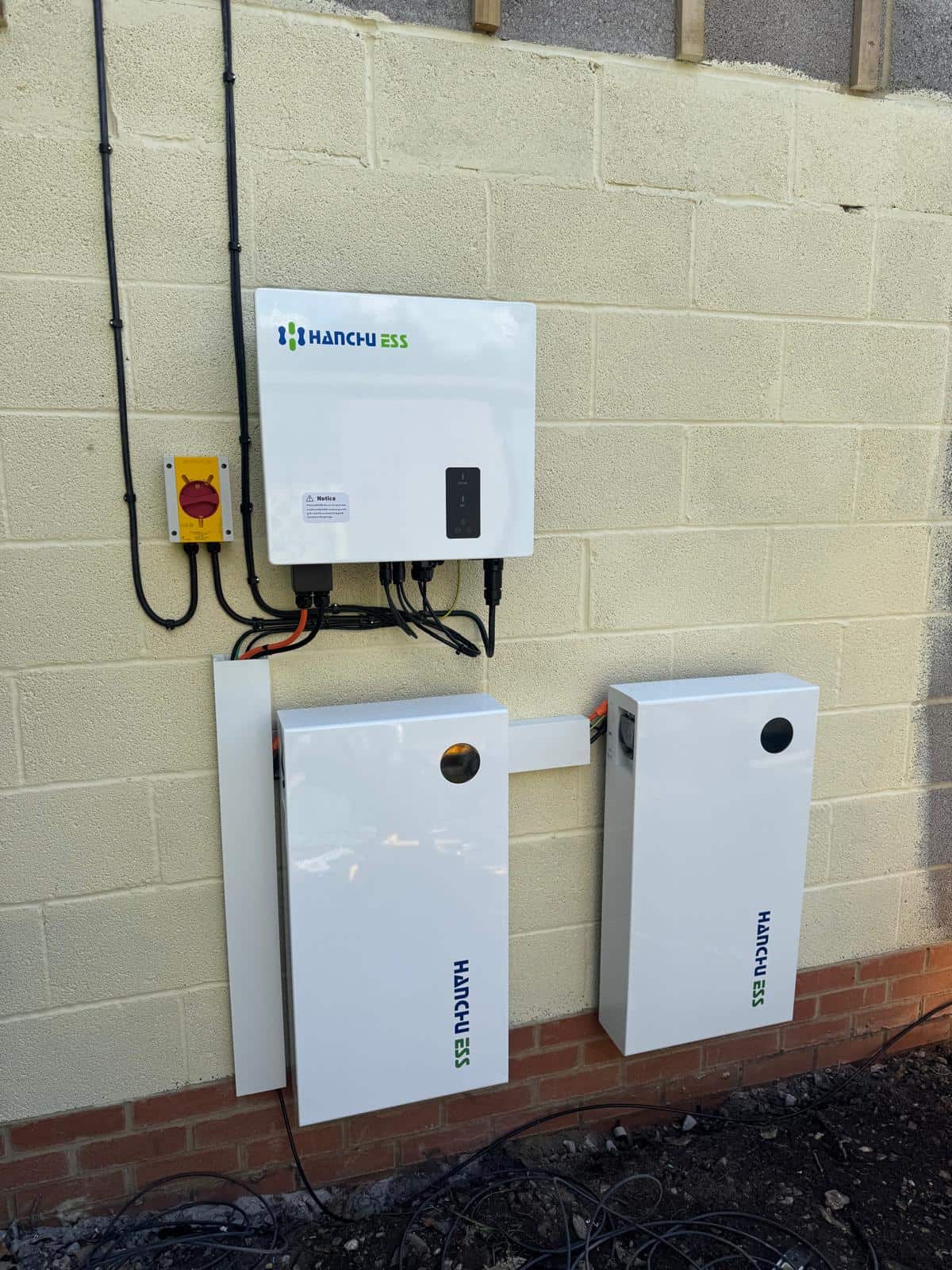
The Scheme Rules ask for an MCS certified product, fitted by an MCS certified installer to the relevant MCS standard. Battery storage has sat inside MCS installer certification since 2021, but MCS has no product standard for batteries yet. It opened a four-week consultation on its draft, MCS 042, the Battery Storage Product Standard, on 13 October 2026.
10 November 2026
MCS closes its consultation on MCS 042, the draft battery product standard named in its 13 October 2026 announcement.
Neither GOV.UK nor the rules say how lenders treat the product test for a Warm Homes loan battery while that standard is a draft. Ask the lender what it needs for the battery itself before you sign a quote, and be wary of a battery sold as MCS certified before MCS publishes the final standard.
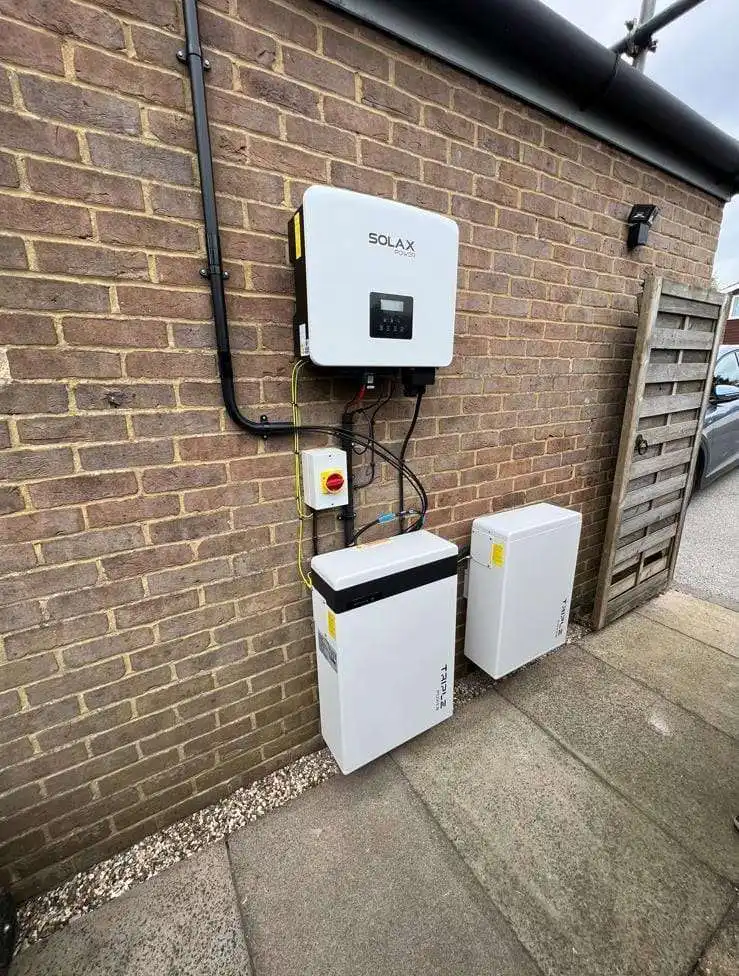
The GOV.UK consumer guide confirms you can apply for a loan that pays for more than one improvement, so a solar and battery job puts two measures on one application. Each technology has its own limit, and lenders set their own overall limits.
| Factor | Panels only | Battery added to existing panels | Panels and battery together |
|---|---|---|---|
| Limit that applies | £15,000 solar | £15,000 battery | £15,000 each, counted apart |
| Measures on the application | One | One | Two |
| What the survey sizes | Array from the roof | Battery from usage and the existing array | Both, drawn as one system |
| EV charger inside the job | Yes, within the solar limit | Yes, within the battery limit | Yes, within either limit |
The rules ask for an OZEV-approved installer and charger; a charger on its own does not qualify, and a charger already paid for with an OZEV or other grant is excluded. A heat pump on the same application brings its own limit of up to £20,000 for an air source heat pump.
Panels and Storage, Drawn as One System
A Solar Design Pack puts panels and any storage on one drawing, so you see the whole system on one page.
“Eco Renewables recently installed a heat pump for my customer and aligned it perfectly with my company’s solar PV system.”
Leon Shead, Google Review
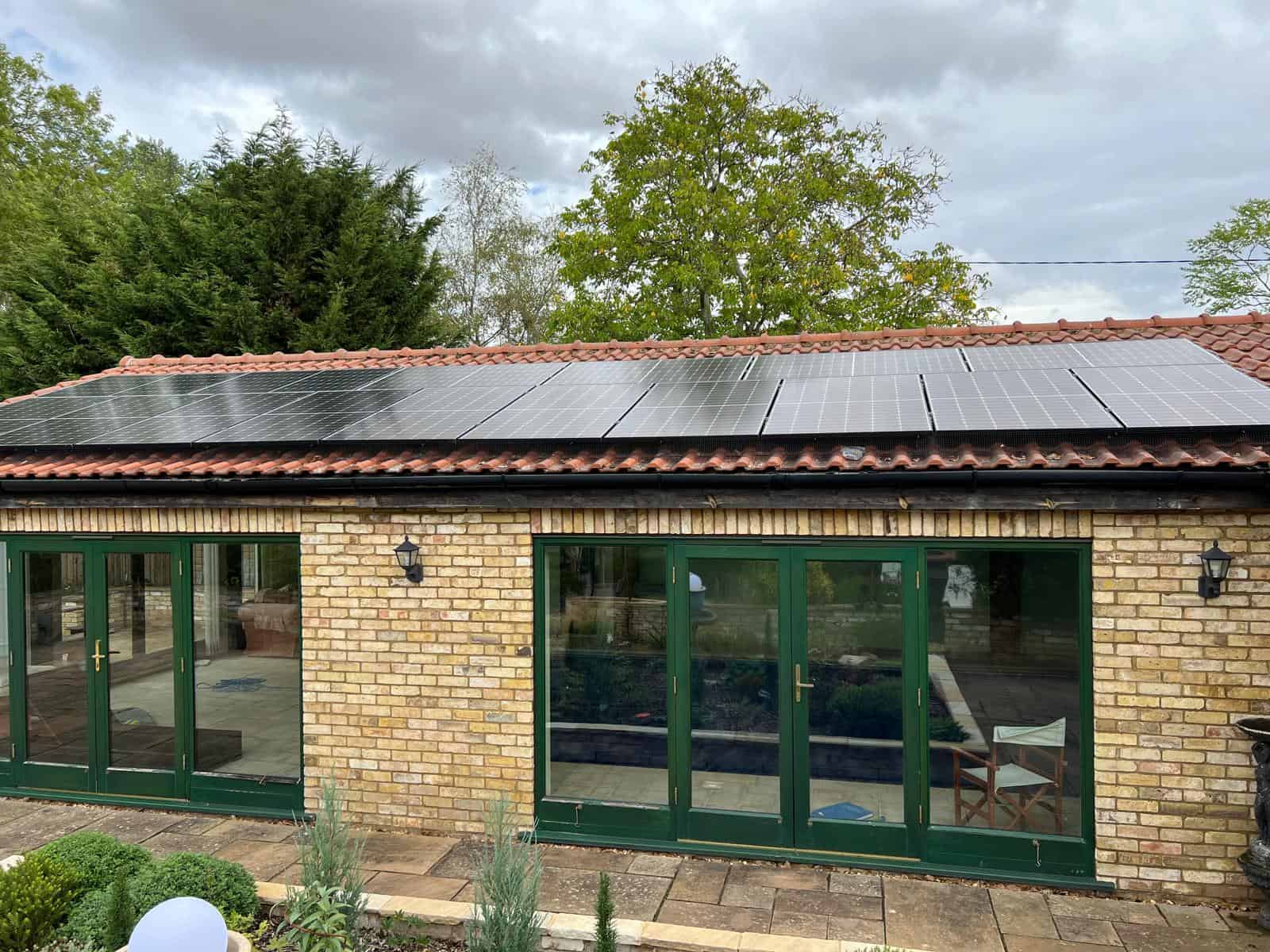
PVGIS, the European Commission’s solar model, puts a south-facing roof in Reading at the top of the range, and an east or west roof gives up about a fifth of that over a year. The chart shows each direction as a share of a south roof at the same 35-degree pitch.
Yearly solar output by roof direction in Reading, as a share of a south-facing roof
South
100%
South-east
95%
South-west
93%
East
80%
West
78%
PVGIS 5.2, SARAH-2 data, 35 degree pitch, 14% system losses, Reading, pulled 30 October 2026
An east-west estate roof spreads its output across the morning and the evening, which changes how much a battery stores. Solar panels and batteries, standalone batteries included, carry 0% VAT on installation in Great Britain until 31 March 2027, and the Budget on 28 October 2026 confirmed the return to 5% from 1 April 2027.
Payments for the electricity you export under the Smart Export Guarantee are a separate arrangement from the loan, and an installation by an MCS certified installer makes your home eligible for them. Our guide to the Smart Export Guarantee covers the export side.
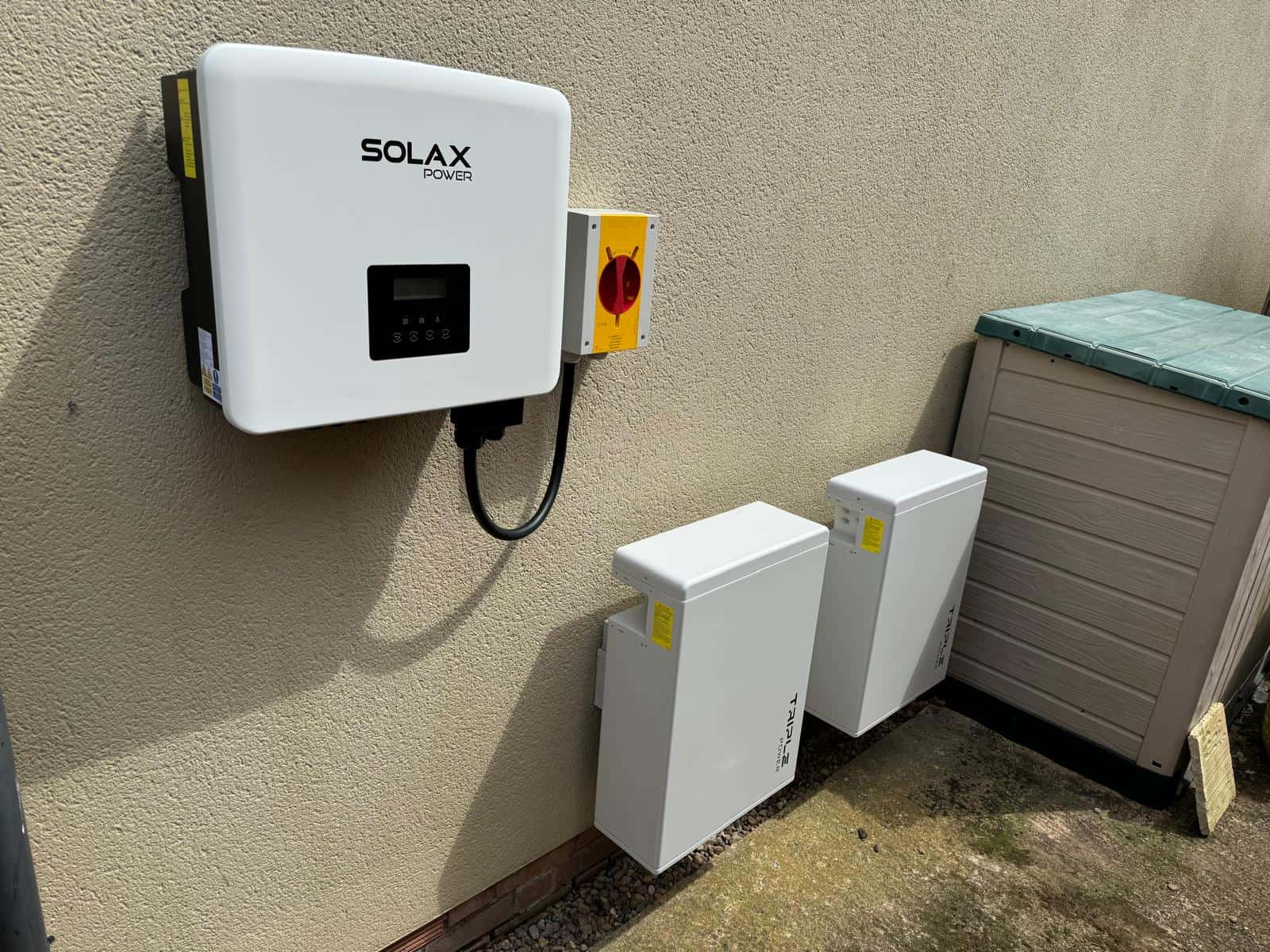
Every solar and battery job under the scheme has to be designed and fitted by an installer MCS certified for that technology, who then lodges it on the MCS Installation Database. DIY installation is excluded. Your quote will name the MCS certified installer for each technology and give its certificate number.
The Scheme Rules ask for every cost to be itemised, and on a solar and battery job that puts each measure on its own lines, so the lender can check each one against its own limit.
Lines a solar and battery quote should separate
The rules add formal points, such as a quote dated within six months and addressed to you on the installer’s headed paper. A lender that signs up its own installers may run a different process, so ask which route applies before you commit.
Array Layout and Generation for Your Roof
At a Solar Design Pack survey we draw the array layout and expected generation for your roof, the figures an itemised solar quote is built from.
From a heat pump customer in Twyford:
“I am not talking about knowledge you get from doing a few installs rather I am talking about knowledge from really studying and understanding this technology. As a result Adam was able to ensure the system was spec’d exactly as it needed to be to work most efficiently.”
Gerard Barron, Google Review
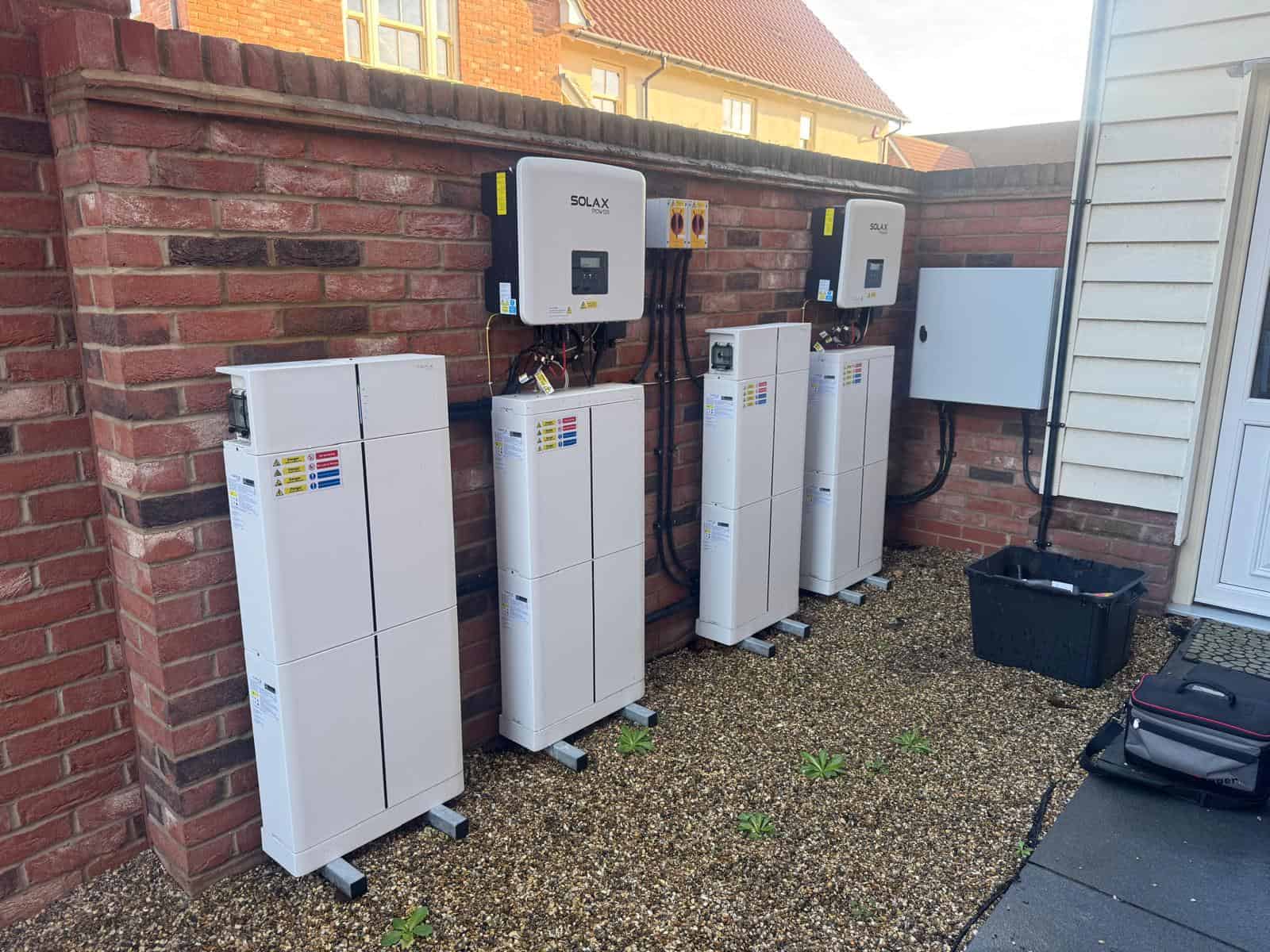
They do. The Scheme Rules treat new roof-mounted panels on an older array as part of the £15,000 solar limit. An installer MCS certified for solar PV fits them and lodges the extension on the MCS Installation Database, as it would a new system.
It has to go in with a solar panel or battery installation, and its cost counts toward that measure’s limit. OZEV must approve both the charger and the person fitting it. A charger bought on its own falls outside the scheme, as does one you have already had an OZEV or other grant for.
The lender does. Each lender on the scheme sets its own rates, terms and credit checks. The GOV.UK Warm Homes Loan Scheme guide lists the participating lenders.
The scheme sets no minimum EPC or efficiency rating, and no income limit. A lender may still ask for an EPC as its own condition, and credit and affordability checks apply to every application.
Private landlords can, applying in their own name. Companies, special purpose vehicles and limited-company landlords cannot, and social housing is excluded from the scheme.
No. A farmhouse in the Chilterns or on the Berkshire downs may have the garden for a ground-mounted array, but the Scheme Rules describe the solar measure as new roof-top mounted panels, so that array falls outside the £15,000 limit. Panels on the house roof, or added to an existing roof array, do count.
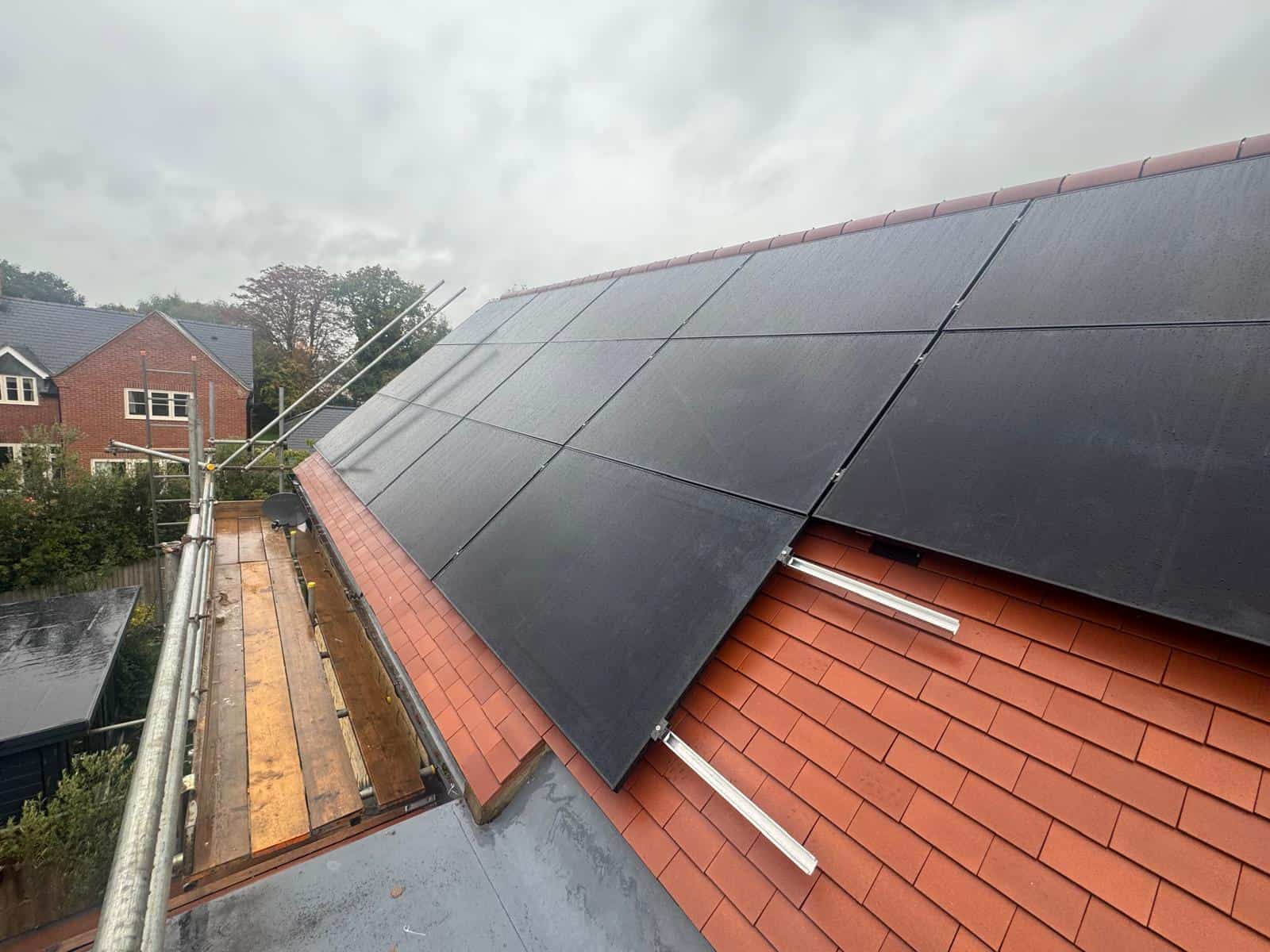
The size of the array, where the panels sit and what they should generate all come from a survey of your roof, before any lender sees a figure. Ask for a Solar Design Pack and we will set out the layout and expected generation, so the quote you take forward rests on your own roof’s numbers.
More guides from the Eco Renewables blog on the same topic.
24 November 2026
Read the guide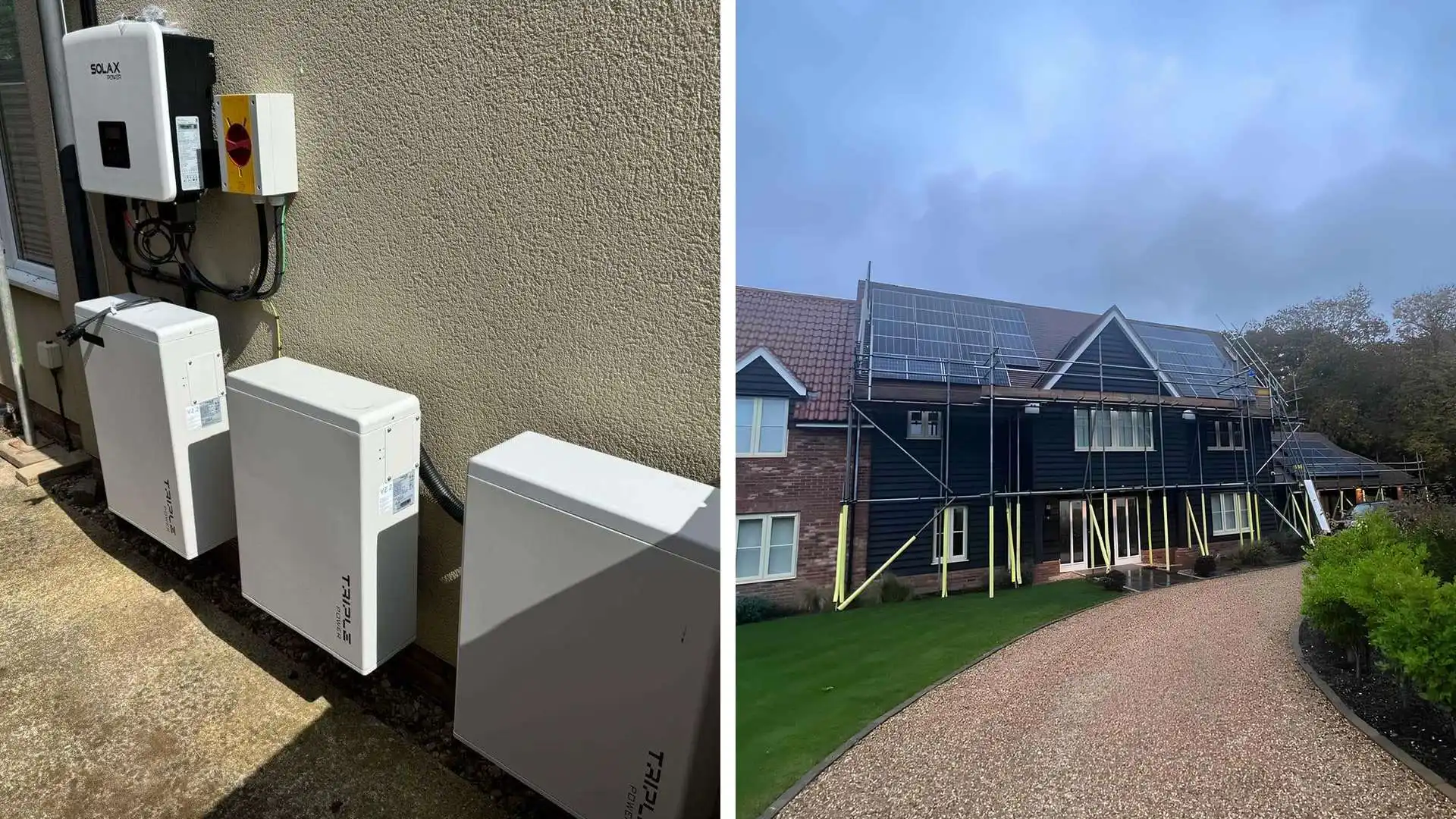
24 November 2026
Read the guide
24 November 2026
Read the guideEco Renewables are trusted by homeowners throughout Berkshire, Surrey, and the South East to provide high-quality solar system installations.
If you're considering a heat pump, the survey is where it starts. We assess the property, run the heat loss calculations, and tell you exactly what the system would look like.
Get My Free Solar Design Pack


