



Solar
Smart Export Guarantee Explained for Berkshire and Surrey Homes
By Adam Dare
Heat Geek trained installer
Updated 24 November 2026
Reading time
🎉 Named South East Heating Installer of the Year 2026
The Smart Export Guarantee is the scheme that obliges larger electricity suppliers to pay you for every unit of solar electricity your Berkshire or Surrey home exports, at a rate each supplier sets itself. That last clause is the whole story. The rate currently spans from about 2p to over 15p per kWh for the same exported unit, and which end of the spread you land on has nothing to do with your panels.
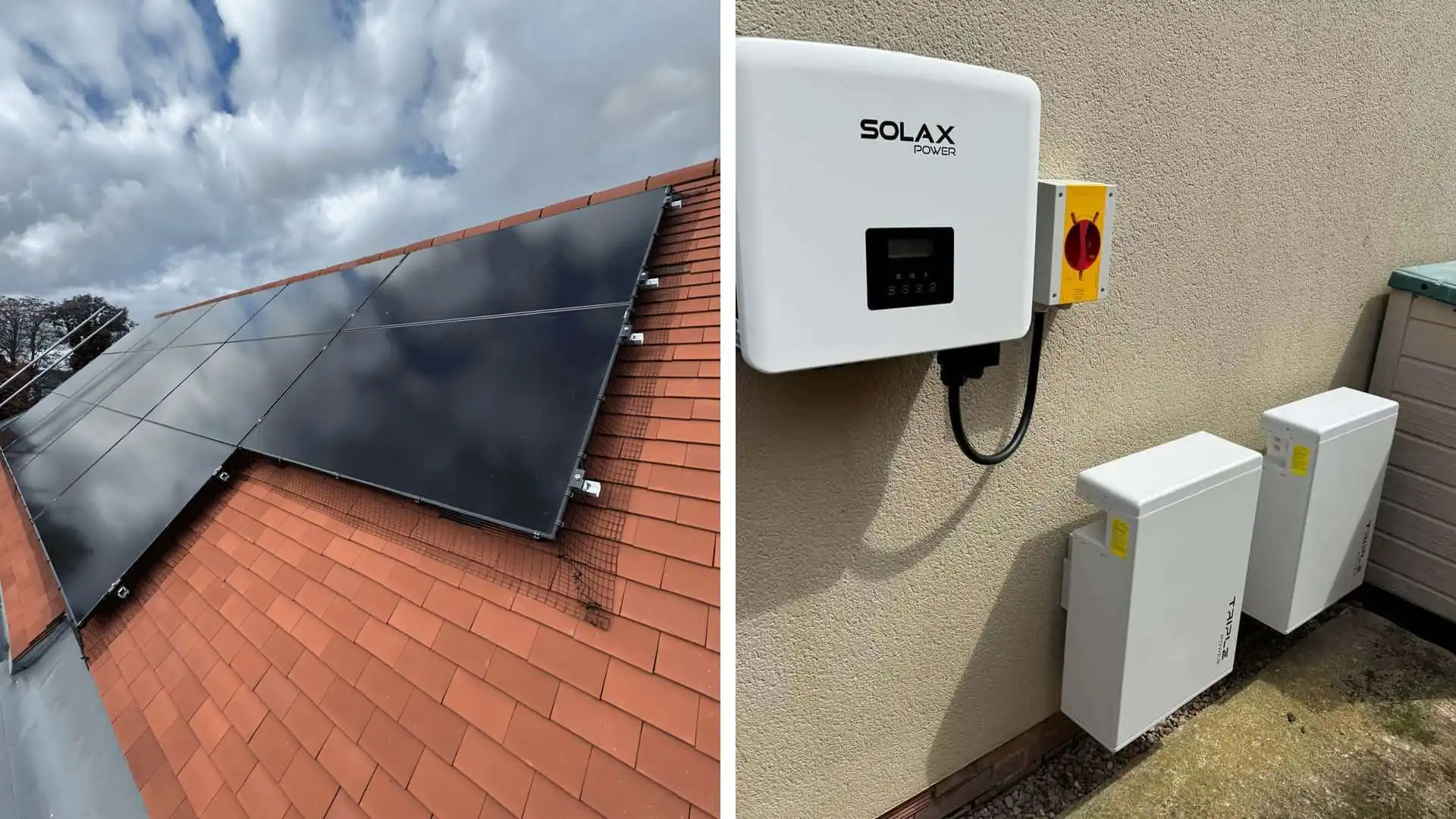
This post explains the scheme the way we explain it during a survey: what the SEG actually is, what it pays, how to qualify, how the metering works, and why the export rate should be the last number that shapes the system on your roof.
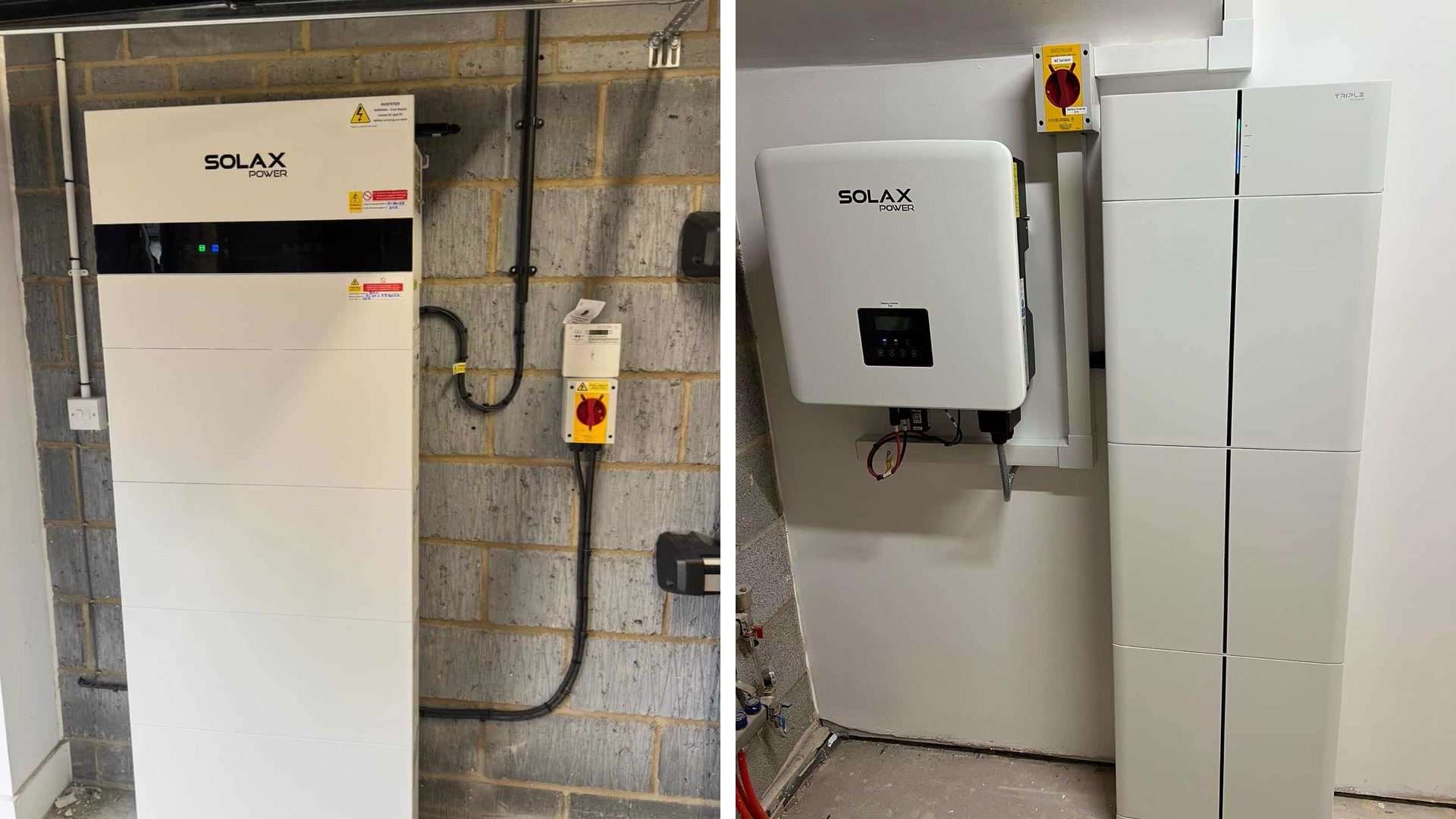
The SEG is an obligation, not a subsidy. Since January 2020, licensed suppliers with 150,000 or more domestic customers have been required by Ofgem to offer at least one export tariff, and the only rule on the rate is that it stays above zero at all times. Government sets no figure. Competition sets everything else, which is where the spread in the next section comes from.
It is the feed-in tariff replacement, and the structural difference matters more than the history. FIT, closed to new applicants in March 2019, paid on everything you generated plus an assumed “deemed” export, metered or not. The SEG pays only for units your meter records leaving the property. In any FIT vs SEG comparison, that is the line that matters: SEG is a payment for measured surplus, nothing else.
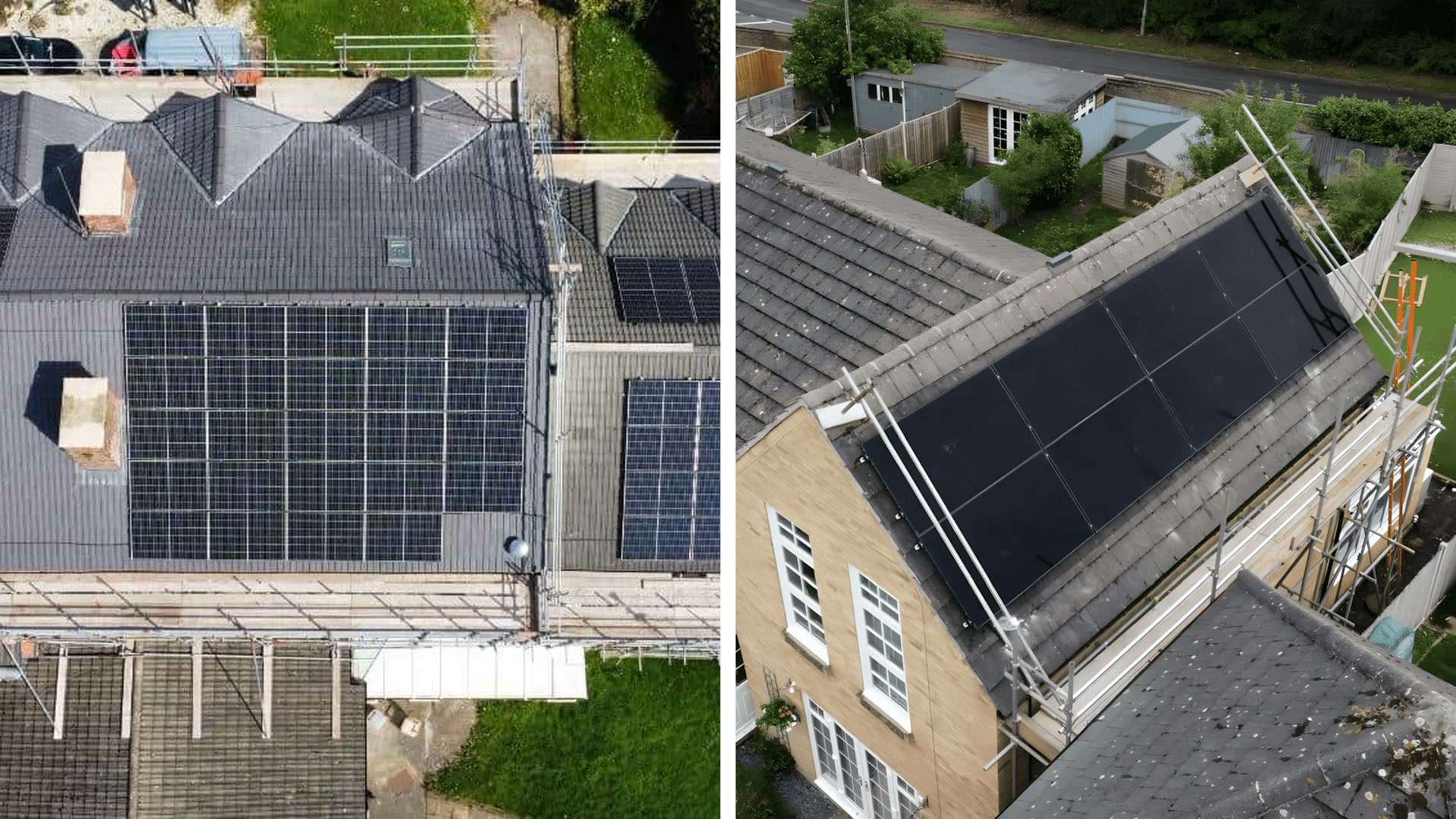
Smart Export Guarantee rates currently run from about 2p to over 15p per kWh. The gap between the weakest and strongest SEG tariff is close to a factor of ten, and no other number on a solar export tariff moves anywhere near as much. Two neighbours with identical roofs can be earning wildly different sums for the same exported unit.
The spread exists because export rates are an acquisition tool. The best SEG rates are usually conditional: move your import supply to that supplier and the headline rate unlocks, stay where you are and you are offered a fraction of it. Fixed SEG tariff rates hold for the contract term; variable ones move whenever the supplier decides. Both are legal, and the difference sits in the tariff terms.
That is why chasing the best smart export guarantee rates before the system exists is backwards. Tariffs are commercial products that change monthly, and Ofgem keeps the current supplier list. A SEG rates comparison only means something once you know how many units your roof will actually send out. Pick the tariff after commissioning, when export is measurable, then re-check it once a year.
Export Rates Modelled on Your Own Roof
If you would rather have the rate question answered against your own roof and usage than against a national average, that is precisely the modelling a Solar Design Pack does.
“Great experience from start to finish. Everything was smooth, Adam was friendly and professional, and the quality exceeded my expectations.”
Meg Hounslow, Google Review
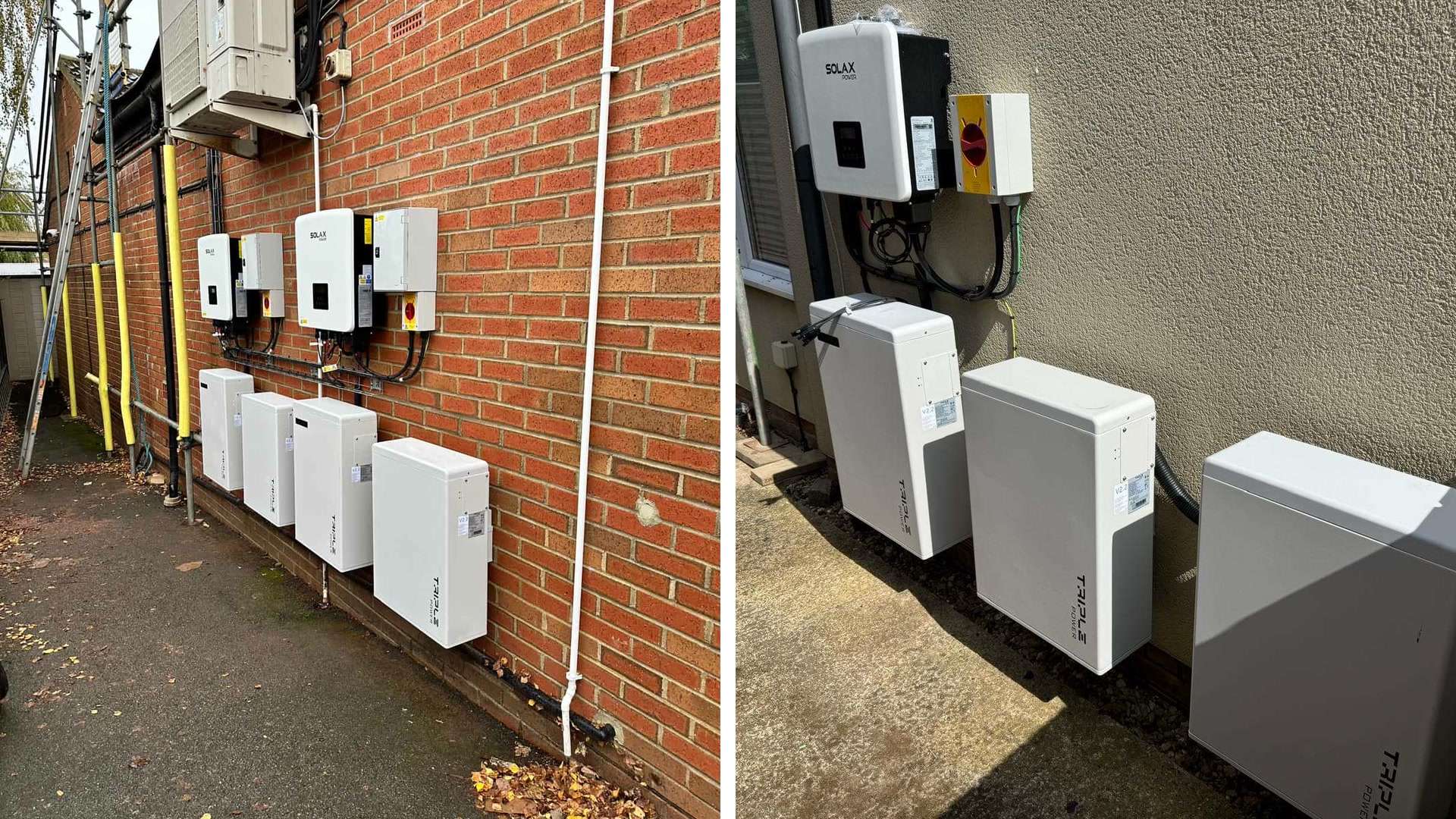
SEG eligibility is short. An installation certified under MCS or an equivalent scheme, capacity up to 5MW, which covers every domestic roof by a distance, and a meter capable of half-hourly export readings.
Applying for the Smart Export Guarantee comes down to three steps: choosing an SEG supplier, which does not have to be the company you buy electricity from; sending the MCS certificate and the DNO confirmation for the system; then the supplier registers an export MPAN against your address and starts paying on meter readings.
Choose an SEG supplier
It does not have to be the company you buy electricity from.
Send the paperwork
The MCS certificate and the DNO confirmation for the system go to that supplier.
Export MPAN and payments
The supplier registers an export MPAN against your address and starts paying on meter readings.
The obligated smart export guarantee suppliers are the large household names, but smaller companies can opt in voluntarily, so the list of SEG providers runs longer than you might expect. Where a SEG application drags, it is nearly always missing paperwork rather than a slow supplier.
Export Figures Start With a Properly Designed System
Every solar PV installation we commission is handed over with its commissioning data and a monitoring walkthrough.
“You rarely meet people who are so knowledgable and passionate about their trade – but this guy genuinely is. Very responsive and trustworthy. We have been customers of Adam for over 5 years and he has never failed us yet!”
Adam Hewitt, Google Review
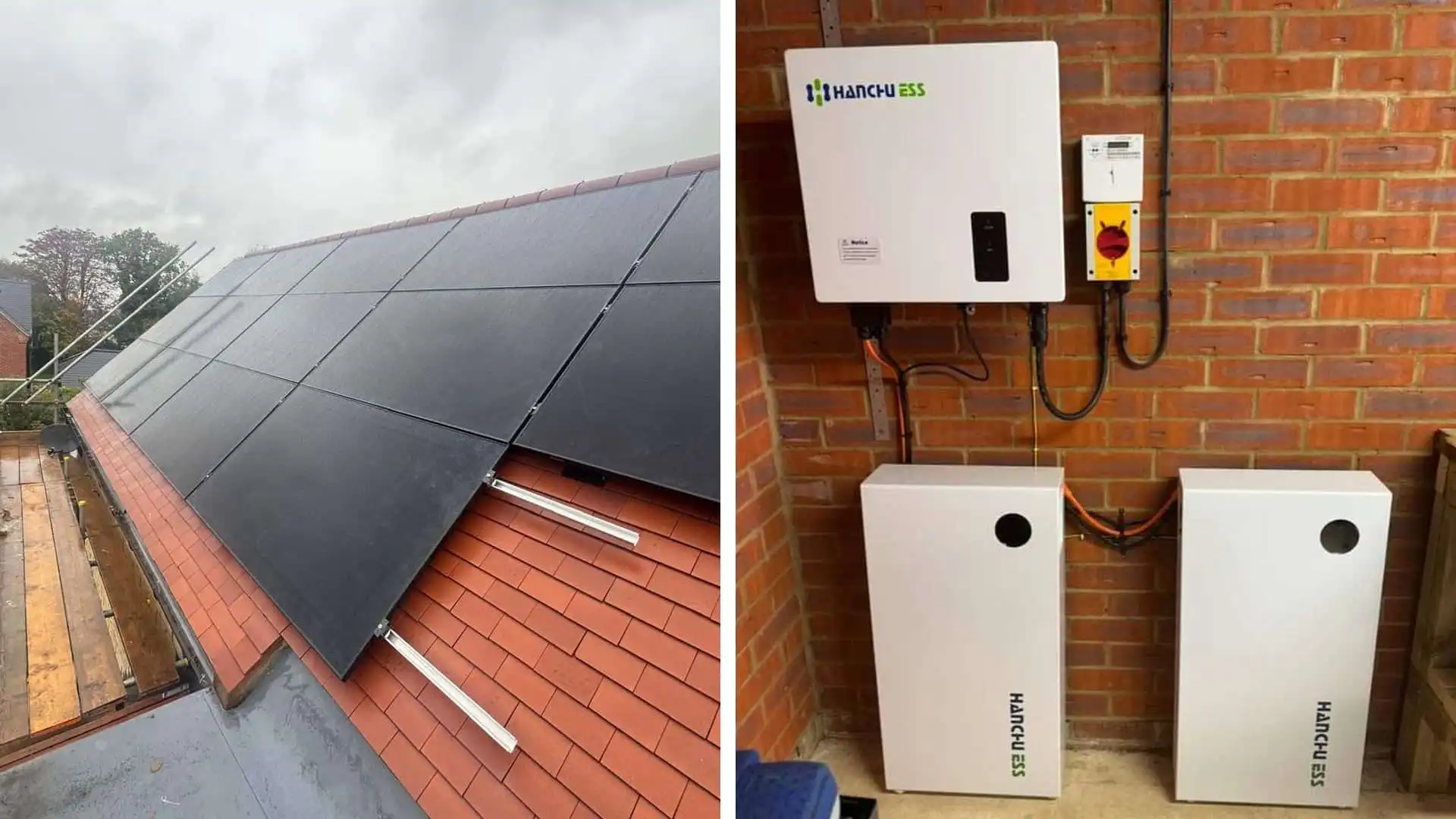
Once a system is registered for the SEG, a second supply number appears on your account: the export MPAN. The import MPAN identifies your connection buying electricity; the export MPAN identifies the same physical connection selling it. Two numbers, one cable. No supplier can pay you without one, which is why registration waits on it.
The export meter requirement is specific: SEG payments are calculated from export readings taken every half hour, which in practice means a smart meter reporting export. There is no deemed export under the SEG. FIT assumed a share of generation was exported and paid for it unmetered; the SEG pays for nothing it cannot see.
That single rule explains the most common way solar owners go unpaid. An older array running through a meter that cannot record export earns nothing for its surplus, however sunny the summer. The fix is administrative rather than technical: a smart meter, then an SEG registration.

Selling electricity back to the grid under the SEG is plain arithmetic: metered exported units multiplied by your tariff rate. SEG payments land as a credit against your bill or as a bank transfer, on the supplier’s cycle and at the supplier’s discretion. There is no standing payment and no minimum. Export nothing in December, and December pays nothing.
As an illustration rather than a promise, take a household exporting 1,500 kWh a year, a plausible surplus for a larger detached-roof array in Berkshire or Surrey. At 2p per kWh that is £30; at 15p it is £225. Same panels, same weather. The spread in solar export rates is the only variable, which is why an annual tariff check beats any setting on the inverter.
Yearly export income on 1,500 kWh
2p per kWh tariff
£30
15p per kWh tariff
£225
An illustration for a larger detached-roof array in Berkshire or Surrey. Only the tariff changes.
What export income means for the system’s overall case is a different question, and one this post deliberately leaves alone. Whether the panels pay back turns on self-consumption, installed cost and usage patterns, and we worked through the full payback maths separately.
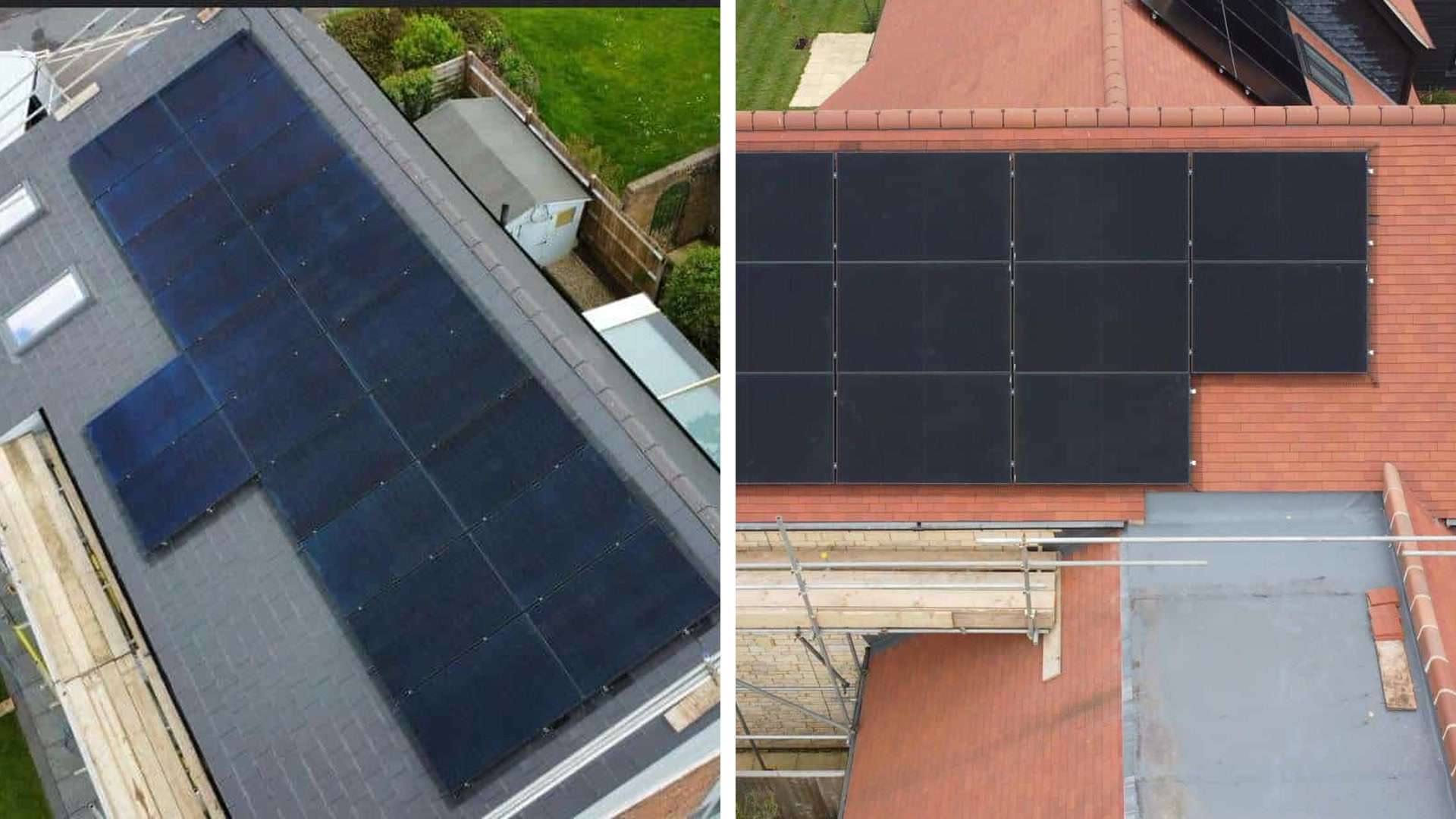
A unit you export earns the export rate, which on most flat-rate SEG tariffs sits between 2p and 15p. A unit you use yourself avoids buying one at the import price, currently around 25p per kWh. On a flat rate, export pays less than self-consumption saves, and a typical tariff pays a fifth of it. Time-of-use export tariffs such as Octopus Flux pay more at the 16:00 to 19:00 peak (30.16p in region H on 26 October 2026), but import in that window cost 37.20p, so a unit used at home still saved more. The SEG is real income, and it is the smallest lever in the system.
What one unit of solar is worth
2p to 15p
Flat export rate per kWh on most SEG tariffs
Around 25p
Current import price per kWh, avoided on every unit you use yourself
Even the strongest flat export rate pays less than self-consumption saves.
That gap sets the design order: model the house’s consumption first, size for it, and let the SEG monetise the genuine surplus. A quote that justifies extra capacity with an export forecast is backwards: no energy export tariff pays enough to make surplus-by-design a sound buy. A battery moves the line, since stored surplus becomes self-consumption, and whether that trade earns its hardware cost is a decision we covered separately.
None of this argues for more panels either. How many a specific property needs is its own exercise, worked through in our array sizing guide. The principle stands alone: solar panel export rates are the backstop for surplus you could not use, never the business case for the system. That is a sentence a lead-generation site cannot afford to publish.
Size the System Around Your Own Usage
A Solar Design Pack models generation against how your household actually uses electricity, which settles the export question before anyone starts quoting rates.
“Eco Renewables recently installed a heat pump for my customer and aligned it perfectly with my company’s solar PV system… The installation quality was excellent, and my customer is already seeing improved comfort and energy savings.”
Leon Shead, Google Review
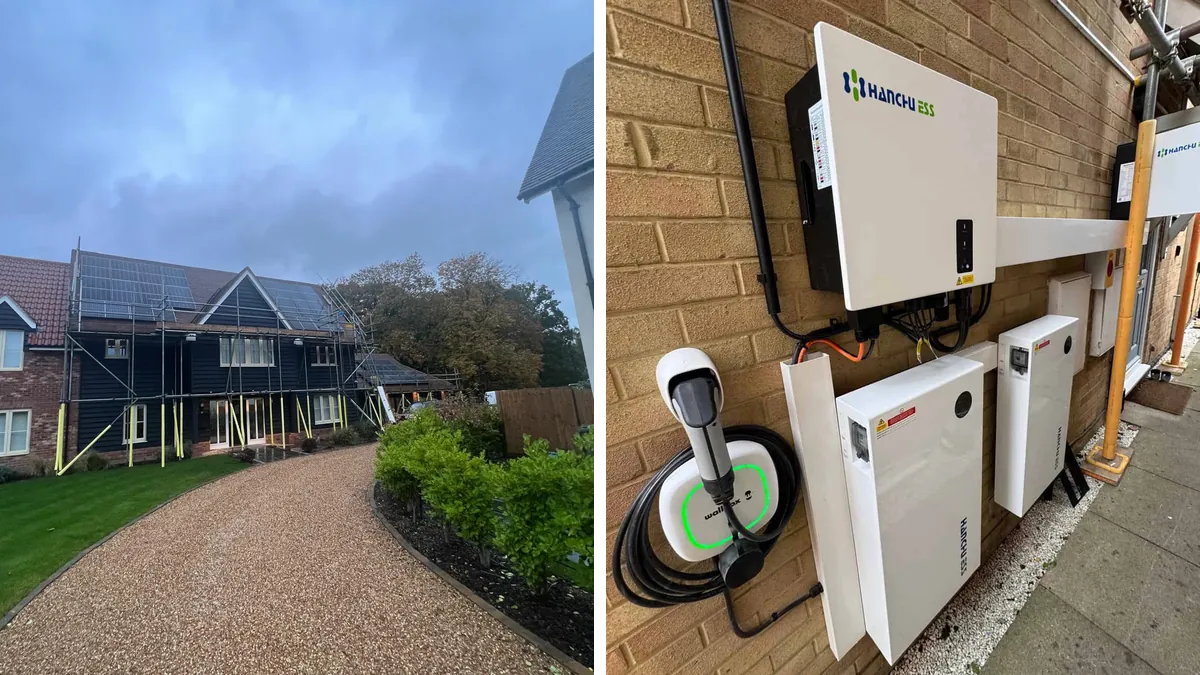
An Ofgem-administered obligation on licensed electricity suppliers with 150,000 or more domestic customers to offer a tariff that pays for exported units of renewable electricity. It replaced the Feed-in Tariff for new installations, with payments starting in January 2020. Each supplier sets its own rate; government sets none.
Rates currently spread from about 2p to over 15p per kWh depending on the supplier and tariff. The only legal requirement is that the rate stays above zero, so the same exported unit can earn several times more on a stronger tariff. Checking and switching matters.
You need a meter capable of recording export every half hour, which in practice means a smart meter. The SEG pays on metered export only, so a system running through a meter that cannot record export earns nothing for its surplus.
In effect, yes. Suppliers verify eligibility using MCS certification or an equivalent scheme, and most ask for the certificate number during the application. Your installer produces it at commissioning, and some suppliers also ask for DNO confirmation of the connection.
No. The Feed-in Tariff closed to new applicants in March 2019. Existing FIT recipients keep their payments on the original terms, and should check the numbers carefully before changing any export arrangement, because FIT’s deemed export is often worth more than metered SEG export.
No. You can hold an import tariff with one supplier and an SEG tariff with another. In practice the highest export rates are usually reserved for that supplier’s own import customers, so the two decisions end up connected even though the rules keep them separate.
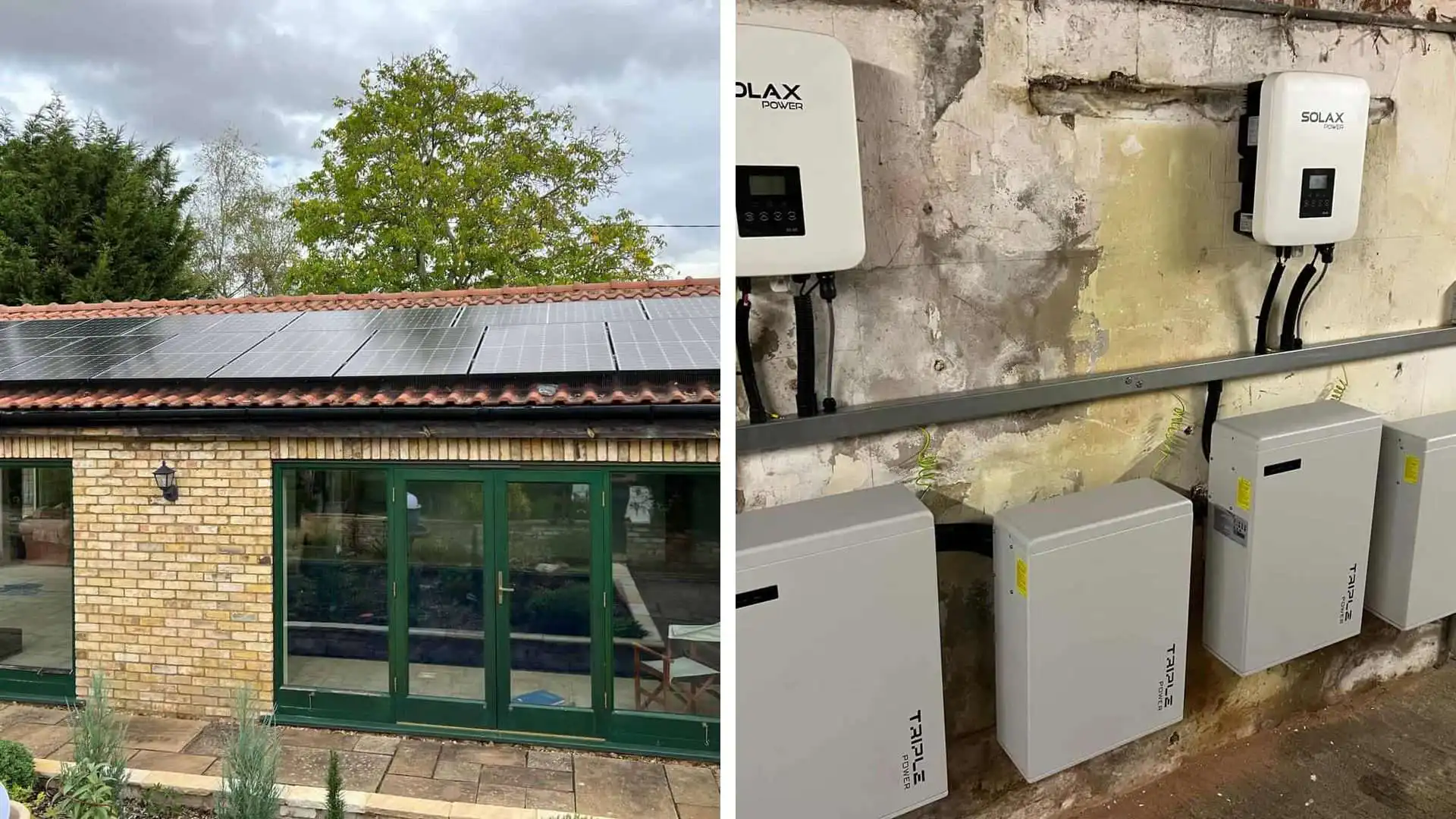
Every SEG comparison rests on a number no comparison site knows: how many units your house will actually export. It comes from your roof, your consumption pattern and the system design, and it can be modelled before a single panel goes up. That model is what our Solar Design Pack produces, and every tariff choice, export forecast and battery conversation afterwards stands on it.
More guides from the Eco Renewables blog on the same topic.
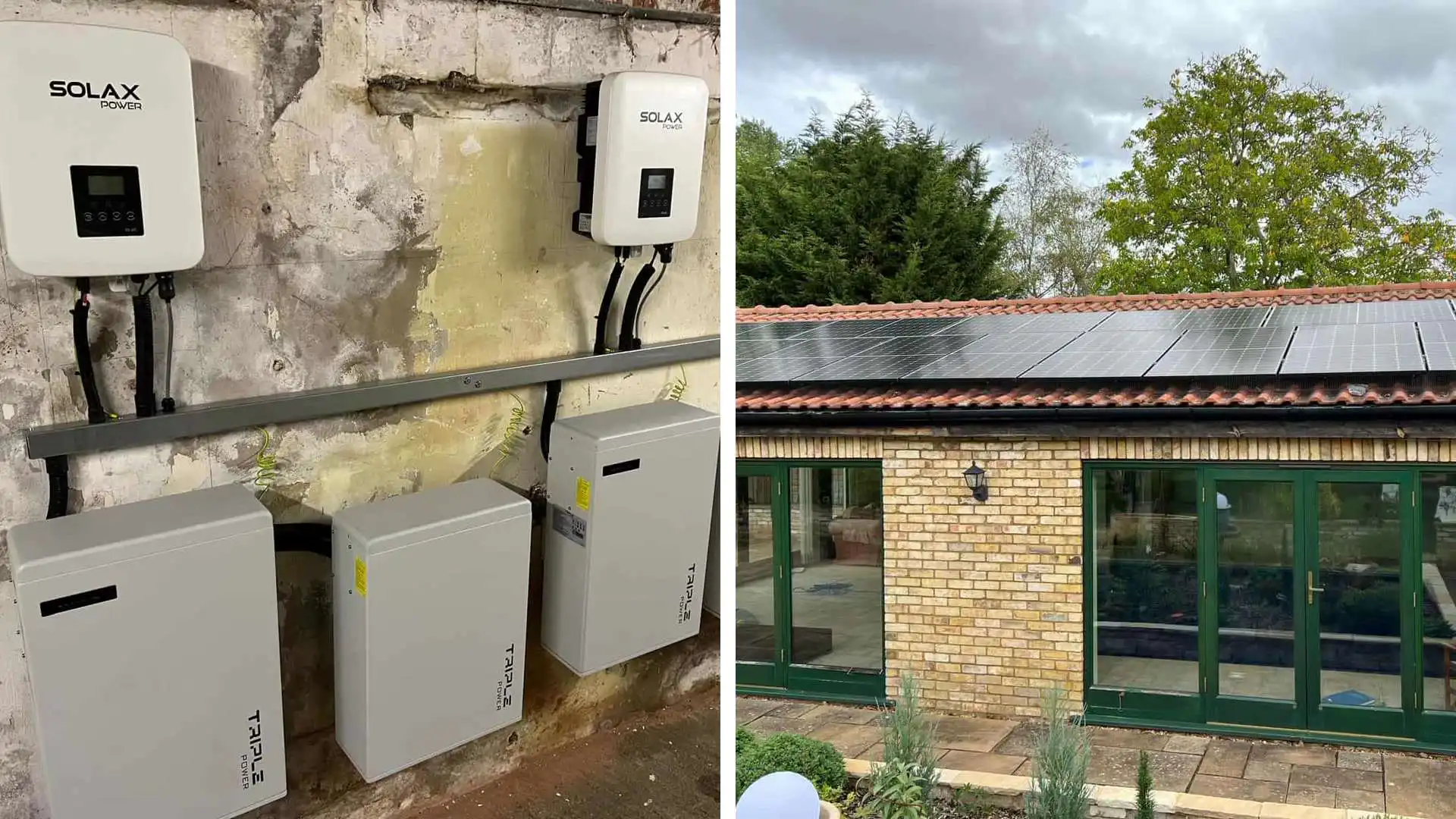
24 November 2026
Read the guide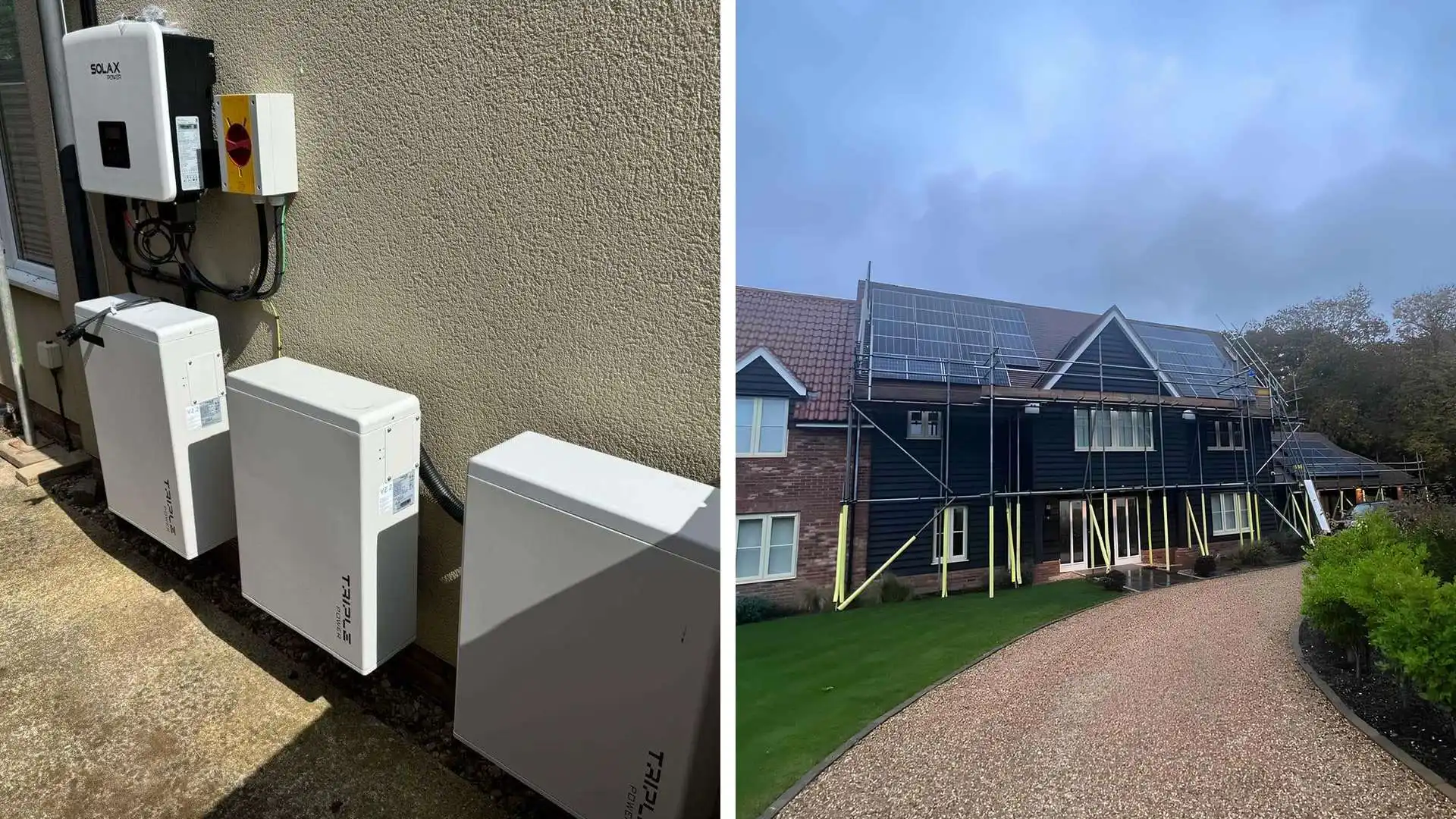
24 November 2026
Read the guide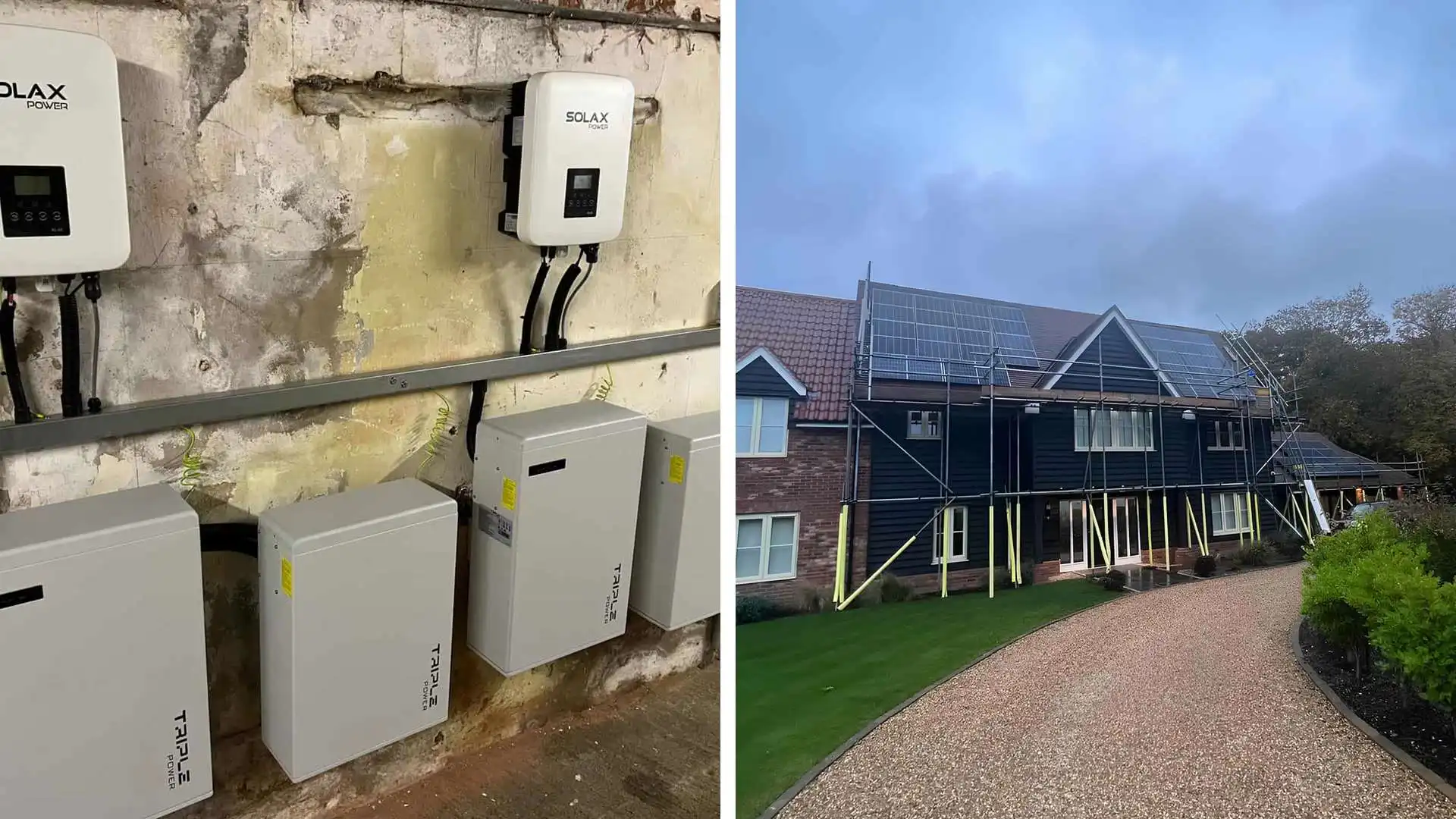
24 November 2026
Read the guideEco Renewables are trusted by homeowners throughout Berkshire, Surrey, and the South East to provide high-quality solar system installations.
If you're considering a heat pump, the survey is where it starts. We assess the property, run the heat loss calculations, and tell you exactly what the system would look like.
Get My Free Solar Design Pack


