



Solar
How Many Solar Panels Do I Need? Berkshire and Surrey Sizing
By Adam Dare
Heat Geek trained installer
Updated 13 November 2026
Reading time
🎉 Named South East Heating Installer of the Year 2026
Most of the homes we design for across Berkshire and Surrey end up with somewhere between 8 and 16 panels. That range is the answer to the question, and it is also the least useful sentence in this article, because the panel count is an output rather than an input. Two things produce it: twelve months of your actual electricity consumption, and the geometry of the roof planes you can safely build on. Anyone who names a panel count before seeing your kWh figures is guessing with your money.
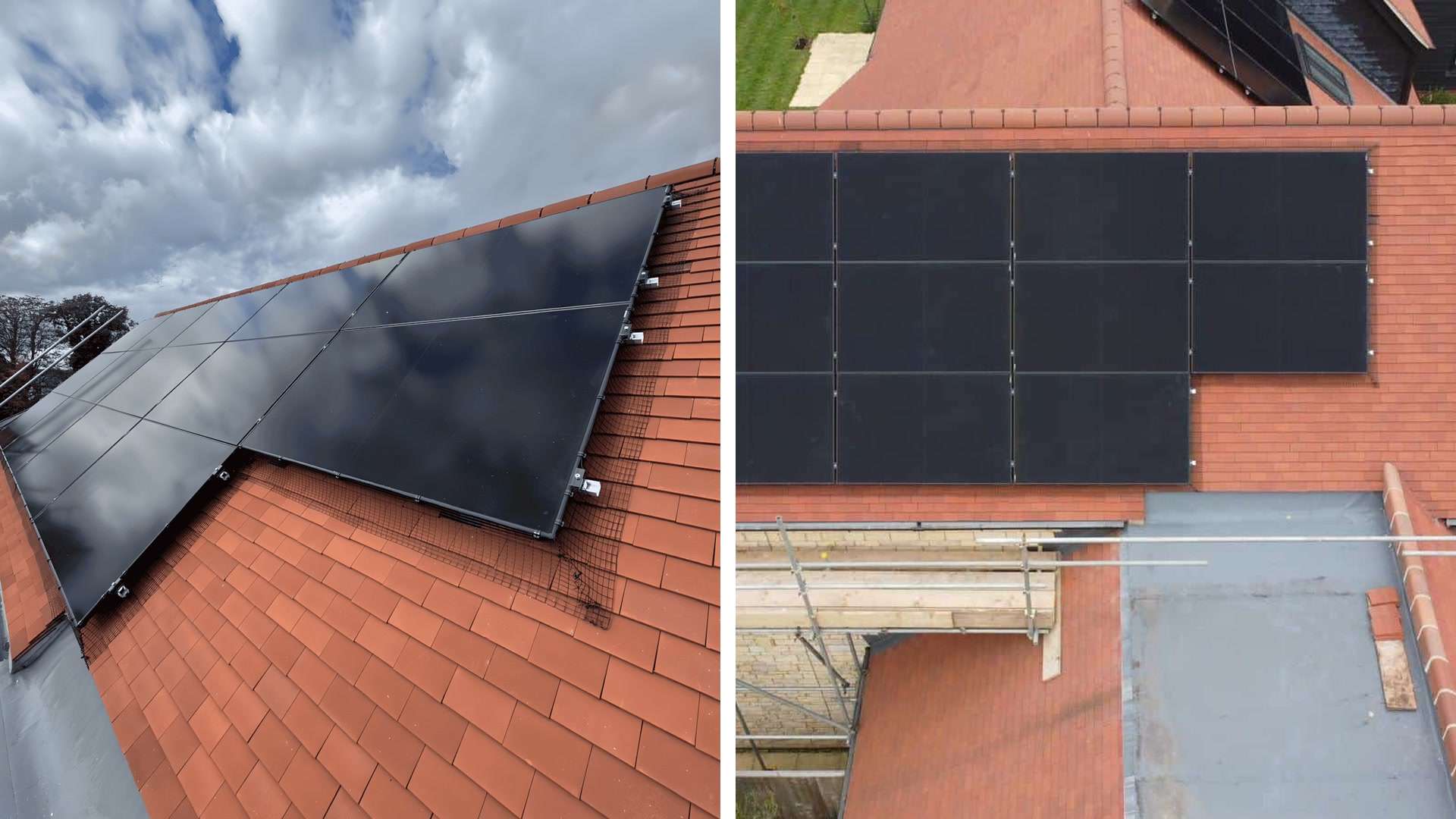
The order of operations is what separates a design from a sales quote. Consumption first, then the conversion from energy to capacity, then the panel count, then the roof as a constraint on that count. Do it in that sequence and the number defends itself. Do it backwards, starting from how much tile is free, and you get a system that generates a lot and saves comparatively little.
Annual consumption
Pull twelve months of bills or the half-hourly data from your smart meter. That annual kWh figure is where the design starts.
Energy to capacity
Convert the kWh you want into kWp: a well-oriented, unshaded South East array delivers roughly 850 to 950 kWh for every installed kWp.
Panel count
Divide the kWp by the panel wattage. One 440 W module is 0.44 kWp.
Roof as a constraint
Roof area enters at the end, as a constraint that may cut the number down. It never sets it.
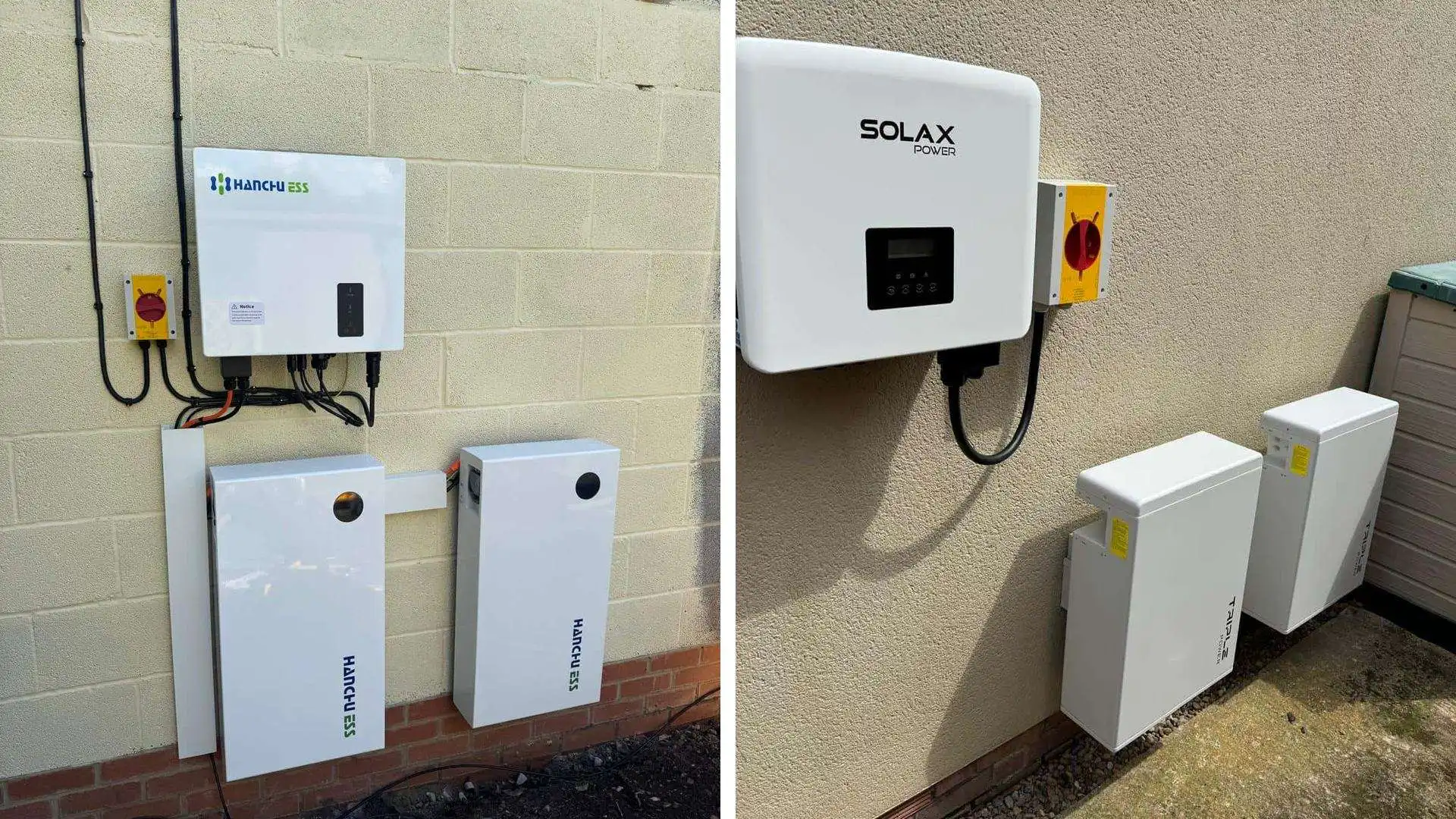
Pull twelve months of electricity bills. Better, export the half-hourly data from your smart meter. That annual kWh figure is where a solar design starts, and nothing sensible happens before it exists.
Bedroom-count tables fail because consumption does not track bedrooms. The UK medium-usage benchmark sits around 2,700 kWh a year for a single-rate household. A four-bedroom detached in Wokingham with an EV on the driveway, a home office running five days a week and a hot tub nobody mentions on the enquiry form can be past 8,000 kWh. Same bedroom count as its neighbour. Three times the array.
Then the second cut, which almost nobody applies. How much of that consumption happens in daylight? Panels generate while the sun is up and store nothing on their own, so a household without a battery typically self-consumes 30 to 50 percent of what its array produces, depending on occupancy. The design target is therefore not your annual total. It is your daytime baseload plus the loads you can genuinely shift into daylight: dishwasher, washing machine, immersion via a diverter, weekday EV charging.
That distinction is why we run a solar PV installation design from consumption data before anyone measures a roof. Get the demand profile wrong and every number downstream inherits the error.
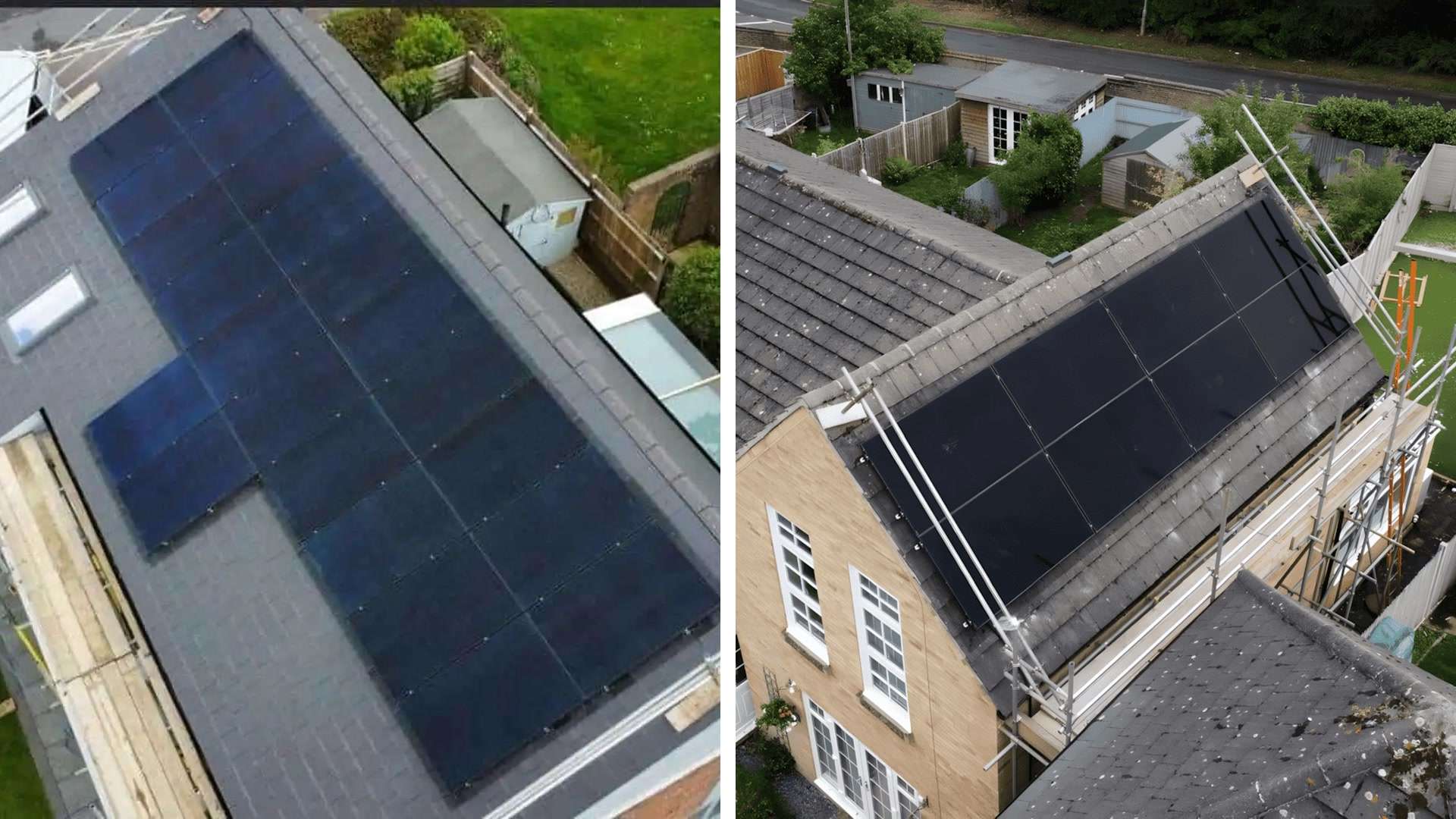
Two units, one letter apart, and mixing them up is how homeowners end up comparing quotes that are not comparable.
kWp, kilowatt-peak, is a nameplate rating. It is the DC output the array would produce under Standard Test Conditions: 1,000 watts per square metre of irradiance, a cell temperature of 25°C, a defined light spectrum. Those conditions exist in a test lab. They do not exist on a roof in Bracknell. On the clearest June afternoon your panels are considerably hotter than 25°C, and modern modules lose roughly 0.3 percent of their output for every degree above it, so the hottest hours are not the most productive ones.
kWh is energy: what the meter counts and what your bill is built from. The bridge between the two is the annual yield figure, and in the South East a well-oriented, unshaded array delivers roughly 850 to 950 kWh for every installed kWp. Berkshire and Surrey sit in the better half of the UK for irradiance. That is a real advantage and a modest one, worth percentages rather than multiples. The Energy Saving Trust publishes independent figures in the same territory.
Run that per panel and the number gets easier to carry around. One 440 W module is 0.44 kWp, so on a decent South East plane it produces somewhere around 375 to 420 kWh a year. That single figure converts any panel count into an annual output in one step, which is the sanity check to apply to every quote you receive. Our solar panel calculator does that sum for any system size, then adds export income and payback.
So the arithmetic runs one way only. Decide the kWh you want the array to produce, convert to kWp using the yield figure, then divide by the panel wattage to get the count. Roof area enters at the end, as a constraint that may cut the number down. It never sets it.
Turn Your Usage Into a Panel Count
If you would rather see that conversion run on your roof and your consumption than on a national average, it is the first thing the survey produces.
“We’ve been using Adam for a couple of years now. He’s a friendly, approachable and honest chap, who’s always done a good job and is willing to explain whats needed and why.”
Family Burrell, Google Review
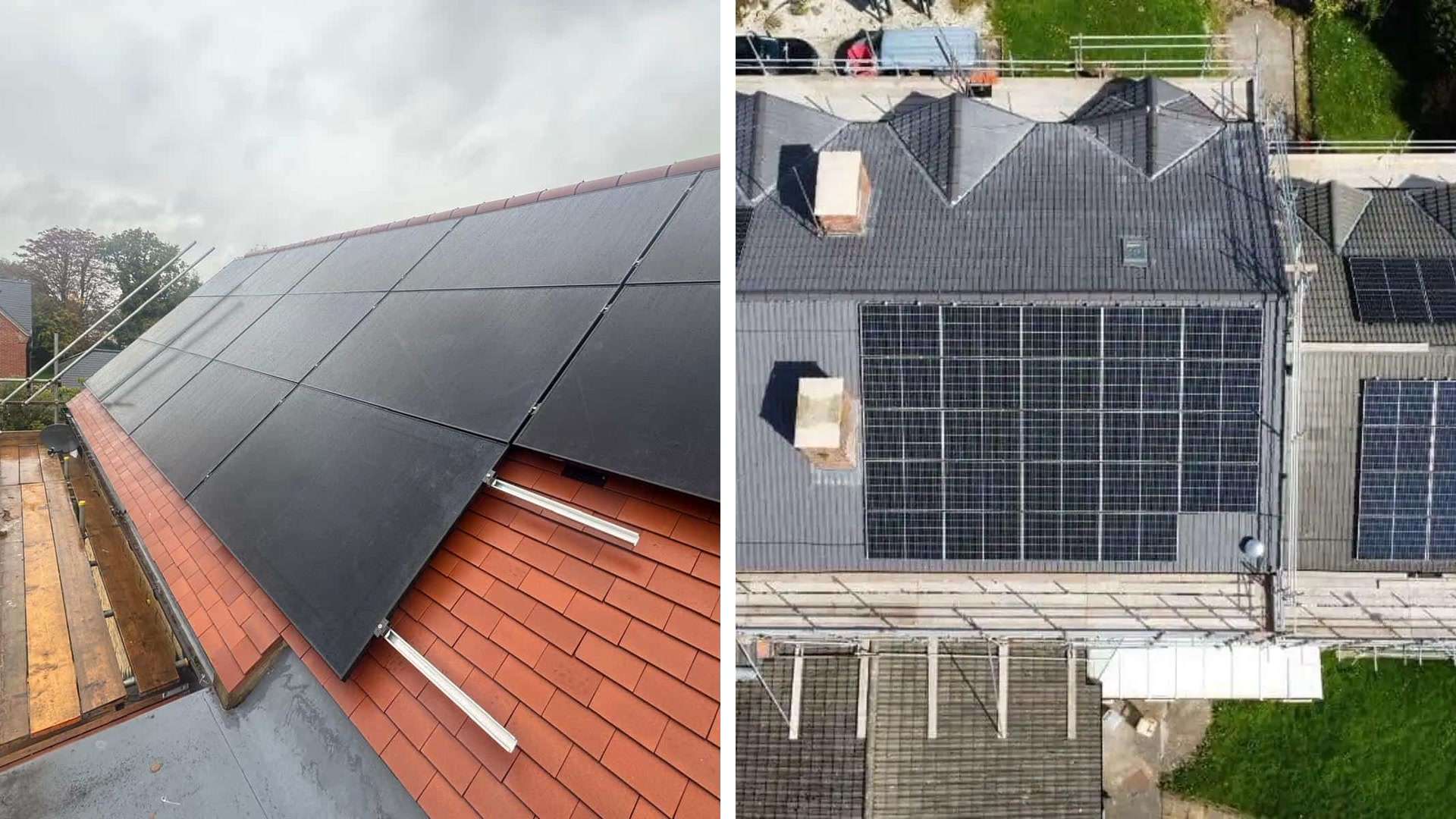
Modern residential panels run around 440 W. Ten of them is 4.4 kWp, which at South East yields comes out around 3,700 to 4,200 kWh a year. Twelve is 5.28 kWp, the nearest current equivalent of the 5 kW system people still ask for by name. Fourteen panels is 6.16 kWp, or roughly 5,200 to 5,800 kWh. Twenty panels is 8.8 kWp and belongs on a large detached roof with the consumption to match, not on a semi.
Array size by panel count, 440 W panels
Ten panels
4.4 kWp
Twelve panels
5.28 kWp
Fourteen panels
6.16 kWp
Twenty panels
8.8 kWp
Twelve is the nearest current equivalent of the 5 kW system people still ask for by name.
This is also why older panel-count advice reads badly now. A 4 kWp system used to mean sixteen panels at 250 W each. Today it means nine or ten. If you are reading a five-year-old forum thread, halve the panel count in your head before you use it.
Physical size is where roof reality bites. A 440 W panel measures roughly 1.76 m by 1.13 m, about 2 m², which puts a kWp at roughly 4.5 to 5 m² of usable plane. The word doing the work there is “usable”. Take a rear roof plane 8 m wide and 4.5 m up the slope: 36 m² of tile, which divided by 2 m² suggests eighteen panels. It will not hold eighteen. Once the array is set back from the verges, the eaves and the ridge, six panels fit across in portrait and two rows fit up the slope. Twelve panels, 5.28 kWp. Area division overstated the capacity by half, and that is precisely the error that produces a quote nobody can build.
Structure sits alongside geometry. Rafter spacing, batten condition and the covering material decide what can be fixed where, and older properties carry constraints of their own that we went through in the guide to solar on older homes.
Then the inverter, which carries a separate rating from the array. Inverters are commonly sized so the array’s DC rating is 1.1 to 1.25 times the inverter’s AC rating, which puts that 5.28 kWp array behind an inverter of roughly 4.2 to 4.8 kW. Full DC output happens for a handful of hours a year, and the energy lost to clipping costs less than the larger inverter would. Above 16 A per phase, about 3.68 kW, a system cannot simply connect and notify your Distribution Network Operator afterwards: the connection needs approval in advance, or the inverter needs export limiting to stay inside the allowance. That is a constraint on the AC side, not a cap on how many panels can go on the roof. The two get confused constantly.
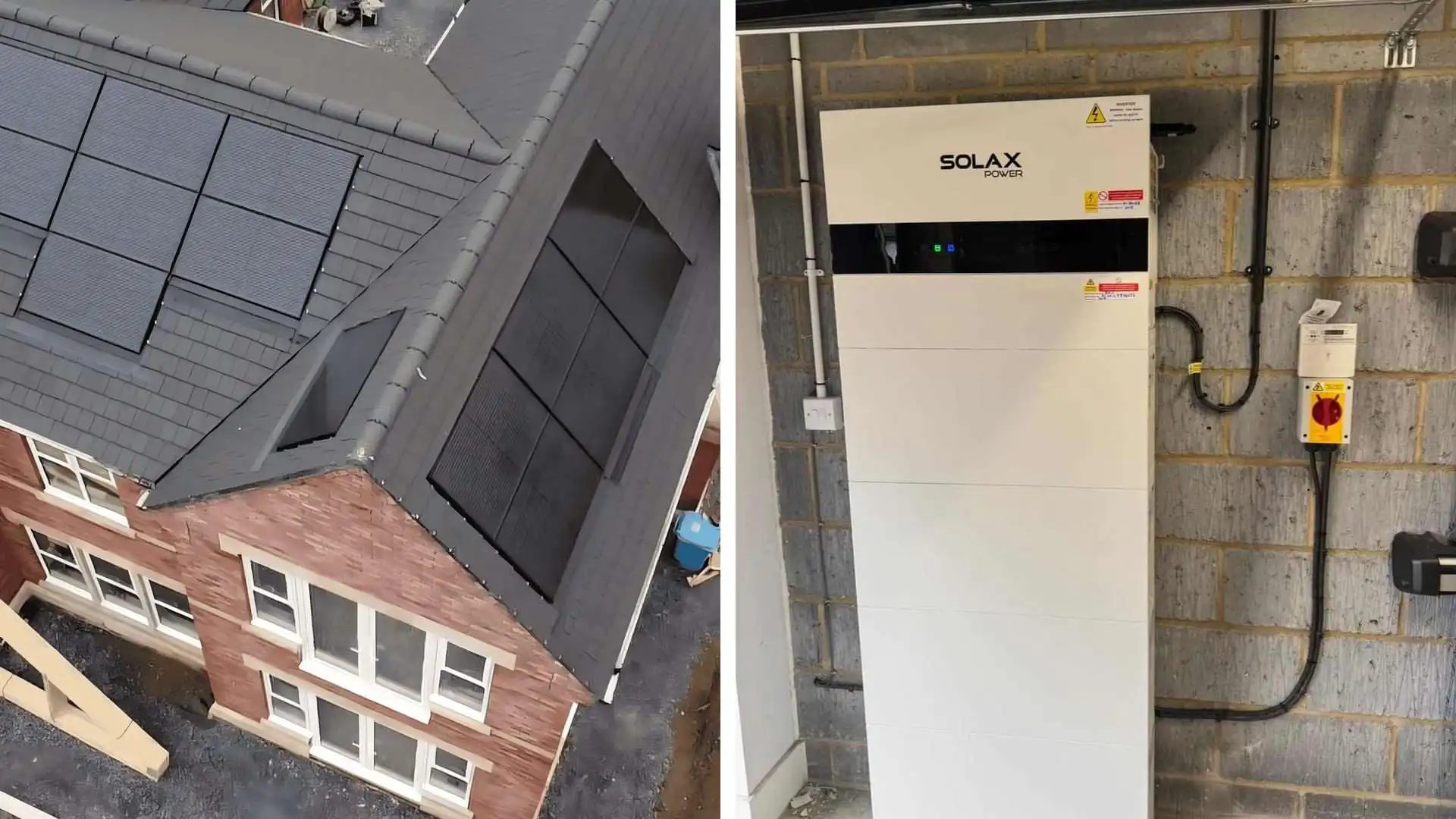
Due south at a pitch of 30 to 40 degrees is the reference case. Everything else is a percentage off it.
An east or west facing plane typically yields 15 to 20 percent less across the year, which does not make it a bad roof. It makes it a roof that needs more panels for the same kWh, and it spreads generation into morning and evening where plenty of households actually use electricity. An array split east and west often self-consumes better than a single south-facing array of the same size. North-facing is a different verdict: roughly 35 to 40 percent below south, and rarely worth the fixing costs unless it is filling out an otherwise sound design.
Roof direction against the reference case
30 to 40 degrees
Due south at this pitch is the reference case
15 to 20 percent less
Typical for an east or west facing plane, across the year
Roughly 35 to 40 percent below
North facing plane, against due south
Pitch shifts the seasonal shape more than the annual total. Shallow pitches favour high summer sun. Steeper pitches catch more of the low winter sun, which matters if the house is electrically heated.
Shading is the variable that punishes guesswork. A single mature oak on a plot boundary in a Sonning or Wargrave garden, a chimney stack on a Reading terrace, a neighbour’s row of conifers: any of them can drag a moving shadow across part of the array for hours. In a conventional string, a shaded panel pulls down the panels wired with it, and bypass diodes limit that damage without removing it. Optimisers or microinverters isolate each panel and recover most of the loss, at a cost. Which route makes sense depends on how much shading there is and when it falls, which is why shading gets modelled at survey against the array position and the sun path, rather than judged by eye from the driveway.
Shading and Pitch Modelled on Your Roof
Both of those variables get modelled against your actual roof planes and the sun path before any panel count is committed to paper.
“Great experience from start to finish. Everything was smooth, Adam was friendly and professional, and the quality exceeded my expectations.”
Meg Hounslow, Google Review
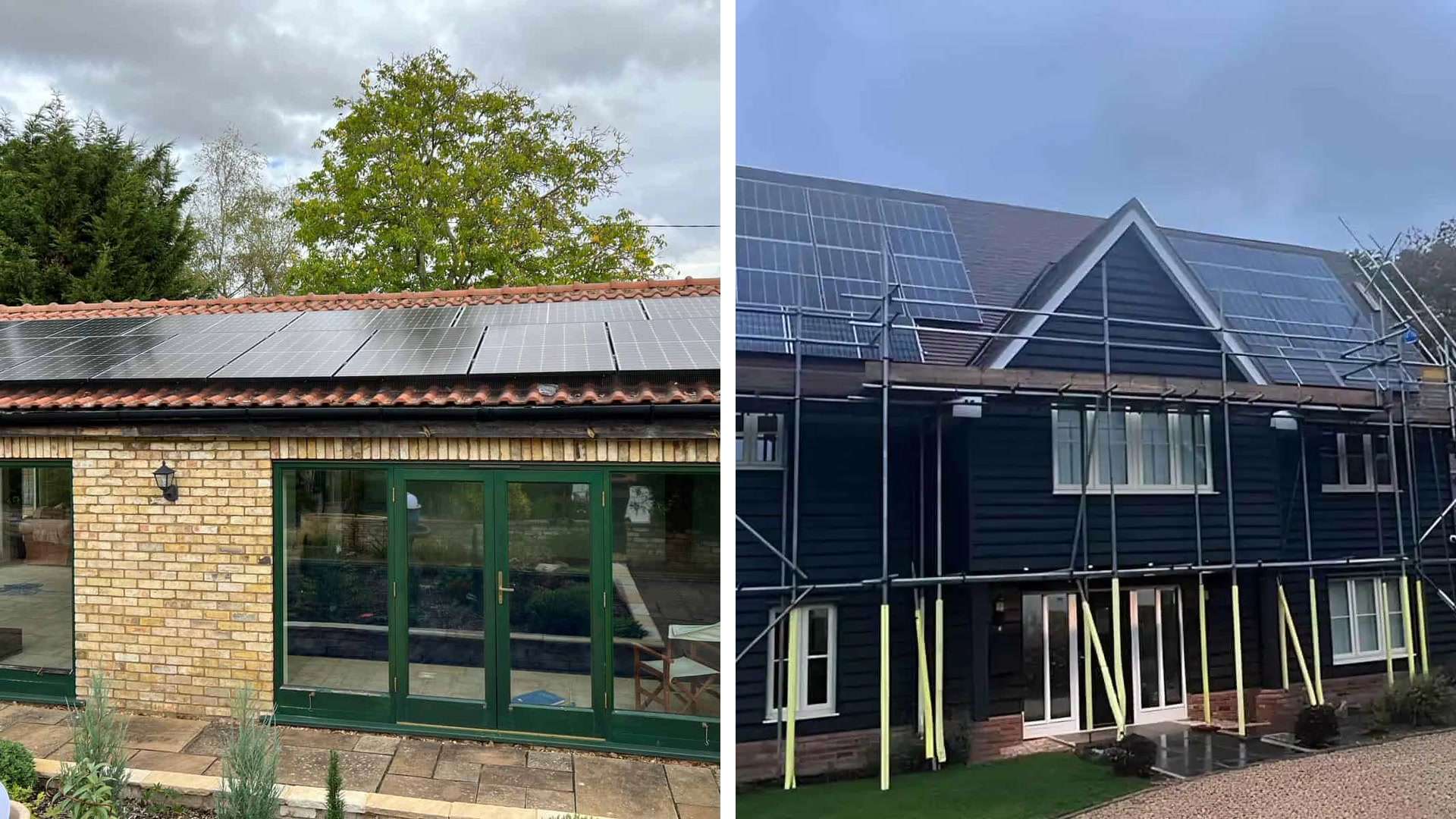
Ask for the roof to be filled and you will get a quote that fills the roof. It is the easiest brief in this industry to satisfy and the hardest to defend, because the value of each additional panel falls as you add them.
The first panels displace electricity you would otherwise have bought. Once the array covers your daytime and shiftable demand, the next panels produce surplus, and surplus leaves the house at a Smart Export Guarantee rate that is a fraction of what you pay to import. The panel still generates. It simply earns considerably less than the one before it. Ofgem sets out how the scheme works, and eligibility depends on the installation being MCS certified, which is one of several reasons certification is not optional. If you want that trade-off expressed as a payback figure rather than a design principle, we worked it through in our honest look at whether solar panels are worth it.
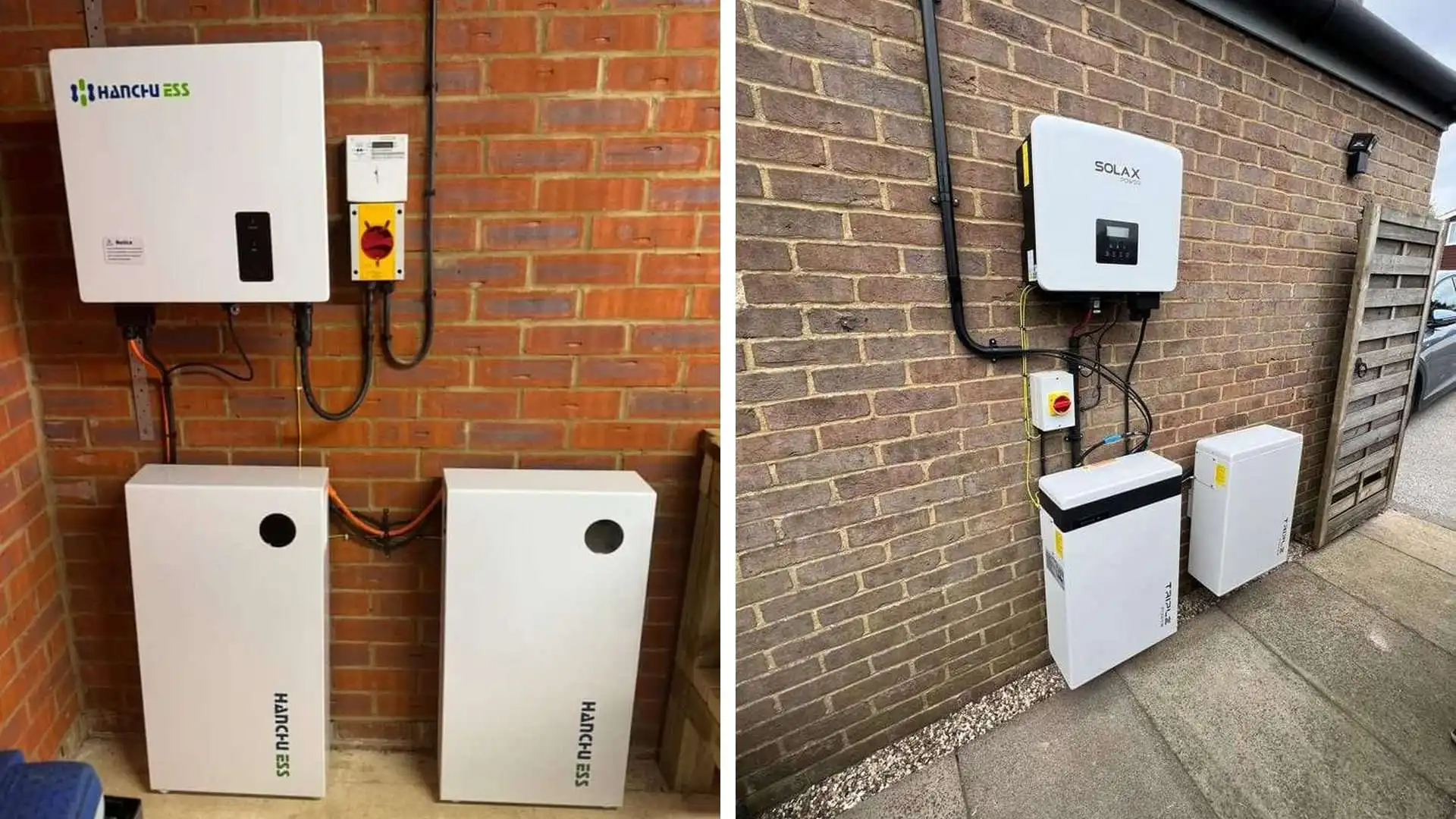
Where a household genuinely has more roof than daytime demand, the better answer is usually storage rather than more generation. A battery raises the share of your own output you consume instead of raising the output itself, and only one part of that decision belongs in a post about panel counts: settling it before the array is designed lets a single inverter be specified for panels and battery together, rather than a second one being added alongside the first later. Everything else about sizing and cost sits on the solar battery installation page. One timing note, since it changes nothing about the panel count but plenty about when work gets booked: qualifying solar and storage installations are zero-rated for VAT until 31 March 2027, whether the battery goes in with the panels or afterwards.
One piece of headroom is worth keeping. Panels degrade slowly, typically holding 85 to 90 percent of their original output at 25 years, around half a percent a year. A design sized with no margin at all is sized for year one only. That is an argument for a sensible allowance, not for eight extra panels.
How Many Panels Your Usage Justifies
If you want the sizing decision argued from your own numbers, including the case for stopping at fewer panels than the roof would take, the Design Pack sets it out in writing.
“Eco Renewables recently installed a heat pump for my customer and aligned it perfectly with my company’s solar PV system… The installation quality was excellent, and my customer is already seeing improved comfort and energy savings.”
Leon Shead, Google Review
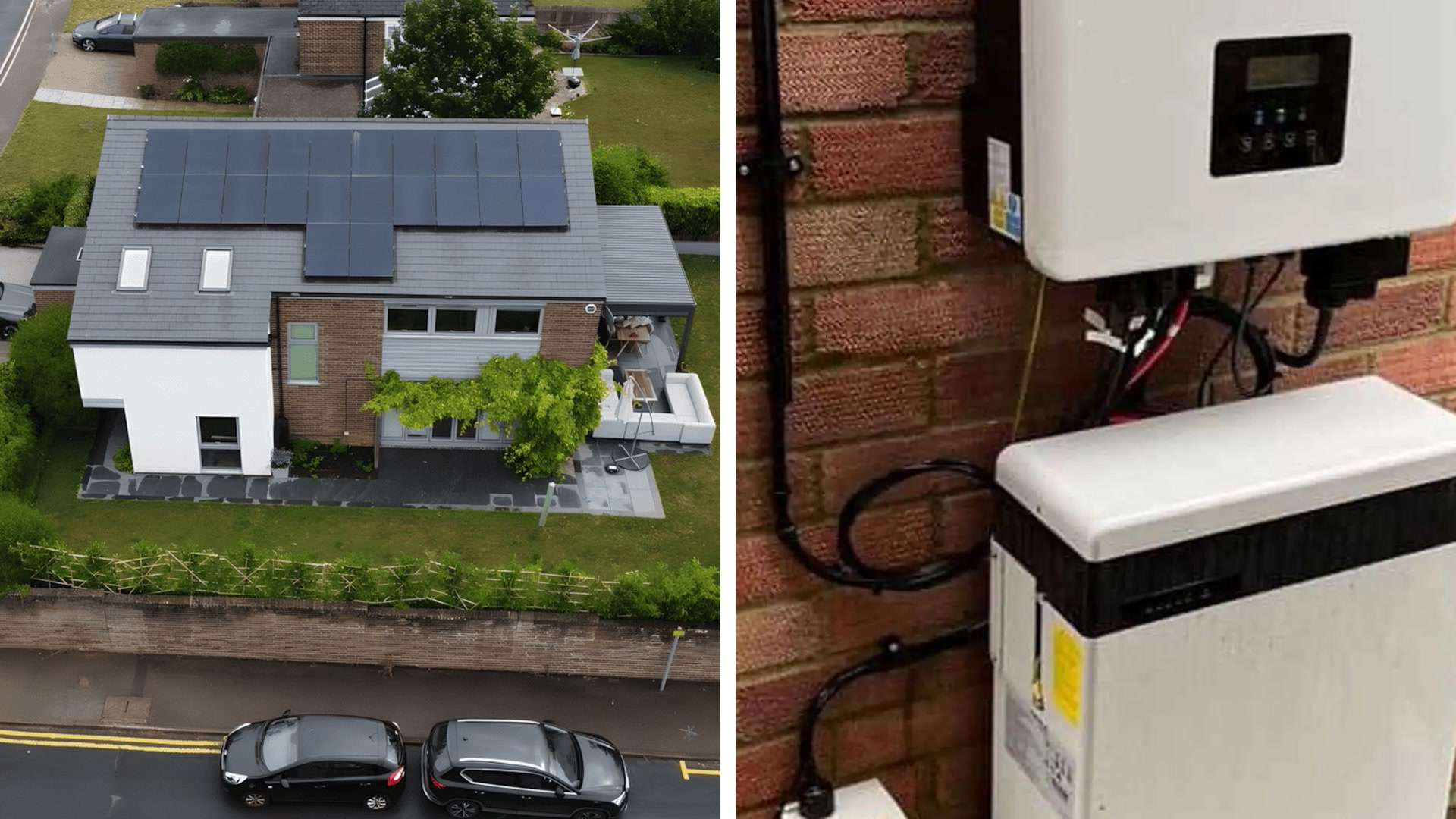
Sizing to today’s consumption is correct only if today’s consumption is where you are staying. Across this part of the country, for a lot of households, it is not.
An air source heat pump adds somewhere around 2,500 to 4,500 kWh a year, depending on the property’s heat loss. An EV covering 8,000 miles a year adds roughly 2,500 kWh including charging losses. Either one changes the sizing conversation. Both together can double a household’s electricity demand, which lifts the ceiling on how many panels stay productive rather than surplus.
The heating caveat has to be said plainly, because the pairing gets oversold. Solar generation is at its lowest in the months a heat pump works hardest. Solar will not run your heating in January. What it does across a full year is offset a meaningful share of total demand, cover hot water for much of the year and take the standby and summer load off the meter. The seasonal detail is in our guide to running a heat pump and solar panels together.
If either is on your five-year list, three decisions belong in the design now rather than in a second project later: leave inverter headroom instead of specifying to the exact array, run the cable routes for storage while the scaffold is up, and choose a hybrid inverter if a battery is coming. None of those add much on day one. All of them cost real money to bolt on afterwards.
Decide these in the design now
Usually 8 to 12 panels, but bedroom count is a poor proxy. A three-bedroom house with an EV and a home office can need more than a five-bedroom house where everyone is out all day. Annual kWh consumption sets the number.
An array can offset most or all of your annual consumption, and 12 to 20 panels achieves that for many South East households. Hour-by-hour independence is a different question: without storage you still import at night and through the winter.
Around 20 m² of panel area, but budget 26 to 30 m² of roof plane. Setbacks from the verges, eaves and ridge, plus vents, dormers and pipework, mean usable area is always less than measured area.
Nine or ten panels at current 440 W ratings. The same 4 kWp needed sixteen panels a decade ago at 250 W, which is why older panel-count advice reads high against today’s arrays.
No panel count covers a heat pump’s winter demand, because generation is lowest exactly when heat demand peaks. Size for annual offset and summer hot water instead, and expect a heat pump to justify several more panels than the same house without one.
Yes. Once the array exceeds your daytime and shiftable demand, additional panels export at a fraction of the import price. Very large arrays also run into inverter clipping and network export limits, which cap what can actually leave the property.
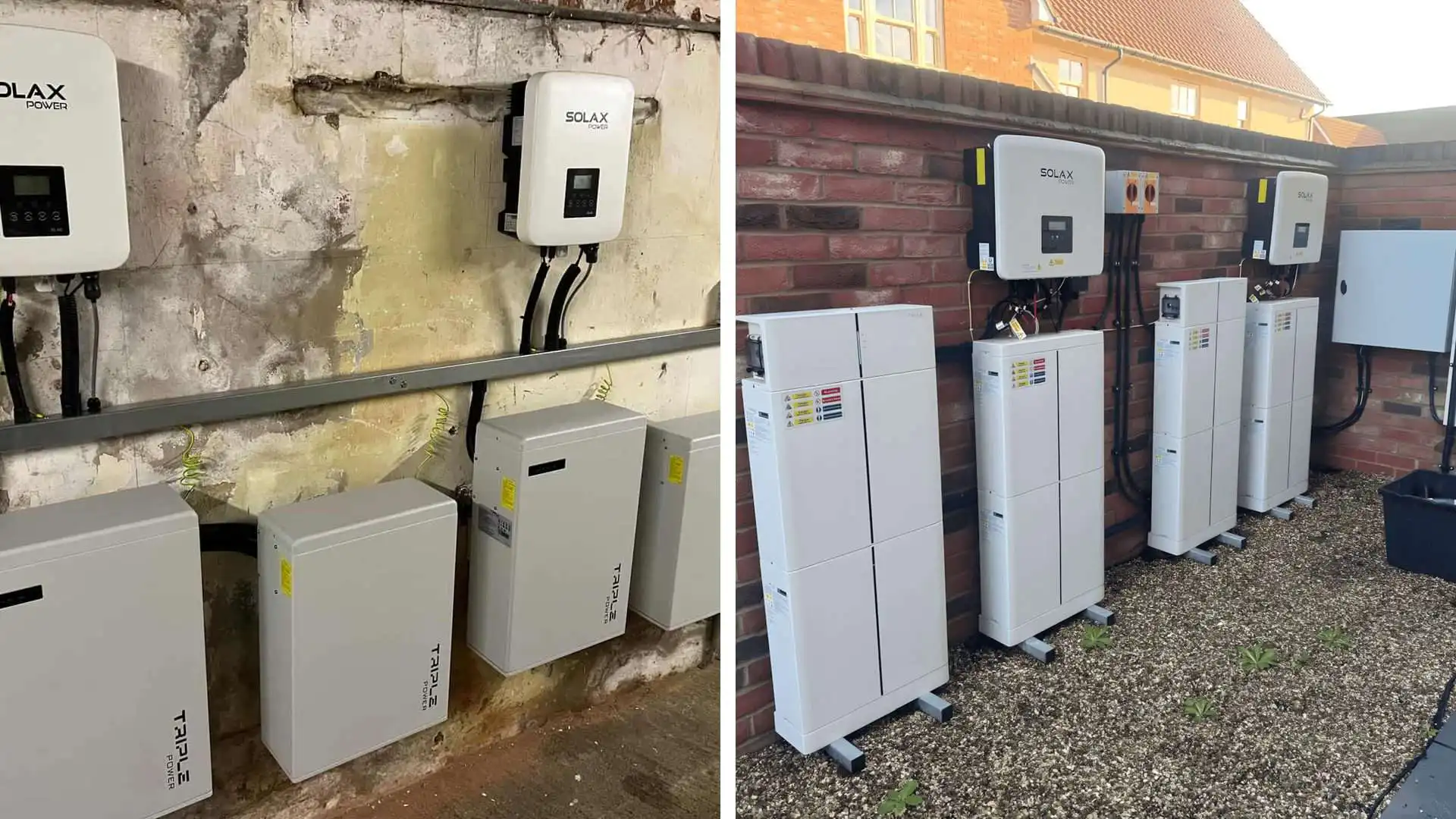
So, how many solar panels do you need? Nobody can tell you from your postcode and a photograph of the roof. They can tell you once they hold your annual consumption, the daylight share of it, a shading model of your actual roof planes and the panel specification they intend to fit. Everything else is a guess with a decimal point on it.
That is what the Solar Design Pack contains: projected generation for your property, the panel count and layout the roof will genuinely take, the self-consumption estimate behind the sizing, and the reasoning written down so you can hold any other quote against it. Including the parts where the answer is fewer panels than you expected.
Prefer to talk it through before anyone visits? Call us now.
More guides from the Eco Renewables blog on the same topic.
24 November 2026
Read the guide
24 November 2026
Read the guide
24 November 2026
Read the guideEco Renewables are trusted by homeowners throughout Berkshire, Surrey, and the South East to provide high-quality solar system installations.
If you're considering a heat pump, the survey is where it starts. We assess the property, run the heat loss calculations, and tell you exactly what the system would look like.
Get My Free Solar Design Pack


