



Solar
What Size Home Battery Do You Need in Berkshire and Surrey?
By Adam Dare
Heat Geek trained installer
Updated 13 November 2026
Reading time
🎉 Named South East Heating Installer of the Year 2026
Home battery storage sizing starts with one figure: the kilowatt-hours your house draws after the panels stop producing and before they pick up again the next morning. For a solar household in Berkshire and Surrey, that evening and overnight block, read from your own meter, sets the capacity. The roof and the array’s rating come after it.
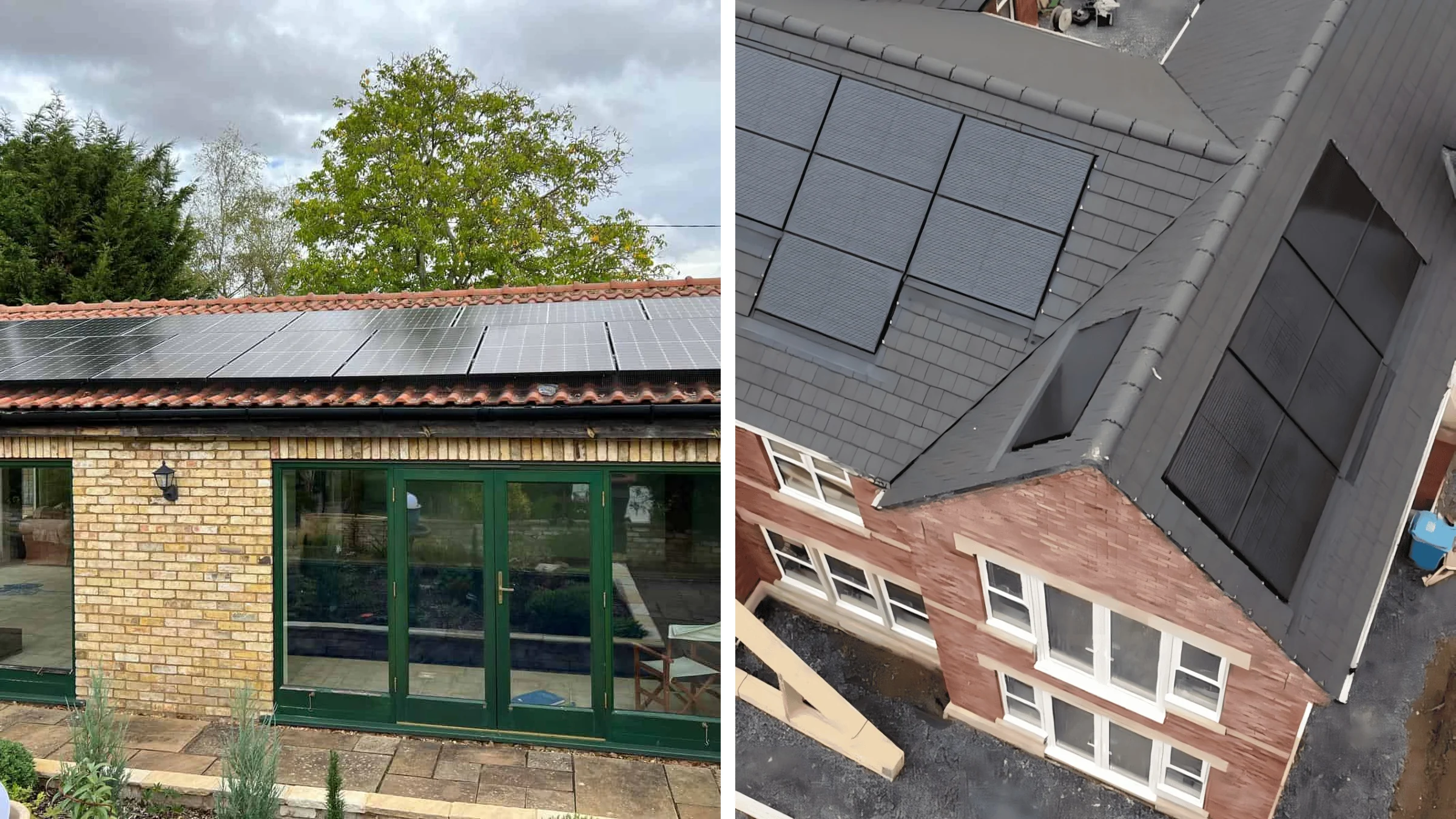
The inputs are public and checkable. Ofgem publishes typical household consumption, and the European Commission’s PVGIS tool models solar output for any UK roof. Your smart meter adds the part neither of them can: every half hour of your own use, winter and summer, which turns the battery size into arithmetic you can check line by line.
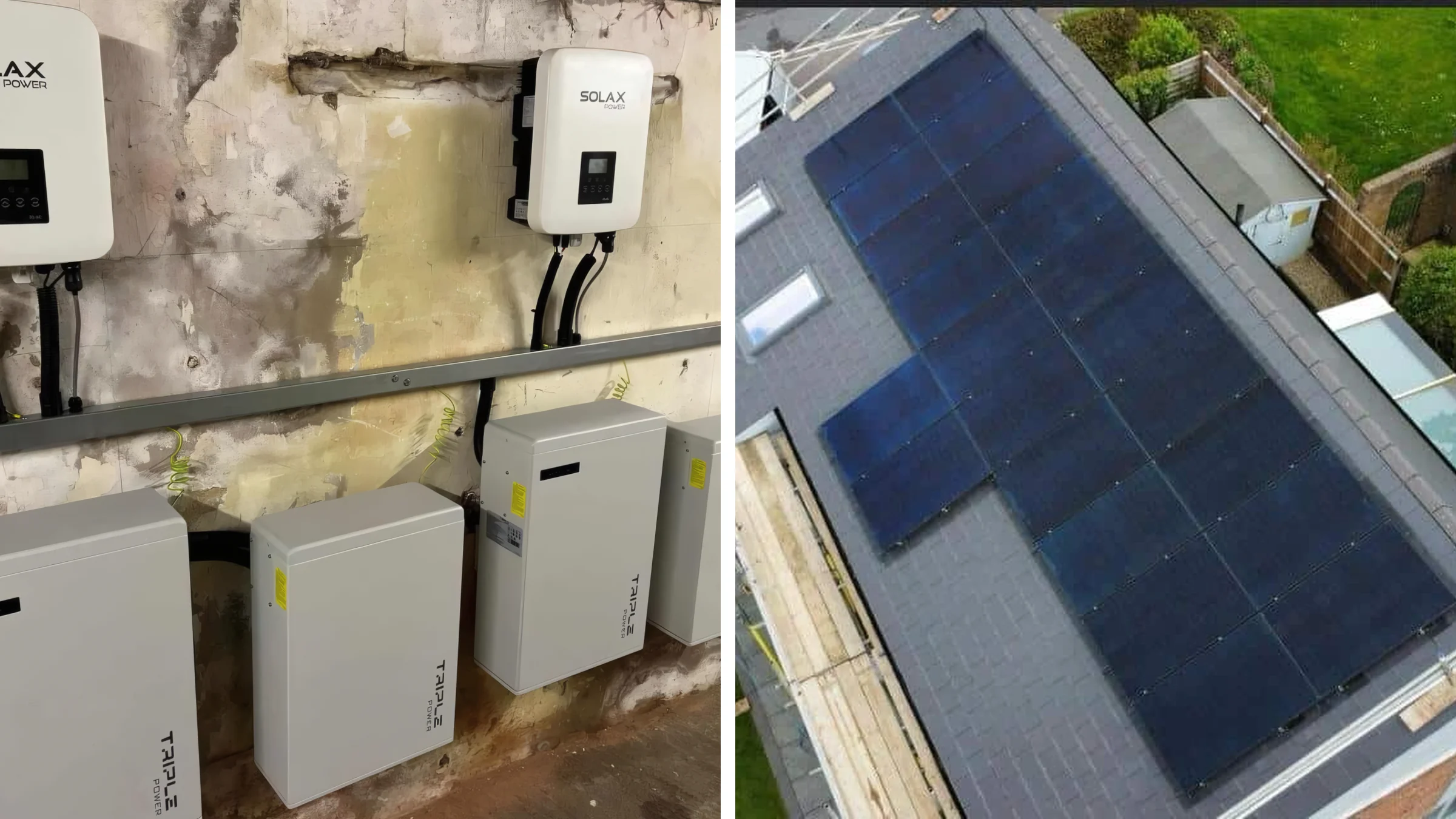
A home battery storage datasheet carries three numbers that decide its size. Nominal capacity, in kWh, is the total the cells hold. Usable capacity is the share the battery management system lets you draw, because lithium cells last longer when the system keeps a reserve at the bottom. Sizing starts from usable capacity, so check which figure a quote puts in its headline.
Power, in kW, is the rate the battery can deliver. A kettle on a 13-amp plug draws up to about 3kW by itself, so a battery rated at 3kW continuous has nothing left for the oven while the kettle boils, and the grid supplies the difference. Capacity decides how far into the evening the battery lasts, and the kW rating limits how many appliances it runs together.
Charge power matters for the same reason in reverse, because it sets how fast the battery refills from the panels or from a cheap overnight window. A sound quote for fitting a home battery states all three figures and matches the charge rate to the source that will do the filling.
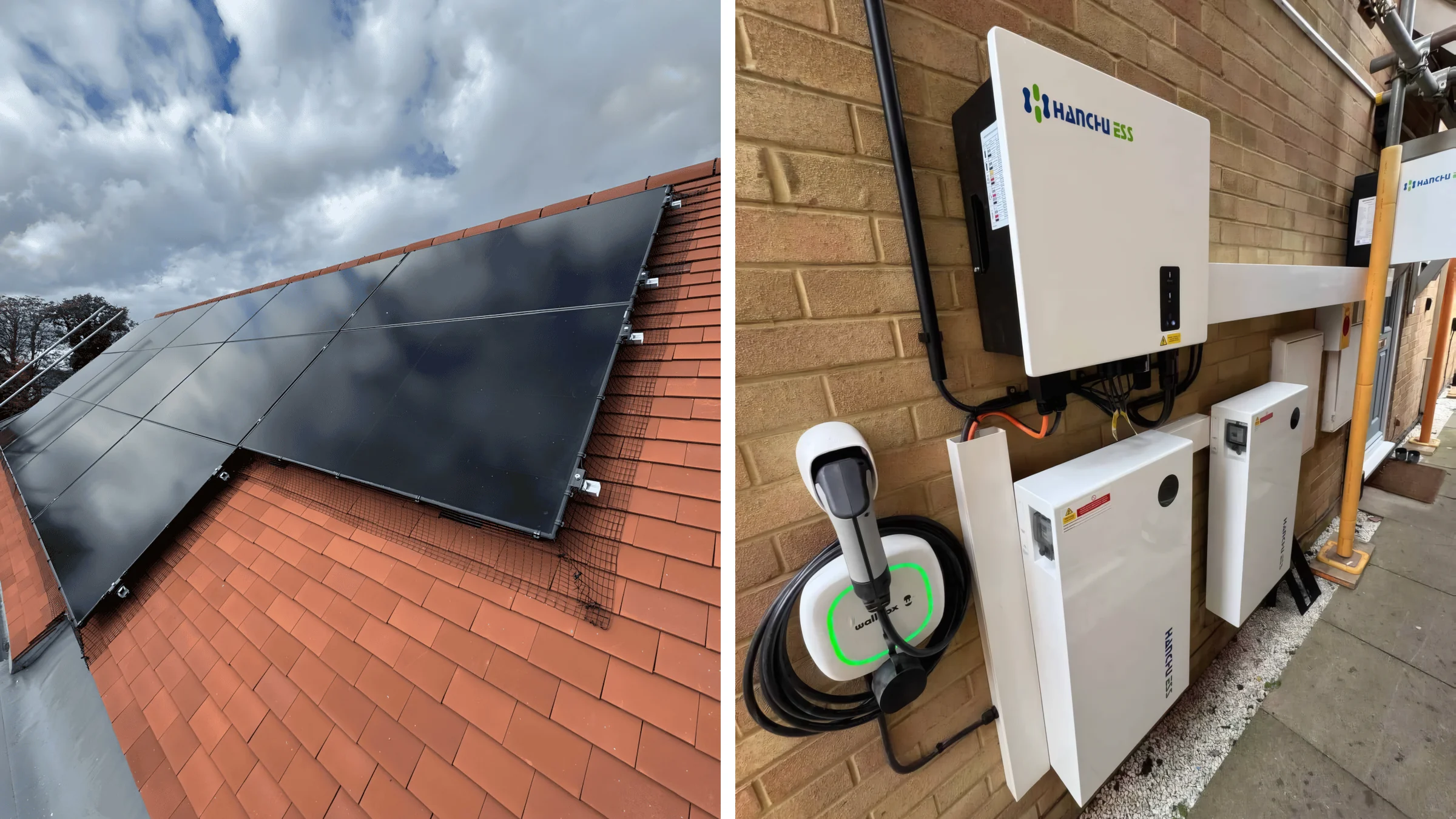
Take a household on 2,500 kWh a year, Ofgem’s medium single-rate figure from 1 July 2026, or 6.8 kWh a day. Assume 40 percent of that runs while the panels generate and 60 percent after they stop, a split suited to a house empty through the working day. Your meter data replaces it. On the roof, a 4kWp south-facing array at 35 degrees near Bracknell, with the monthly shape from PVGIS scaled to the 900 kWh per kWp a year we plan with:
Worked example, kWh a day
Spare solar on an average June day
About 11.8 kWh
Evening and overnight need
4.1 kWh
Spare solar on an average December day
About 1.3 kWh
Ofgem’s medium figure of 2,500 kWh a year, 60 percent used after the panels stop, and a 4kWp south-facing array at 35 degrees near Bracknell.
For this house the solar battery size comes out at about 5 kWh usable: the 4.1 kWh evening need plus headroom for capacity lost with age. After a June day, a 10 kWh unit still holds over half its charge at dawn. Grey January weeks fall below the December average. A survey for solar panel installation in Bracknell replaces the example roof with your pitch, orientation and shading.
Battery Sizing From Your Own Half-Hourly Data
Swap the example’s assumptions for a year of your own half-hourly readings before any battery size goes on a quote, and start with a Design Pack survey of your roof.
“Adam runs an excellent business and I would not hesitate to recommend him to family or friends. He is trustworthy, knowledgeable and reliable in all the work he’s done at our home.”
Emma Hewitt, Google Review
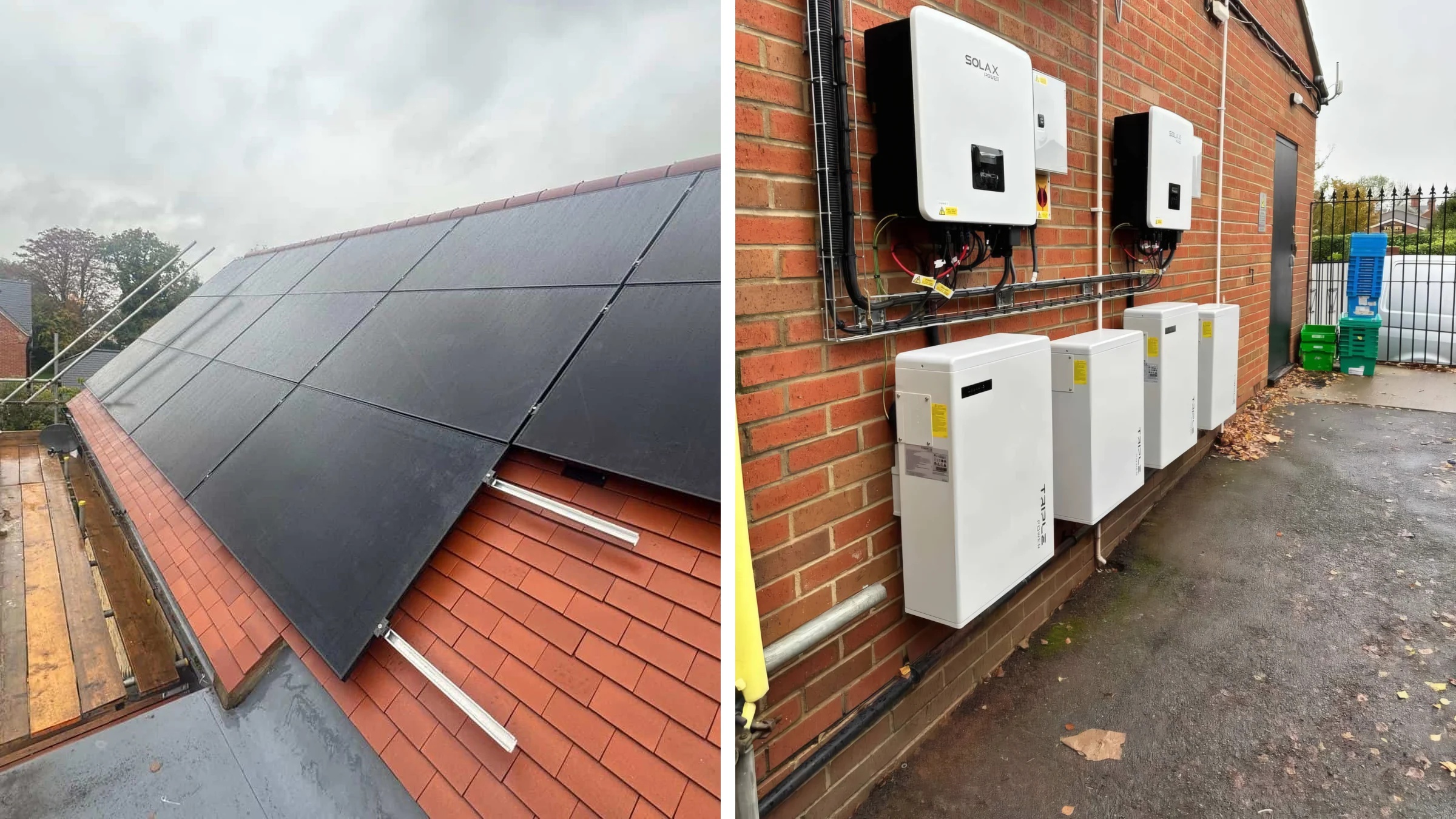
A heat pump replacing a gas boiler puts the biggest load in the house on the meter. Ofgem’s medium gas figure is 9,500 kWh a year; at a seasonal efficiency (SCOP) of 3.5, that heat needs up to about 2,700 kWh of electricity. Household use more than doubles, and the new load falls in months when the array makes a quarter to a third of its June output.
Up to about 2,700 kWh
Electricity a heat pump needs a year to replace Ofgem’s medium gas figure of 9,500 kWh, at a SCOP of 3.5.
Solar cannot fill the battery for winter heating, so a heat pump home sizes storage to the cheap overnight window: charge at the low rate, then run the house through the expensive hours. Battery size for heat pump homes follows the heat loss calculation’s cold-day draw. Heating the cylinder in that window spares the battery. Pairing a heat pump with solar panels explains the seasonal split between them.
Home battery and EV charging pull the sizing the other way. Check the car’s kWh against the battery’s usable kWh: a home battery left to discharge into the car can empty in one session. Charge the car from the cheap window or daytime surplus instead, and let it soak up the long June afternoons. Our guide to charging an EV from your own panels has the detail.
One Survey for Panels, Battery and Heat Pump
Designing the heat pump, the panels and the battery from one survey means the winter load gets counted once, in the right place.
“Eco Renewables recently installed a heat pump for my customer and aligned it perfectly with my company’s solar PV system… The installation quality was excellent, and my customer is already seeing improved comfort and energy savings.”
Leon Shead, Google Review
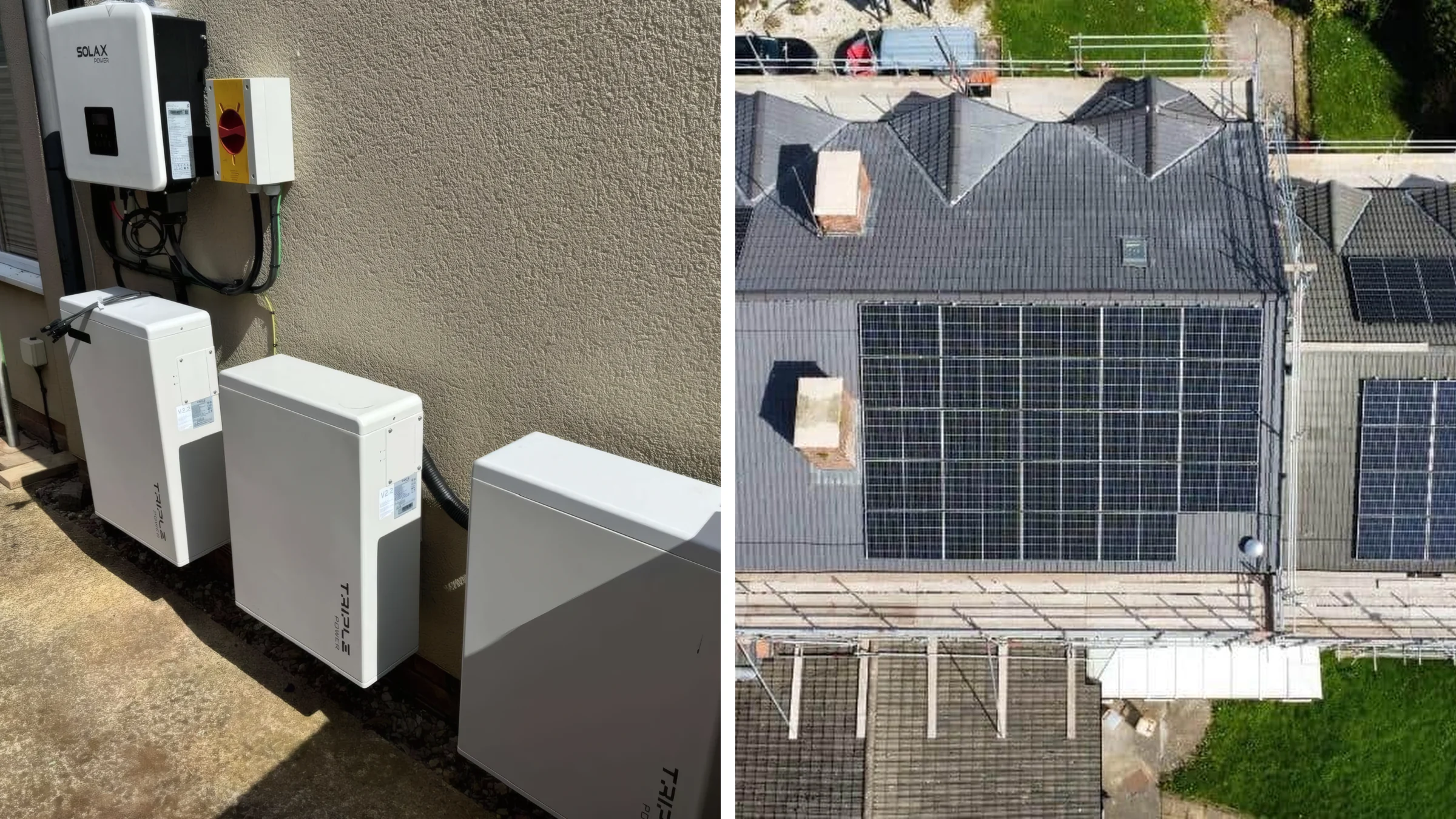
Time-of-use tariffs price a few overnight hours well below the daytime rate. A battery charged in that window and emptied through the evening peak earns in December as well as June, which closes the gap the worked example left open. The sizing question then becomes the kWh your house draws outside the cheap window on the days you want covered, heat pump and all.
Charge power sets the second limit. A battery that charges at 3kW puts no more than 12 kWh in during a four-hour window, before losses, so a large battery on a short window may not fill. Check the window length on your tariff against the charge rate on the datasheet before you settle on capacity.
Suppliers set tariff windows and rates, and they revise them. Size to your load with a margin, and ask any installer whether you can change the battery’s charging schedule yourself when the tariff moves. For sizing, the length of the cheap window is the number that counts.
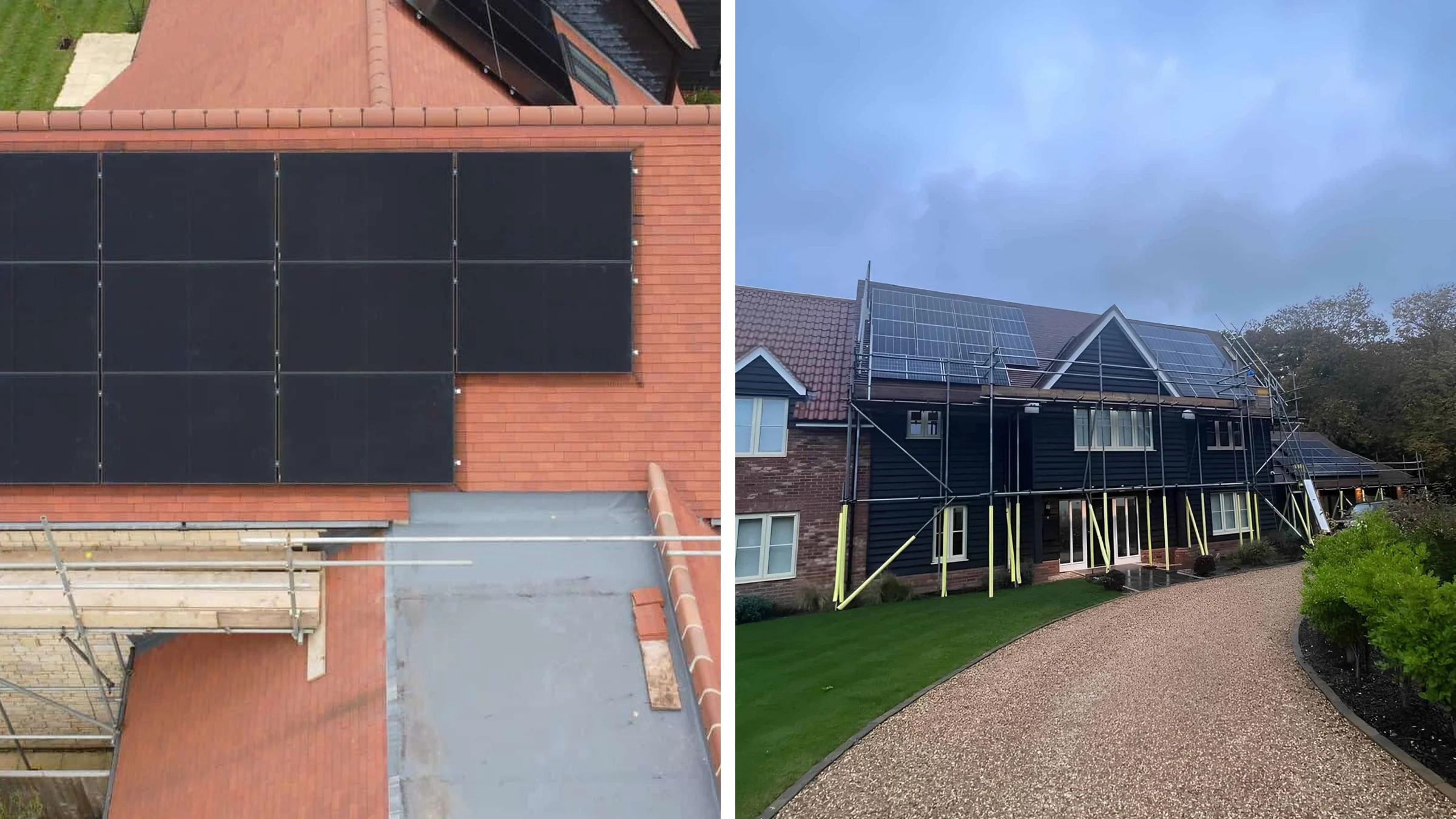
Home battery storage with no panels does one job: it buys electricity in the cheap window and spends it in the peak. That suits a north-facing roof or one under mature trees, a listed building where panels need consent, a heat pump home already on a time-of-use tariff, and a household that wants storage now and panels later.
The case rests on one spread: the gap between the cheap and peak rates on your tariff, less the energy lost charging and discharging. Your supplier sets that spread and can change it. With no roof to top it up for free in summer, the battery earns the same margin in June as in January, and sizing comes down to the peak-hours draw alone.
A standalone home battery has qualified for 0% VAT since 1 February 2024, and the zero rate runs to 31 March 2027 under HMRC’s VAT notice 708/6. If panels may follow, the inverter you choose on day one decides how easy that addition will be, a hardware question to settle before the battery goes on the wall.
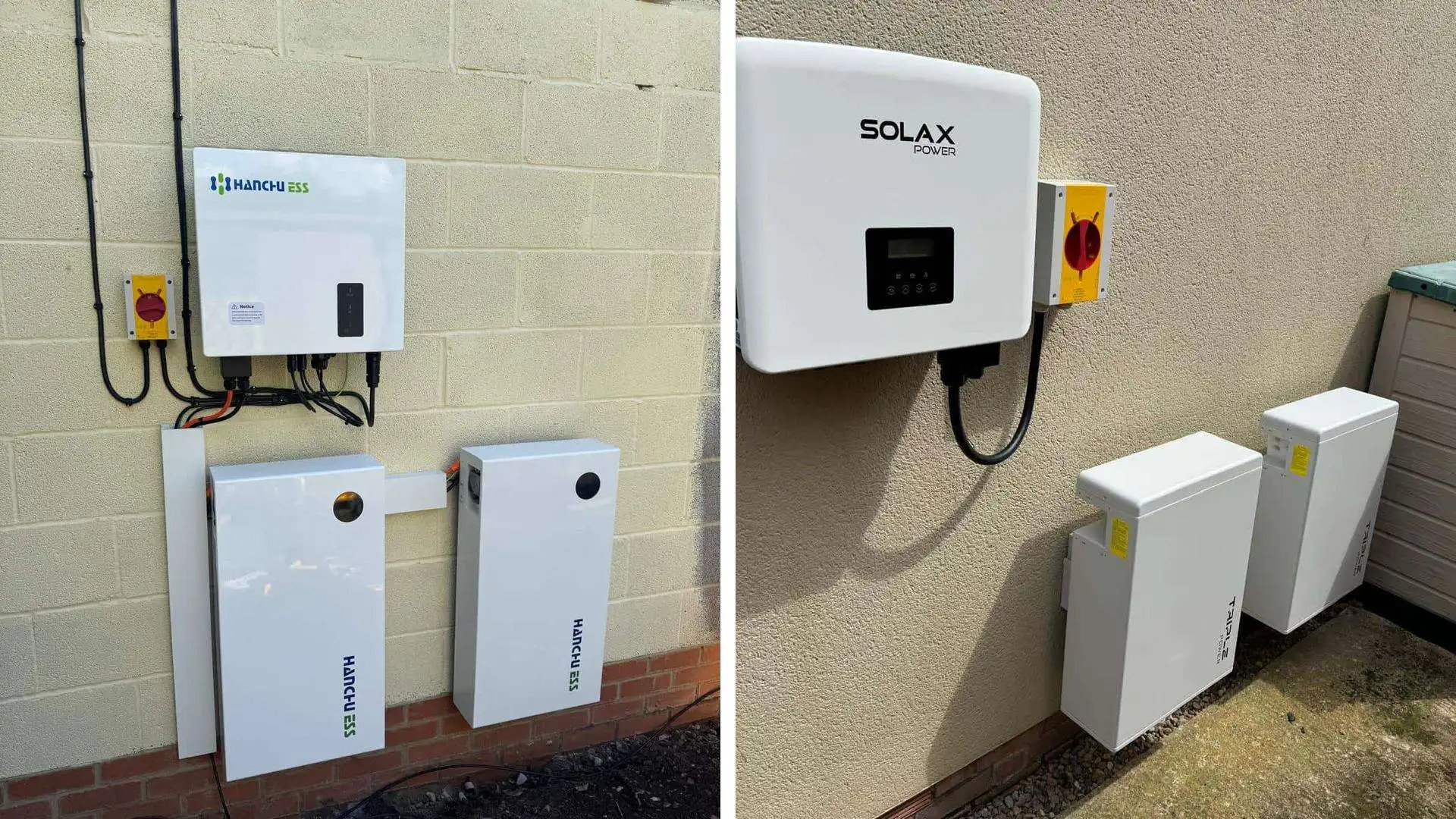
Capacity that sits unused earns nothing. These are the usual routes to an oversized solar battery:
Payback on a battery sized to the house is a separate calculation, set out in our look at whether solar battery storage is worth it. Run it after sizing, because payback maths built on an oversized battery starts from capacity that stays idle.
Test Two Battery Quotes Against a Third
Two home battery storage quotes several kWh apart disagree on the inputs, and a Design Pack survey gives you a third set of numbers to test both against.
“Great experience from start to finish. Everything was smooth, Adam was friendly and professional, and the quality exceeded my expectations.”
Meg Hounslow, Google Review
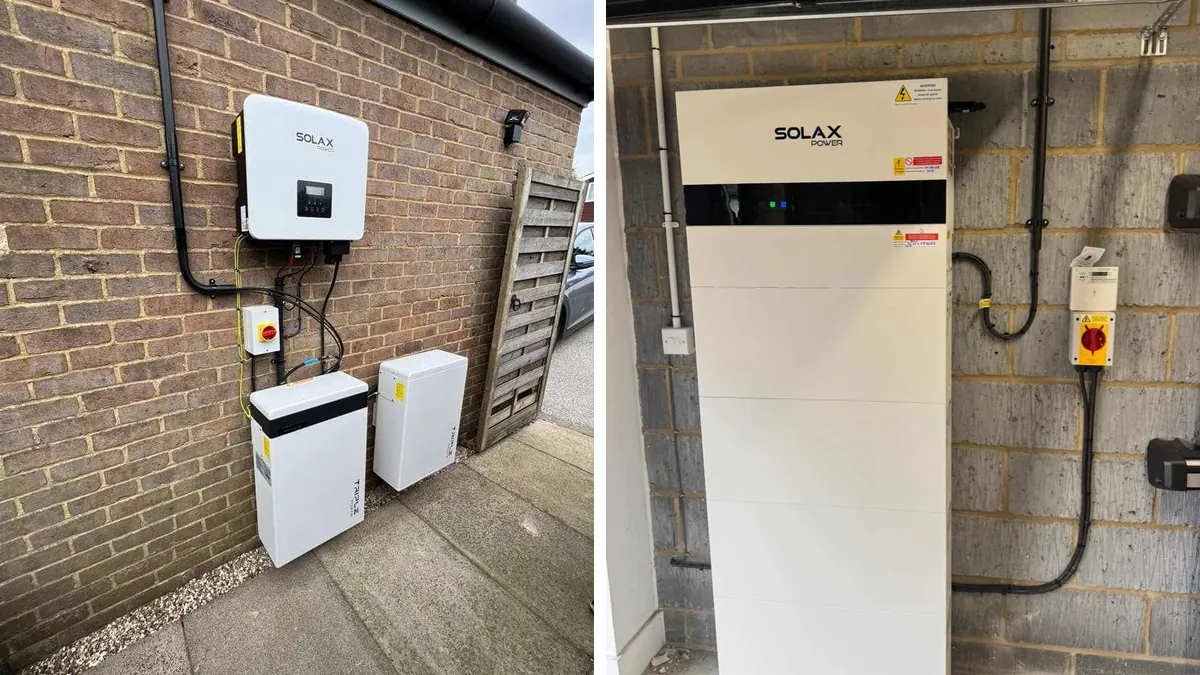
Size it to the usable kWh your home draws between the panels stopping and starting again. On Ofgem’s 2,500 kWh medium profile, with 60 percent of use after the panels stop, that comes to about 4.1 kWh a day, and a 5 kWh usable battery covers it with headroom for ageing.
kWh is capacity, the energy the battery holds. kW is power, the rate it can deliver at any moment. A battery with plenty of kWh and a low kW rating still hands part of a busy evening back to the grid.
For a household on Ofgem’s medium profile charging from solar alone, it is larger than the evening need in our worked example, and in summer part of it would sit full at dawn. A heat pump home charging overnight on a time-of-use tariff can put that capacity to work.
Yes. A standalone battery charges in a cheap overnight tariff window and covers the peak hours. Its return depends on the gap between cheap and peak rates, which your supplier sets, and it qualifies for 0% VAT until 31 March 2027.
Yes. For a Berkshire and Surrey home switching from gas on Ofgem’s medium profile, a heat pump adds up to about 2,700 kWh of electricity a year, the bulk of it in winter. Size the battery to the cold-day draw from the heat loss calculation and charge it overnight.
Yes. Batteries installed in homes have carried 0% VAT since 1 February 2024, standalone or added to existing panels. The zero rate runs to 31 March 2027, and HMRC’s notice 708/6 sets the rate at 5% from 1 April 2027.
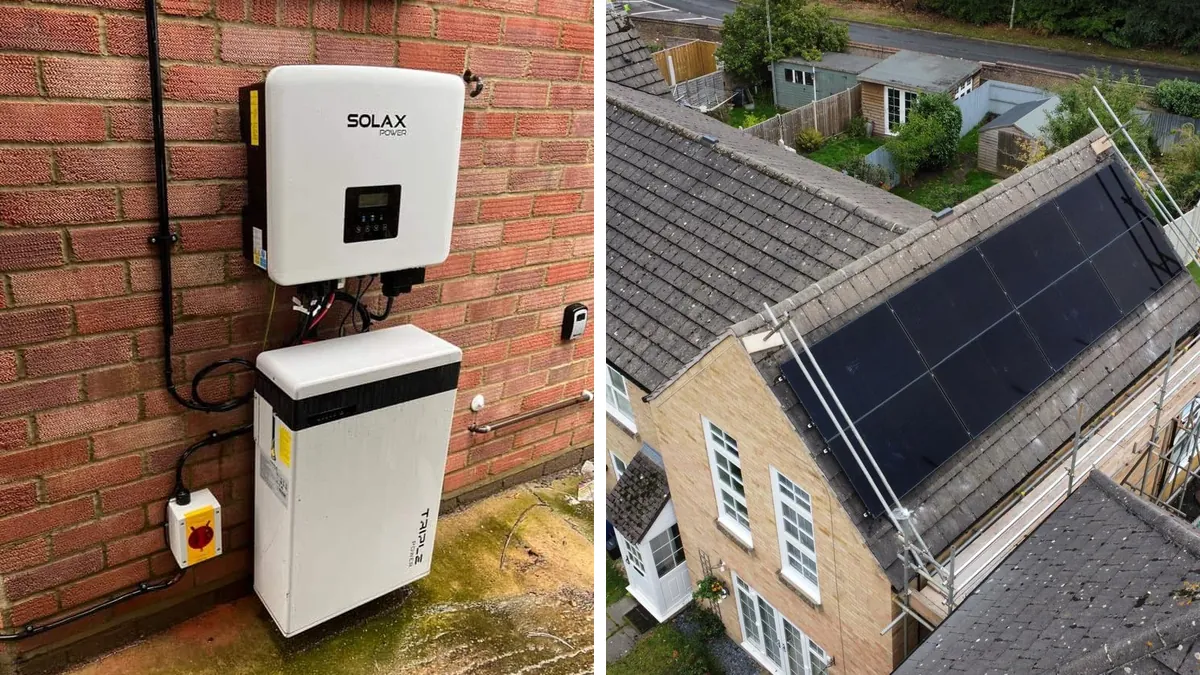
A battery size worth trusting comes from your half-hourly consumption and a survey of your roof. A good sizing names the usable kWh and the power rating, and says when your load is too low to justify storage yet. If a heat pump or an EV is on the way, that load belongs in the same calculation, so raise it at the Solar Design Pack survey.
More guides from the Eco Renewables blog on the same topic.
24 November 2026
Read the guide
24 November 2026
Read the guide
24 November 2026
Read the guideEco Renewables are trusted by homeowners throughout Berkshire, Surrey, and the South East to provide high-quality solar system installations.
If you're considering a heat pump, the survey is where it starts. We assess the property, run the heat loss calculations, and tell you exactly what the system would look like.
Get My Free Solar Design Pack


