



Solar
Solar Panel Maintenance for Berkshire and Surrey Homes
By Adam Dare
Heat Geek trained installer
Updated 13 November 2026
Reading time
🎉 Named South East Heating Installer of the Year 2026
Once a solar installation is on the roof of a Berkshire or Surrey property, from Bracknell to Woking, there’s almost no physical work left to do. Rain clears the dust that would dent output, and a well-designed array keeps generating for 25 years. Solar panel maintenance means checking the system performs as designed, and that’s what the monitoring app shows you.
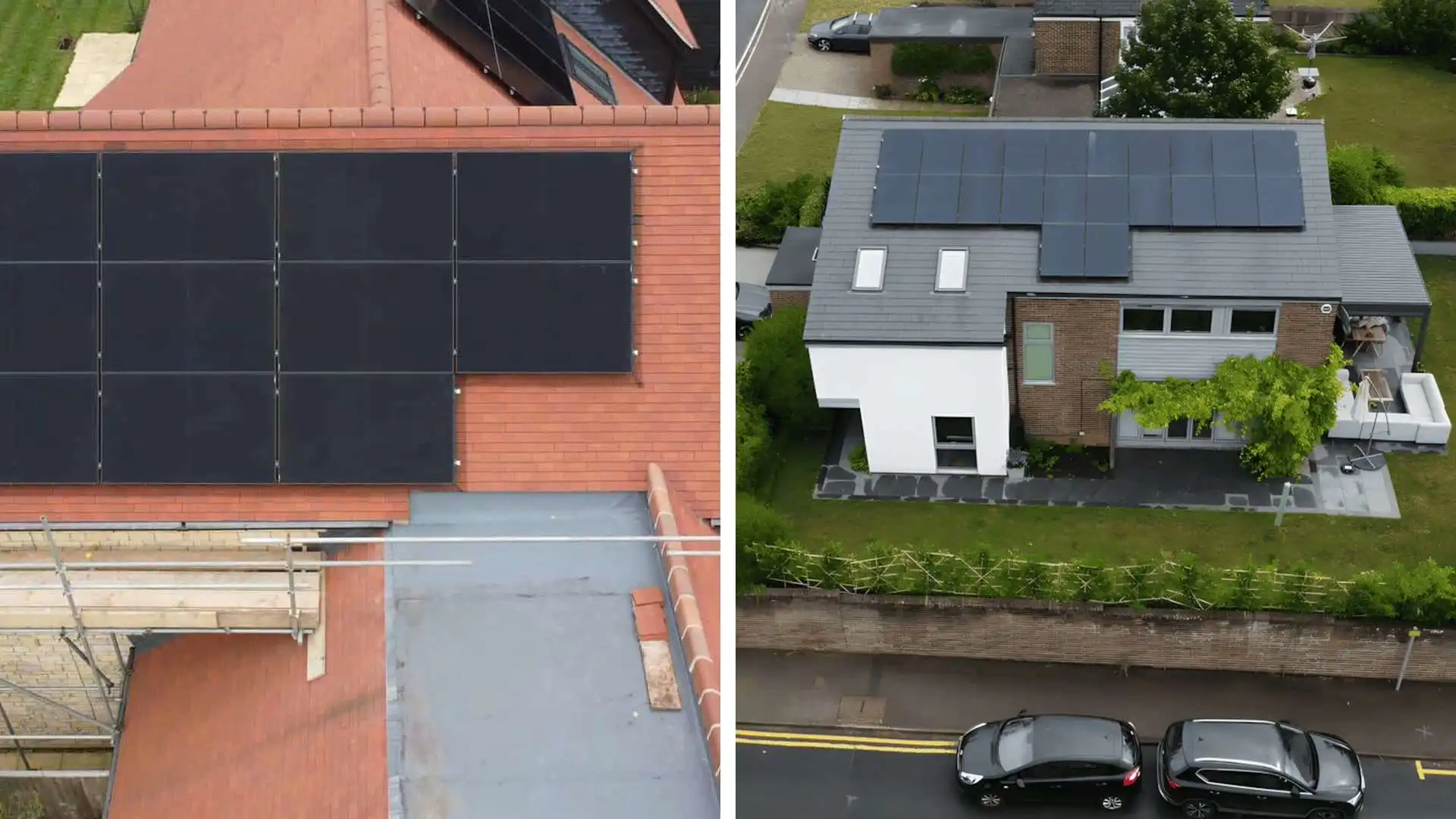
Solar panel maintenance is an ownership habit, and the answer to how to maintain solar panels UK homeowners already own comes down to five minutes a month with the monitoring app: nothing physical from the array most years, a replacement window on the inverter around year 10 to 15, and a battery charge schedule worth resetting whenever your tariff changes.
UK rainfall keeps a pitched array clear without help for most of the year. A pitch between roughly 10 and 40 degrees, which covers most of the roofs the solar PV systems we design go onto across Berkshire and Surrey, sheds dust and road grime through an ordinary wet season with no input from the homeowner.
Manual cleaning earns its cost in three situations: a roof pitch under about 10 degrees, where water doesn’t run off fast enough to self-clean; a heavy pollen season near mature trees, which leaves a film ordinary rain takes weeks to clear; and consistent bird activity, which mixes grime with something rain can’t dissolve alone.
A specialist clean costs more than a routine wash-down and is priced per job, so it’s worth checking whether one of those three exceptions applies first.
A dusty array loses a few percentage points of output at most, and a normal wet month closes most of that gap on its own. If you’re unsure which exception applies to your roof, the monitoring app settles it.
Solar PV systems installed today ship with a monitoring app, and reading it is how you catch an underperforming array long before a bill or a cold winter does. Opening it once a month takes under a minute.
The app tracks two numbers: generation, what the panels produced, and export, the share you didn’t use and sent back to the grid. Export earns a rate under the Smart Export Guarantee, the scheme Ofgem oversees, and your supplier pays that rate for every unit sent back, well below what you save using the same unit yourself.
Watched across a season, generation tells you whether the system performs against what was modelled at design stage, and export tells you how much of it you keep.
Our guide to what exported units pay sets out how those tariffs compare, so you can put a value on the export figure your app shows.
A fault rarely arrives as an obvious failure. It shows up as a slow drift: this month’s generation sitting below the same month last year, with no new shading to explain it. That drift is visible in the app weeks before it shows on a bill.
A Benchmark for Your Monitoring App
A Solar Design Pack shows what your system should generate before it’s even installed, so you know what normal looks like from month one.
“You rarely meet people who are so knowledgable and passionate about their trade – but this guy genuinely is. Very responsive and trustworthy. We have been customers of Adam for over 5 years and he has never failed us yet!”
Adam Hewitt, Google Review
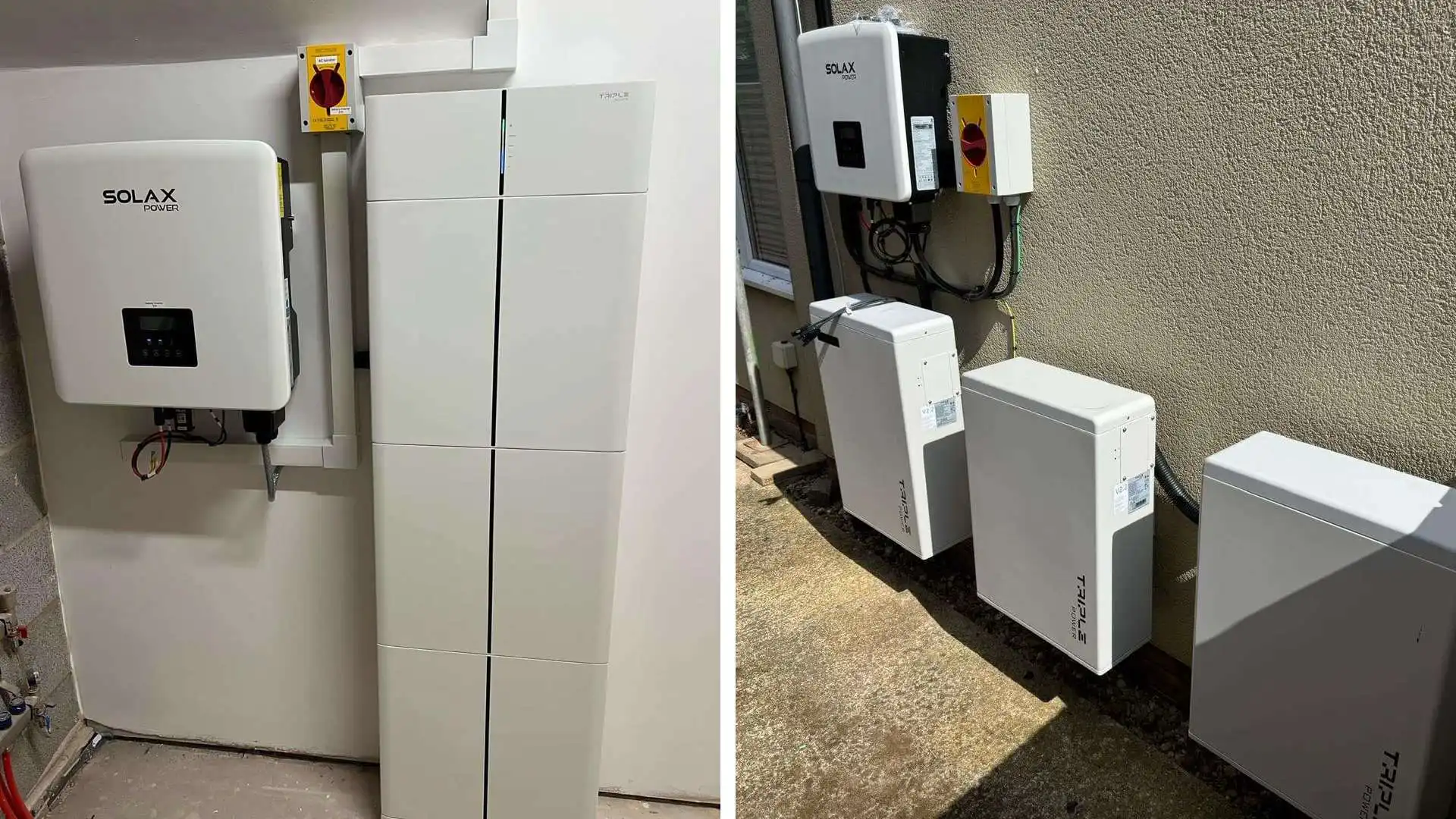
Panels are the part everyone asks about, but the inverter is the part that wears out. The solar panel degradation rate is gradual: panels hold onto 85 to 90 percent of their original output after 25 years. Inverters run a different clock, needing replacement after 10 to 15 years.
A failing inverter shows warning signs on the monitoring app before it fails outright: intermittent drops to zero generation on a clear day, error codes that clear and reappear, or output that plateaus below what a cloudless day should produce.
Each of those is a warning rather than an emergency. The system keeps generating while you arrange the swap, and catching the sign early means the inverter gets replaced on a date you choose instead of after weeks of lost generation and export income. A replacement runs £800 to £1,500 fitted, a known, budgetable part of owning the system.
Panels against the inverter
85 to 90 percent
Of original panel output kept after 25 years
10 to 15 years
Before an inverter needs replacing
£800 to £1,500
Inverter replacement, fitted
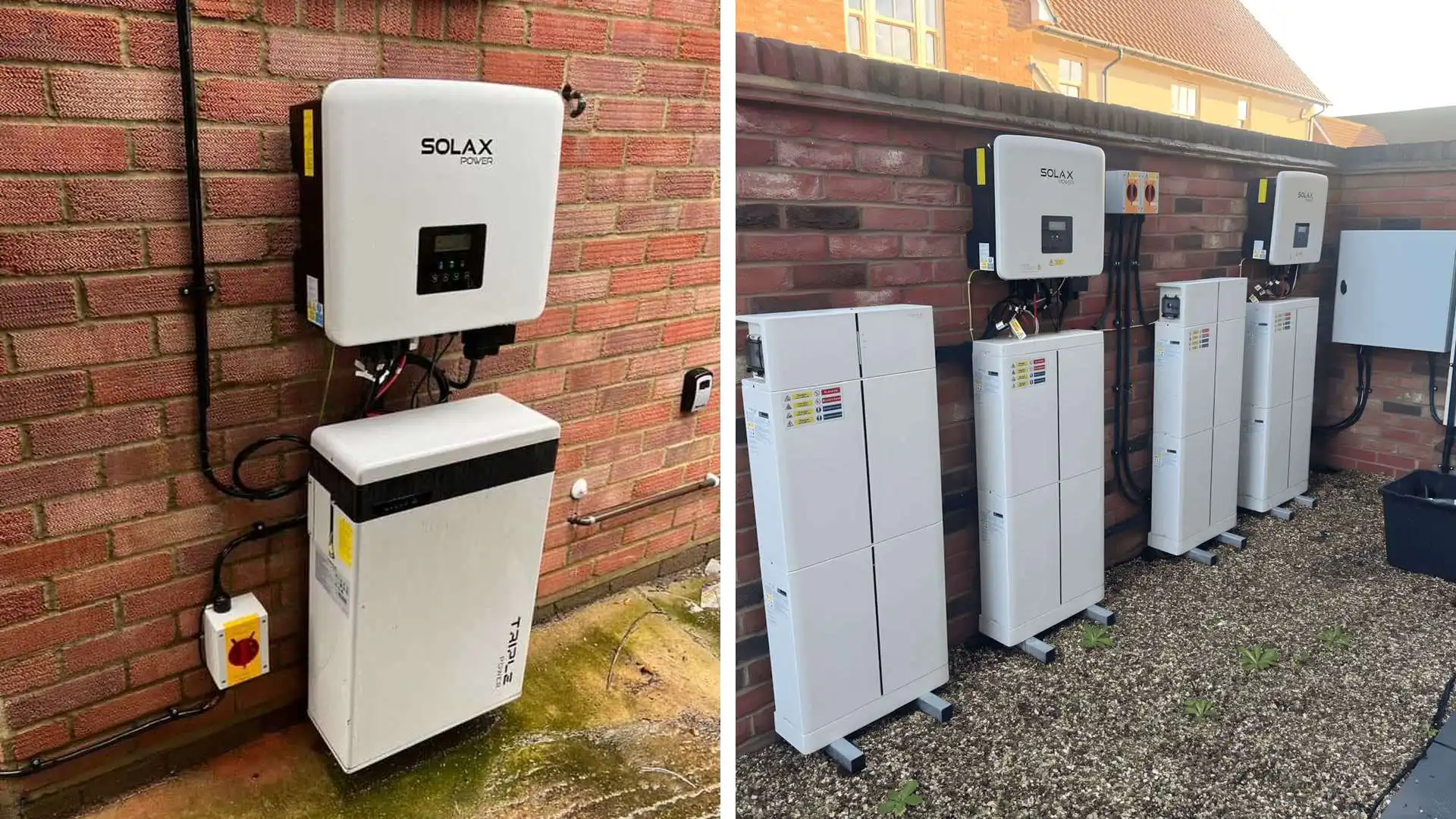
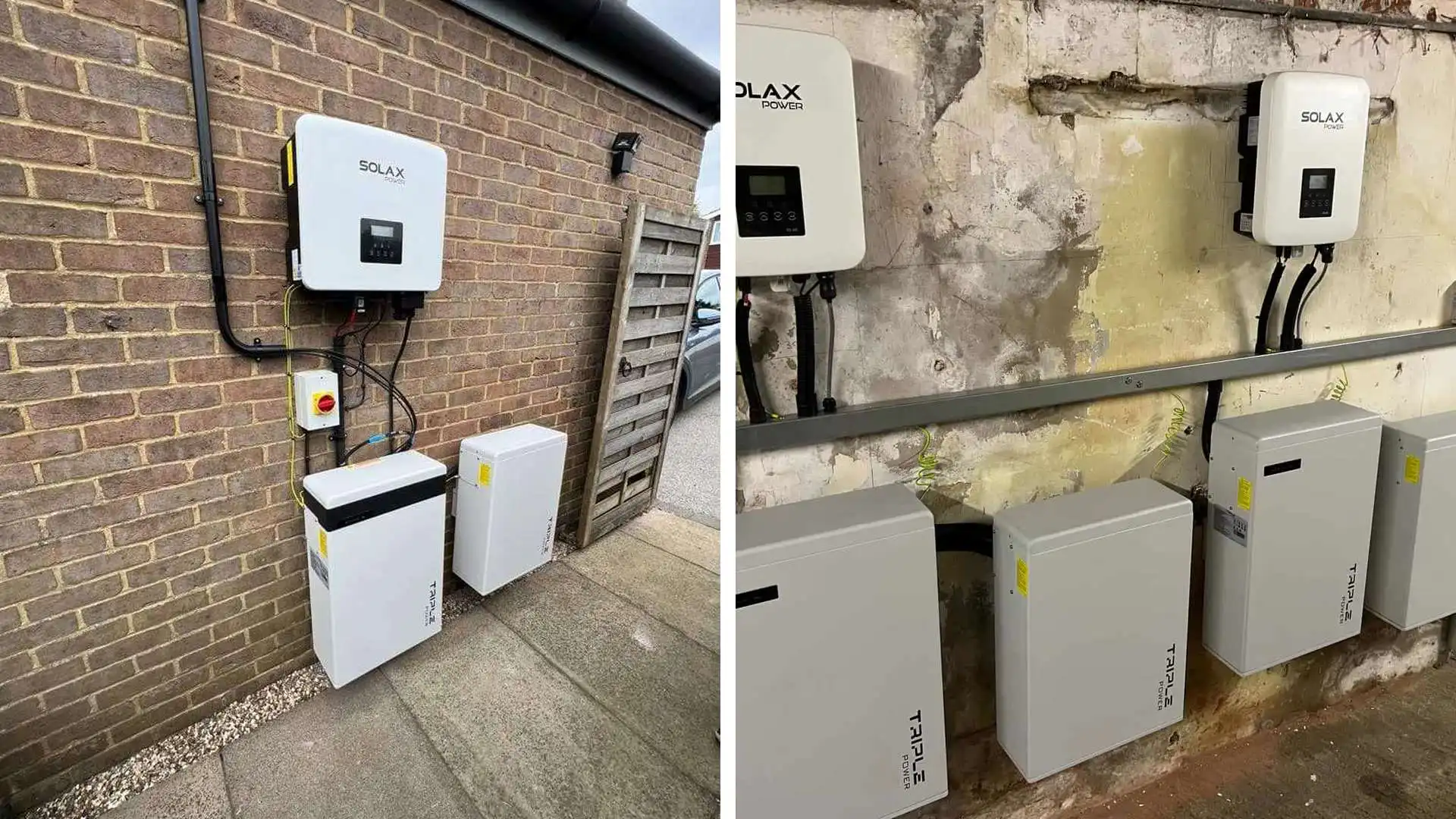
A battery does one job: it stores daytime surplus and releases it into the evening, when a household uses most of its electricity. Factory settings handle that adequately, but a deliberate charge schedule gets more out of the same hardware.
The gain comes from pairing the battery with a time-of-use tariff. In winter, when generation is thin, a battery topped up overnight on a cheap off-peak rate and discharged the following evening adds savings on top of what it delivers in summer.
In summer, the same battery should prioritise your own daytime surplus over grid charging, since that surplus is free and the grid rate isn’t. Charging from the grid out of habit costs you a chunk of the saving the battery was bought to deliver.
Spend five minutes in the app whenever your tariff changes, so the charge schedule keeps tracking the rates you pay now. Our page on choosing the right battery capacity covers how that gets decided if you’re pricing one.
Match the Charge Schedule to Your Tariff
Set the charge schedule against your own tariff at design stage and the battery earns its keep from the first winter, which is what the Solar Design Pack works out for you.
“Their team were professional, knowledgeable, and communicated clearly throughout. The installation quality was excellent, and my customer is already seeing improved comfort and energy savings.”
Leon Shead, Google Review
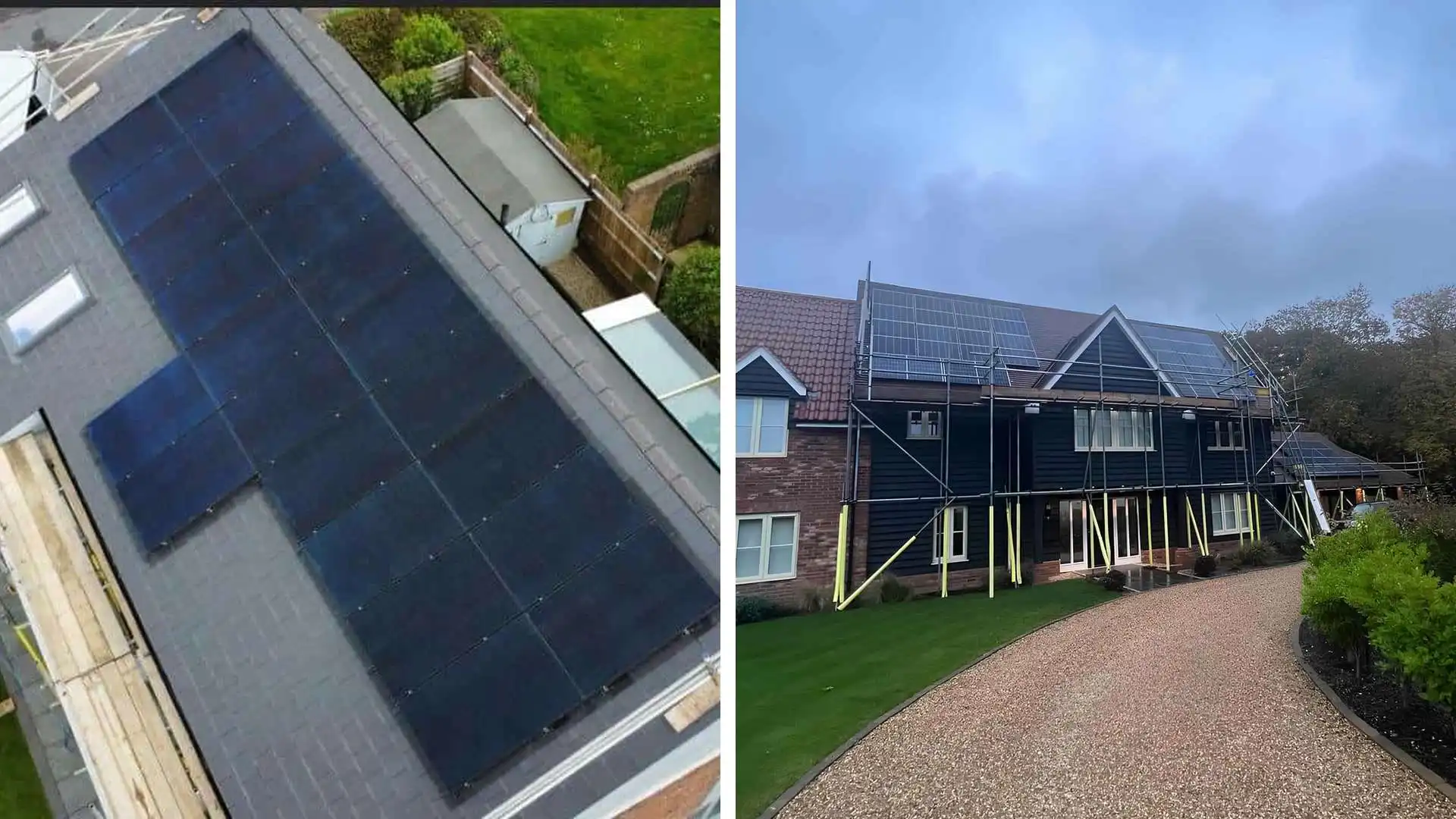
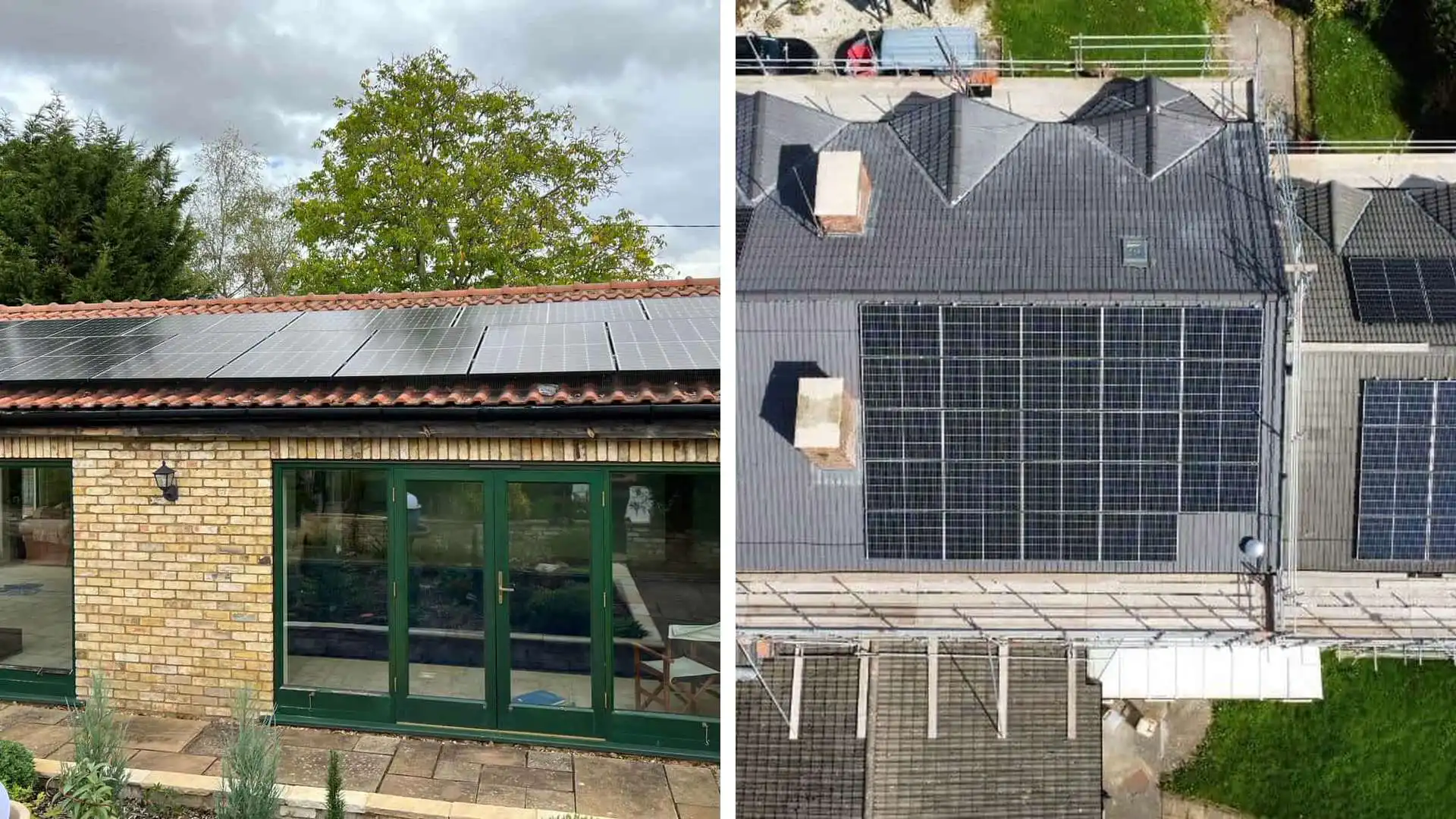
Solar generation swings hard through the year by design: an array here produces a fraction of its June output in December, purely from day length and sun angle. The meaningful comparison is this month against the same month last year.
Two things change a property’s shading profile without anyone touching the panels: a tree grown several metres since installation, and a neighbour’s extension casting a new shadow across the array. Both show up as a slow decline across a season.
Mature tree cover around towns like Farnham is what a shading survey before a solar install accounts for, and it’s the first thing worth checking if output has been quietly sliding.
You can tell a sudden drop apart at a glance: generation falls to near zero on a clear day, or one section of the array reports nothing while the rest performs normally. That points to a single panel, an optimiser or a connection that has failed.
That’s worth acting on the same week you spot it: panels, optimisers and inverters carry manufacturer warranties, and the contact for each is in your handover pack. A screenshot of what the app shows gives them a first read.
New shading shows up this way: a tree grown several metres since installation, or a neighbour’s extension casting a new shadow. Compare this month against the same month last year.
Generation falls to near zero on a clear day, or one section of the array reports nothing. That points to a single panel, an optimiser or a connection that has failed.
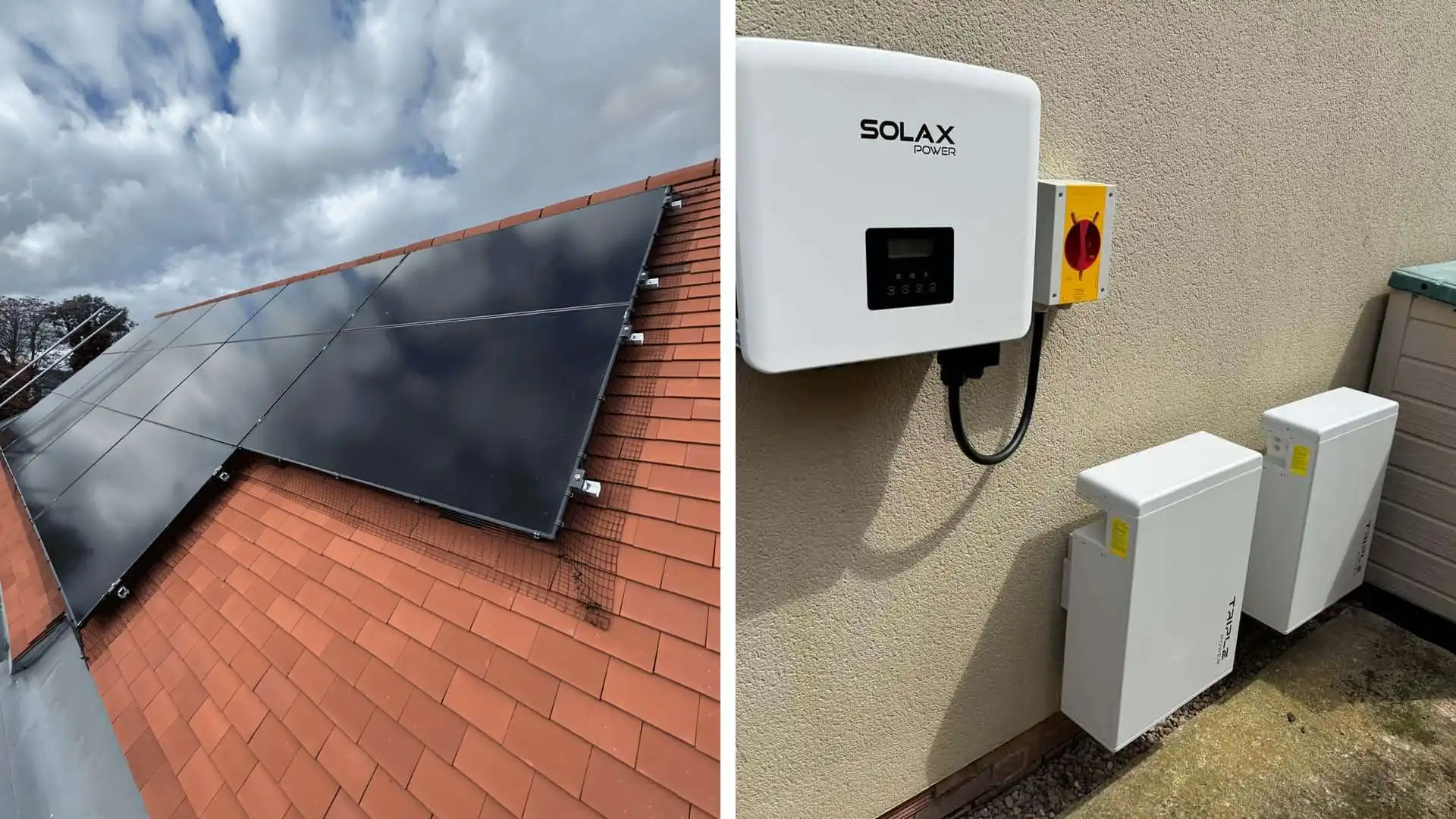
Rarely, and only in specific conditions: a roof pitch under about 10 degrees, heavy pollen from nearby trees, or consistent bird activity. Across Berkshire and Surrey, rain through a normal wet season cleans a pitched array on its own.
Check the app’s generation figure against the same month last year, not last month. On Berkshire and Surrey roofs a gap of 10% or more, with no new shading to explain it, is worth investigating.
10 to 15 years, against a 25-year panel warranty. Budget £800 to £1,500 fitted for the mid-life swap; on the Berkshire and Surrey systems we install, the app gives weeks of warning first, through drops to zero on a clear day and error codes that clear then reappear.
Yes. Scheduling charge times, paired with a time-of-use tariff, gets more value from the same battery than factory settings do.
Day length and sun angle explain the ordinary drops: UK generation in December runs at a fraction of June’s by design. A fault looks different: a sudden fall to near zero on a clear day, or one part of the array underperforming while the rest works normally.
The systems we install come with monitoring access from day one, so you can watch generation yourself, and the handover pack lists the panel, inverter and battery warranties with the contact for each. If the app shows something that doesn’t look right, weeks or years after installation, those warranties are the route to a fix.
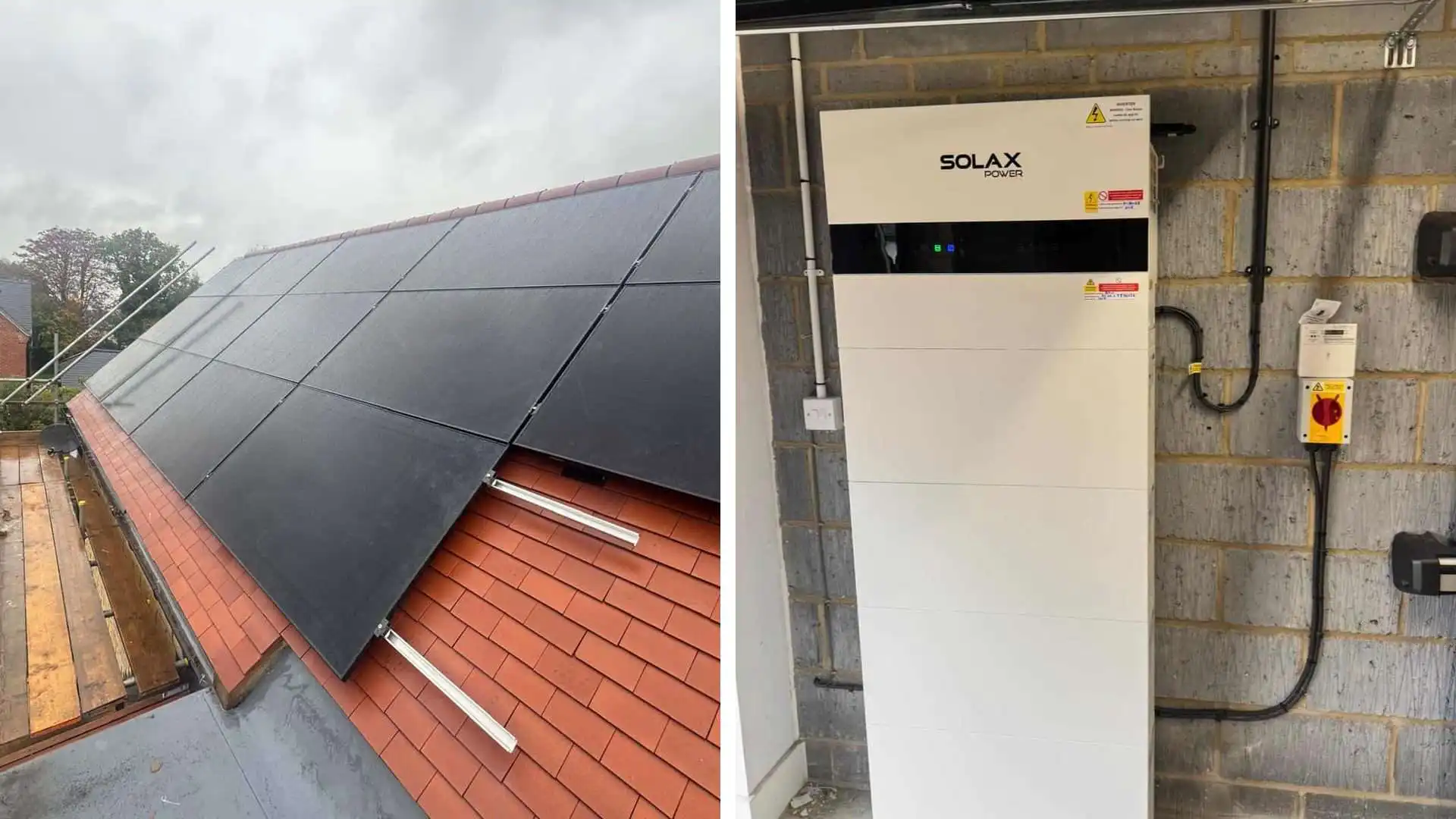
Getting the most from solar and a battery comes down to five minutes a month with an app: checking generation against the same month last year, watching what export earns, and booking the inverter’s mid-life swap as a planned job.
Anyone pricing solar or a battery for the first time can see that ownership picture up front. The Solar Design Pack survey sets it out alongside the generation figures for your own roof, so you know what the app should be showing you long before the first month’s data arrives.
More guides from the Eco Renewables blog on the same topic.
24 November 2026
Read the guide
24 November 2026
Read the guide
24 November 2026
Read the guideEco Renewables are trusted by homeowners throughout Berkshire, Surrey, and the South East to provide high-quality solar system installations.
If you're considering a heat pump, the survey is where it starts. We assess the property, run the heat loss calculations, and tell you exactly what the system would look like.
Get My Free Solar Design Pack


