



Solar
Solar Inverter Guide for Berkshire and Surrey: When to Replace, Repair or Go Hybrid
By Adam Dare
Heat Geek trained installer
Updated 20 October 2026
Reading time
🎉 Named South East Heating Installer of the Year 2026
A solar inverter turns your panels’ direct current into the alternating current your home runs on, and on Berkshire and Surrey roofs it needs replacing long before the panels do. If your array went up in the Feed-in Tariff years, 2010 to 2019, its original inverter is in or approaching its replacement window, and that replacement is the moment to decide whether a battery joins the system.

Three decisions sit behind every inverter question: which type suits the roof, whether a faulty unit is worth repairing, and whether a battery goes in at the same time. The inverter in your loft or garage carries a manufacture date on its label, and that date answers more of those questions than the fault code on its screen.
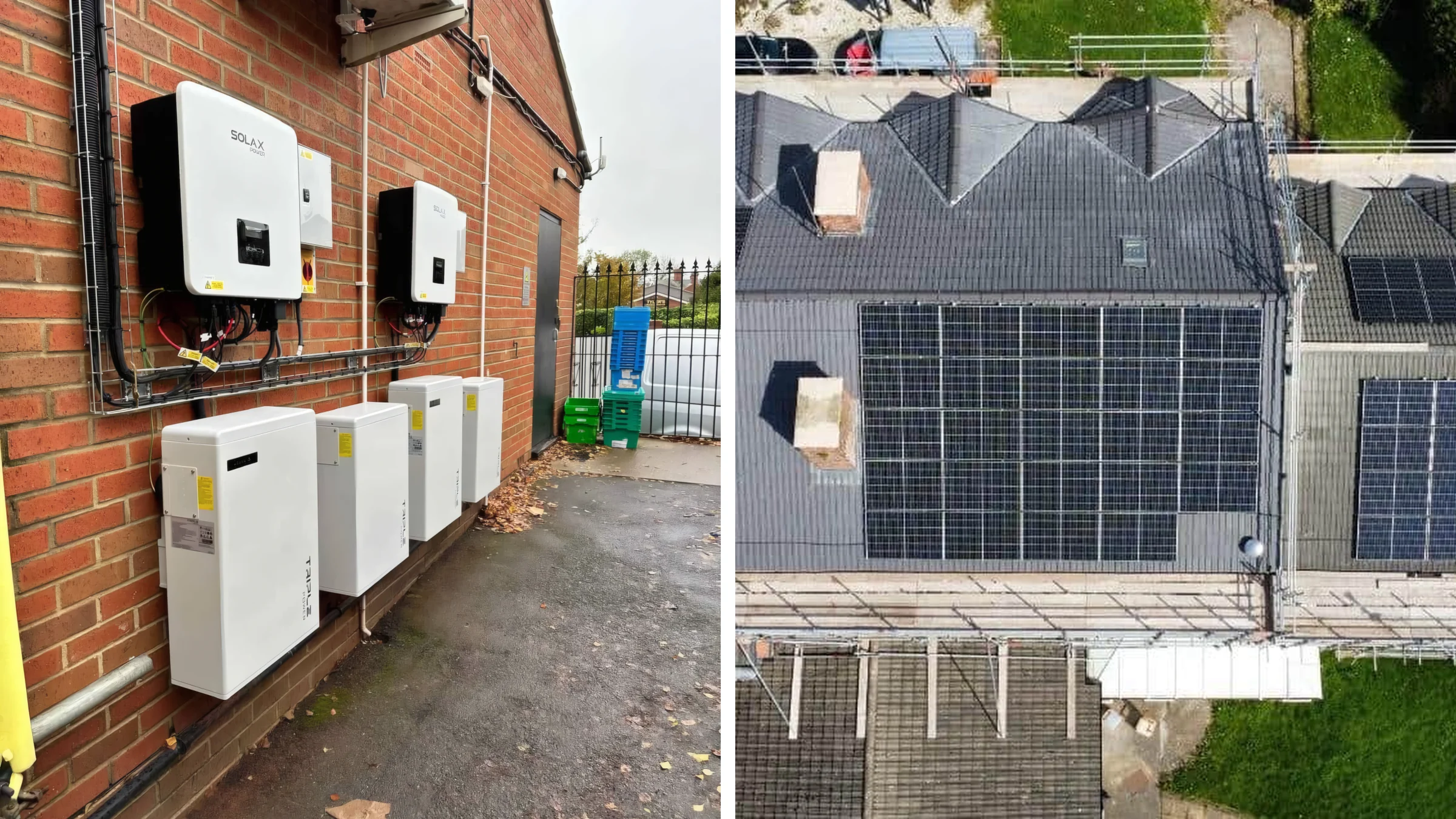
Panels on a south-facing roof in Wokingham or Woking have no moving parts; they sit in the weather and turn light into direct current. The solar inverter converts that current for your sockets, heat pump and EV charger, carrying the array’s full output through power electronics that warm up on every bright day. Years of that heat cycle wear the electronics long before anything on the roof gives up.
The Energy Saving Trust sets the two clocks side by side: panels should last 25 years or more, and an inverter needs replacing every 10 to 15 years. Across the life of one array, that means budgeting for at least one replacement, and a system fitted in 2012 may already be on its second.
Expected life, Energy Saving Trust
Solar panels
25 years or more
Inverter
10 to 15 years
Across the life of one array, budget for at least one inverter replacement.
Solar inverter warranty terms follow the same pattern: they start at five years, with extensions often available up to 15, and the Energy Saving Trust notes that a 15-year extension can cost almost as much as a new inverter. Find the warranty start date in your handover paperwork before any repair conversation, because a fault inside that window belongs to the manufacturer.
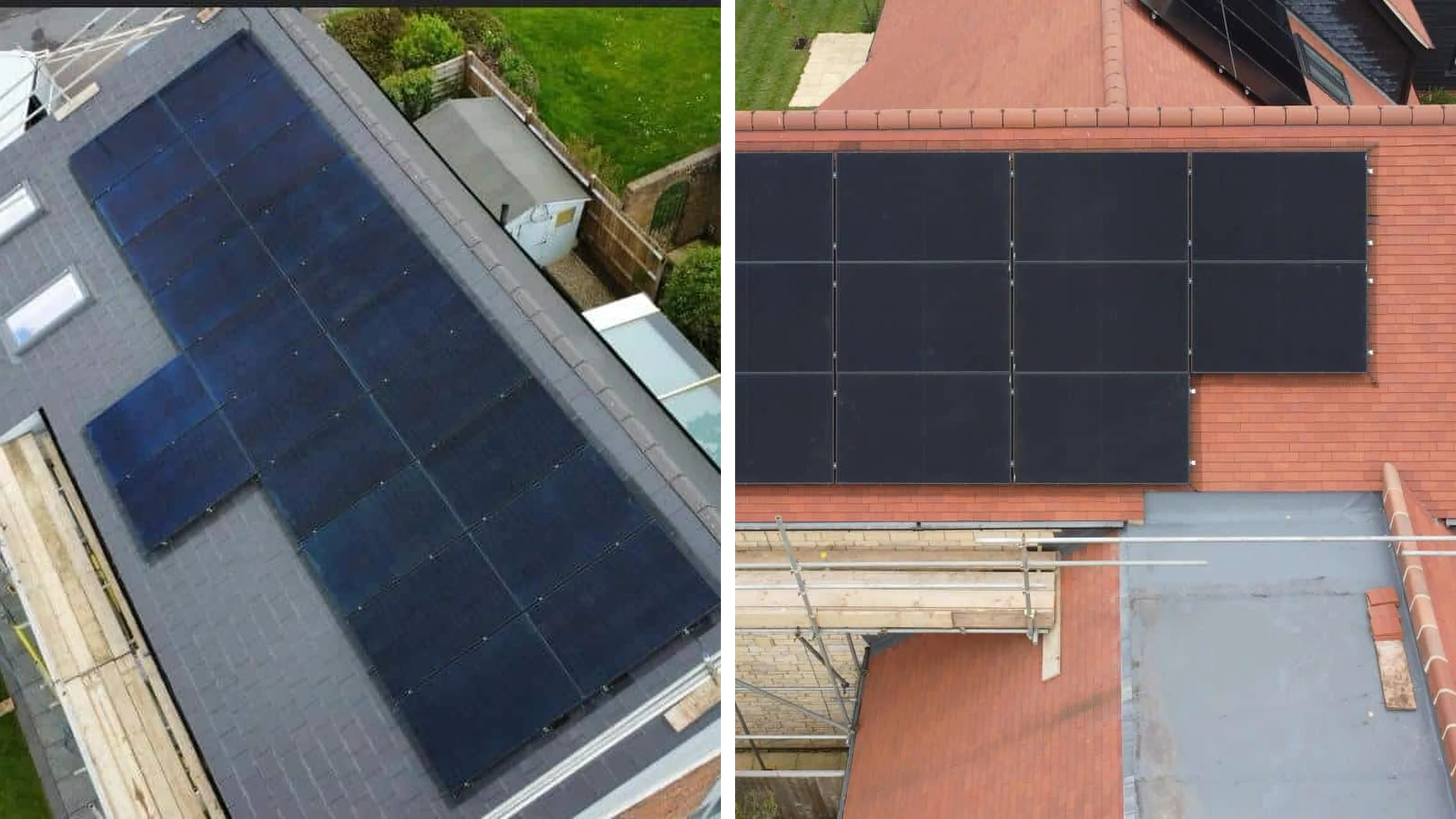
Four designs cover almost every domestic system in the UK. The right one depends on how your roof faces, what shades it, and whether a battery is on the list now or in five years.
A single south-facing plane under open sky suits a string or hybrid unit. Take a house with three small roof faces and a chimney shadow crossing one of them: that roof suits microinverters or optimisers. Your survey settles it from the roof you have, and a quote that names an inverter type without explaining the choice is missing a line.
Match the Inverter to Each Roof Plane
If two quotes on your table name different inverters, the Design Pack shows which one your roof calls for, plane by plane.
“Couldn’t fault Adam. His work truly speaks for itself.”
Ben Miles, Google Review
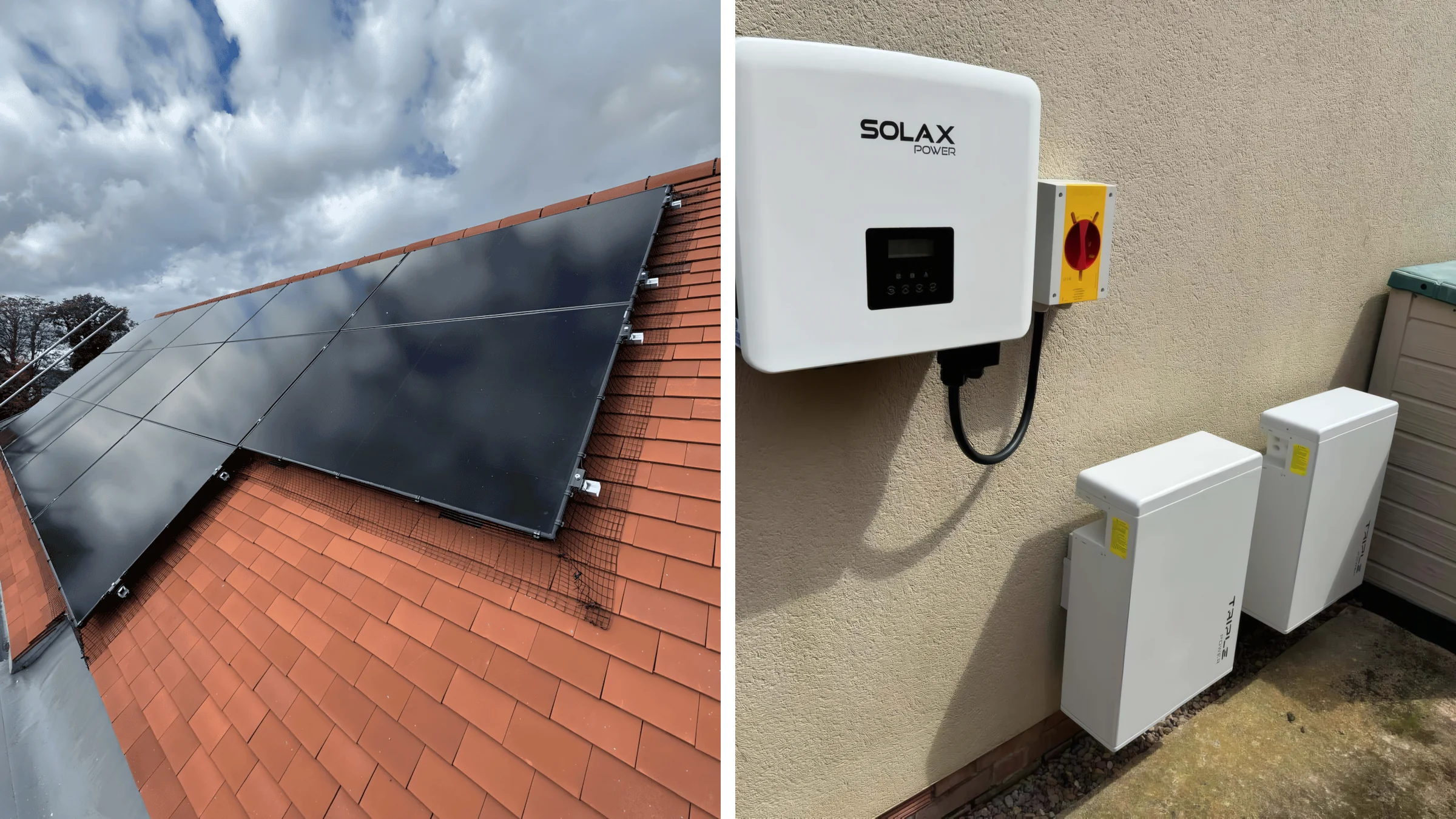
The warning signs of a failing unit, and how each one shows in the data, sit in our guide to spotting faults in your solar monitoring app. Once a fault is confirmed, the choice between solar inverter repair and replacement turns on two facts: the age of the unit and the state of its warranty. Inside warranty, the manufacturer covers the unit; check whether labour is included.
Outside warranty, a rule of thumb taken from the bottom of the Energy Saving Trust’s 10-to-15-year range applies: past year ten, solar inverter replacement tends to beat repair, because a new board in a twelve-year-old inverter leaves every other part twelve years old. The Energy Saving Trust puts a like-for-like swap at around £800, and the solar inverter replacement cost climbs with a hybrid unit or a larger rating.
Around £800
The Energy Saving Trust’s figure for a like-for-like inverter swap. A hybrid unit or a larger rating costs more.
The new unit has to suit the existing strings and sit inside the network limits. Generation up to 3.68kW per phase falls under the G98 process, with the network operator notified within 28 days of commissioning, as SSEN’s guidance on G98 connections sets out. A replacement is also the natural moment to change inverter type, since the old unit is coming off the wall either way.
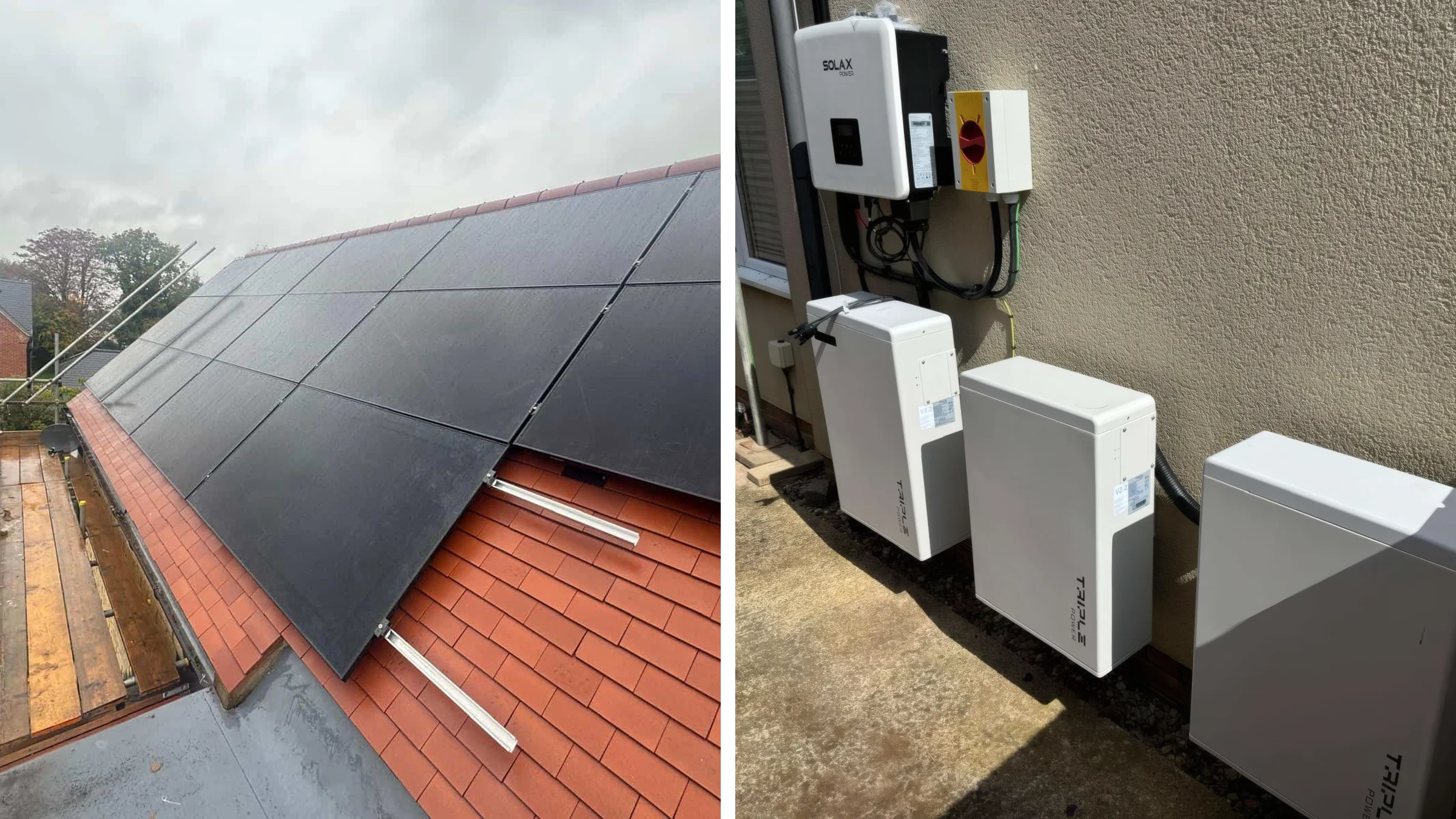
You have two routes to add a battery to existing solar, and your current inverter’s age is the first filter. A hybrid swap replaces the old string inverter with one unit that runs panels and battery together. An AC-coupled battery keeps the existing inverter and adds a battery-side inverter beside it. The payback maths sit in our guide on whether a solar battery pays for itself.
A battery retrofitted to an existing array is zero-rated for VAT until 31 March 2027 under HMRC’s energy-saving materials relief, with 5% applying from April 2027. Battery options and sizing for Berkshire and Surrey homes sit on our home battery installation page.
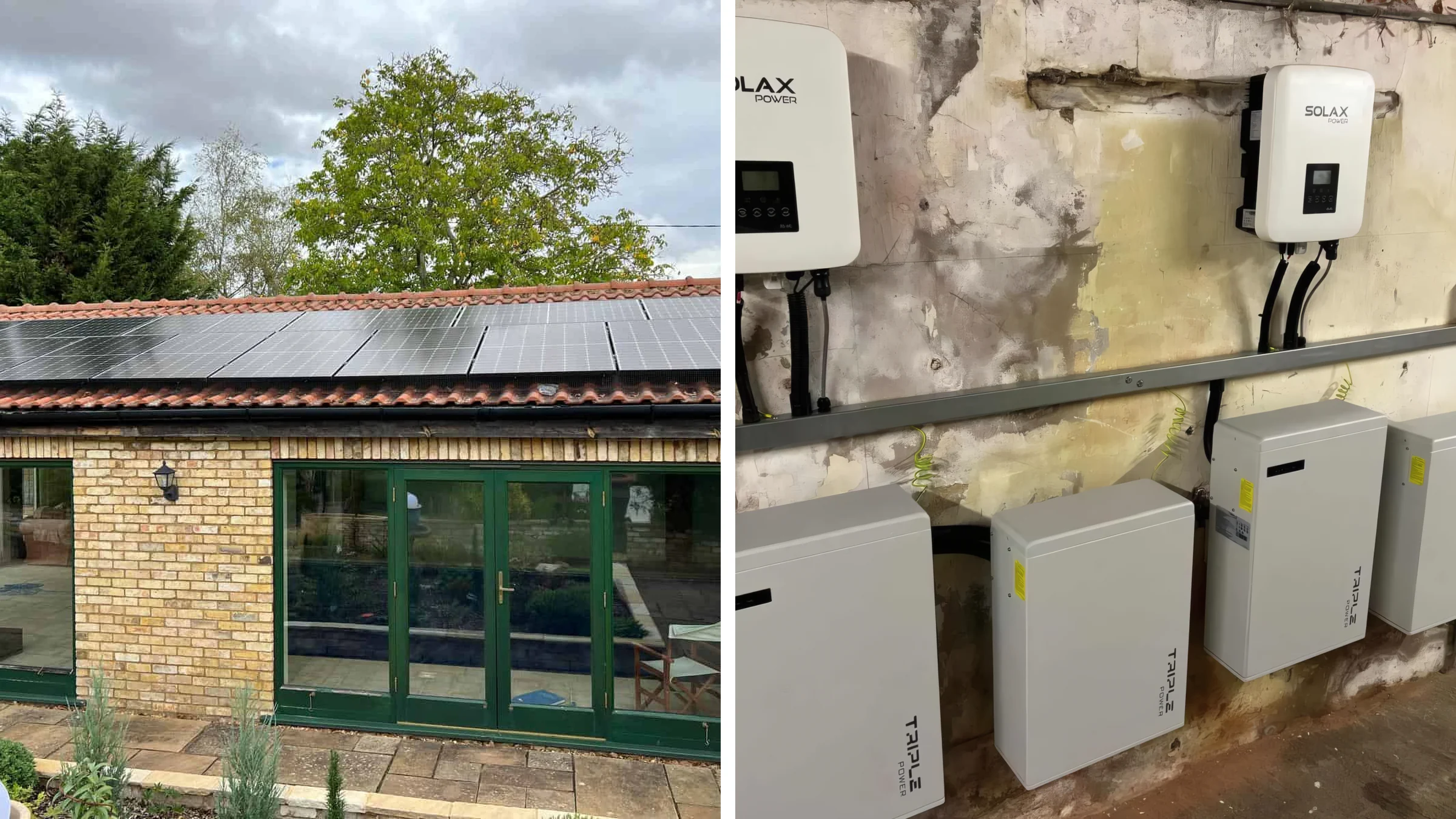
A heat pump changes the inverter’s job. Winter brings the heat pump’s heaviest draw and the array’s weakest output, so a battery earns its keep by charging on cheap overnight time-of-use rates and covering the morning and evening peaks. A hybrid inverter schedules that grid charging itself. Our guide to running heat pumps and solar panels together covers how the load lines up with generation across the seasons.
Batteries are rated in kWh and inverters in kW, and the kW figure caps how fast the battery can supply the house. At 6pm in January, with the heat pump, an oven and a kettle running, an undersized inverter covers part of the load and the grid supplies the rest, however full the battery is. Size the inverter to your evening peak, heat pump included, before choosing battery capacity.
Designing the heat pump and the solar side together means the inverter rating, the tariff windows and the heat pump’s weather compensation curve get settled in one survey. For homes around our base, our page on solar panel installation in Binfield covers the local detail.
Size the Inverter for Winter Evenings
With a heat pump running or on the way, the Design Pack sizes the inverter against your winter evening peak before any kit is chosen.
“Eco Renewables recently installed a heat pump for my customer and aligned it perfectly with my company’s solar PV system. By working together, we were able to size the solar PV accordingly and deliver a seamless, efficient setup.”
Leon Shead, Google Review
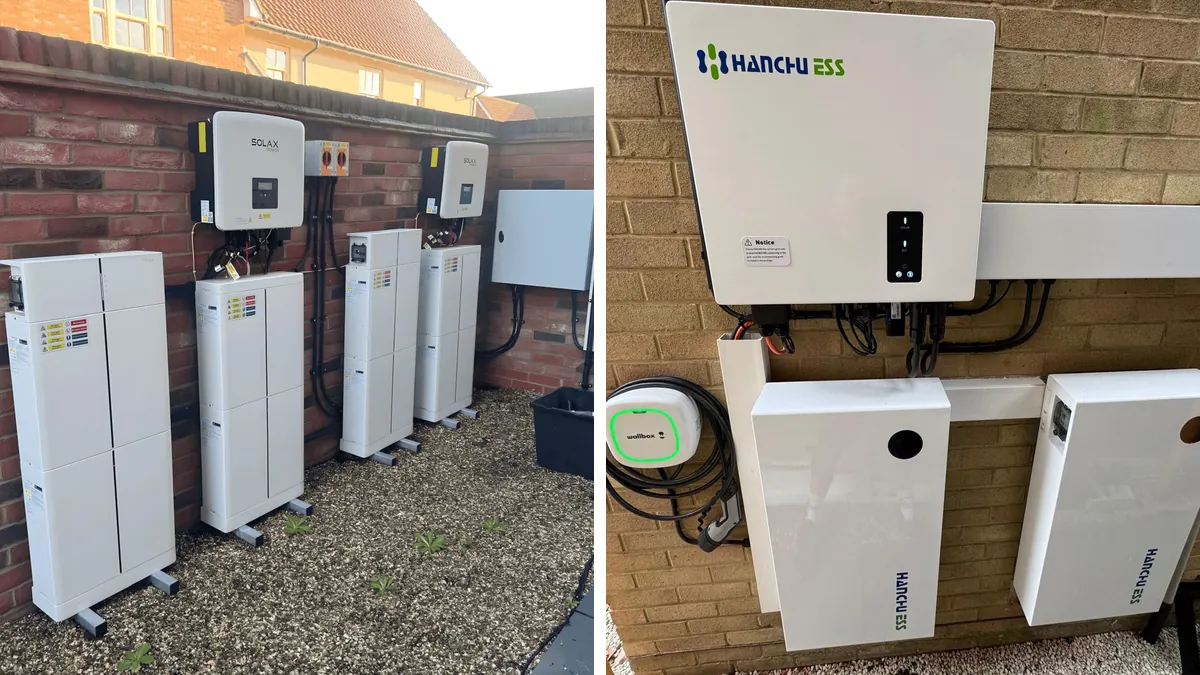
It converts the direct current your panels produce into the alternating current your home and the grid use. It also disconnects the system if the grid goes down, and most units report generation to a monitoring app. On a battery system, a hybrid or battery inverter manages charging and discharging as well.
A hybrid inverter runs solar panels and a battery through one unit. Surplus generation charges the battery as DC, and the inverter can also charge it from the grid on a cheap overnight tariff. On new Berkshire and Surrey systems where a battery is planned, it avoids fitting a second inverter later.
The Energy Saving Trust gives around £800 for a replacement, depending on the system’s size and manufacturer. A hybrid unit, a larger rating or a change of inverter type costs more. A quote for a Berkshire or Surrey home should name the model and say whether network notification is included.
An AC-coupled battery brings its own inverter and works alongside the existing one, so a healthy inverter can stay. Swapping to a hybrid inverter makes more sense when the old unit is in the second half of its life or already showing faults.
It can. Which? warns that a DC-coupled battery can reduce FIT payments, while an AC-coupled system leaves the generation meter reading the array’s full output. For a Berkshire or Surrey array still inside its FIT period, AC coupling is the usual route.
Microinverters suit roofs split across several planes or shaded for part of the day, because each panel works on its own. On a single unshaded south-facing plane, a string or hybrid inverter does the job for less money. Older Surrey and Berkshire homes with hips, dormers and chimneys often fall into the first group.
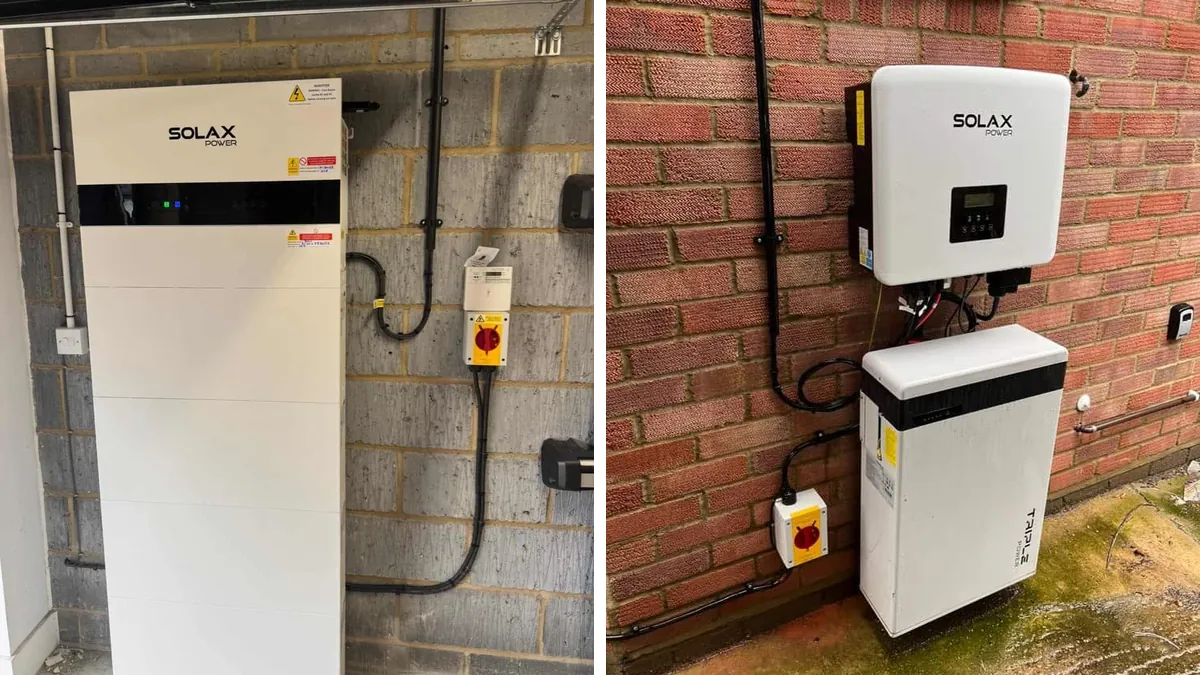
The label on your inverter gives its age, and the handover paperwork gives the warranty and whether the array is on the Feed-in Tariff. Those three facts narrow the choice to one or two routes before anyone climbs a ladder. A survey adds your usage, your tariff and any heat pump load, which decides whether the replacement should be a hybrid and what sits behind it.
More guides from the Eco Renewables blog on the same topic.
24 November 2026
Read the guide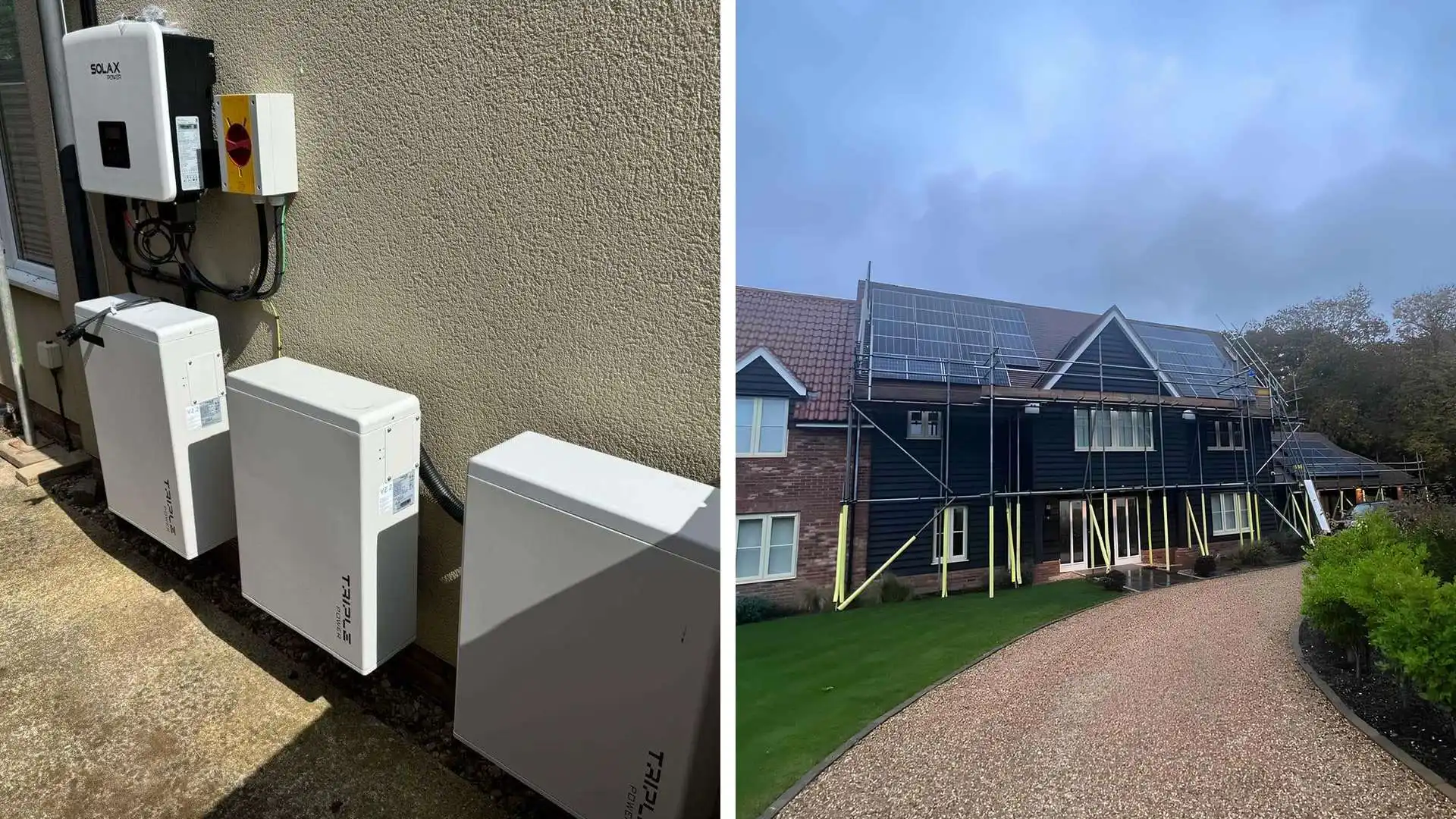
24 November 2026
Read the guide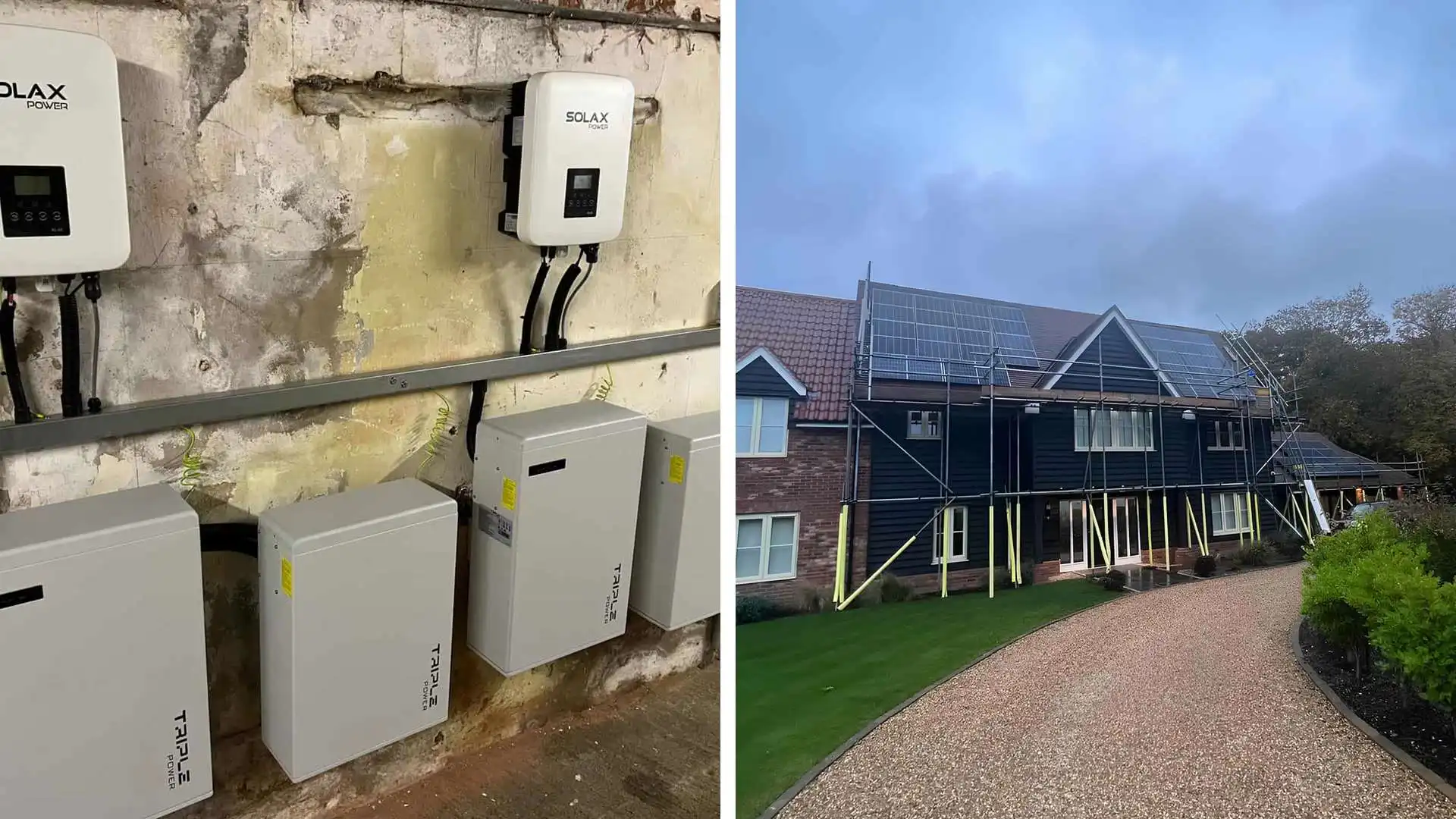
24 November 2026
Read the guideEco Renewables are trusted by homeowners throughout Berkshire, Surrey, and the South East to provide high-quality solar system installations.
If you're considering a heat pump, the survey is where it starts. We assess the property, run the heat loss calculations, and tell you exactly what the system would look like.
Get My Free Solar Design Pack


