



Solar
Solar Diverters in Berkshire and Surrey: Hot Water, iBoost and EV Charging
By Adam Dare
Heat Geek trained installer
Updated 12 November 2026
Reading time
🎉 Named South East Heating Installer of the Year 2026
A solar diverter takes the electricity your panels would otherwise export and sends it to something useful in the house, usually the immersion heater in your hot water cylinder, sometimes an electric car. In Berkshire and Surrey that surplus peaks from late spring to early autumn, when a south-facing roof often makes more than the house can use in the middle of the day.
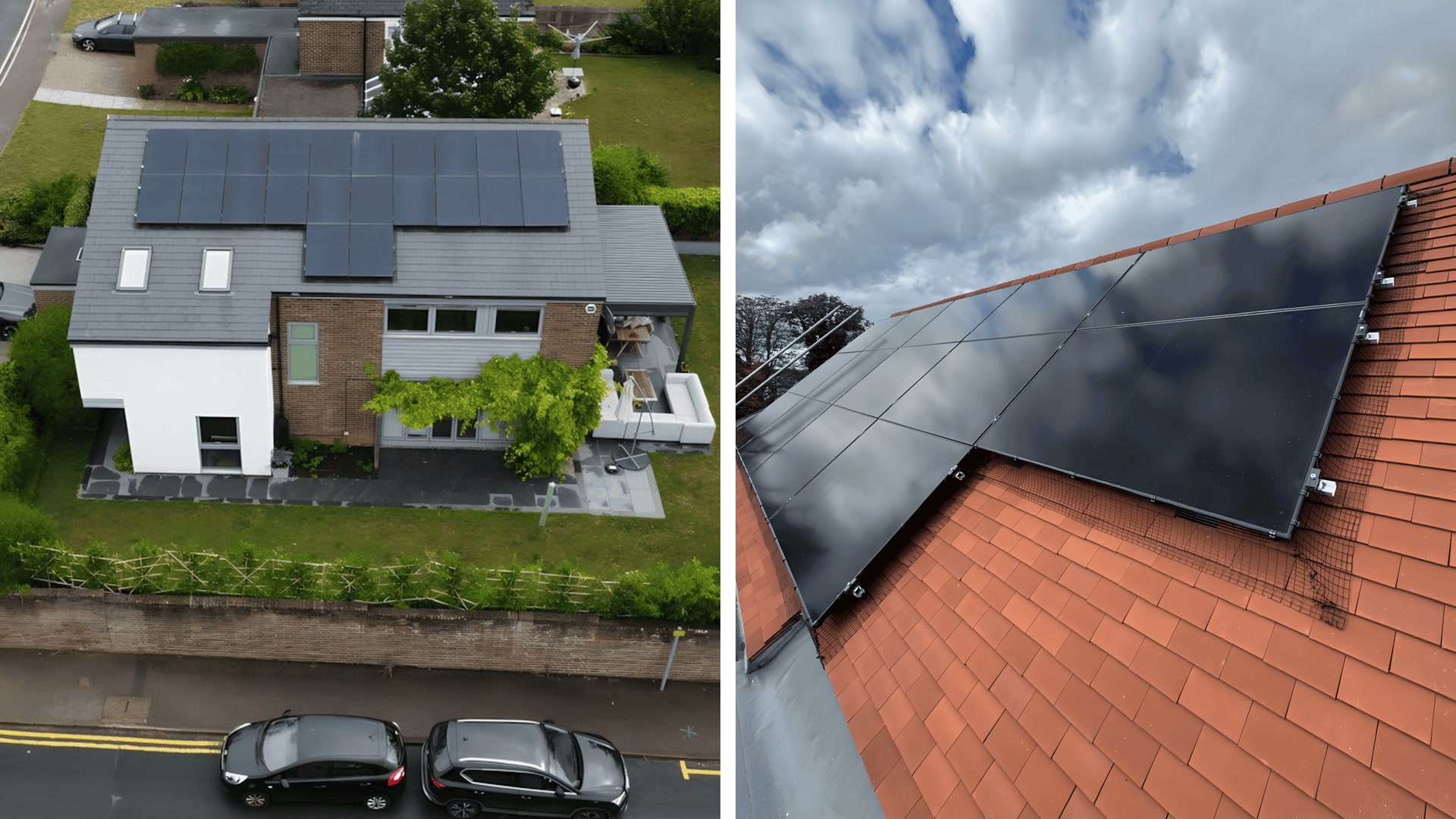
Each unit of surplus can go to the grid for an export payment, into a home battery for the evening, or straight into a load such as hot water. A diverter handles the third route, and whether it earns its place comes down to what your water heating costs today.
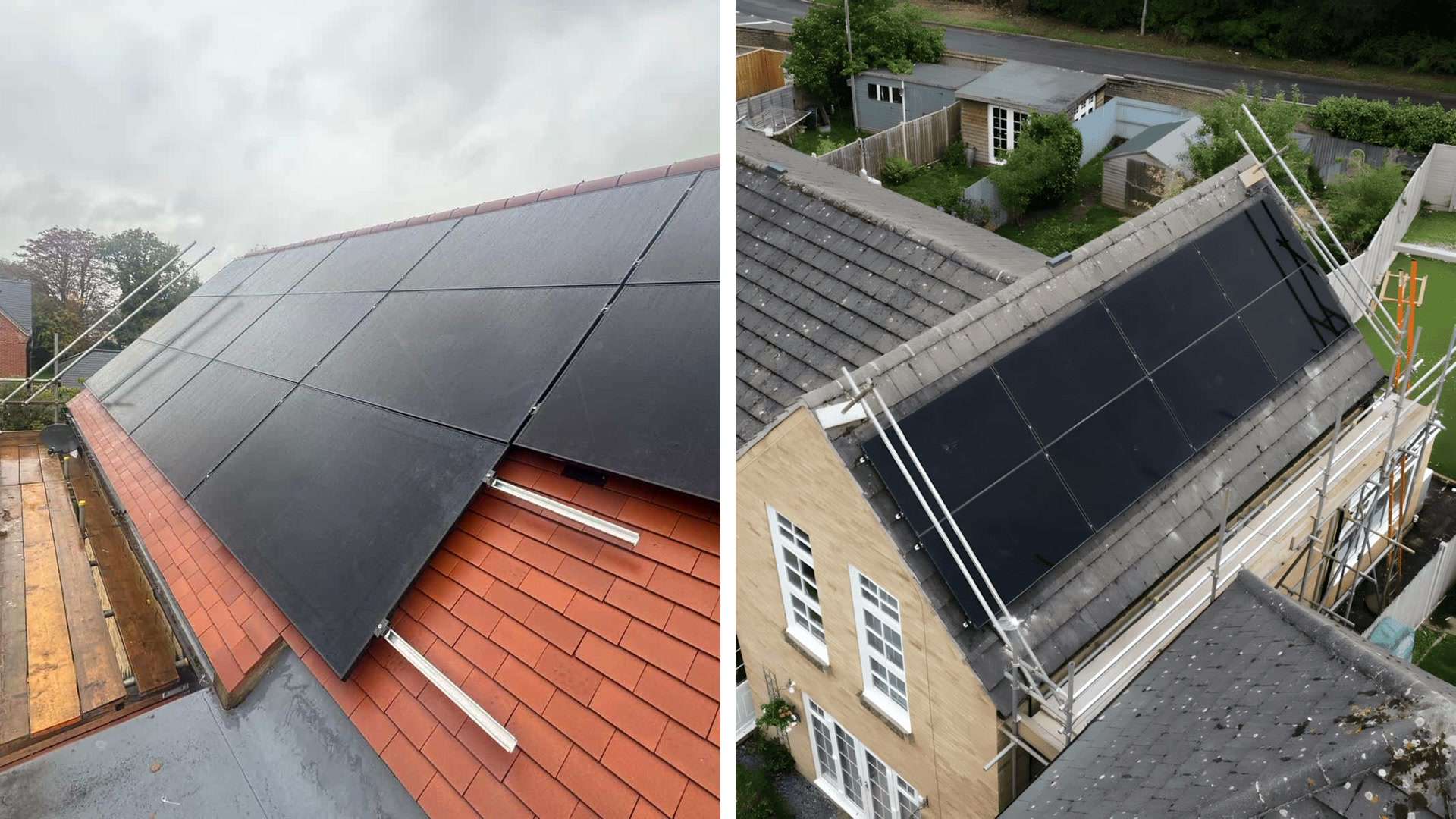
A solar PV diverter is a small controller with a current clamp on your incoming electricity supply. When the clamp sees power flowing out to the grid, the diverter switches that surplus to a chosen load instead, and it backs off the moment the house needs the power again.
Immersion diverters vary the power they send, so a cloudy afternoon with a few hundred watts to spare still warms the water a little. In normal running a diverter buys nothing from the grid; any grid use comes from a boost you set yourself.
A diverter only has something to divert once the array makes more than the house uses, so it belongs in the conversation when a solar PV installation is designed, alongside how much of the output you will use yourself.
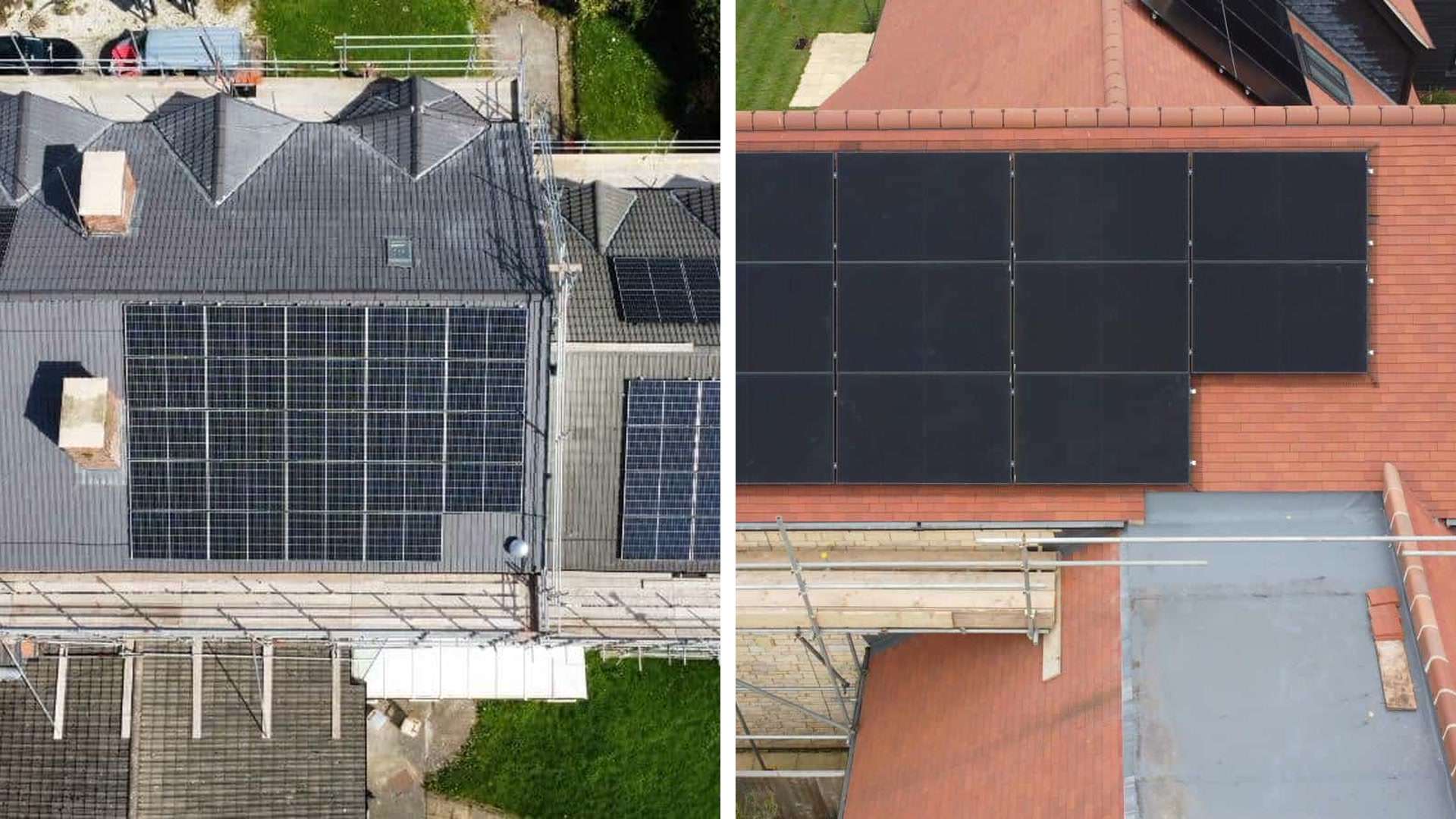
A solar immersion diverter sends surplus into the electric element of a hot water cylinder. Hot water is a natural home for surplus, because a cylinder of hot water stores a useful amount of energy cheaply and is still there in the evening.
It needs a cylinder with an immersion element in it, so a combi boiler with no cylinder leaves it nothing to heat. Homes with a heat pump usually have a cylinder with an immersion element, and our guide to heat pump hot water explains how that cylinder is heated day to day.
On a bright summer day the surplus can heat the whole cylinder, and the boiler or heat pump barely fires for hot water. In winter the panels rarely leave enough spare power to matter, so your normal heating does the work as before.
See How Much Surplus Your Roof Would Make
The Design Pack models your array’s output against your own daytime use, so you can see whether there would be enough spare power for hot water before you spend anything on a diverter.
“You rarely meet people who are so knowledgable and passionate about their trade – but this guy genuinely is. Very responsive and trustworthy. We have been customers of Adam for over 5 years and he has never failed us yet!”
Adam Hewitt, Google Review
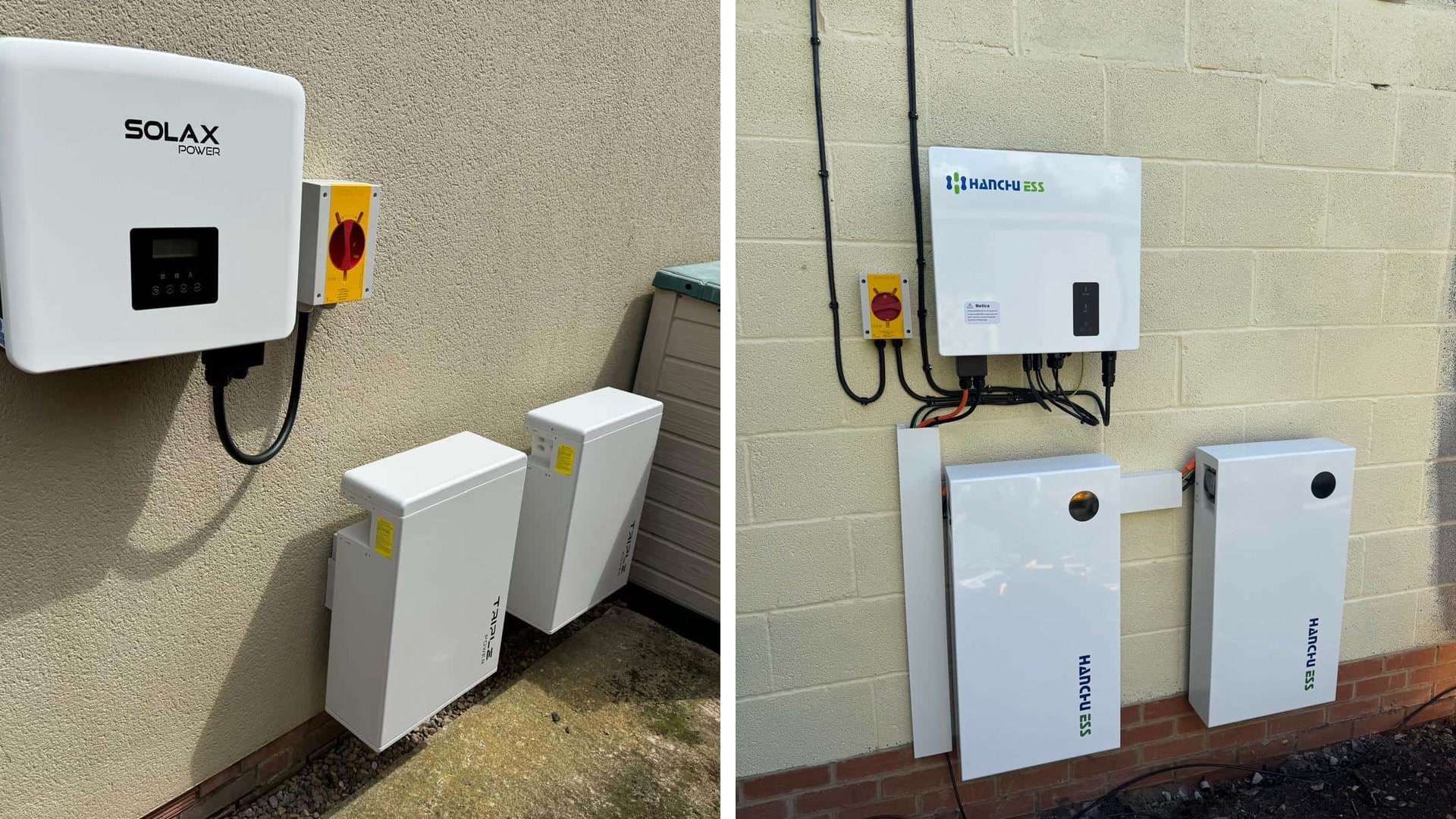
iBoost is one make of solar immersion diverter, and other makes do the same job. Whichever unit you look at, these are the points worth comparing:
None of these features changes the physics. A diverter can only move surplus the array has already made, so it pays back faster on a roof that exports a lot through the summer.
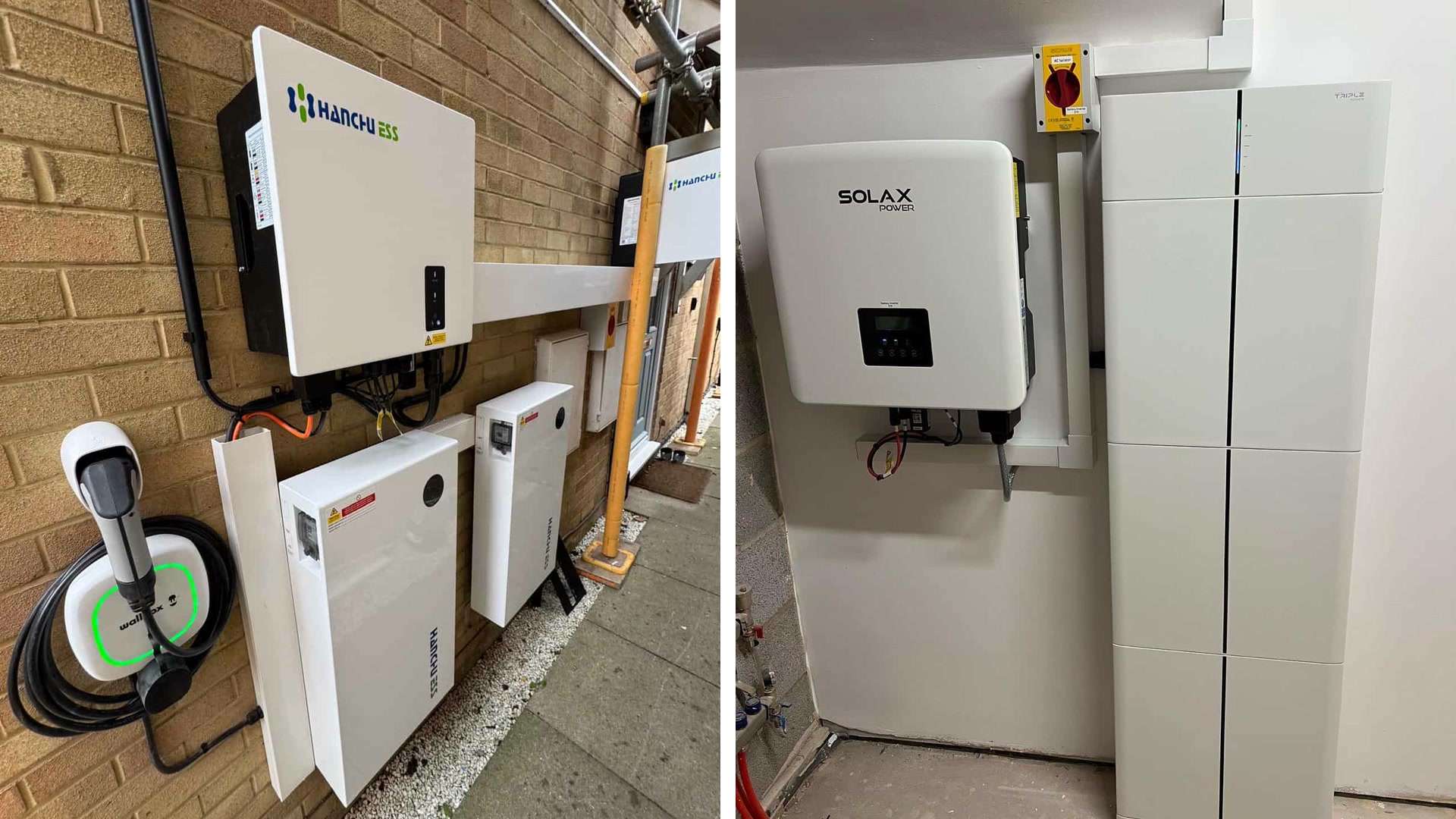
Some EV chargers have diversion built in and work the same way, sending export into the car instead of the grid. The difference is the starting point. A car cannot charge on a trickle: the charging standard’s minimum current works out at roughly 1.4kW, so the charger waits for that much spare power and pauses when cloud cuts it.
Roughly 1.4kW
Steady surplus an EV charger needs before diverted solar can start charging the car.
How many kWh does it take to charge an electric car? Which? puts the average efficiency of the electric cars it has tested at 3.19 miles per kWh (October 2026). At that rate 100 miles takes about 31 kWh, a 30-mile day under 10 kWh, and 8,000 miles a year about 2,500 kWh.
Diversion to a car only works on days the car is home in daylight, which suits households who work from home. A car also changes the sums on how many solar panels you need, because it adds a large load the house never had.
Hot Water, the Car or the Grid for Your Surplus?
The Design Pack sets your array’s expected output against when you are home and how you heat water, so you can see which route your surplus would take.
“Adam’s experience and understanding of heatpumps and the all important heat loss calculations was evident from first contact… Anyway two months in and the house is warm and the scop is looking good.”
Andrew Symes, Google Review
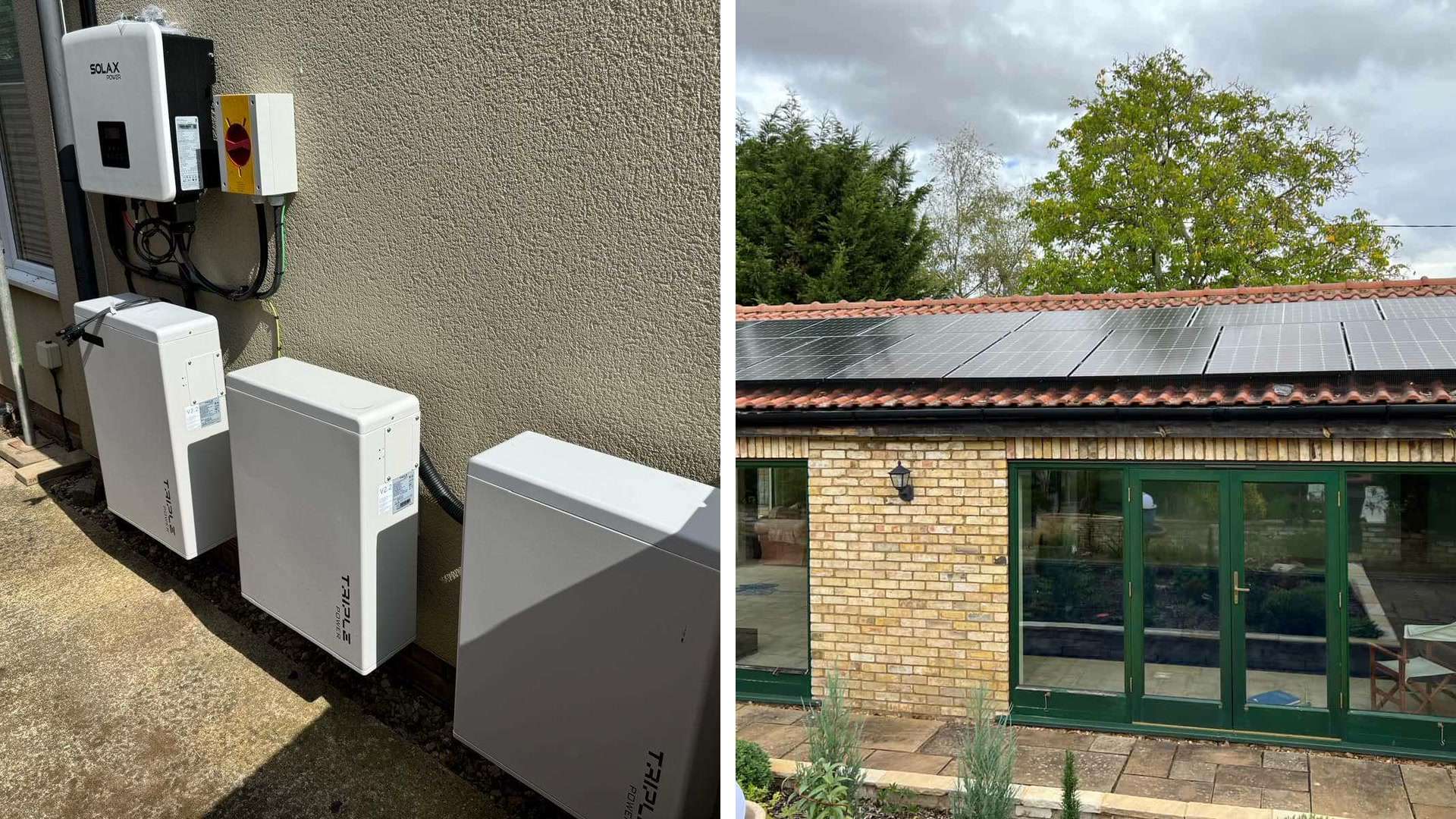
Every unit you divert is a unit you do not export, so it gives up what the Smart Export Guarantee pays for it. A diverter pays when the energy it replaces costs more than that export payment.
Each diverted unit replaces electricity bought at the full import rate, so diverting usually beats exporting.
Each diverted unit replaces cheaper heat, so a good export rate can be worth more than diverting.
A home battery keeps surplus for the evening instead, when you would otherwise buy power at the full rate, and it costs far more to fit than a diverter. We set out when a battery earns its keep separately.
Model the Routes Before You Buy Anything
When the hot water, a battery and perhaps a car all compete for the same surplus, the Design Pack shows how the output would split on your property.
“Eco Renewables recently installed a heat pump for my customer and aligned it perfectly with my company’s solar PV system… The installation quality was excellent, and my customer is already seeing improved comfort and energy savings.”
Leon Shead, Google Review
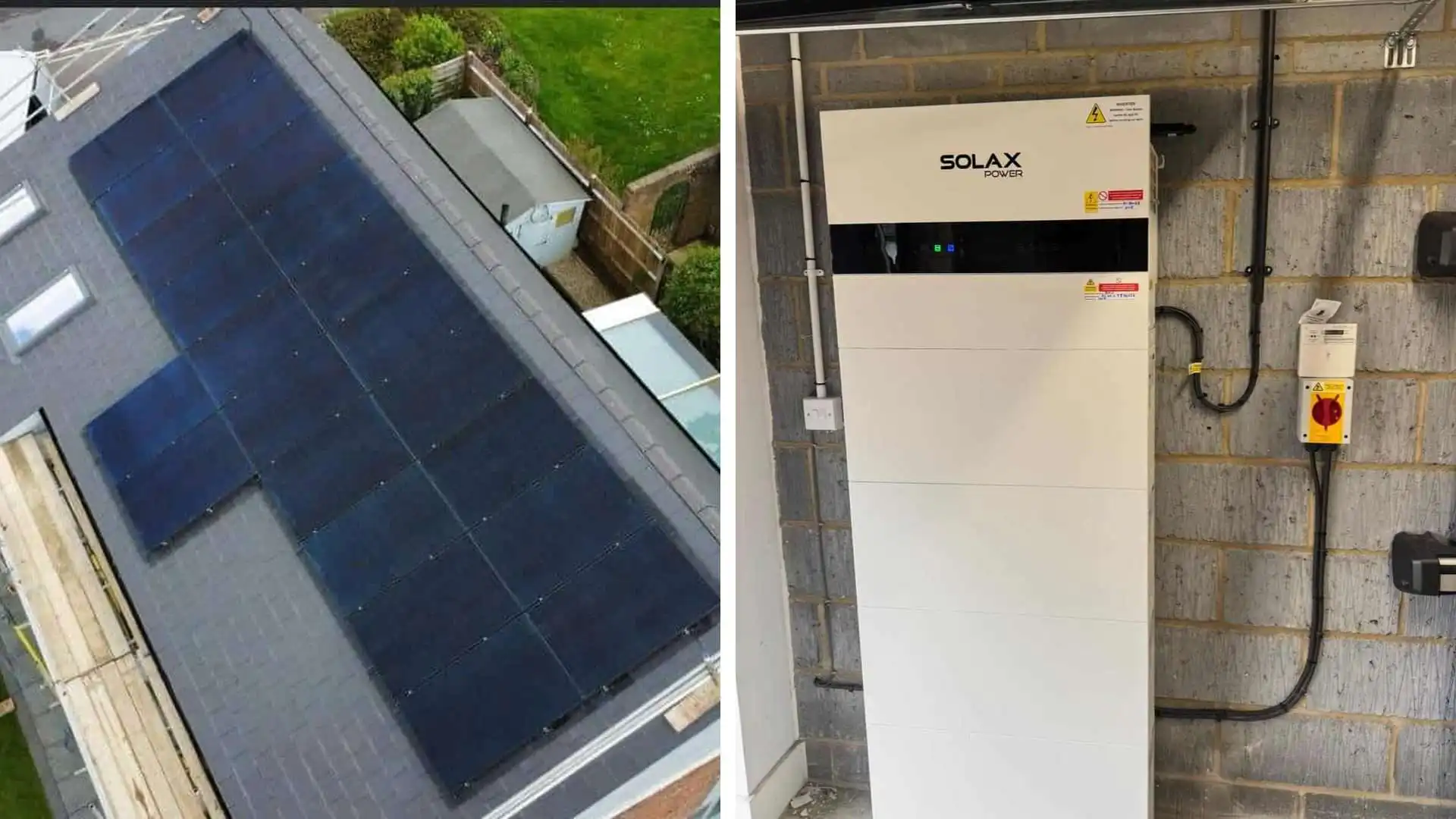
A solar diverter watches the electricity flowing out to the grid through a clamp on your supply. When your panels make more than the house uses, it sends that surplus to a load such as an immersion heater, and it stops as soon as the house needs the power.
Yes. iBoost is a brand of solar immersion diverter: it sends surplus solar to the immersion element in a hot water cylinder. Other makes work on the same principle, and the differences sit in control, timers and monitoring.
Yes. The diverter heats water through the cylinder’s immersion element, so a home with a combi boiler and no cylinder has nothing for it to heat. Homes with a heat pump usually have a cylinder with an immersion element already.
Which? puts the average efficiency of the electric cars it has tested at 3.19 miles per kWh (October 2026). At that rate 100 miles of driving takes about 31 kWh, and a 30-mile day under 10 kWh.
Most can, as long as the car charges at home through the standard Type 2 connection. The diversion happens in the charger, so the car needs no extra hardware, but it does need about 1.4kW of steady surplus before charging starts.
It depends on how you heat water. If an immersion heats it today, a diverted unit usually saves more than the export payment it replaces. If gas or a heat pump heats it, the export payment can be worth more than the heat you gain.
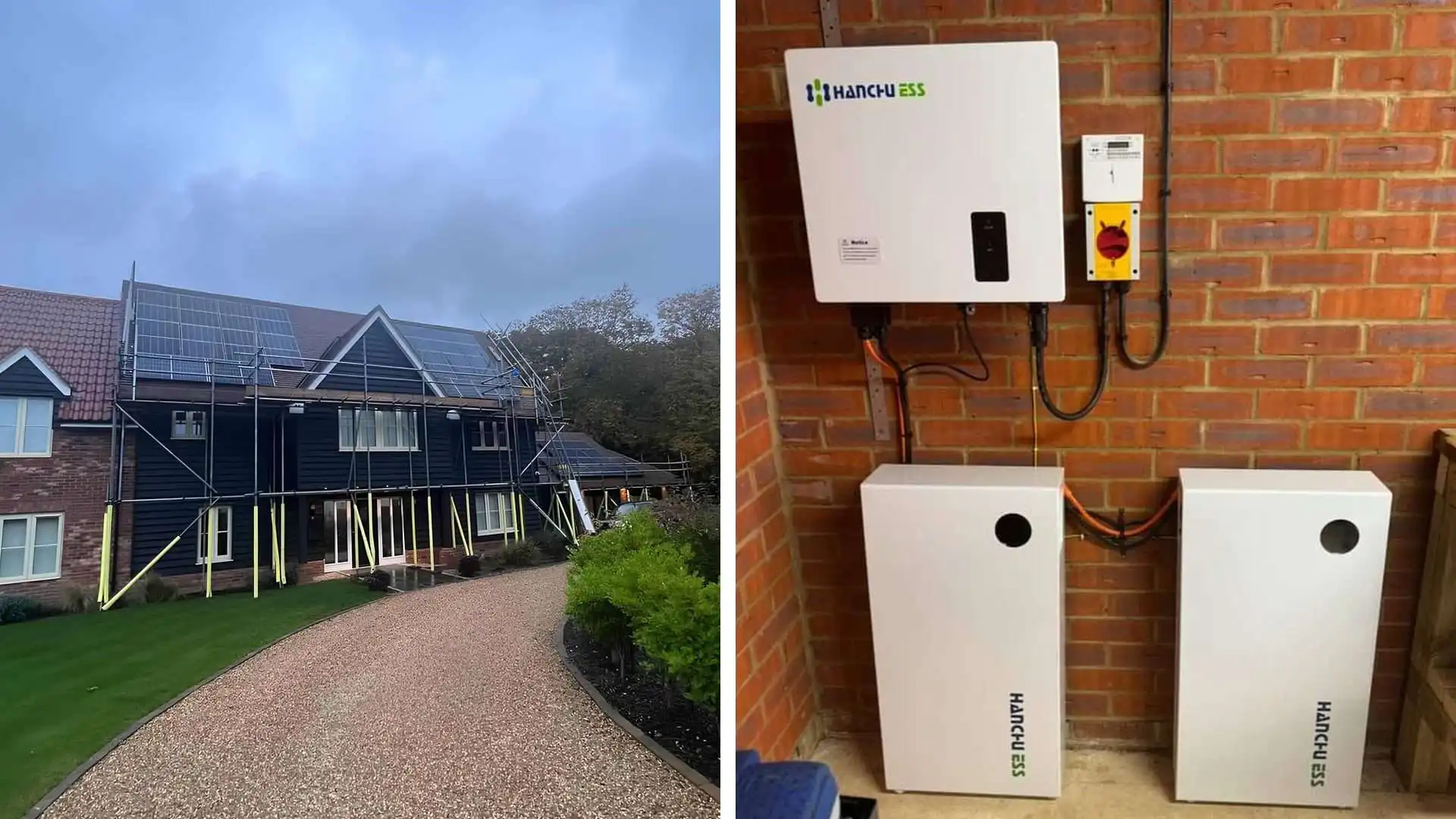
Whether a solar diverter pays comes down to numbers specific to your home: how much surplus the roof makes, how you heat water today, when the car is on the driveway, and what your export tariff pays. Working from home cuts both ways in the Berkshire and Surrey commuter belt: the car is there to take surplus at midday, and the house itself uses more of the output.
Our Solar Design Pack models your array’s output against that pattern and shows how much surplus you can expect, so you can judge a diverter, a battery or plain export on real figures.
More guides from the Eco Renewables blog on the same topic.
24 November 2026
Read the guide
24 November 2026
Read the guide
24 November 2026
Read the guideEco Renewables are trusted by homeowners throughout Berkshire, Surrey, and the South East to provide high-quality solar system installations.
If you're considering a heat pump, the survey is where it starts. We assess the property, run the heat loss calculations, and tell you exactly what the system would look like.
Get My Free Solar Design Pack


